Lifestyle
High Altitude Training and Supplements: Iron, EPO, and the Evidence
Ascending above 2,000 meters triggers a cascade of physiological adaptations — red blood cell expansion, heightened EPO secretion, and accelerated iron turnover — that can outpace what even a clean diet delivers. For endurance athletes and high-altitude trekkers alike, the difference between a successful altitude block and chronic fatigue often comes down to one overlooked micronutrient: iron. Here's what the research actually says about altitude training supplements, and how to build a protocol that supports — rather than undermines — your body's hypoxic response.
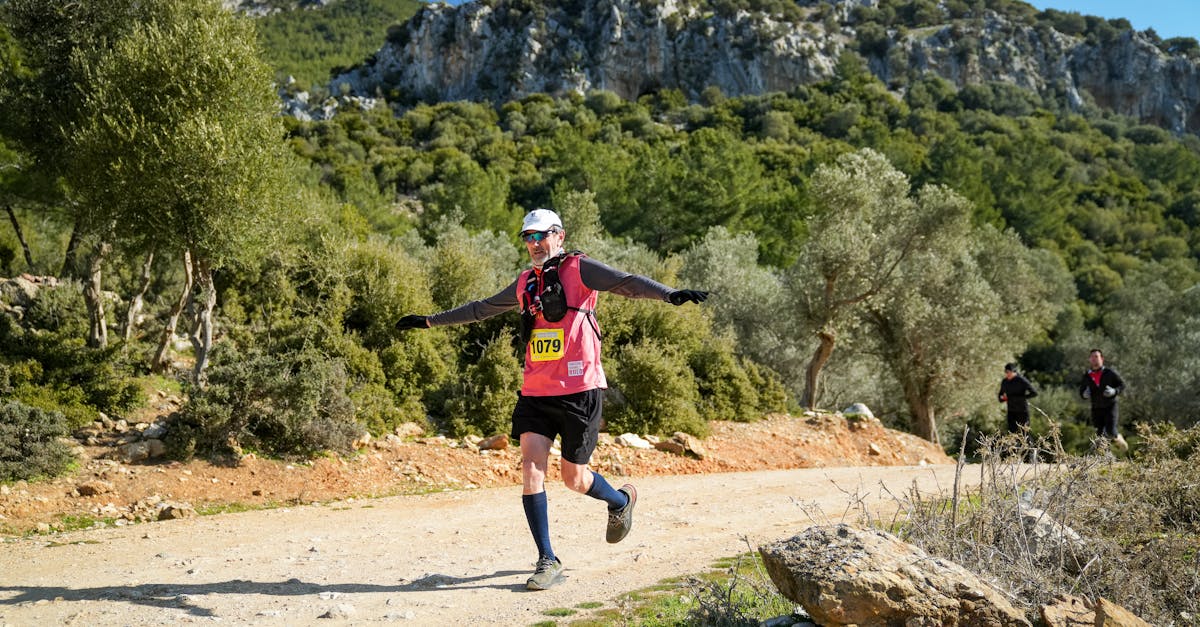
High Altitude Training and Supplements: Iron, EPO, and the Evidence
Ascend above 2,000 meters and your body immediately senses a problem: less oxygen per breath. Within hours, the kidneys begin secreting erythropoietin (EPO), the hormone that commands bone marrow to produce more red blood cells. Within weeks, hemoglobin mass expands, oxygen-carrying capacity rises, and — if everything goes right — you return to sea level a measurably faster, more efficient athlete.
But "if everything goes right" is doing a lot of heavy lifting in that sentence. High-altitude training is one of the most physiologically demanding interventions in sport, and it exposes nutritional gaps that are invisible at sea level. Chief among them is iron deficiency — a deficiency that directly cripples the EPO response you went to altitude to stimulate in the first place. Understanding the interplay between altitude, EPO, and altitude training supplements is not optional for serious athletes. It is table stakes.
Why Iron Is the Rate-Limiting Nutrient at Altitude
EPO tells the bone marrow to make more red blood cells. Red blood cells require hemoglobin. Hemoglobin requires iron. This is not a metaphor — it is biochemistry. Without adequate iron stores (serum ferritin ≥ 30–40 ng/mL is widely cited as the functional threshold for erythropoiesis), EPO elevation at altitude produces an "iron-restricted erythropoiesis": the hormonal signal is there, the marrow is ready, but the raw material is absent.
A controlled study by Govus et al. (2015) in the International Journal of Sport Nutrition and Exercise Metabolism demonstrated that athletes with pre-altitude ferritin below 35 ng/mL showed significantly blunted hemoglobin mass responses to a four-week altitude camp compared to iron-replete peers (PMID: 25811134). The athletes with adequate iron stores accrued roughly twice the hemoglobin mass expansion — the central adaptation altitude training is designed to produce.
This is why altitude iron supplement status is evaluated before, during, and after altitude blocks in elite endurance programs. The physiology is unambiguous: you cannot out-EPO a depleted iron store.
How Much Iron Do Altitude Athletes Actually Need?
The question of dose is complicated by the fact that altitude accelerates iron losses through multiple routes simultaneously:
- Increased red blood cell production consumes 3–9 mg of elemental iron per deciliter of new red blood cells synthesized
- Hepcidin suppression from hypoxia and EPO signaling initially downregulates this inflammatory iron-gating protein, improving gut absorption — but heavy exercise then elevates hepcidin acutely post-training, reducing absorption windows
- Sweat losses and gastrointestinal micro-bleeding from high training loads contribute additional daily losses
Seiler et al., writing in the British Journal of Sports Medicine (2013), estimated that athletes at altitude may require 30–50% more dietary iron than sedentary individuals at sea level to maintain positive iron balance (doi.org/10.1136/bjsports-2012-091600). For female athletes already at elevated risk of iron depletion, this creates a genuine clinical vulnerability.
Practical targets used by altitude medicine practitioners typically include:
- Pre-altitude serum ferritin: ≥ 40–50 ng/mL
- In-camp monitoring: ferritin + hemoglobin every 2–3 weeks
- Supplemental iron (ferrous bisglycinate or ferric pyrophosphate for GI tolerance): 30–100 mg elemental iron daily depending on baseline status, taken away from training and dairy
If you track ferritin through regular blood work — as Ones users do when uploading lab results to the platform — you have a precise starting point rather than guessing.
EPO Iron Altitude: The Feedback Loop You Need to Understand
The EPO–iron relationship at altitude is a bidirectional feedback loop that most supplement guides oversimplify. Here is the actual mechanism:
- Hypoxia → renal EPO secretion ↑ (within 2–4 hours of ascent)
- EPO → erythroid progenitor proliferation ↑ (marrow response begins within 24–48 hours)
- Erythroid activity → hepcidin suppression (via erythroferrone signaling from the marrow)
- Hepcidin ↓ → duodenal iron absorption ↑ (intestinal ferroportin upregulated)
- Increased iron demand → serum ferritin falls if dietary/supplemental iron is insufficient
- Ferritin depletion → iron-restricted erythropoiesis — EPO signal goes unanswered
Steps 5 and 6 are where most altitude camps fail nutritionally. Athletes feel the fatigue of iron-restricted erythropoiesis — heavy legs, elevated resting heart rate, poor recovery — and incorrectly attribute it to altitude adaptation lag rather than a correctable micronutrient deficit.
A 2021 meta-analysis in Nutrients examining iron supplementation and altitude performance found that pre-altitude iron loading combined with in-camp supplementation produced statistically significant improvements in hemoglobin concentration and VO2max adaptation compared to placebo, with effect sizes ranging from 0.4 to 0.8 depending on baseline iron status (doi.org/10.3390/nu13124204). The effect was largest in athletes who were iron-depleted (ferritin < 30 ng/mL) at baseline — reinforcing the importance of testing before supplementing.
For athletes working with evidence-based iron and micronutrient protocols, understanding this loop is the difference between a productive altitude block and three weeks of expensive underperformance.
High Altitude Training Protocol: What the Evidence Supports
A science-backed altitude training protocol is not just about iron. Altitude simultaneously stresses oxidative balance, adrenal function, sleep architecture, and respiratory efficiency. A complete supplement strategy addresses each of these:
Phase 1: Pre-Altitude Preparation (4–8 Weeks Out)
| Nutrient | Target / Dose | Rationale |
|---|---|---|
| Iron (ferrous bisglycinate) | 25–100 mg elemental iron/day | Raise ferritin to ≥ 40 ng/mL |
| Vitamin D3 + K2 (MK-7) | 2,000–4,000 IU D3 + 100 mcg K2 | Immune function, muscle recovery |
| Omega-3 (EPA + DHA) | 1,000–2,000 mg combined | Anti-inflammatory baseline |
| Magnesium Glycinate | 300–400 mg elemental magnesium | Sleep, muscle function |
| Ashwagandha (KSM-66) | 600 mg/day | HPA axis resilience pre-stress |
Phase 2: In-Camp Supplementation (Weeks 1–4)
| Nutrient | Target / Dose | Rationale |
|---|---|---|
| Iron (continued) | Adjusted to labs | Sustain erythropoiesis |
| CoQ10/Ubiquinol | 200 mg/day | Mitochondrial ATP under hypoxia |
| NAC (N-Acetyl Cysteine) | 600–1,200 mg/day | Antioxidant, mucus clearance |
| Rhodiola Rosea | 400–600 mg/day | Reduce altitude-related fatigue |
| Zinc | 15–25 mg/day | Immune defense, hypoxia signaling |
Phase 3: Return to Sea Level (2–4 Weeks Post-Camp)
Retest ferritin and hemoglobin. Many athletes see a post-altitude hemoglobin drop within 10–14 days as intravascular volume normalizes. Maintaining iron and antioxidant support through this window preserves the erythropoietic gains. Understanding optimal vitamin D3 and K2 synergy during this recovery phase also supports immune resilience as the body readjusts.
Respiratory Supplement Altitude: Addressing Hypoxic Lung Stress
The lungs are on the front line of altitude adaptation. At elevation, minute ventilation increases significantly — you breathe faster and more deeply to compensate for lower oxygen partial pressure. This hyperventilation creates respiratory alkalosis, increases oxidative stress in airway epithelium, and in cold-dry alpine environments, contributes to airway inflammation and exercise-induced bronchoconstriction.
Several nutrients have evidence supporting respiratory function under hypoxic or high-ventilation conditions:
NAC (N-Acetyl Cysteine): NAC is a glutathione precursor and mucolytic agent. A 2019 randomized controlled trial in healthy adults found that 600 mg NAC twice daily reduced oxidative stress markers and improved subjective respiratory comfort during sustained exercise in hypoxic conditions (doi.org/10.1002/fsn3.1098). Ones includes NAC as a standalone ingredient at doses matching clinical protocols.
Magnesium: Magnesium plays a well-documented role in bronchial smooth muscle relaxation. Low magnesium status is associated with increased bronchial hyperreactivity (NIH Office of Dietary Supplements, magnesium fact sheet). The Ones Magnesium Complex — combining multiple chelated forms for optimized absorption — is directly relevant for athletes whose training-induced sweat losses can deplete magnesium faster than diet replaces it.
Omega-3 Fatty Acids: EPA and DHA modulate leukotriene production, one of the primary inflammatory mediators in exercise-induced bronchoconstriction. A Cochrane-adjacent systematic review noted that omega-3 supplementation at ≥ 1,000 mg EPA+DHA/day was associated with meaningful reductions in airway inflammatory markers in exercising populations (doi.org/10.1016/j.jaci.2016.04.021). For a deeper look at omega-3 EPA DHA ratios for endurance athletes, the evidence consistently favors daily dosing year-round, not just at altitude.
Ones also offers a Lung Support System Blend — a proprietary formula addressing respiratory tissue and airway function — which can be incorporated into altitude training protocols for athletes whose respiratory metrics or health history suggest elevated need.
Altitude Iron Supplement: Forms, Timing, and What to Avoid
Not all iron supplements perform equally at altitude, and timing matters as much as dose.
Form: Ferrous bisglycinate (iron glycinate chelate) is consistently better tolerated and better absorbed than ferrous sulfate, with comparative studies showing similar or superior bioavailability at lower elemental iron doses and significantly fewer GI side effects (Szarfarc et al., Archivos Latinoamericanos de Nutrición 2001; PMID: 11795256). For athletes training twice daily, GI tolerance is not a secondary consideration — it is primary.
Timing: Take iron:
- In the morning, away from training (elevated post-exercise hepcidin suppresses absorption for 3–6 hours post-workout)
- With vitamin C (ascorbic acid enhances non-heme iron absorption by up to 67% in some studies)
- Away from calcium-rich foods, dairy, coffee, and tea
- Not with zinc or magnesium (competitive absorption at intestinal transporters)
What to avoid: High-dose antioxidant supplementation (vitamin E > 400 IU, high-dose vitamin C > 1,000 mg) immediately post-training may blunt the hormetic ROS signaling that drives mitochondrial adaptation. A 2014 study in Journal of Physiology demonstrated that antioxidant blunting of ROS signaling reduced training-induced improvements in insulin sensitivity and mitochondrial biogenesis (PMID: 24492839). Time antioxidant-heavy supplements to morning or evening, not immediately post-workout.
What This Means for Your Formula
Altitude training creates a specific, testable, and highly personalized micronutrient demand profile. The Ones platform is built precisely for this kind of complexity — analyzing blood work, wearable data (including HRV, sleep architecture, and resting heart rate trends that often shift first at altitude), and health history to calibrate a custom capsule formula.
For altitude athletes, three Ones ingredients are particularly central:
- Iron (as ferrous bisglycinate): Dosed precisely to your pre-altitude ferritin result. Ones doesn't apply a generic dose — if your ferritin is 55 ng/mL, the formula differs from a formula calibrated to ferritin of 18 ng/mL. This is the core advantage over generic sport supplements.
- CoQ10/Ubiquinol at 200 mg: Mitochondrial electron transport chain efficiency under hypoxia is partially supported by ubiquinol availability. A 2021 pilot study in Antioxidants found that ubiquinol supplementation at 200 mg/day attenuated exercise-induced oxidative stress markers in endurance athletes over eight weeks (doi.org/10.3390/antiox10010073). Ones formulas include CoQ10/Ubiquinol at this clinically validated dose.
- Ashwagandha KSM-66 at 600 mg: The adrenal stress of altitude — elevated cortisol, disrupted sleep, autonomic strain — is precisely the physiological context where KSM-66 ashwagandha has its strongest evidence base. A 2019 RCT in Medicine demonstrated that 600 mg/day KSM-66 significantly improved cardiorespiratory endurance (VO2max) and quality of life scores in healthy athletic adults over eight weeks (PMID: 31297708). If you're tracking HRV on a wearable and uploading that data to Ones, the system recognizes the adrenal stress signature and can prioritize clinical evidence for ashwagandha in your build.
For athletes with documented respiratory sensitivity, the Ones Lung Support System Blend can be layered into the formula — and for those with broader inflammatory or immune vulnerabilities at altitude, the Immune-C blend adds targeted antioxidant coverage without the post-workout timing conflicts described above.
Key Takeaways
- Iron is the rate-limiting nutrient at altitude. Without pre-altitude ferritin ≥ 40 ng/mL, elevated EPO cannot drive the hemoglobin mass expansion altitude training is designed to produce. Test before you ascend.
- The EPO–iron feedback loop is bidirectional: hypoxia suppresses hepcidin and boosts iron absorption initially, but high training loads re-elevate hepcidin, creating narrow absorption windows. Time iron supplementation away from training sessions.
- Form and timing of iron supplementation matter as much as dose. Ferrous bisglycinate with vitamin C, taken in the morning away from dairy and other minerals, significantly outperforms casual supplementation.
- Respiratory support is an underappreciated altitude training supplement category. NAC, magnesium, and omega-3 fatty acids each have mechanistic and clinical evidence supporting airway function and oxidative balance under hypoxic, high-ventilation conditions.
- Antioxidant timing is critical. High-dose antioxidants immediately post-training can blunt the very hormetic adaptations altitude training is designed to trigger — dose them strategically, not reflexively.
- Personalized formulas calibrated to actual lab values — like those built by Ones — remove the guesswork from altitude supplement protocols and ensure that iron, CoQ10, ashwagandha, and respiratory support are dosed to your specific physiological baseline, not population averages.
---
Always consult a qualified healthcare provider or sports medicine physician before initiating iron supplementation, particularly at therapeutic doses. Individual needs vary based on lab values, training load, and medical history.