Metabolic Health
Ashwagandha for Weight Loss: Benefits, Dosage, and What the Research Actually Shows
Ashwagandha is trending in weight loss circles, but most of what you'll find online skips the nuance — it doesn't burn fat directly, but it targets something that does: chronic cortisol elevation. Research shows that this adaptogen can meaningfully shift body composition, appetite, and metabolic markers when dosed correctly. Here's what the science actually says, and how it fits into a personalized supplement strategy.
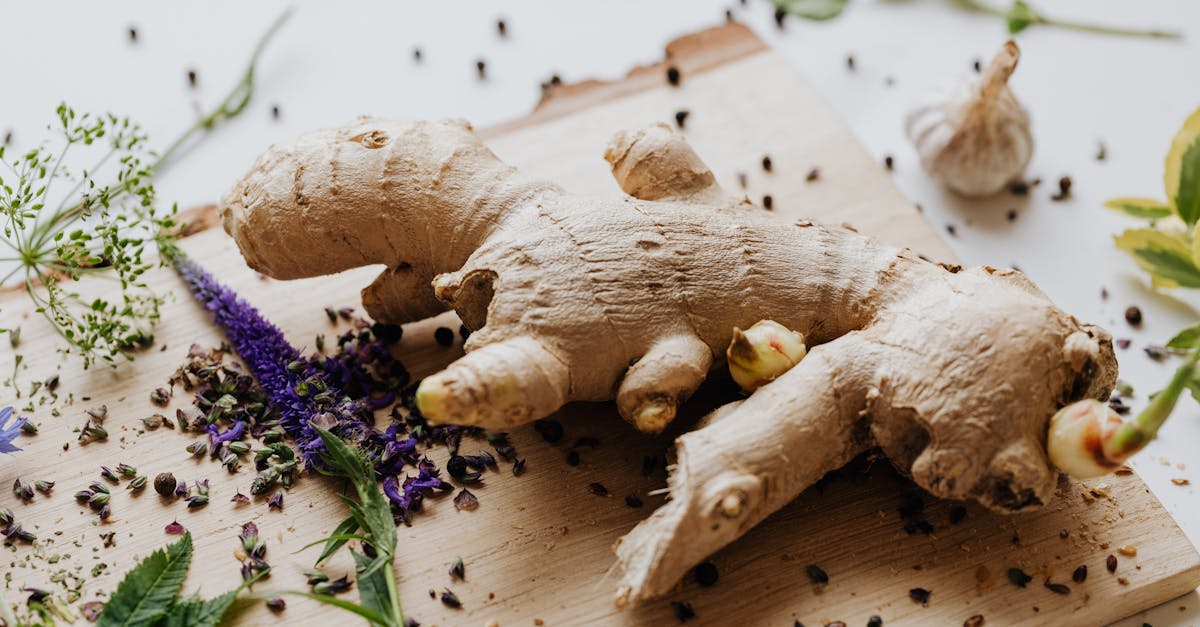
Ashwagandha for Weight Loss: Benefits, Dosage, and What the Research Actually Shows
If you've searched for natural support for weight management, ashwagandha has almost certainly appeared on your radar. It's one of the most well-researched adaptogens in modern integrative medicine, but it's also one of the most misrepresented. Social media posts often frame it as a fat-burner — which it isn't, at least not in any direct thermogenic sense. What it is, however, is a genuinely evidence-backed tool for addressing one of the most underappreciated drivers of weight gain and metabolic dysfunction: chronic psychological and physiological stress.
This article cuts through the marketing noise and walks you through exactly what the clinical research shows about ashwagandha and weight loss, the dosages that matter, and how it fits into a broader, data-driven supplement protocol.
---
How Stress and Cortisol Drive Weight Gain
Before evaluating ashwagandha's role in weight management, it helps to understand the cortisol-weight connection. Cortisol is your body's primary stress hormone, released by the adrenal glands in response to perceived threats. In short bursts, it's adaptive. Chronically elevated, it becomes metabolically destructive.
High cortisol does several things that directly promote weight gain:
- Increases visceral fat deposition, particularly around the abdomen, by upregulating lipoprotein lipase activity in fat cells (NIH National Institute of Diabetes and Digestive and Kidney Diseases)
- Drives appetite and cravings for high-calorie, high-carbohydrate foods through interactions with ghrelin and neuropeptide Y
- Promotes insulin resistance by opposing insulin signaling in peripheral tissues, elevating blood glucose and triglycerides
- Disrupts sleep quality, which independently impairs leptin and ghrelin balance, increasing hunger and reducing satiety signals
This cascade is why chronically stressed individuals — even those eating carefully — often struggle to lose weight or find themselves in a frustrating plateau. Ashwagandha's primary mechanism of action targets this exact loop.
---
Does Ashwagandha Help With Weight Loss? What Clinical Trials Show
The honest answer: yes, but conditionally. Ashwagandha doesn't suppress appetite pharmacologically or raise metabolic rate like stimulants. Its benefit in the context of weight management is mediated primarily through cortisol reduction, stress-related eating behavior, and secondarily through effects on muscle preservation and thyroid function.
The Landmark Cortisol and Body Weight Trial
A double-blind, randomized, placebo-controlled trial by Choudhary et al. (2017) in Medicine examined 52 chronically stressed adults given either 300 mg of KSM-66 ashwagandha root extract twice daily (600 mg/day total) or placebo for 8 weeks. The ashwagandha group showed:
- A 22.2% reduction in serum cortisol compared to baseline (PMID: 28829649)
- Significant reductions in perceived stress scores (PSS) and food cravings
- A statistically significant reduction in body weight (average ~3% reduction vs. placebo)
- Improvements in body mass index and waist circumference
This trial is significant because it links cortisol normalization directly to measurable shifts in body weight and eating behavior in a stressed population — precisely the profile of many people seeking weight loss support.
KSM-66 and Body Composition
A separate 8-week randomized controlled trial by Wankhede et al. (2015) in the Journal of the International Society of Sports Nutrition studied 57 male subjects undertaking resistance training. The KSM-66 group (300 mg twice daily) demonstrated significantly greater gains in muscle mass and greater reductions in body fat percentage compared to placebo — with testosterone and cortisol both moving in favorable directions (PMID: 26609282).
While this was a resistance-training population, the finding is meaningful: ashwagandha appears to support lean body composition not by burning fat directly, but by preserving and promoting muscle mass (which raises basal metabolic rate) and by attenuating exercise-induced cortisol spikes that can otherwise blunt recovery and promote fat storage.
Thyroid Support as a Secondary Mechanism
A lesser-discussed pathway involves thyroid function. Ashwagandha has demonstrated the ability to stimulate thyroid hormone synthesis. A randomized, double-blind, placebo-controlled study in the Journal of Alternative and Complementary Medicine (Sharma et al., 2018) found that 600 mg/day of ashwagandha root extract over 8 weeks significantly improved serum T3 and T4 levels in adults with subclinical hypothyroidism (PMID: 29942054). Since thyroid hormones are central regulators of basal metabolic rate, even subclinical improvements in thyroid function can have meaningful effects on energy expenditure and weight regulation.
For those exploring the clinical evidence for ashwagandha, clinical evidence for ashwagandha in a broader context — including cognitive and hormonal effects — reinforces that its benefits are dose-dependent and standardized-extract-specific.
---
Does Ashwagandha Help With Weight Loss in Women Specifically?
Anecdotally and in preliminary research, women — particularly those dealing with HPA axis dysregulation, perimenopausal hormonal shifts, or thyroid imbalance — may be especially responsive to ashwagandha's effects. The cortisol-lowering and thyroid-supportive pathways are particularly relevant, as both issues disproportionately affect women in their 30s through 50s.
It's worth noting that ashwagandha should not be used during pregnancy due to potential uterotonic effects. Always consult a healthcare provider before starting any adaptogen protocol.
---
Dosage: What You Need to Hit the Clinical Threshold
One of the most common reasons people don't experience benefits from ashwagandha is underdosing or using poorly standardized extracts. Here's what the research-backed dosing picture looks like:
| Form | Clinical Dose | Key Active Compounds | Evidence Quality |
|---|---|---|---|
| KSM-66 (root extract) | 300–600 mg/day | ≥5% withanolides | Highest — multiple RCTs |
| Sensoril (root + leaf) | 125–250 mg/day | ≥10% withanolides | Strong — multiple RCTs |
| Generic ashwagandha powder | 3–6 g/day | Variable | Inconsistent |
For weight and stress-related outcomes, the 600 mg/day KSM-66 dose (the specific extract used in most major trials) represents the clinical sweet spot. Below 300 mg/day, evidence for cortisol reduction becomes sparse. Single-dose timing matters less than consistency; most trials split the dose as 300 mg AM and 300 mg PM.
---
What This Means for Your Formula: How Ones Addresses This
At Ones, ashwagandha is one of the most commonly included ingredients in personalized formulas — and with good reason. The platform's AI health practitioner analyzes your stress markers, wearable sleep data, cortisol-related symptom patterns, and health history to determine whether ashwagandha belongs in your protocol and at what dose.
When included, Ones uses KSM-66 ashwagandha at 600 mg — the exact standardized extract and dose used in the Choudhary et al. (2017) cortisol-weight trial. This is not a fillerized, generic powder formulation. The specificity matters enormously, because the withanolide content of KSM-66 (≥5%) is what drives the cortisol-lowering and adaptogenic effects documented in the literature.
For individuals showing elevated stress scores, disrupted sleep, or signs of HPA axis dysregulation, Ones may also pair ashwagandha with its Adrenal Support System Blend — a proprietary formula designed to address the full adrenal stress response — as well as Rhodiola Rosea, another evidence-backed adaptogen with complementary mechanisms. Rhodiola has demonstrated reductions in stress-induced fatigue and cortisol in clinical trials, and stacking adaptogens with non-overlapping pathways can produce additive effects on HPA axis regulation.
If thyroid support is part of the picture — particularly in women with subclinical hypothyroid markers in their bloodwork — the formula may also include Ones' Thyroid Support System Blend, calibrated to lab values rather than generic recommendations. Because Ones formulas come in 6, 9, or 12-capsule daily plans, ingredients are prioritized by your actual data — you're never paying for ingredients your biomarkers don't justify.
For those also optimizing sleep, which is a critical pillar of metabolic health, understanding optimal magnesium glycinate dosage is relevant — Ones includes Magnesium Glycinate from its Magnesium Complex when sleep disruption is flagged, since sleep restoration itself significantly improves leptin and ghrelin signaling that affects body weight.
---
Does Ashwagandha Interact With Other Metabolic Supplements?
Ashwagandha is generally well-tolerated and has a favorable interaction profile. A few considerations worth noting for those building out a complete metabolic stack:
- With thyroid medications (levothyroxine): Because ashwagandha can elevate T3/T4, those on thyroid medication should monitor levels and consult their prescriber
- With sedatives or anxiolytics: Ashwagandha's GABAergic modulation may potentiate sedative effects
- With immunosuppressants: Its immune-modulating properties may theoretically interfere — relevant for autoimmune patients
- With other adaptogens (Rhodiola, Panax ginseng): Generally compatible and potentially synergistic; no significant adverse interactions documented
For a broader stress and cortisol supplement stack guide, understanding the sequencing and layering of adaptogens is important for those dealing with HPA axis dysregulation.
---
Secondary Ingredients Worth Knowing: What Research Shows About Related Supplements
Because many people searching for ashwagandha's metabolic effects are also researching complementary options, it's worth briefly covering a few frequently compared ingredients:
Lemon Balm for Weight Loss
Lemon balm (Melissa officinalis) is an herb with mild GABAergic activity that is sometimes discussed in the context of stress-related weight gain. Like ashwagandha, its potential metabolic relevance runs through the stress-eating pathway rather than direct fat metabolism. A randomized crossover trial by Kennedy et al. (2014) in Nutrients found that lemon balm extract reduced stress and improved mood acutely, but direct body weight or composition outcomes have not been demonstrated in rigorous trials (PMID: 25019445). Lemon balm may have a supporting role in stress management but should not be positioned as a weight loss supplement based on current evidence.
Does Creatine Help With Weight Loss?
Creatine monohydrate is best established for its role in increasing phosphocreatine stores, improving high-intensity exercise performance, and supporting lean muscle mass accrual. Some users report weight gain on creatine due to water retention in muscle tissue. However, the indirect effect — more muscle mass driving a higher resting metabolic rate — can support long-term body composition goals. A 2022 meta-analysis in the Journal of Cachexia, Sarcopenia and Muscle confirmed creatine's role in augmenting lean mass when combined with resistance training (doi.org/10.1002/jcsm.12771). Creatine is not a fat loss agent per se, but it supports the lean body composition architecture that makes sustained fat loss more achievable.
Does Probiotics Help With Weight Loss?
The gut microbiome's role in metabolic health is increasingly documented. Certain Lactobacillus and Bifidobacterium strains have been associated with modest reductions in body weight and visceral fat. A meta-analysis by Borgeraas et al. (2018) in Obesity Reviews analyzed 15 RCTs and found that probiotic supplementation produced statistically significant but modest reductions in BMI and body fat percentage, particularly in overweight individuals (PMID: 29047260). Effects are strain- and dose-specific, and probiotics are best understood as a supporting element of metabolic health rather than a standalone weight loss intervention. For those looking at a broader personalized metabolic stack, omega-3 EPA DHA ratio guide and gut support are often layered together in Ones formulas when data warrants both.
---
How Ones Compares to Generic Supplement Platforms
When it comes to ashwagandha specifically, the gap between generic and personalized approaches is meaningful:
| Feature | Generic Supplement Brand | Ritual | Thorne | Ones |
|---|---|---|---|---|
| Ashwagandha extract type | Varies (often unspecified) | Not included | KSM-66 available | KSM-66 (standardized) |
| Dose calibrated to individual | No | No | No | Yes — via lab + wearable data |
| Paired with complementary adaptogens | No | No | Rarely | Yes — AI-matched stack |
| Thyroid/adrenal system blends | No | No | No | Yes — proprietary system blends |
| Blood work integration | No | No | Partial | Full AI analysis |
Viome focuses on gut microbiome testing and makes dietary/supplement recommendations from that lens — useful, but limited in its hormonal and HPA-axis coverage. Function Health offers extensive lab testing but does not build custom capsule formulas. Ones bridges both: lab analysis and a personalized capsule protocol built from that data.
---
Key Takeaways
- Ashwagandha supports weight management primarily through cortisol reduction, not direct fat burning — making it most effective for stress-related weight gain and metabolic disruption
- The clinical dose is 600 mg/day of KSM-66, the standardized extract used in the Choudhary 2017 and Wankhede 2015 RCTs — generic powders at lower doses are unlikely to replicate these results
- Secondary mechanisms include thyroid hormone optimization and muscle mass preservation, both of which contribute to favorable long-term body composition
- Lemon balm, creatine, and probiotics each have distinct roles in metabolic health, but none replace the cortisol-targeting mechanism that makes ashwagandha uniquely relevant for stress-driven weight gain
- Dosing precision and extract standardization matter enormously — look for ≥5% withanolides and clinical-range dosing, as Ones provides with KSM-66 at 600 mg
- Consult a healthcare provider before starting ashwagandha if you are pregnant, on thyroid medication, or taking immunosuppressants