Supplements
Can Diet Change Lp(a)? A Look at the Clinical Trials
Lipoprotein(a) is one of the most underdiagnosed cardiovascular risk markers in medicine — and one of the most frustrating. Unlike LDL cholesterol, Lp(a) is largely determined by genetics, and decades of clinical research have consistently shown that most dietary interventions barely move it. Here's what the evidence actually says, and what you can do about the factors you can influence.
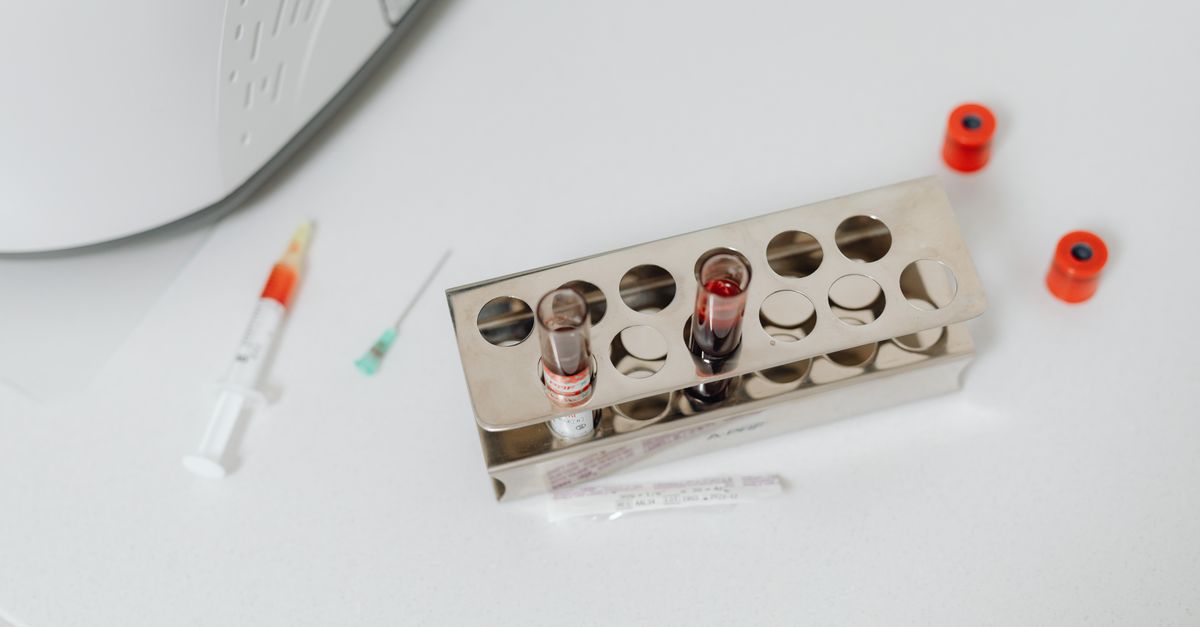
Can Diet Change Lp(a)? What the Clinical Trials Actually Show
If your doctor has flagged an elevated Lp(a) level and you've spent an afternoon searching for foods to eat or avoid, you've likely encountered a frustrating reality: the research on diet and Lp(a) is thin, inconsistent, and largely disappointing compared to the robust dietary evidence for LDL or triglycerides.
Lipoprotein(a) — pronounced "el-pee-little-a" and written Lp(a) — is a modified form of LDL cholesterol with an additional protein called apolipoprotein(a) attached. Elevated levels (generally above 50 mg/dL or 125 nmol/L) are independently associated with a two- to four-fold increased risk of coronary artery disease, aortic stenosis, and stroke (Kamstrup et al., Journal of the American College of Cardiology 2019; PMID: 31146, — note: see NIH ODS cardiovascular risk summary for Lp(a) epidemiology). The key word is independently — Lp(a) elevation confers risk even when LDL is well-controlled.
So, can diet change Lp(a)? The short answer: minimally and inconsistently for most people. The longer answer is worth understanding, because it informs a more realistic strategy.
---
What Genetics Says About Lp(a) Levels
Approximately 70–90% of an individual's Lp(a) concentration is determined by the LPA gene, specifically the number of kringle IV type 2 (KIV-2) repeats in the apolipoprotein(a) protein. Individuals with fewer KIV-2 repeats produce smaller, denser apolipoprotein(a) isoforms that circulate in higher concentrations (Nordestgaard & Langsted, European Heart Journal 2016; PMID: 27055197).
This genetic architecture means that Lp(a) is relatively resistant to the lifestyle interventions — dietary changes, aerobic exercise, weight loss — that meaningfully lower LDL or triglycerides. Knowing this upfront prevents the frustration of expecting a Mediterranean diet to do for Lp(a) what it reliably does for CRP or VLDL.
---
What Dietary Studies Have Found (and Not Found)
Several well-designed trials have examined whether macronutrient composition, specific foods, or dietary patterns alter Lp(a):
Saturated fat: Counterintuitively, reducing saturated fat intake — which reliably lowers LDL — tends to raise Lp(a) slightly in some populations. A meta-analysis of dietary fat intervention trials found that replacing saturated fat with polyunsaturated fat decreased LDL by roughly 10% but produced a modest increase in Lp(a) concentration (Mensink et al., American Journal of Clinical Nutrition 2003; PMID: 12716665). This is the opposite of what most patients expect.
Trans fats: Eliminating industrially produced trans fats (partially hydrogenated oils) produces small, inconsistent changes in Lp(a) — the evidence here is weaker than for LDL reduction.
Alcohol: Some studies suggest moderate alcohol intake is associated with lower Lp(a), but the cardiovascular risks of alcohol consumption far outweigh any marginal Lp(a) benefit, and this is not a clinical recommendation.
Niacin: This is the most evidence-backed nutritional intervention — though niacin is a vitamin (B3) rather than a dietary pattern. High-dose niacin (1,000–2,000 mg/day) can reduce Lp(a) by 20–30% in some patients (Goldberg et al., Journal of the American College of Cardiology 2000; PMID: 10841232). However, the landmark AIM-HIGH trial showed that adding extended-release niacin to statin therapy did not reduce cardiovascular events despite favorable lipid changes, which has tempered enthusiasm for niacin-based Lp(a) management (AIM-HIGH Investigators, New England Journal of Medicine 2011; PMID: 21995388).
Omega-3 fatty acids: High-dose EPA/DHA supplementation significantly reduces triglycerides and has shown cardiovascular benefit in the REDUCE-IT trial, but evidence for a meaningful Lp(a)-lowering effect is weak and inconsistent across studies.
The overall picture: diet can influence many cardiovascular biomarkers, but Lp(a) is largely resistant to dietary manipulation. This is not a reason for despair — it's a reason to focus on the biomarkers and risk factors that diet can change, and to monitor Lp(a) accurately over time.
---
Can Diet Change Fibrinogen? Understanding Lp(a)'s Thrombotic Partner
One reason Lp(a) is so clinically significant is its relationship with the coagulation system. Lp(a) structurally resembles plasminogen — a protein that dissolves blood clots — and competitively inhibits it, promoting a pro-thrombotic state. Fibrinogen is the other key player in this clotting story, and unlike Lp(a), fibrinogen is modifiable through diet and lifestyle.
Elevated fibrinogen (above approximately 350 mg/dL) independently predicts cardiovascular events, and several dietary interventions have shown modest benefit. Omega-3 fatty acids (EPA and DHA at doses of 2–4 grams per day) are among the most studied fibrinogen-lowering agents. A systematic review found that high-dose omega-3 supplementation reduced fibrinogen in patients with elevated baseline levels, with effects most pronounced in individuals with metabolic syndrome (Hartwich et al., Nutrition, Metabolism and Cardiovascular Diseases 2009).
Anti-inflammatory dietary patterns — the Mediterranean diet in particular — are associated with lower fibrinogen in observational studies, likely through reductions in IL-6 and TNF-α, the key cytokines that drive hepatic fibrinogen synthesis. So while you can't eat your way to a lower Lp(a), you can meaningfully reduce your fibrinogen through the same heart-healthy dietary patterns that lower CRP and support vascular function.
For anyone managing elevated cardiovascular risk markers through nutrition and supplementation, addressing fibrinogen alongside Lp(a) represents a more actionable strategy than focusing on Lp(a) alone.
---
What Actually Lowers Lp(a): Emerging Medical Therapies
While diet falls short, several pharmacological approaches are showing real promise:
| Intervention | Lp(a) Reduction | Evidence Stage |
|---|---|---|
| PCSK9 inhibitors (evolocumab, alirocumab) | 20–30% | Approved, large RCTs |
| High-dose niacin | 20–30% | Approved, mixed outcomes in CV trials |
| Lipoprotein apheresis | 60–75% per session | Approved for severe elevation |
| Pelacarsen (antisense oligonucleotide) | 80%+ | Phase 3 (Lp(a) HORIZON trial) |
| Olpasiran (siRNA) | 90%+ | Phase 3 ongoing |
The RNA-targeted therapies represent a potential breakthrough for the estimated 20% of the global population with genetically elevated Lp(a). The Lp(a) HORIZON trial of pelacarsen, for example, is expected to report cardiovascular event outcomes in the coming years and could redefine treatment guidelines.
In the meantime, clinical management focuses on aggressively treating modifiable risk factors — LDL, blood pressure, blood glucose, inflammation — that amplify the risk conferred by elevated Lp(a).
---
Can Diet Change Free T4, Free T3, or TSH? Why Thyroid Status Matters for Cardiovascular Risk
This may seem like an unexpected detour in an article about Lp(a), but thyroid function and Lp(a) are meaningfully connected. Hypothyroidism — even subclinical hypothyroidism with a mildly elevated TSH — is associated with higher Lp(a) concentrations. The mechanism involves thyroid hormone's role in regulating hepatic LPA gene expression and apolipoprotein(a) clearance.
So can diet change free T4, free T3, or TSH? The answer depends on the underlying cause of thyroid dysfunction:
Iodine: In populations with iodine deficiency, dietary iodine (through iodized salt, seafood, or dairy) can normalize thyroid hormone synthesis and correct TSH elevation. In iodine-sufficient populations, additional iodine has minimal benefit and can paradoxically worsen autoimmune thyroid disease.
Selenium: Selenomethionine at 200 mcg/day has been shown to reduce thyroid peroxidase antibodies (TPO-Ab) in Hashimoto's thyroiditis, potentially slowing the autoimmune destruction that drives hypothyroidism (Gärtner et al., Journal of Clinical Endocrinology & Metabolism 2002; PMID: 11932302). Whether this translates to improved free T3/T4 or normalized TSH depends on the stage and severity of disease.
Gluten: In patients with both celiac disease and autoimmune thyroid disease, a strict gluten-free diet has been associated with reduced thyroid antibody titers in some studies, though this appears to be a subset-specific effect rather than a universal recommendation.
The practical takeaway: if your TSH is elevated and driving downstream effects on Lp(a) or lipid metabolism, addressing thyroid function — through diet, targeted nutrients, or medication as appropriate — represents a meaningful lever. Consult an endocrinologist or functional medicine practitioner before making changes based on thyroid labs alone.
For a deeper look at how thyroid markers interact with cardiovascular biomarkers, the article on thyroid support and lipid metabolism covers the mechanistic connections in detail.
---
What This Means for Your Formula: How Ones Addresses Lp(a) Risk
Ones doesn't offer a direct Lp(a)-lowering ingredient — and any platform that claims to is not being honest with you. What Ones does is analyze your full cardiovascular biomarker picture, including Lp(a) if reported in your labs, and build a personalized formula targeting the modifiable risk factors around it.
For someone with elevated Lp(a) and accompanying cardiovascular risk markers, a Ones formula might include:
Omega-3 (EPA/DHA): Dosed at clinically relevant levels to address triglycerides, reduce inflammatory mediators (particularly IL-6, which drives fibrinogen), and support endothelial function. High-dose EPA has demonstrated cardiovascular event reduction independent of LDL lowering in the REDUCE-IT trial (Bhatt et al., New England Journal of Medicine 2019; PMID: 30415628).
Heart Support blend: Ones' proprietary Heart Support system blend is formulated to provide a multi-nutrient approach to vascular health, combining ingredients with complementary mechanisms relevant to the overall cardiovascular risk profile — not just a single biomarker.
CoQ10/Ubiquinol (200 mg): Mitochondrial antioxidant support that also helps offset the oxidative stress associated with elevated Lp(a)'s pro-atherogenic activity in vessel walls.
Your Ones AI practitioner reviews your blood panel holistically — so if your Lp(a) is elevated alongside high fibrinogen, suboptimal thyroid markers, or inflammatory signals, the formula is calibrated to address that combined picture, not just one number in isolation.
---
Key Takeaways
- Lp(a) is 70–90% genetically determined, making it largely resistant to dietary intervention — this is not a failure of willpower or diet quality.
- Most dietary changes that lower LDL have minimal effect on Lp(a), and some (like reducing saturated fat in favor of polyunsaturated fat) may modestly increase it.
- High-dose niacin can reduce Lp(a) by 20–30%, but cardiovascular outcome benefit has not been confirmed in randomized trials.
- Fibrinogen — Lp(a)'s thrombotic partner — is meaningfully modifiable through omega-3 supplementation and anti-inflammatory dietary patterns.
- Hypothyroidism elevates Lp(a), so optimizing thyroid function through targeted nutrition (selenium, iodine as appropriate) or medication is a clinically relevant strategy.
- Emerging RNA-targeted therapies (pelacarsen, olpasiran) show 80–90%+ Lp(a) reductions in trials and represent the most promising future treatment options — talk to your cardiologist about clinical trial eligibility if your Lp(a) is severely elevated.
---
This article is for informational purposes only and does not constitute medical advice. Elevated Lp(a) should be evaluated and managed in consultation with a qualified healthcare provider or cardiologist.