Stress & Adrenal
Can Exercise Lower Cortisol?
Chronic high cortisol is linked to weight gain, poor sleep, and burnout — and many people turn to exercise hoping to fix it. But the wrong kind of workout can spike cortisol further. Understanding the dose-response relationship between exercise and cortisol is the key to actually using movement as a stress tool.
Can Exercise Lower Cortisol?
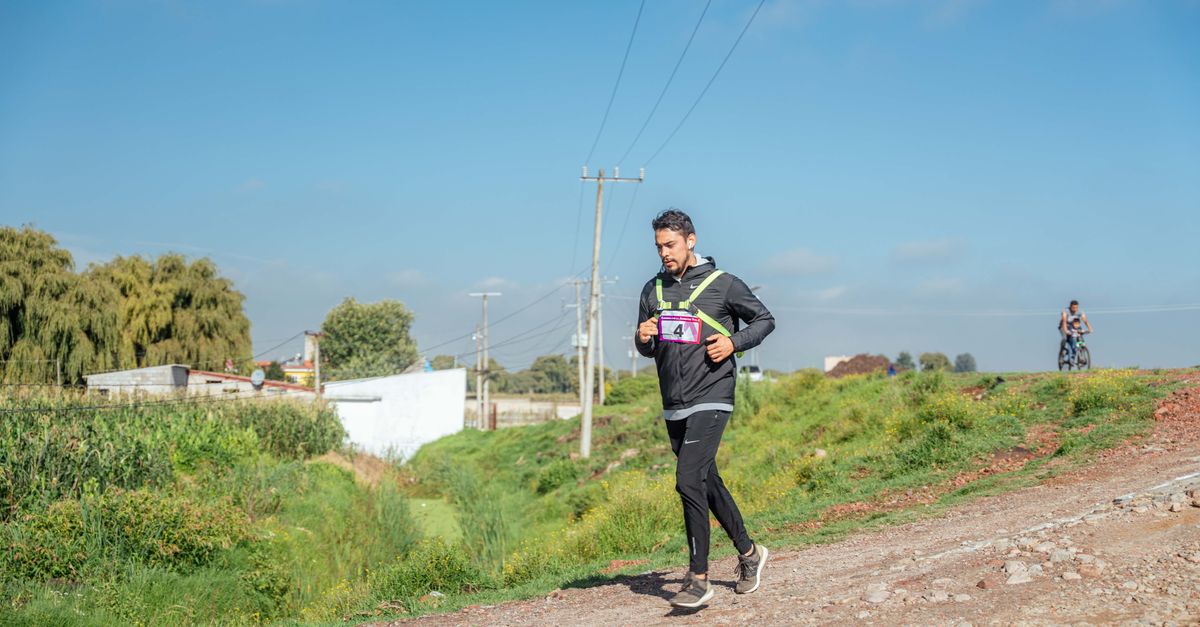
Yes — but it depends entirely on the type, duration, and intensity of exercise you choose. Moderate aerobic exercise (think brisk walking or a 30-minute jog) consistently lowers baseline cortisol in people with elevated levels. The main caveat: high-intensity or very long training sessions can temporarily spike cortisol higher than rest. The exception is elite athletes with well-adapted HPA axes, who show blunted cortisol responses even to hard effort.
Why Cortisol Isn't Simply the Enemy
Cortisol is a glucocorticoid hormone secreted by the adrenal cortex in response to stress signals from the hypothalamic-pituitary-adrenal (HPA) axis. In short bursts, it is essential — it mobilizes glucose, sharpens focus, and suppresses inflammation acutely. The problem arises when it stays chronically elevated. Sustained high cortisol is associated with visceral fat accumulation, insulin resistance, immune suppression, poor sleep architecture, and cognitive decline (Tsigos & Chrousos, Metabolism 2002; PMID: 11726098).
Baseline cortisol follows a diurnal rhythm: it peaks roughly 20–30 minutes after waking (the cortisol awakening response, or CAR) and gradually declines across the day. When this pattern is flattened or inverted — high at night, low in the morning — it is a reliable marker of HPA dysregulation and burnout. If you are tracking your own levels, resources like What Lab Tests Should You Get for High Blood Pressure? show how systemic stress markers interconnect with cardiovascular risk panels.
How Exercise Affects Cortisol: The Dose-Response Curve
The relationship between exercise and cortisol is not linear — it follows an inverted-U curve depending on intensity and duration:
| Exercise Type | Cortisol Acute Response | Chronic Baseline Effect |
|---|---|---|
| Light walking (< 40% VO2max) | Minimal increase | Slight reduction |
| Moderate aerobic (40–70% VO2max, ≤ 60 min) | Modest increase, rapid return to baseline | Meaningful reduction |
| High-intensity intervals (HIIT), short | Moderate spike | Reduction with recovery |
| Prolonged endurance (> 90 min) | Large, sustained spike | May elevate baseline if under-recovered |
| Resistance training (moderate load) | Transient spike | Reduction in resting cortisol over weeks |
A landmark trial by Skoluda et al. (Psychoneuroendocrinology 2012; PMID: 22281056) measured long-term cortisol via hair samples (a 3-month integrator of systemic exposure) in 304 adults. Those who exercised at moderate intensity had significantly lower hair cortisol concentrations than sedentary controls or those who trained at very high volumes.
A separate meta-analysis of 29 controlled trials (Jackson et al., 2017) found that structured aerobic exercise programs of 8 weeks or more reliably reduced salivary cortisol AUC (area under the curve across the day) by an average of 14–26% in adults reporting chronic stress — with the strongest effects seen in those who started with the highest baseline levels (Jackson et al., Psychoneuroendocrinology 2017; PMID: 27997814).
Resistance training also shows benefit. A 12-week progressive resistance program in overweight adults reduced resting cortisol by approximately 20% compared to a waitlist control, alongside improvements in DHEA-S ratio — a key marker of adrenal reserve (Häkkinen et al., European Journal of Applied Physiology 2000; PMID: 10785469).
Lab Tests for Exercise Recovery
If you are using exercise to manage cortisol, tracking the right biomarkers tells you whether the strategy is working — or whether you are digging yourself into overtraining. The following panel is worth discussing with your doctor:
- Salivary cortisol (4-point diurnal) — measures morning, noon, afternoon, and evening cortisol. The pattern matters more than any single reading.
- DHEA-S (dehydroepiandrosterone sulfate) — the cortisol-to-DHEA-S ratio reflects adrenal resilience. Low DHEA-S with high cortisol signals depletion.
- hsCRP (high-sensitivity C-reactive protein) — exercise should reduce systemic inflammation over time; rising CRP in an active person flags overtraining or poor recovery.
- Fasting glucose and insulin — cortisol drives gluconeogenesis; chronically high cortisol keeps glucose elevated even with consistent exercise.
- Thyroid panel (TSH, free T3, free T4) — HPA and HPT axes are tightly coupled. Elevated cortisol suppresses T3 conversion, and thyroid dysfunction amplifies cortisol sensitivity.
- Ferritin and full iron panel — low ferritin impairs mitochondrial function and exercise capacity, indirectly sustaining a stress response.
For a deeper look at how gut and immune biomarkers interact with training stress, Lab Tests for Leaky Gut: What to Ask Your Doctor covers intestinal permeability markers that frequently elevate during overtraining.
Exercise Recovery and Nutrient Deficiencies
Even a perfectly dosed exercise program will fail to lower cortisol if the underlying nutritional substrate is depleted. Exercise itself consumes micronutrients, and when training volume is high without nutritional support, the HPA axis remains under load.
Key deficiencies that sustain elevated cortisol despite regular exercise:
- Magnesium — required for HPA axis downregulation and cortisol receptor sensitivity. Approximately 48% of Americans consume below the estimated average requirement (National Institutes of Health Office of Dietary Supplements). Depletion is accelerated by sweat losses during exercise. Low magnesium predicts higher nocturnal cortisol (Boyle et al., Nutrients 2017; PMID: 28445426).
- Vitamin C — the adrenal glands are the highest-concentration store of ascorbate in the body. Cortisol synthesis consumes vitamin C, and supplementation at 1,500 mg/day has been shown to blunt post-exercise cortisol spikes in endurance athletes (Peters et al., International Journal of Sports Medicine 2001; PMID: 11584300).
- B vitamins (B5, B6, B12) — pantothenic acid (B5) is a cofactor in adrenal steroidogenesis. B6 modulates cortisol-binding proteins and serotonin synthesis, both relevant to stress resilience.
- Zinc — zinc deficiency upregulates CRH signaling in the hypothalamus, keeping the HPA axis primed for cortisol release.
- Omega-3 fatty acids (EPA/DHA) — EPA reduces the HPA response to psychological stressors, partly through its anti-inflammatory action on cytokine signaling that drives CRH release.
For a full breakdown of how these gaps show up on bloodwork, How to Lower Cortisol Naturally covers dietary and lifestyle protocols alongside common lab findings.
Vitamins for Exercise Recovery
Beyond correcting deficiencies, certain micronutrients actively accelerate recovery and help cortisol normalize faster after hard sessions:
Ashwagandha (KSM-66): The most evidence-backed adaptogen for HPA modulation. In a double-blind RCT of 64 adults under chronic stress, 300 mg KSM-66 twice daily for 60 days reduced serum cortisol by 27.9% versus 7.9% in placebo (Chandrasekhar et al., Indian Journal of Psychological Medicine 2012; PMID: 23439798). Effect is specific to KSM-66 — not all ashwagandha extracts have matching evidence.
Rhodiola Rosea: Classified as an adaptogen, it reduces exercise-induced cortisol through inhibition of cortisol-sensitive enzymes (11β-HSD1). Studies show it reduces perceived exertion and limits post-exercise cortisol overshoot at 200–400 mg/day of a 3% rosavins extract.
Magnesium Glycinate: The glycinate chelate has the highest oral bioavailability of common magnesium forms and crosses the blood-brain barrier to modulate limbic system cortisol signaling — unlike magnesium oxide, which primarily acts in the gut.
Vitamin D3 + K2 (MK-7): VDR (vitamin D receptor) sites are expressed throughout the HPA axis, and deficiency correlates with impaired cortisol clearance. The MK-7 form of K2 ensures that calcium mobilized by D3 is directed to bone rather than soft tissue.
Omega-3 (EPA/DHA): At 2–4 g/day combined EPA+DHA, omega-3s consistently reduce salivary cortisol AUC in stressed populations and improve heart rate variability — an indirect marker of HPA downregulation.
For broader context on how nutrients and cardiovascular stress markers interact, see Can Exercise Lower Total Cholesterol? and Can Exercise Lower Triglycerides? — both explore how training protocols interact with systemic inflammation.
Natural Remedies for Exercise Recovery
Beyond supplementation, several behavioral and lifestyle interventions have direct evidence for lowering cortisol in the context of training:
Sleep prioritization: Cortisol and sleep share a bidirectional relationship. A single night of sleep restriction to 4 hours increases next-day cortisol AUC by approximately 45% (Leproult et al., Sleep 1997; PMID: 9185552). For athletes managing training load, protecting sleep is arguably more effective than any supplement.
Post-workout cold water immersion (CWI): When used strategically (not after every session), CWI at 10–15°C for 10–15 minutes accelerates cortisol clearance and reduces muscle damage markers — but daily use blunts hypertrophic adaptation, so it is best reserved for competition phases.
Breathing-based downregulation: Slow diaphragmatic breathing at 5–6 breaths per minute activates the vagus nerve and shifts ANS balance toward parasympathetic tone, directly lowering HPA output. Even 10 minutes post-training produces measurable reductions in salivary cortisol.
Training timing: Exercising in the late morning to early afternoon (10 a.m.–1 p.m.) aligns with the natural cortisol decline curve and blunts the absolute post-exercise spike compared to evening training, which can suppress melatonin and delay sleep-phase cortisol clearance.
Active recovery days: Low-intensity movement (yoga, walking, light swimming) on rest days maintains parasympathetic tone and prevents cortisol from rebounding — a common phenomenon when athletes go from high-load days to complete rest.
What This Means for Your Formula
Personalizing cortisol-lowering strategies requires knowing where your levels are and what is driving them. Ones analyzes your blood work and health history through its AI health practitioner layer, then builds a custom capsule formula calibrated to your findings — not a generic stress-support stack.
For someone presenting with elevated cortisol, blunted DHEA-S, and training-related fatigue, Ones may include:
- KSM-66 Ashwagandha at 600 mg/day — matching the dose used in the Chandrasekhar 2012 RCT that demonstrated a 27.9% cortisol reduction over 60 days.
- Adrenal Support System Blend — Ones' proprietary blend formulated to support HPA axis resilience, combining adaptogenic and adrenocortical-supporting compounds calibrated to your load.
- Omega-3 (EPA/DHA) — dosed in the clinical range of 2–4 g combined EPA+DHA, addressing the inflammatory signaling that keeps CRH elevated between training sessions.
- Rhodiola Rosea — included at 200–400 mg standardized to 3% rosavins for individuals showing signs of overtraining-related HPA dysregulation.
The formula is built to your capsule budget — either a 6- or 9-capsule daily plan — with every ingredient slot weighted by your actual lab findings and self-reported symptoms. No guesswork, no generic adaptogens thrown at the problem.
Key Takeaways
- Moderate aerobic and resistance exercise consistently lower baseline cortisol over 8–12 weeks — but high-volume or high-intensity training without adequate recovery can push levels higher.
- The cortisol-lowering effect of exercise is strongest in people who start with elevated baseline levels; at normal cortisol status, the effect is modest.
- Lab tracking — especially a 4-point salivary cortisol curve, DHEA-S, ferritin, and hsCRP — tells you whether your training is helping or adding to your HPA load.
- Micronutrient deficiencies (especially magnesium, vitamin C, and omega-3s) blunt the cortisol-lowering response to exercise and must be addressed alongside training protocol.
- Ashwagandha KSM-66 at 600 mg/day is the most evidence-backed supplement for reducing cortisol in the context of chronic stress, with a 27.9% reduction demonstrated in RCT conditions.
- Sleep, breathing-based downregulation, and strategic training timing are non-negotiable recovery tools — no supplement closes the gap left by chronic sleep restriction.