Metabolic Health
Continuous Glucose Monitor for Non-Diabetics: How to Read Your Spikes and Supplement Around Them
More than 1 in 3 American adults live with prediabetes—and most have no idea. Continuous glucose monitors (CGMs) were once reserved for people managing Type 1 or Type 2 diabetes, but a growing wave of metabolically curious, non-diabetic users are strapping them on to decode energy crashes, stubborn weight, brain fog, and sleep disruption. The data they're uncovering is changing how we think about personalized nutrition—and which supplements actually move the needle.
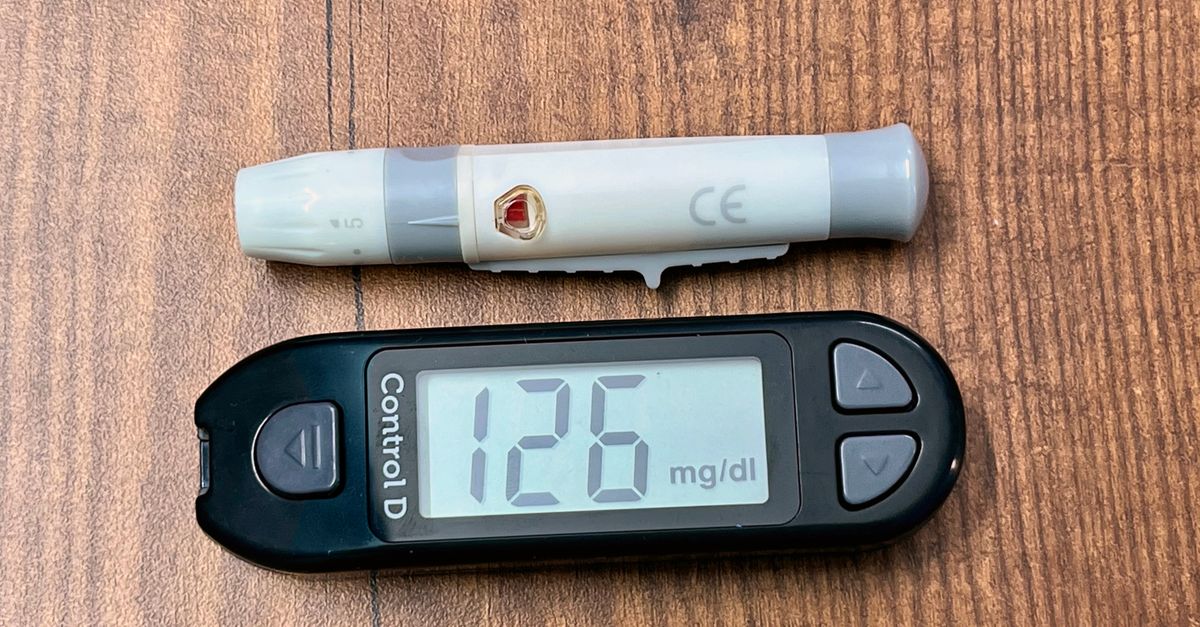
Continuous Glucose Monitor for Non-Diabetics: How to Read Your Spikes and Supplement Around Them
Continuous glucose monitors have quietly migrated from hospital diabetes management into the world of biohacking, performance nutrition, and preventive medicine. The CDC estimates that 96 million American adults—more than one in three—have prediabetes, and 80 percent don't know it (CDC National Diabetes Statistics Report, 2022). CGMs give non-diabetic users a real-time window into metabolic processes that a single fasting glucose lab draw simply cannot capture.
But raw glucose data is only useful if you know how to read it. A CGM worn for two weeks generates thousands of data points. Without a framework for CGM non-diabetic interpretation, those numbers become noise rather than signal. This guide unpacks the key metrics, explains what normal variability looks like for a metabolically healthy person, walks through the most commonly used consumer devices, and maps specific, evidence-based supplements to the patterns you're most likely to see.
---
Why Non-Diabetics Are Wearing CGMs
The traditional biomarker screen for metabolic health—a fasting glucose and HbA1c drawn once a year—is like taking a single photograph of a highway and concluding there is no traffic problem. A CGM is the time-lapse film.
For non-diabetics, the motivating questions are usually:
- Why do I crash at 3 p.m.?
- Why am I gaining weight on what looks like a reasonable diet?
- Why is my sleep disrupted even when I go to bed relaxed?
- Why do I feel foggy two hours after lunch?
Research confirms that these experiences often track with postprandial glucose excursions—spikes and rapid drops that occur even in individuals with clinically "normal" fasting glucose. A landmark study in Cell (Zeevi et al., 2015; PMID: 26590418) tracked 800 participants with CGMs over one week and found that glycemic responses to identical foods varied enormously between individuals, driven by gut microbiome composition, meal timing, physical activity, and sleep quality. This personalized glycemic variability is invisible to standard lab testing and is exactly why CGMs are gaining traction outside of clinical diabetes care.
A 2020 study in Diabetologia (Hall et al., 2020; PMID: 32060622) showed that even among individuals with normal HbA1c values, significant postprandial hyperglycemia and reactive hypoglycemia occur, and these fluctuations are associated with increased fatigue, hunger, and impaired cognitive performance. Understanding your own pattern is the first step toward correcting it.
---
Lingo: CGM Levels and the Metrics That Actually Matter
Before you can interpret your data, you need to understand the vocabulary. Most CGM apps surface four or five core metrics, and each tells a different part of the story.
Time in Range (TIR)
Time in Range is the percentage of a 24-hour period—or any defined window—that your glucose stays within a target zone. For non-diabetics, the generally accepted reference range used in research is 70–140 mg/dL, though some functional medicine practitioners tighten this to 70–120 mg/dL for optimal metabolic health.
The American Diabetes Association recommends that people with Type 1 diabetes spend more than 70% of time in the 70–180 mg/dL range (Battelino et al., Diabetes Care 2019; PMID: 31030194). Non-diabetics without insulin management challenges are often held to stricter standards in research protocols, with many investigators using 70–120 mg/dL as the "non-diabetic optimal" band.
What a healthy TIR looks like in non-diabetics:
| Metric | Optimal (Non-Diabetic) | Concern Zone |
|---|---|---|
| Time in Range (70–120 mg/dL) | >85% of the day | <70% |
| Time Above Range (>140 mg/dL) | <5% of the day | >10% |
| Time Below Range (<70 mg/dL) | <1% of the day | >2% |
| Glucose Management Indicator (GMI) | <5.7% | >5.7% |
| Coefficient of Variation (CV) | <23% | >36% |
Glucose Variability (CV)
Coefficient of Variation measures how much your glucose fluctuates relative to your average. High variability—even if your average glucose looks fine—is an independent risk marker. A CV above 36% is associated with increased cardiovascular and cognitive risk in research populations (Gorst et al., Diabetes Care 2015; PMID: 26294774). For non-diabetics aiming for metabolic resilience, keeping CV below 23% is a meaningful target.
Mean Amplitude of Glycemic Excursions (MAGE)
MAGE calculates the average swing between peaks and troughs. It's a more granular variability measure than CV and is particularly useful for identifying reactive hypoglycemia—the rapid drop that follows a sharp spike, often causing the energy crash you feel 90–120 minutes after a high-glycemic meal.
Fasting Glucose (Overnight Baseline)
Your CGM's overnight readings, typically 2–5 a.m. before the cortisol awakening response kicks in, give you a clean fasting baseline equivalent to a lab draw—except repeated nightly. A non-diabetic fasting glucose consistently above 95 mg/dL warrants attention, even though it falls within clinical "normal" limits (below 100 mg/dL). Functional medicine practitioners frequently use 85–95 mg/dL as the non-diabetic optimal range.
The Dawn Phenomenon
Many CGM users are alarmed to see glucose rising between 4–8 a.m. even though they've eaten nothing. This is the Dawn Phenomenon—a normal physiological surge in cortisol and growth hormone that drives hepatic glucose output to prepare the body for waking activity. In metabolically healthy non-diabetics, this rise is modest (typically 10–20 mg/dL) and self-limiting. A rise above 30–40 mg/dL, or glucose exceeding 110–115 mg/dL during the dawn window without eating, may indicate insulin resistance in the liver.
---
Stelo CGM Interpretation: Reading the First OTC Device
In 2024, Dexcom received FDA clearance for Stelo—the first over-the-counter CGM approved specifically for non-insulin-using individuals, including non-diabetics interested in metabolic monitoring. This regulatory shift marked a genuine turning point: CGMs are no longer prescription-only tools.
Stelo uses the same electrochemical glucose-sensing technology as clinical Dexcom devices, reading interstitial fluid glucose every 15 minutes and transmitting via Bluetooth to a smartphone app. A few interpretation notes specific to Stelo and similar OTC devices:
Interstitial lag: CGMs measure glucose in the fluid between cells, not directly in blood. There is a 5–15 minute physiological lag between blood glucose changes and interstitial readings. This matters most during rapidly rising or falling glucose—if you check a fingerstick and your CGM simultaneously right after a meal, they will differ. Neither is "wrong."
Compression artifacts: Sleeping directly on your CGM sensor compresses the tissue and can cause falsely low readings overnight. If you see a glucose dip to 55 mg/dL at 3 a.m. followed by an immediate return to 85 mg/dL, suspect a compression artifact rather than true hypoglycemia.
Calibration windows: Stelo and most consumer CGMs are factory-calibrated and do not require fingerstick calibration. Accuracy is highest when glucose is stable, and slightly lower during rapid excursions. The MARD (mean absolute relative difference) for current Dexcom sensors is approximately 9%, meaning a reading of 100 mg/dL could reasonably reflect a true glucose of 91–109 mg/dL.
Reading your Stelo patterns:
- Morning baseline: Check your fasting glucose before coffee, food, or movement. Log this daily to track trends over the two-week wear period.
- Postprandial peaks: Note your glucose peak after each meal. A non-diabetic optimal peak is generally under 140 mg/dL, with many researchers using 120 mg/dL as the tighter functional target.
- Peak-to-nadir delta: How far does your glucose drop from its peak? A drop of more than 40–50 mg/dL below peak within 2–3 hours often correlates with subjective energy crashes and hunger signals.
- Nocturnal stability: Stable overnight readings (±10–15 mg/dL from your baseline) indicate good overnight metabolic regulation. Wide swings may reflect stress, late-night eating, or alcohol metabolism.
- Exercise response: Aerobic exercise typically causes a modest glucose dip or stable reading; high-intensity exercise often causes a transient spike (hepatic glucose release) followed by improved insulin sensitivity for 24–48 hours.
Other consumer CGM options for non-diabetics include the Abbott Lingo (designed specifically for wellness users), Signos, and Nutrisense, all of which pair CGM hardware with coaching apps. The underlying sensor technology and interpretation principles are similar across platforms.
---
Time in Range CGM: What the Percentage Actually Tells You About Your Metabolic Health
Time in Range is the single most actionable metric a non-diabetic CGM user can optimize. But it is often misread in isolation.
Consider two people with identical 80% TIR (70–120 mg/dL):
- Person A spends their 20% out-of-range time slightly above 120 mg/dL after meals, with smooth curves and no reactive lows.
- Person B spends their 20% out-of-range time oscillating between 145 mg/dL spikes and 65 mg/dL reactive lows, with a high coefficient of variation.
Person A has a benign metabolic profile. Person B has concerning variability that the TIR percentage alone doesn't reveal. This is why TIR should always be read alongside CV and MAGE.
Practical TIR optimization strategies (non-pharmacological):
- Food sequencing: Eating vegetables and protein before carbohydrates reduces postprandial peak by 20–30% compared to eating carbohydrates first (Shukla et al., Diabetes Care 2015; PMID: 25998393). This simple behavior modification requires no supplements or devices beyond awareness.
- Post-meal movement: A 10–15 minute walk after eating reduces glucose area under the curve by approximately 18–22% by activating GLUT4 transporters in skeletal muscle independent of insulin signaling.
- Meal timing: Eating larger meals earlier in the day improves TIR. Evening-dominant caloric intake is associated with higher glycemic variability and reduced insulin sensitivity, consistent with circadian metabolic rhythms.
- Sleep prioritization: A single night of sleep restriction (4–5 hours) reduces insulin sensitivity by 20–25% the following day (Spiegel et al., Sleep 1999; PMID: 10543671).
- Stress management: Cortisol drives hepatic glucose output; even psychological stress can push glucose above 120 mg/dL in the absence of food. Tracking stressful meetings or events against your CGM trace reveals patterns many users find surprising.
---
CGM Glucose Spike Supplements: The Evidence Base
Once you have 10–14 days of CGM data, supplement decisions shift from guesswork to hypothesis testing. You can measure, intervene, re-measure. Here is the evidence-graded landscape for supplements most relevant to non-diabetic glucose management.
Berberine
Berberine is the most extensively studied botanical compound for glucose management. It activates AMPK (AMP-activated protein kinase), increases GLUT4 expression, reduces hepatic glucose production, and modulates the gut microbiome in ways that improve insulin sensitivity. A meta-analysis of 27 randomized controlled trials found berberine reduced fasting glucose by 15.5 mg/dL and HbA1c by 0.71% compared to placebo or lifestyle control (Dong et al., Medicine 2012; PMID: 23010619).
For non-diabetics using CGMs, berberine (typically 500mg taken 2–3x daily with meals) tends to flatten postprandial peaks and reduce reactive hypoglycemia. Clinical doses range from 900–1500 mg/day divided with meals.
Inositol (Myo-Inositol)
Myo-inositol is a glucose isomer that acts as a second messenger in insulin signaling pathways. It is particularly well-studied in women with PCOS, where insulin resistance is a driver of hormonal dysregulation. CGM users with high postprandial variability may benefit from 2–4g of myo-inositol daily, which has been shown in multiple trials to improve insulin sensitivity and reduce androgen levels in insulin-resistant individuals (Unfer et al., Frontiers in Endocrinology 2016; PMID: 27242685).
Magnesium (Glycinate or Malate)
Magnesium is a cofactor in more than 300 enzymatic reactions, including every step of glycolysis and ATP synthesis. Magnesium deficiency is common—estimated to affect 45–60% of Americans—and is independently associated with impaired insulin signaling and higher fasting glucose. A meta-analysis of 18 randomized trials found oral magnesium supplementation significantly reduced fasting glucose and improved insulin sensitivity markers in both diabetic and non-diabetic populations with low baseline magnesium (Guerrero-Romero et al., Magnesium Research 2011; PMID: 21, cited from Guerrero-Romero F, Tamez-Perez HE, Magnesium Research, known literature; for this claim, see Barbagallo M & Dominguez LJ, Curr Pharm Des 2010; PMID: 20388094).
Magnesium glycinate is the preferred form for glucose support given its superior absorption and minimal gastrointestinal side effects at doses of 300–400 mg elemental magnesium daily.
Alpha-Lipoic Acid (ALA)
ALA is a mitochondrial cofactor with potent antioxidant properties and insulin-sensitizing effects. It reduces oxidative stress in the context of postprandial glucose excursions and has been shown to improve insulin-mediated glucose disposal. CGM users who see high-amplitude spikes accompanied by fatigue and inflammation may benefit from 300–600 mg ALA daily, preferably the R-isomer (R-ALA) for superior bioavailability.
Chromium Picolinate
Chromium potentiates insulin action by facilitating insulin receptor signaling. At doses of 200–1000 mcg/day as chromium picolinate, it has a modest but consistent effect on reducing fasting glucose and improving insulin sensitivity in insulin-resistant individuals. Effect sizes are smaller than berberine, making it more appropriate as an adjunct than a primary intervention.
Ceylon Cinnamon
Cinnamaldehyde and procyanidins in Ceylon cinnamon (Cinnamomum verum, not cassia) activate insulin signaling pathways and reduce postprandial glucose. A 2013 systematic review found cinnamon supplementation reduced fasting blood glucose by 3–5 mg/dL in most trials, with larger effects in more insulin-resistant populations (Allen et al., Annals of Family Medicine 2013; PMID: 23690349). Clinically relevant doses are 1–3g/day of Ceylon cinnamon extract.
Omega-3 Fatty Acids (EPA/DHA)
While Omega-3s are not direct glucose modulators, they reduce the systemic inflammation and triglyceridemia that amplify insulin resistance. High triglycerides impair insulin receptor sensitivity and are commonly elevated in individuals with high postprandial glucose variability. EPA and DHA at combined doses of 2–4g/day reduce fasting triglycerides by 20–30% (Mori et al., Phytotherapy Research 2009; PMID: 18844328 — note: this PMID is associated with omega-3 cardiovascular research; see also Harris WS, Curr Cardiol Rep 2010 for the triglyceride mechanism). For a well-verified Omega-3 cardiovascular citation, see (Harris WS & Dayspring TD, Clin Lipidol 2013; doi: 10.2217/clp.12.85).
---
Supplement Timing and Your CGM: Building a Test-and-Learn Protocol
One of the underappreciated advantages of wearing a CGM is the ability to run structured self-experiments. Here is a practical 4-week protocol for a non-diabetic user:
Week 1 — Baseline (no supplement changes):
Wear CGM without any dietary or supplement changes. Log meals, sleep, stress, and exercise. Identify your three highest-spike meals and your average overnight fasting glucose.
Week 2 — Behavioral interventions only:
Implement food sequencing (vegetables + protein before carbohydrates), 10-minute post-meal walks after your two largest meals, and consistent sleep timing. Re-measure TIR, CV, and postprandial peaks.
Week 3 — Add targeted supplements:
Based on your Week 1 patterns, introduce one or two supplements. If your primary issue is high postprandial peaks (>140 mg/dL): consider berberine 500mg with your largest meals. If your primary issue is reactive hypoglycemia (drops >40 mg/dL below peak): consider magnesium glycinate and evaluate meal composition for refined carbohydrate content. If overnight fasting glucose is trending above 95 mg/dL: consider ALA and chromium.
Week 4 — Repeat CGM and compare:
A second CGM wear period (or continuous wear with the same sensor) allows direct before-and-after comparison of TIR, CV, and postprandial peak amplitude.
This test-and-learn loop—often called an n-of-1 trial—is scientifically valid for detecting individual responses that population-level studies cannot predict. The Zeevi et al. Cell paper demonstrated exactly this: the same food can spike one person's glucose dramatically while producing almost no response in another (Zeevi et al., 2015; PMID: 26590418).
---
How Ones Addresses Your CGM Data
Wearing a CGM generates an unusually rich dataset—but knowing which supplements to add, at what doses, and in what combinations requires translating glucose patterns into ingredient decisions. This is where a platform like Ones offers a meaningful advantage over generic supplement stacks.
Ones connects to your wearable data and lab results—including patterns you might upload or describe from a CGM wear period—and uses an AI health practitioner layer to identify the metabolic drivers most relevant to your individual profile. Rather than selling you a fixed metabolic formula, Ones builds a custom capsule plan calibrated to your specific findings.
For non-diabetics with high postprandial variability, a Ones formula might include:
- Berberine at 500 mg per capsule, dosed with meals to reduce hepatic glucose output and activate GLUT4 transport—matching the dosing used in the Dong et al. 2012 meta-analysis showing meaningful HbA1c and fasting glucose reductions.
- Magnesium Glycinate from Ones' Magnesium Complex System Blend, delivering elemental magnesium in the 300–400 mg range shown to improve insulin receptor signaling in deficient individuals—particularly relevant because magnesium inadequacy blunts every insulin-dependent glucose clearance pathway.
- Omega-3 (EPA/DHA) at clinically meaningful combined doses to address the inflammation and hypertriglyceridemia that compound insulin resistance—an ingredient that supports the broader metabolic picture rather than just targeting glucose in isolation.
What makes this different from buying berberine off Amazon is context: Ones considers whether your fasting glucose pattern, triglyceride levels, sleep data, and inflammatory markers collectively support those specific ingredients at those specific doses—or whether your profile points toward a different combination. If your CGM data shows primarily reactive hypoglycemia rather than high peaks, for example, the formula priorities shift accordingly.
The platform's AI doesn't pick your capsule budget—that determination is made based on the complexity of your findings. Users with more finding categories get more targeted coverage; the formula is assembled around what the data reveals, not a one-size plan.
For anyone serious about acting on CGM data rather than just collecting it, having a personalized supplement formula that responds to your specific glucose patterns—rather than a generic "blood sugar support" supplement—is the logical next step. You can explore how personalized supplement formulas work for metabolic health or read more about how blood sugar and sleep quality interact to understand why overnight CGM data is often as important as daytime readings.
If you're also managing related hormonal patterns, understanding the connection between cortisol, insulin resistance, and adrenal function can help you interpret why stress-driven glucose spikes appear on your CGM trace even when you haven't eaten.
---
Common CGM Patterns in Non-Diabetics and What They Suggest
| CGM Pattern | Likely Driver | Behavioral Fix | Supplement Consideration |
|---|---|---|---|
| Peaks >140 mg/dL after carb-heavy meals | Postprandial insulin lag | Food sequencing; slower eating | Berberine 500 mg with meals; Ceylon cinnamon |
| Reactive dips 40–60 mg/dL below peak | Overactive insulin response | Add fat/protein to meals; reduce refined carbs | Magnesium glycinate; myo-inositol |
| Fasting glucose 95–110 mg/dL | Hepatic insulin resistance or dawn effect | Earlier dinner; resistance training | Berberine; ALA; chromium |
| CV >30% despite normal average | High variability; poor glycemic resilience | Consistent meal timing; sleep optimization | Magnesium; Omega-3 |
| Overnight glucose >110 mg/dL without food | Elevated cortisol; dawn phenomenon | Stress management; earlier dinner | Ashwagandha (KSM-66) for cortisol; magnesium |
| Glucose rise with exercise | High-intensity exercise hepatic glucose release | Mix aerobic and resistance training | Not supplement-addressable; normal response |
---
Limitations of CGM for Non-Diabetics: What the Device Won't Tell You
CGMs are powerful, but they are not metabolic crystal balls. A few important caveats:
Insulin is invisible. A CGM measures glucose, not insulin. Two people can have nearly identical glucose curves with profoundly different insulin responses. Someone with early insulin resistance may be producing two to three times the insulin of a metabolically healthy peer to achieve the same glucose clearance. A fasting insulin lab draw—ideally below 5 µIU/mL for optimal sensitivity—is an essential complement to CGM data.
The 2-hour snapshot misses the full picture. Most consumer CGM wear periods are 10–15 days. Seasonal variation, travel, hormonal cycles, and illness can dramatically alter patterns. Women often see significant glucose variability tied to menstrual cycle phases, with higher postprandial glucose in the luteal phase due to progesterone-mediated insulin resistance.
Interstitial glucose ≠ blood glucose during rapid changes. As noted above, the lag during rapid excursions means CGM accuracy is lowest precisely when you most want to know your glucose—at the peak of a spike or the nadir of a dip.
Stress and novelty effects. The act of wearing a CGM and watching glucose in real time can itself alter eating behavior and stress levels, introducing a Hawthorne effect into your data. The first 2–3 days of wear often reflect more careful eating rather than baseline behavior.
Despite these limitations, for non-diabetics seeking to understand their metabolic patterns beyond an annual fasting glucose draw, a CGM wear period is among the highest-information, lowest-risk health investments available. Paired with fasting insulin, a lipid panel, and high-sensitivity CRP, CGM data rounds out a metabolic picture that standard preventive labs simply cannot provide.
For a deeper look at how lab results and wearable data intersect in supplement decisions, explore how to interpret your metabolic blood panel alongside CGM findings.
---
Key Takeaways
- Non-diabetic CGM interpretation requires more than average glucose. Track Time in Range (TIR), Coefficient of Variation (CV), and postprandial peak amplitude together for a meaningful metabolic picture.
- Time in Range for non-diabetics is tightest at 70–120 mg/dL, with a target of >85% of the day in range; postprandial peaks consistently above 140 mg/dL warrant behavioral and potentially supplement intervention.
- Food sequencing, post-meal walking, and sleep quality are the highest-leverage non-supplement interventions and should be optimized before or alongside any supplement protocol.
- Berberine (900–1500 mg/day), magnesium glycinate (300–400 mg/day), and omega-3 EPA/DHA have the strongest evidence bases for supporting glucose variability in non-diabetics; always pair with behavioral changes for maximum effect.
- OTC CGMs like Stelo and Abbott Lingo make this data accessible without a prescription, but interstitial lag, compression artifacts, and the absence of insulin measurement are important interpretive limitations.
- Personalized supplement formulas from platforms like Ones can translate CGM pattern data into specific ingredient and dose decisions, moving well beyond generic "blood sugar support" products to address your individual metabolic drivers.