Skin & Beauty
Collagen Peptides Before Bed: Who Actually Benefits — and Who Should Skip It
Taking collagen peptides before bed has quietly become one of the more debated supplement timing questions — and the science is more nuanced than most blogs let on. Overnight is when your body does the bulk of its collagen synthesis, but whether a bedtime dose actually capitalizes on that window depends heavily on your goals, your other supplements, and what your blood work says. Here's what the research actually shows.
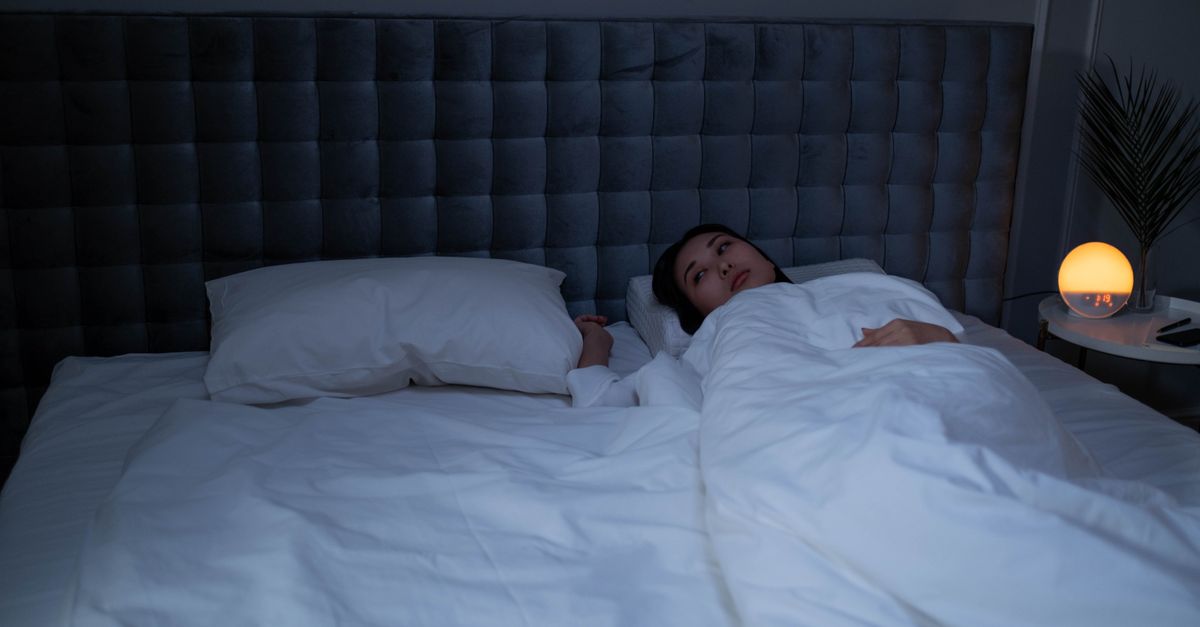
Collagen Peptides Before Bed: Who Actually Benefits — and Who Should Skip It
Collagen makes up roughly 30% of total body protein and is the primary structural scaffold for skin, tendons, ligaments, cartilage, and bone. After your mid-20s, endogenous collagen production declines at roughly 1–1.5% per year, and that rate accelerates with UV exposure, poor sleep, chronic stress, and suboptimal nutrition (Varani et al., Journal of Investigative Dermatology 2006; PMID: 16699518).
The timing question — specifically, whether taking collagen peptides before bed is meaningfully better than taking them at another time — is worth unpacking carefully. The short answer is: for some goals, yes; for others, timing probably doesn't matter much at all.
---
Why Nighttime Collagen Synthesis Matters
Growth hormone (GH) secretion peaks during deep slow-wave sleep, typically in the first few hours after you fall asleep. GH is a primary driver of collagen biosynthesis — it stimulates fibroblasts (the cells that produce collagen) and upregulates insulin-like growth factor-1 (IGF-1), which further amplifies collagen gene expression (Van Cauter et al., Journal of Sleep Research 2000; PMID: 10733690).
This creates a theoretical rationale for taking collagen peptides before bed: providing the amino acid substrates — particularly glycine, proline, and hydroxyproline — right before the GH surge could optimize fibroblast activity during the night. Glycine alone is worth highlighting; it is conditionally essential, meaning your body synthesizes some but often not enough to meet demand, especially under metabolic stress or during tissue repair.
A randomized controlled trial published in Nutrients (Shaw et al., 2017; PMID: 27852613) found that 15g of collagen peptides taken 60 minutes before a training session significantly increased circulating glycine and proline, and improved collagen synthesis markers in tendons compared to placebo. While this study focused on pre-exercise dosing, it established that oral collagen peptides reliably raise substrate availability for collagen biosynthesis — a mechanism that would apply regardless of whether the timing is pre-workout or pre-sleep.
For skin-focused goals, a 2019 systematic review in the Journal of Drugs in Dermatology (Choi et al., 2019; PMID: 31261301) pooled data from 11 studies and found that hydrolyzed collagen supplementation (2.5–10g/day) consistently improved skin elasticity, hydration, and dermal collagen density over 8–24 weeks. The studies used varying timing protocols, which means the evidence base for skin benefits doesn't specifically endorse bedtime dosing — but it doesn't exclude it either.
---
Who Is Most Likely to Benefit From Bedtime Collagen
People focused on skin quality and anti-aging are the core audience for bedtime collagen. Because fibroblast activity ramps up during sleep (tied to that GH pulse), providing glycine and proline pre-sleep gives those cells something to work with. If you're also experiencing collagen interactions with medications — for example, if you're on corticosteroids that suppress collagen synthesis — timing your dose away from those medications becomes even more important.
People with joint or tendon goals may also benefit. A 12-week double-blind trial published in the American Journal of Clinical Nutrition (Clark et al., 2008; PMID: 18272895) found that 10g of collagen hydrolysate daily significantly reduced joint pain in athletes compared to placebo. The bedtime rationale here is similar: cartilage is avascular, meaning nutrients reach it slowly via diffusion, and an overnight window with reduced mechanical loading may support uptake.
People with poor sleep quality have an additional reason to consider glycine-rich collagen at night. A study in Sleep and Biological Rhythms (Inagawa et al., 2006) found that 3g of glycine taken before bed improved subjective sleep quality, reduced daytime sleepiness, and shortened sleep onset. Since collagen peptides are roughly 20–22% glycine by weight, a 15g dose delivers approximately 3g of glycine — matching the dose used in that trial.
Who should be more cautious or skip it:
- People with a history of kidney stones (oxalate or calcium phosphate types) should note that high glycine intake theoretically elevates oxalate production, though clinical evidence at standard collagen doses is limited — consult your provider.
- People with a diagnosed liver condition should read our full analysis on whether collagen is bad for your liver before adding a high-protein nighttime supplement.
- Anyone taking blood thinners or certain antihypertensives should review collagen interactions with medications first.
- People whose goal is muscle hypertrophy: collagen is not a complete protein — it lacks tryptophan and is low in branched-chain amino acids. For muscle protein synthesis overnight, whey or casein remains superior.
---
Optimal Dose and Form: What the Data Supports
| Goal | Studied Dose | Duration for Effect | Notes |
|---|---|---|---|
| Skin elasticity & hydration | 2.5–10g/day | 8–12 weeks | Hydrolyzed form (peptides) preferred |
| Joint & tendon support | 10–15g/day | 12–24 weeks | Add vitamin C for hydroxylation |
| Sleep quality (via glycine) | ~15g collagen ≈ 3g glycine | 4 weeks | Glycine content drives this benefit |
| Gut lining support | 5–10g/day | 8+ weeks | Emerging data; less robust |
The hydrolyzed form (collagen peptides, also called collagen hydrolysate) is absorbed significantly more efficiently than native collagen because peptide bonds are already cleaved. Molecular weight matters too — peptides under 5 kDa reach systemic circulation and target tissues more reliably than larger fragments.
Vitamin C is non-negotiable if your goal is collagen synthesis. Without ascorbic acid, prolyl hydroxylase — the enzyme that converts proline to hydroxyproline and stabilizes the triple helix — cannot function. This is why some bedtime collagen formulas include vitamin C, or why pairing your collagen with a vitamin C source matters.
---
UC-II Collagen Before or After a Workout
Undenatured type II collagen (UC-II) deserves its own discussion because it works through a completely different mechanism than hydrolyzed collagen peptides. While hydrolyzed collagen provides amino acid substrates for synthesis, UC-II works via oral tolerization — exposing gut-associated lymphoid tissue (GALT) to native type II collagen fragments, which trains the immune system to stop attacking cartilage collagen in inflammatory joint conditions.
A randomized trial by Lugo et al. (Clinical Interventions in Aging, 2016; PMID: 26955257) found that 40mg UC-II daily for 180 days significantly improved knee joint comfort and extension compared to a combination of 1,500mg glucosamine + 1,200mg chondroitin. The mechanism requires the collagen to reach Peyer's patches in the small intestine intact — which means taking UC-II away from food (typically before bed on an empty stomach, or in the morning fasted) is recommended, since gastric acid and enzymes can denature it.
For UC-II specifically: before bed on an empty stomach is a practical choice because many people have their longest fasted window overnight. Pre- or post-workout timing is less relevant for UC-II than it is for hydrolyzed peptides, since UC-II's benefits are immunological rather than substrate-driven.
---
What About Magnesium L-Threonate Before Bed?
Magnesium L-threonate is a frequently paired supplement with collagen for people pursuing bedtime stacks — and the rationale is scientifically grounded, though for different reasons. Magnesium L-threonate was developed at MIT specifically for its ability to cross the blood-brain barrier more effectively than other magnesium forms. A preclinical study in Neuron (Slutsky et al., 2010; PMID: 20152124) showed that it significantly elevated brain magnesium levels and improved synaptic density and memory in aging rats.
For a bedtime supplement stack, magnesium's role is primarily about sleep architecture and nervous system relaxation, not collagen synthesis. Magnesium activates GABA receptors, reduces cortisol, and supports slow-wave sleep — which, as discussed earlier, is exactly when GH-driven collagen synthesis peaks. In that sense, magnesium L-threonate and collagen peptides are genuinely complementary at night: one improves sleep depth, and deeper sleep means a more robust GH pulse and better fibroblast activity.
If you're exploring magnesium options for timing, note that different forms have different bioavailability profiles and target tissues — L-threonate is brain-targeted, while malate and glycinate are more systemically distributed.
---
DHEA Before Bed and Collagen: Is There a Connection?
DHEA (dehydroepiandrosterone) is an endogenous hormone precursor that peaks in your late 20s and declines steadily thereafter. Some evidence suggests DHEA supports collagen synthesis indirectly — it can be converted to estrogen or testosterone, both of which stimulate fibroblast activity and upregulate collagen gene expression (Labrie et al., Journal of Steroid Biochemistry and Molecular Biology 2005).
DHEA secretion follows a circadian pattern and is typically highest in the morning. Taking exogenous DHEA before bed may not align with this natural rhythm — and for some people, it can interfere with sleep quality. This is not an ingredient Ones includes in its catalog due to its hormonal nature and the risk of misuse without proper lab guidance. If you're considering DHEA for skin or anti-aging purposes alongside collagen, that decision should involve your healthcare provider and ideally a current DHEA-S lab value.
---
Quercetin Before Bed: Relevant to Collagen Users?
Quercetin is a flavonoid with well-established anti-inflammatory and antioxidant properties. Its relevance to collagen users lies in its ability to inhibit matrix metalloproteinases (MMPs) — the enzymes responsible for breaking down collagen in skin and connective tissue. A 2016 in vitro and animal study found that quercetin reduced MMP-1 and MMP-3 expression in UV-irradiated skin cells, suggesting a complementary role alongside collagen supplementation.
Quercetin also has a mild mast cell-stabilizing effect, which is relevant for people whose collagen breakdown is worsened by histamine-driven inflammation. Ones includes quercetin as part of its Histamine Support system blend, which is particularly relevant for users whose lab patterns suggest histamine intolerance or chronic low-grade inflammation driving skin or connective tissue issues.
As a bedtime supplement specifically, quercetin's half-life (~3.5 hours) means its anti-inflammatory activity window doesn't extend through the full night — morning or midday dosing may actually be more practical for sustained MMP inhibition. Pairing it with collagen at night is not harmful, but the timing rationale is weaker than it is for collagen or magnesium.
---
What This Means for Your Formula
The decision to take collagen peptides before bed isn't just about timing — it's about understanding which tissues you're trying to support, what other factors (sleep quality, vitamin C status, GH output) might be limiting your results, and whether collagen is even the right foundation for your goals.
At Ones, the AI practitioner evaluates your blood work, wearable data (including sleep stage data), and health history before recommending any collagen-adjacent strategy. For users with evidence of joint stress, poor sleep architecture, or skin-related concerns, relevant ingredients in the Ones catalog include:
- Vitamin C (as ascorbic acid) — included at clinically active doses to support prolyl hydroxylase activity and ensure collagen peptides can actually be incorporated into new collagen fibers
- Quercetin — featured in Ones' Histamine Support system blend for users showing markers of chronic low-grade inflammation that accelerates collagen degradation
- Magnesium Glycinate — included at doses shown to support sleep architecture, which indirectly supports the GH-collagen synthesis window overnight
If your concern is whether collagen is right for your liver or interacting with medications, those are evaluated individually — Ones doesn't apply a one-size-fits-all collagen recommendation.
---
Key Takeaways
- Nighttime collagen peptides are best supported for skin and sleep goals — the GH pulse during slow-wave sleep creates a genuine rationale for pre-bed amino acid availability.
- The glycine content in collagen (≈3g per 15g dose) independently improves sleep quality, making bedtime timing doubly relevant for users with sleep concerns.
- UC-II collagen works differently — its immunological mechanism requires fasted delivery and is not dose-optimized by nighttime timing the same way hydrolyzed peptides are.
- Always pair collagen with vitamin C — without adequate ascorbic acid, prolyl hydroxylase cannot stabilize the triple helix and your supplementation will underperform.
- Magnesium (especially L-threonate or glycinate) pairs well with bedtime collagen by deepening slow-wave sleep and amplifying the GH surge that drives collagen synthesis.
- Collagen is not optimal for muscle hypertrophy — it lacks tryptophan and BCAAs; if overnight muscle protein synthesis is the priority, casein or whey is more appropriate.