Cardiovascular
The Practitioner's Guide to COQ10 Uses
CoQ10 is one of the most clinically studied mitochondrial compounds on the market — yet most people taking it are using the wrong form, the wrong dose, or the wrong timing. Research shows that ubiquinol (the reduced form) can outperform standard ubiquinone by as much as 4.8-fold in plasma absorption, yet the majority of supplements still use the cheaper form. Understanding the full spectrum of CoQ10 uses — from heart failure support to statin-induced myopathy relief — changes how you approach supplementation entirely.
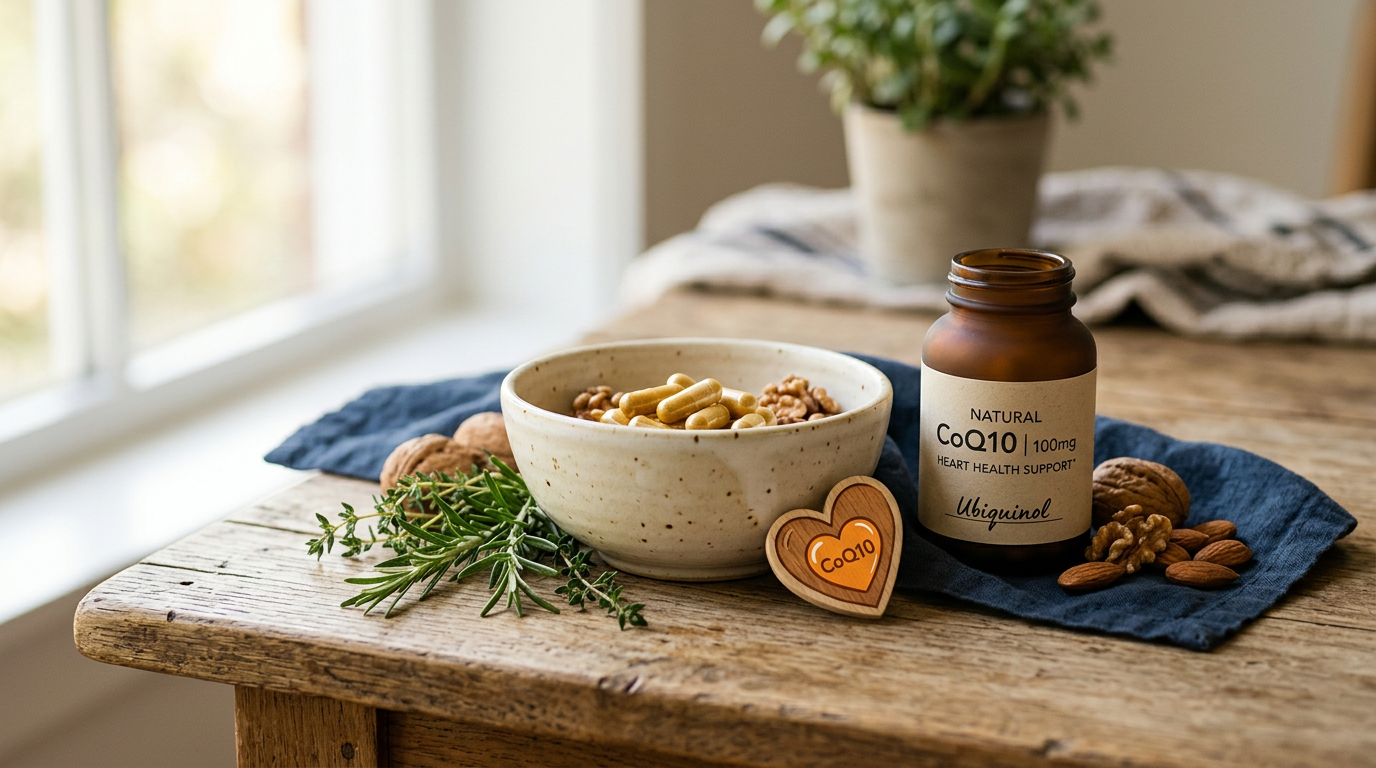
The Practitioner's Guide to COQ10 Uses
Coenzyme Q10 — abbreviated CoQ10 — is a fat-soluble compound found in nearly every cell in the human body. It sits at the center of the electron transport chain inside the mitochondria, facilitating the conversion of nutrients into adenosine triphosphate (ATP), the primary currency of cellular energy. Without adequate CoQ10, mitochondria run inefficiently, energy output drops, and oxidative stress accumulates.
Despite its ubiquitous role in cellular biology, plasma CoQ10 concentrations decline measurably with age. Levels in heart tissue have been shown to fall by approximately 57% between young adulthood and age 77 (Kalen et al., Journal of Lipid Research, 1989; PMID: 2768534). This age-related depletion, compounded by statin use and chronic disease, makes CoQ10 one of the most clinically relevant supplements in cardiovascular and metabolic medicine.
This guide covers what the peer-reviewed evidence says about CoQ10 uses, how to choose between ubiquinone and ubiquinol, the best timing strategies, and how personalized supplementation platforms like Ones calibrate CoQ10 dosing to your cardiovascular biomarkers.
---
What Are the Evidence-Based CoQ10 Uses?
CoQ10's applications fall into several well-researched categories. Below is a breakdown of the most clinically supported uses.
1. Heart Failure and Cardiac Output
The most robust evidence for CoQ10 exists in the context of heart failure. The Q-SYMBIO trial — a randomized, double-blind, placebo-controlled study of 420 patients with moderate-to-severe chronic heart failure — found that CoQ10 supplementation at 300 mg/day over two years significantly reduced major adverse cardiovascular events (MACE) compared to placebo. Cardiovascular mortality in the CoQ10 group was 9% versus 16% in the placebo group (Mortensen et al., JACC: Heart Failure, 2014; PMID: 24929297).
The mechanism appears to involve improved mitochondrial ATP synthesis in cardiomyocytes, reduced oxidative damage, and enhanced endothelial function.
2. Statin-Induced CoQ10 Depletion
HMG-CoA reductase inhibitors (statins) block the mevalonate pathway — the same pathway responsible for endogenous CoQ10 synthesis. Clinical studies confirm that statin therapy reduces plasma CoQ10 levels, with reductions ranging from 16% to over 50% depending on the statin type, dose, and duration (Deichmann et al., The Ochsner Journal, 2010; PMID: 21603349).
For patients experiencing statin-related myopathy — muscle weakness, cramping, or exercise intolerance — CoQ10 supplementation may offer meaningful relief. A 2018 meta-analysis published in The American Journal of Cardiology found that CoQ10 supplementation significantly reduced statin-associated muscle symptoms (SAMS) compared to placebo (Qu et al., PMID: 29241706).
If you are on a statin and noticing unexplained fatigue or muscle discomfort, discussing CoQ10 supplementation with your healthcare provider is warranted. Understanding the clinical evidence for statin-CoQ10 interactions can help frame that conversation.
3. Blood Pressure Modulation
A meta-analysis of 12 clinical trials (n=362) found that CoQ10 supplementation reduced systolic blood pressure by an average of 16.6 mmHg and diastolic blood pressure by 8.2 mmHg without significant side effects (Rosenfeldt et al., Journal of Human Hypertension, 2007; PMID: 17287847). While these effect sizes are impressive, it is important to note that this analysis included smaller trials and CoQ10 should be considered an adjunct — not a replacement — for evidence-based hypertension management.
The proposed mechanism involves CoQ10's role as an antioxidant that preserves nitric oxide bioavailability, reducing vascular resistance.
4. Mitochondrial Disease and Neurological Support
CoQ10 is considered a standard-of-care supplement for primary mitochondrial disorders involving Complex I or Complex III deficiencies. In patients with MELAS (mitochondrial encephalomyopathy, lactic acidosis, and stroke-like episodes), CoQ10 is frequently included in the "mitochondrial cocktail" alongside riboflavin and L-carnitine (Parikh et al., Annals of Neurology, 2015; PMID: 25652200).
In neurological aging, CoQ10 has been evaluated in Parkinson's disease. A large 2007 NIH-sponsored trial (QE3, n=600) ultimately found no significant benefit on Parkinson's progression, which tempered earlier optimism from a smaller 2002 study — a reminder that promising early data does not always replicate in larger trials.
5. Male Fertility and Sperm Quality
Spermatozoa are among the most energy-demanding cells in the body, and the epididymis contains high concentrations of CoQ10. A meta-analysis of seven randomized controlled trials found that CoQ10 supplementation significantly improved sperm concentration, motility, and morphology compared to placebo (Lafuente et al., Journal of Assisted Reproduction and Genetics, 2013; PMID: 23081734).
6. Exercise Performance and Recovery
For active individuals, CoQ10's role in ATP production makes it a logical candidate for performance support. A 2008 double-blind crossover study (n=100) found that CoQ10 at 300 mg/day for 8 weeks significantly reduced exercise-induced fatigue and increased maximum power output versus placebo (Mizuno et al., Nutrition, 2008; PMID: 18272335).
| CoQ10 Use | Clinical Evidence Level | Typical Dose Used in Trials |
|---|---|---|
| Heart failure | High (RCT, 420 patients) | 300 mg/day ubiquinol |
| Statin-induced myopathy | Moderate (meta-analysis) | 100–300 mg/day |
| Hypertension | Moderate (meta-analysis) | 100–200 mg/day |
| Male fertility | Moderate (meta-analysis) | 200–300 mg/day |
| Exercise performance | Moderate (RCT) | 300 mg/day |
| Mitochondrial disease | Standard of care | Variable |
---
Ubiquinone vs. Ubiquinol: Which Form Matters?
CoQ10 exists in two primary forms: ubiquinone (oxidized) and ubiquinol (reduced). Ubiquinol is the form that circulates in plasma and functions as an antioxidant. When you ingest ubiquinone, the body must convert it to ubiquinol — a process that becomes less efficient with age and in individuals with certain metabolic conditions.
A pharmacokinetic study found ubiquinol produced 4.8-fold higher plasma concentrations than ubiquinone at the same dose in elderly subjects (Hosoe et al., Regulatory Toxicology and Pharmacology, 2007; PMID: 17543416). For individuals over 50, those with cardiovascular disease, or anyone on statins, ubiquinol is the clinically preferred form.
Ones includes CoQ10/Ubiquinol at 200 mg in its personalized formulas — a dose consistent with what clinical trials have used for cardiovascular and mitochondrial endpoints.
---
Best Time to Take CoQ10
The question of when to take CoQ10 matters more than most people realize. As a fat-soluble compound, CoQ10 requires dietary fat for optimal absorption. Studies confirm that CoQ10 taken with a meal containing fat produces significantly higher plasma concentrations than fasting supplementation.
A pharmacokinetic study published in the Journal of Clinical Pharmacology demonstrated that CoQ10 absorption increased by approximately 37% when taken with a fat-containing meal versus fasting conditions (Miles et al., 2002; PMID: 12362931).
Practical timing guidance:
- Take CoQ10 with your largest meal of the day — typically lunch or dinner — when fat intake is highest.
- Avoid taking CoQ10 in isolation with plain water on an empty stomach; absorption will be substantially reduced.
- Split high doses (≥300 mg/day) into two doses — morning with breakfast and evening with dinner — to maintain more stable plasma levels throughout the day.
- Statin users should take CoQ10 at the same time as their statin medication or shortly after, ideally with food.
- For exercise performance, taking CoQ10 with your pre-workout meal (2–3 hours before training) ensures plasma levels are elevated during activity.
Because CoQ10 does not appear to have significant sedating or stimulating properties, evening dosing is generally well-tolerated. Some practitioners prefer morning dosing on the basis that cellular energy demands peak during daytime activity, though the plasma half-life of CoQ10 (approximately 33 hours) makes precise timing less critical than consistent daily intake.
For context on how timing strategies interact with other fat-soluble supplements, the optimal timing guide for fat-soluble vitamins and CoQ10 offers useful detail.
---
When to Take CoQ10: Clinical Scenarios
Beyond general timing, there are specific clinical contexts where CoQ10 timing becomes more targeted:
- Statin users: Begin CoQ10 supplementation as soon as statin therapy starts — do not wait for symptoms of depletion to appear. Several cardiologists advocate for prophylactic CoQ10 in all statin-treated patients, particularly those with pre-existing muscle complaints.
- Post-cardiac event: Following myocardial infarction or cardiac surgery, early CoQ10 use has been associated with reduced oxidative marker levels. The Q-SYMBIO trial used 300 mg/day starting from stable disease management.
- Periconception (male fertility): Studies used 12–26 weeks of supplementation to observe improvements in sperm parameters. Begin at least 3 months before planned conception.
- Aging adults (>50): CoQ10 levels decline most sharply after 50. Switching from ubiquinone to ubiquinol at this stage is clinically reasonable given the reduced conversion efficiency.
---
How Ones Addresses This: CoQ10 in a Personalized Cardiovascular Formula
Most supplement brands sell CoQ10 as a one-size-fits-all softgel. Ones takes a different approach. The platform's AI health practitioner analyzes your blood work — including lipid panels, inflammatory markers like hsCRP, and any statin prescriptions flagged in your health history — alongside wearable data on resting heart rate variability and recovery scores. From there, it builds a custom capsule formula calibrated to your specific cardiovascular profile.
Here's how Ones approaches CoQ10 and supporting cardiovascular ingredients:
1. CoQ10/Ubiquinol at 200 mg
Ones uses the reduced ubiquinol form at 200 mg — a dose within the range used in cardiovascular RCTs. For individuals on statins or with elevated cardiovascular risk markers, this is flagged as a priority ingredient within the formula.
2. Omega-3 (EPA/DHA)
Omega-3 fatty acids complement CoQ10's cardiovascular effects by reducing triglycerides, improving endothelial function, and modulating inflammation. The omega-3 EPA/DHA ratio guide details why the EPA:DHA ratio matters for different cardiovascular outcomes. Ones includes Omega-3 dosed to clinically meaningful EPA and DHA thresholds.
3. Heart Support System Blend
Ones' proprietary Heart Support blend combines evidence-backed botanicals and nutrients that work synergistically with CoQ10 — addressing inflammation, endothelial function, and mitochondrial efficiency as part of a single, seamlessly integrated formula.
This is where Ones differentiates from platforms like Ritual (which offers standardized multivitamins) or Thorne (which offers practitioner-grade single supplements but no AI-driven personalization). Ones integrates your biomarker data with a curated catalog of ~70 clinically validated ingredients to build formulas in 6, 9, or 12-capsule plans — so CoQ10 appears in your formula when the data supports it, not as a default.
If you are exploring how CoQ10 fits alongside other cardiovascular actives, the vitamin D3 and K2 synergy for cardiovascular health article outlines another important pairing often included in Ones cardiovascular profiles.
---
Key Takeaways
- CoQ10 has strong clinical evidence for heart failure support, with the Q-SYMBIO trial (n=420) showing significant reductions in major adverse cardiovascular events at 300 mg/day over two years (PMID: 24929297).
- Statin users are at high risk for CoQ10 depletion — statins reduce plasma CoQ10 levels by up to 50%, and supplementation may reduce statin-associated muscle symptoms (PMID: 29241706).
- Ubiquinol is the superior form for adults over 50 — absorption studies show up to 4.8-fold higher plasma concentrations compared to ubiquinone at the same dose (PMID: 17543416).
- The best time to take CoQ10 is with a fat-containing meal — absorption increases by approximately 37% when taken with dietary fat (PMID: 12362931). Split doses of 300 mg/day (morning and evening) are preferred for cardiovascular indications.
- CoQ10 has credible evidence across multiple domains — including male fertility, blood pressure, and exercise performance — making it one of the most versatile evidence-based supplements available.
- Personalized platforms like Ones use biomarker data — including lipid panels, inflammatory markers, and wearable cardiovascular data — to determine whether CoQ10 belongs in your specific formula, at what dose, and alongside which complementary ingredients.
This article is for educational purposes only. Always consult a qualified healthcare provider before starting any new supplement regimen, especially if you are managing cardiovascular disease, taking prescription medications, or have a diagnosed mitochondrial disorder.