Lab Results
Cortisol Lab Testing: Saliva, Blood, and Urine — Which Test Is Most Useful?
Most people chasing fatigue, weight gain, or burnout never get the right cortisol test — and a standard blood draw may miss the dysfunction entirely. Cortisol fluctuates hourly, responds to stress in real time, and requires the right collection method to tell a meaningful clinical story. This guide breaks down every cortisol testing method available today so you know exactly which one to ask for.
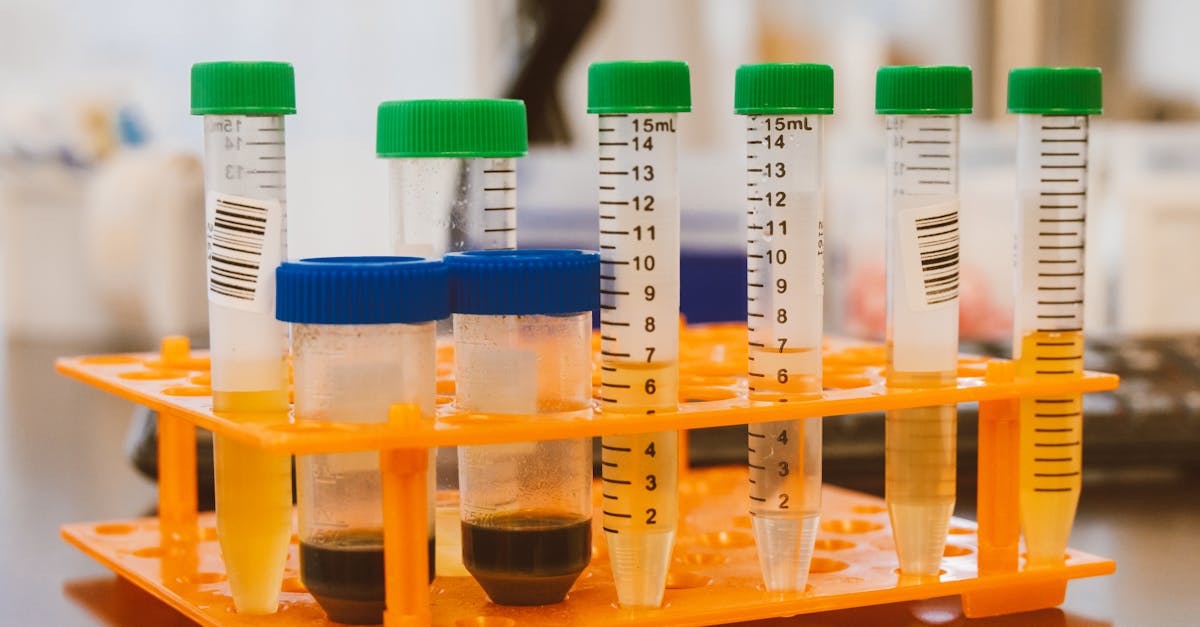
Cortisol Lab Testing: Saliva, Blood, and Urine — Which Test Is Most Useful?
Cortisol is the body's primary stress hormone, but calling it just a "stress hormone" undersells how much it governs. It controls blood sugar regulation, immune response, sleep-wake cycles, inflammation, and metabolic rate. When cortisol output is dysregulated — too high, too low, or poorly timed — the downstream effects touch almost every system in the body. Yet despite how central cortisol is to daily function, most conventional lab panels still rely on a single morning blood draw, which can miss the nuances of cortisol rhythm entirely.
If you've been told your cortisol is "normal" but still experience crushing afternoon fatigue, wired-but-tired nights, unexplained weight gain around the midsection, or poor recovery from exercise, the problem may not be your cortisol level — it may be the test used to measure it. Understanding the different cortisol testing methods is the first step toward getting data that's actually actionable.
---
Why a Single Cortisol Reading Is Almost Never Enough
Cortisol follows a circadian rhythm with a pronounced peak roughly 30–45 minutes after waking (the cortisol awakening response), a gradual decline through the afternoon, and a trough in the late evening. A single serum sample taken at 8 a.m. captures one data point on a curve that tells a full story only when measured across multiple time points.
According to the NIH National Institute of Diabetes and Digestive and Kidney Diseases, reference ranges for serum cortisol at 8 a.m. are approximately 6–23 mcg/dL — a range so wide that someone with a morning reading of 7 mcg/dL and someone with 22 mcg/dL are both considered "normal" despite potentially very different adrenal function patterns. Add to that the fact that cortisol rises sharply in response to the stress of venipuncture itself (the so-called "white coat effect"), and it becomes clear why a blood draw is a limited tool for functional HPA-axis assessment.
This doesn't mean blood testing is useless — it's essential for diagnosing Cushing's syndrome or Addison's disease. But for the far more common presentation of subclinical adrenal dysregulation, other methods tell a richer story.
---
Saliva Cortisol Test: The Gold Standard for Rhythm Assessment
The saliva cortisol test has become the preferred method for evaluating diurnal cortisol patterns in functional and integrative medicine settings, and for good reason. Salivary cortisol measures the "free" fraction of cortisol — the biologically active portion unbound by cortisol-binding globulin (CBG). Blood tests measure total cortisol, which includes the bound fraction and can be artificially elevated in people with high estrogen levels (such as those on oral contraceptives), even when free cortisol is perfectly normal.
A typical salivary cortisol protocol collects four samples across the day:
- Sample 1: Immediately upon waking (before eating, brushing teeth, or drinking anything)
- Sample 2: 30–45 minutes after waking (to capture the cortisol awakening response peak)
- Sample 3: Early afternoon (around noon–1 p.m.)
- Sample 4: Late evening (around 10 p.m.–midnight)
This four-point curve allows a clinician to assess whether cortisol is appropriately high in the morning, declining through the day, and low at night. Research published in Psychoneuroendocrinology has validated that flattened diurnal cortisol slopes are associated with fatigue, burnout, and poor immune regulation (Bower et al., 2005; PMID: 15219648). A flat curve — where morning cortisol is blunted and evening cortisol remains elevated — is a hallmark pattern of HPA-axis dysregulation.
Limitations: Salivary cortisol does not capture cortisol metabolites, and collection requires strict adherence to timing and dietary restrictions (no coffee, food, or vigorous exercise before sampling). Results can also be influenced by gum disease or oral bleeding.
---
Cortisol Awakening Response: The Most Sensitive Stress Biomarker You're Not Tracking
The cortisol awakening response (CAR) refers to the 50–160% surge in cortisol that occurs within the first 30–45 minutes of waking. This spike is distinct from the basal diurnal rhythm and is considered a sensitive index of HPA-axis reactivity — reflecting how the brain anticipates and mobilizes for the demands of the day ahead.
A robust CAR is associated with psychological resilience, healthy immune function, and good executive performance. A blunted CAR is linked to burnout, chronic fatigue syndrome, and major depressive disorder. Research from the University of Trier demonstrated that individuals under chronic occupational stress showed significantly reduced CAR amplitude compared to controls, and that this blunting preceded other markers of burnout by months (Pruessner et al., Psychosomatic Medicine 1999; PMID: 10556999).
Clinically, measuring the CAR requires at least two salivary samples taken immediately upon waking and again 30–45 minutes later — ideally on multiple mornings to account for day-to-day variability. This is why a 4-point salivary cortisol panel is the minimum meaningful protocol, and why relying on a single morning blood draw misses one of the most informative stress biomarkers in human physiology.
For anyone curious about the clinical evidence for ashwagandha and its effect on the CAR and HPA-axis, trial data from KSM-66 is particularly relevant — more on that in the "What This Means for Your Formula" section below.
---
DUTCH Cortisol Test: Mapping the Full Metabolic Picture
The DUTCH cortisol test (Dried Urine Test for Comprehensive Hormones, developed by Precision Analytical) represents a significant evolution in cortisol assessment. Unlike salivary or serum tests that measure circulating cortisol at a point in time, the DUTCH test measures both free cortisol and cortisol metabolites in dried urine, providing a complete picture of:
- Free cortisol production (similar to salivary)
- Cortisol metabolites (THF, THE, allo-THF) — reflecting total cortisol output from the adrenal glands
- Cortisone and its metabolites — revealing how efficiently cortisol is being converted and cleared
- DHEA-S — a counter-regulatory adrenal hormone often inversely affected in HPA dysregulation
- The cortisol/cortisone ratio — an indicator of 11β-HSD1 enzyme activity, relevant to metabolic syndrome and visceral fat accumulation
This last point is particularly valuable. A person can have normal or even low free cortisol but high total cortisol metabolites, suggesting that the adrenal glands are producing adequate cortisol but it's being rapidly cleared — a pattern sometimes associated with high cortisol turnover under chronic stress. Conversely, low metabolites with low free cortisol suggests true adrenal insufficiency.
Research published in the Journal of Clinical Endocrinology & Metabolism validated dried urine cortisol metabolites as a reliable surrogate for 24-hour urinary free cortisol in population studies (Vogeser & Seger, 2010; doi.org/10.1515/CCLM.2010.190). The DUTCH test also captures a partial diurnal pattern through its four-sample collection protocol spread across a single day.
Limitations: The DUTCH test is not covered by most insurance plans (typically $300–$450 out of pocket), and it requires a practitioner familiar with interpreting multi-metabolite hormone panels. It is not appropriate for diagnosing Cushing's syndrome — 24-hour urine free cortisol or low-dose dexamethasone suppression testing remains the clinical gold standard for that indication.
If you're also investigating thyroid status alongside adrenal function, understanding thyroid lab ranges and what they mean is essential, since hypothyroidism and HPA-axis dysregulation frequently co-present.
---
Adrenal Function Lab Testing: Blood-Based Methods and Their Role
For adrenal function lab testing in a conventional medical setting, blood-based cortisol remains the standard entry point. Here's how each blood-based method is used clinically:
Serum Morning Cortisol
Drawn between 7–9 a.m., this test is the first-line screen for Addison's disease (primary adrenal insufficiency). A level below 3 mcg/dL is highly suggestive of adrenal insufficiency; above 18–20 mcg/dL essentially rules it out. Values in between require confirmatory testing.
ACTH Stimulation Test
Also called the cosyntropin stimulation test, this measures the adrenal glands' reserve capacity by injecting synthetic ACTH and measuring cortisol response at 30 and 60 minutes. A stimulated cortisol level above 18–20 mcg/dL is considered a normal adrenal reserve. This test distinguishes primary adrenal insufficiency (Addison's) from secondary/tertiary HPA-axis suppression (e.g., from exogenous glucocorticoid use).
24-Hour Urinary Free Cortisol
The traditional gold standard for diagnosing Cushing's syndrome — elevated total cortisol output over 24 hours. Most guidelines recommend three separate 24-hour collections given day-to-day variability. According to Endocrine Society guidelines, a result more than three to four times the upper limit of normal is highly specific for Cushing's syndrome.
Late-Night Salivary Cortisol
A late-night (11 p.m.–midnight) salivary cortisol above 0.13–0.15 mcg/dL on two separate occasions is now considered a sensitive and specific screen for Cushing's syndrome, with sensitivities exceeding 90% in multiple validation studies (Raff et al., Journal of Clinical Endocrinology & Metabolism 1998; PMID: 9467542).
| Test | What It Measures | Best For | Limitation |
|---|---|---|---|
| Serum morning cortisol | Total cortisol (bound + free) | Addison's screen | Single point; stress-reactive |
| 4-point salivary | Free cortisol across the day | Diurnal rhythm, CAR | No metabolite data |
| DUTCH (dried urine) | Free cortisol + metabolites + DHEA | HPA-axis functional patterns | Cost; not for Cushing's Dx |
| 24-hr urine free cortisol | Total daily free cortisol output | Cushing's diagnosis | Cumbersome; no rhythm data |
| ACTH stimulation | Adrenal reserve capacity | Adrenal insufficiency workup | Requires clinical setting |
| Late-night salivary | Evening cortisol nadir | Cushing's screening | Requires two separate samples |
---
How to Choose the Right Cortisol Test for Your Situation
The right test depends on what clinical question you're trying to answer:
- You're fatigued, wired at night, or recovering poorly from exercise → Start with a 4-point salivary cortisol panel including the CAR. This is the most practical first step for functional HPA-axis assessment.
- You want metabolite data and a complete adrenal/sex hormone picture → DUTCH Complete or DUTCH Plus adds DHEA, estrogen metabolites, and androgen patterns alongside cortisol.
- Your doctor suspects Addison's disease or adrenal insufficiency → Serum morning cortisol followed by an ACTH stimulation test.
- Your doctor suspects Cushing's syndrome (weight gain, easy bruising, hypertension, purple striae) → Late-night salivary cortisol and/or 24-hour urinary free cortisol, repeated twice.
- You're on oral contraceptives and getting elevated blood cortisol readings → Switch to salivary or urine methods, which measure free cortisol unaffected by CBG elevation from estrogen.
For those also tracking cardiovascular biomarkers alongside cortisol, understanding the relationship between inflammation markers and heart health can help contextualize how chronic HPA-axis dysregulation contributes to cardiovascular risk.
---
What This Means for Your Formula
If your cortisol data reveals HPA-axis dysregulation — whether a blunted CAR, a flat diurnal curve, or low total output — nutritional and adaptogenic support can play a meaningful evidence-based role. Ones analyzes your lab results, wearable data, and health history to build a personalized capsule formula that addresses the specific pattern your cortisol testing reveals.
Ashwagandha (KSM-66, 600mg): The most rigorously studied adaptogen for HPA-axis support. A randomized, double-blind, placebo-controlled trial in Medicine (Chandrasekhar et al., 2012; PMID: 23439798) showed that KSM-66 at 300mg twice daily (600mg total) reduced serum cortisol by 27.9% over 60 days in chronically stressed adults versus placebo. Ones includes KSM-66 at the full 600mg clinical dose when cortisol dysregulation is indicated by your data.
Rhodiola Rosea: Rhodiola has demonstrated cortisol-modulating effects under acute stress. A 2009 study in Phytomedicine (Olsson et al.; PMID: 19016418) found that Rhodiola rosea extract SHR-5 at 576mg/day reduced cortisol response to awakening stress and improved burnout symptoms after 28 days. Ones includes Rhodiola as part of adaptogen protocols for individuals showing blunted CAR or elevated evening cortisol patterns.
Ones Adrenal Support System Blend: For individuals with broader adrenal and HPA dysregulation patterns, Ones offers its proprietary Adrenal Support blend — a clinically informed combination of adaptogens and micronutrients calibrated to capsule budget (6, 9, or 12 capsules). This blend addresses the nutritional foundations of cortisol synthesis and clearance, including B5 (pantothenic acid), vitamin C, and magnesium — all of which are depleted by chronic HPA-axis activation.
You can also explore how optimal magnesium glycinate dosage intersects with cortisol and sleep quality — magnesium is a cofactor in HPA-axis downregulation and is among the most commonly depleted nutrients in chronically stressed adults.
Ones' AI health practitioner doesn't just flag a single low or high reading — it maps your cortisol data against your sleep metrics from wearables, energy patterns, and other lab markers to identify whether the pattern suggests high-output stress, late-stage adrenal fatigue, poor cortisol clearance, or simple circadian misalignment, and then builds a formula calibrated to that specific picture.
---
Key Takeaways
- A single morning blood cortisol test is insufficient for evaluating functional HPA-axis patterns — it can miss diurnal dysregulation entirely and is confounded by stress at venipuncture.
- The 4-point salivary cortisol test is the most practical tool for assessing diurnal cortisol rhythm and the cortisol awakening response; it measures biologically active free cortisol unaffected by estrogen-driven CBG changes.
- The DUTCH test provides the most comprehensive picture of adrenal function by adding cortisol metabolites, cortisone ratios, and DHEA-S — helping distinguish low production from high clearance.
- Late-night salivary cortisol and 24-hour urinary free cortisol remain the appropriate tests for Cushing's syndrome screening; the ACTH stimulation test is the standard for adrenal insufficiency workup.
- KSM-66 ashwagandha at 600mg has the strongest clinical evidence for reducing elevated cortisol, with a 27.9% reduction demonstrated over 60 days in a randomized controlled trial.
- Ones uses your actual cortisol data — from blood work and wearables — to personalize adaptogen and micronutrient formulas to your specific HPA-axis pattern, rather than applying a one-size-fits-all stress supplement.