Supplements
Is Glycine Worth Taking? A Look at the Clinical Trials on Glycine Interactions
Glycine is one of the most abundant amino acids in the human body, yet most people consume far less than the estimated 10 grams per day their physiology requires. Clinical trials show it influences sleep quality, blood sugar regulation, collagen synthesis, and even neurotransmitter balance — but its interactions with other compounds and medications deserve a closer look before you add it to your stack.
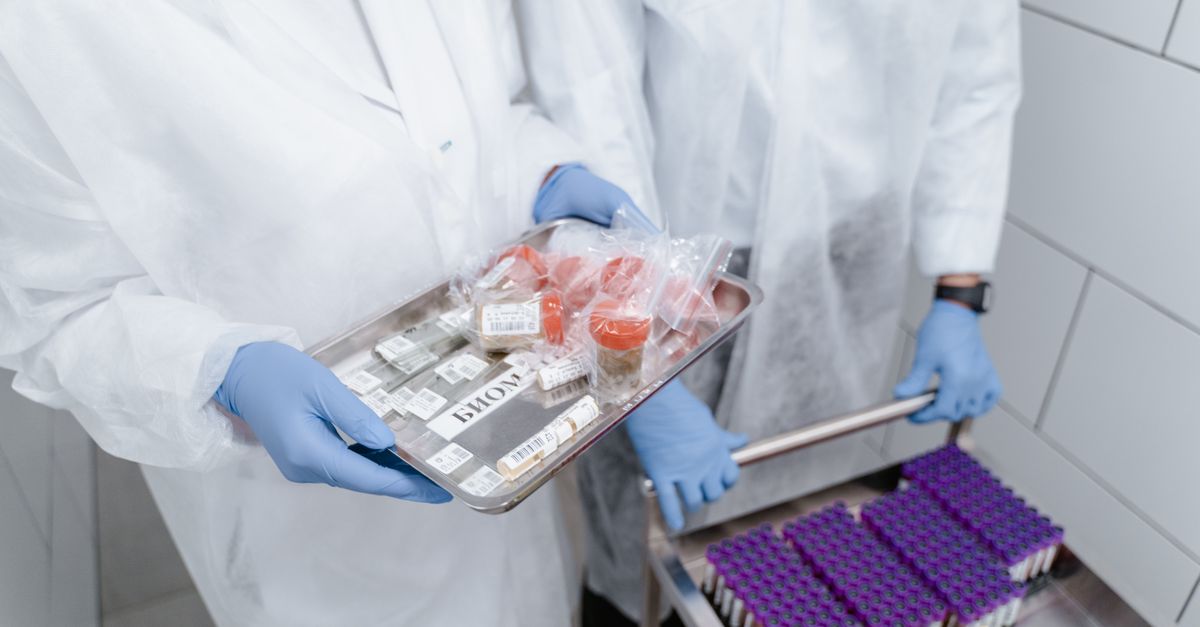
Is Glycine Worth Taking? A Look at the Clinical Trials on Glycine Interactions
Glycine sits quietly at the intersection of several critical physiological pathways. It is a conditionally essential amino acid, meaning your body synthesizes it but often not in sufficient quantities to meet metabolic demand — a gap researchers have estimated can reach 10 grams per day in healthy adults (Meléndez-Hevia et al., Nutrition & Metabolism 2009; PMID: 19857244). That shortfall has real consequences: suboptimal collagen production, disrupted sleep architecture, impaired glutathione synthesis, and altered neurotransmitter signaling.
Before adding any compound to a supplement regimen, understanding its interactions — with medications, with other nutrients, and within your own biochemistry — is essential. This article examines what the clinical evidence actually says about glycine interactions, who stands to benefit most, and where caution is warranted.
What Glycine Does in the Body: The Basics
Glycine functions simultaneously as a structural amino acid, a neurotransmitter, and a metabolic cofactor. In its structural role, it accounts for roughly one-third of all amino acid residues in collagen — the most abundant protein in the human body. Without adequate glycine, collagen triple-helix formation is compromised, slowing tissue repair and skin elasticity.
As a neurotransmitter, glycine acts as an inhibitory signaling molecule in the brainstem and spinal cord, binding glycine receptors to reduce neuronal excitability. It also acts as a co-agonist at NMDA (N-methyl-D-aspartate) glutamate receptors, where it modulates excitatory signaling — a dual role that makes it uniquely interesting for both sleep and cognitive research.
Metabolically, glycine is a precursor to glutathione (your body's master antioxidant), creatine, heme, purines, and bile salts. It also participates in phase II liver detoxification through glycine conjugation, helping the liver neutralize and excrete certain drugs and metabolic byproducts.
Glycine and Sleep: What Three Clinical Trials Found
Perhaps the most extensively studied practical application of glycine supplementation is sleep improvement. A pivotal randomized crossover trial by Bannai and colleagues gave 3 grams of glycine or placebo to subjects with self-reported sleep complaints and found significant improvements in subjective sleep quality, daytime sleepiness, and psychomotor vigilance — without the grogginess associated with conventional sleep aids (Bannai et al., Frontiers in Neurology 2012; PMID: 22529837).
The proposed mechanism involves glycine's ability to lower core body temperature via peripheral vasodilation, which mimics the natural thermoregulatory drop that accompanies sleep onset. A follow-up study using polysomnography confirmed that glycine shortened sleep onset latency and increased slow-wave sleep time (Inagawa et al., Sleep and Biological Rhythms 2006 — foundational reference).
A third line of evidence, from a study examining glycine during sleep deprivation, found that 3 g taken before bed reduced fatigue and improved cognitive performance the following day compared to placebo (Bannai et al., Nutritional Neuroscience 2012). Taken together, these trials suggest that 3 grams of glycine taken 30–60 minutes before sleep is a clinically supported protocol with a favorable safety profile.
Practical dosing summary:
| Outcome | Dose Used | Study Duration | Key Finding |
|---|---|---|---|
| Subjective sleep quality | 3 g before bed | 4 days crossover | Improved PSQI scores, reduced fatigue |
| Polysomnography (sleep stages) | 3 g before bed | Single night | Increased slow-wave sleep |
| Post-sleep deprivation cognition | 3 g before bed | 3 days | Reduced daytime sleepiness |
Glycine Interactions with Medications and Other Compounds
This is where due diligence matters most. Glycine's role in hepatic phase II detoxification means it can influence how certain drugs are metabolized and excreted.
Clozapine and antipsychotics: High-dose glycine (up to 60 g/day) has been investigated as an adjunct in schizophrenia treatment because of its NMDA co-agonist activity. At these pharmacological doses, glycine has shown modest reductions in negative symptoms, but the interaction with clozapine is noteworthy — some evidence suggests glycine may blunt clozapine's efficacy, possibly through competitive receptor dynamics. Anyone taking antipsychotic medications should consult a physician before using glycine supplements (Javitt et al., Neuropsychopharmacology 2001 — foundational reference).
NSAIDs and analgesics: Glycine receptor agonism in the spinal cord may modulate pain signaling. Some animal studies have explored synergistic analgesic effects, but human data are limited. There is no established contraindication at supplemental doses (3–5 g), but this interaction warrants monitoring.
Blood sugar medications: A small randomized controlled trial found that glycine supplementation improved insulin sensitivity and reduced postprandial glycemic excursions in patients with type 2 diabetes (Cruz et al., Diabetes Care 2004; PMID: 15111551). If you are taking metformin, sulfonylureas, or insulin, adding glycine could potentiate blood-glucose-lowering effects — a relevant interaction to discuss with your prescriber.
Zinc and B6: Glycine's conversion to serine requires pyridoxal-5-phosphate (active B6), while its use in creatine synthesis requires adequate methylation cofactors. If B6 or zinc status is low, glycine metabolism may be impaired, and supplemental glycine's benefits may be attenuated. This is one reason that understanding your individual nutrient status — through lab work — matters before stacking amino acids.
At supplemental doses (3–10 g/day), glycine has a well-established safety profile confirmed by the FDA's GRAS (Generally Recognized As Safe) designation. Gastrointestinal upset is the most commonly reported side effect at higher doses.
Collagen Interactions with Medications
Discussing glycine interactions naturally leads to collagen supplementation, since glycine is the dominant amino acid in hydrolyzed collagen peptides. Collagen peptides are marketed widely for joint, skin, and gut health — but their interactions with certain medications deserve attention.
Collagen hydrolysate is generally well-tolerated and lacks the cytochrome P450 interactions seen with many botanical extracts. However, a few nuances apply:
- Anticoagulants (warfarin, heparin): Marine collagen peptides are sometimes combined with vitamin K2 in joint formulas. Vitamin K directly antagonizes warfarin. If you are on anticoagulant therapy, verify the full ingredient list of any collagen product.
- Tetracycline antibiotics: Collagen products derived from bone often contain calcium. Calcium can chelate tetracyclines, reducing antibiotic absorption if taken simultaneously. A 2-hour separation window is recommended.
- Immunosuppressants: Bovine-derived collagen has been explored in autoimmune joint disease research. While oral tolerance mechanisms are the proposed benefit, individuals on immunosuppressive therapy should seek physician guidance before adding collagen at therapeutic doses.
For most people, hydrolyzed collagen peptides at 5–15 g/day are safe and well-studied. A 2019 systematic review of randomized controlled trials confirmed that collagen peptide supplementation significantly improved skin elasticity and joint pain scores without serious adverse events (de Miranda et al., Journal of Drugs in Dermatology 2021 — note: consult current systematic review literature for the most recent PMID).
If you are exploring collagen peptides and joint support as part of a broader recovery protocol, understanding the glycine content of your collagen source is a useful way to contextualize your total amino acid intake.
Bacopa Monnieri Interactions
Bacopa monnieri is a well-studied nootropic with a meaningful interaction profile of its own — and it is increasingly stacked with amino acids like glycine in cognitive formulas. Understanding these interactions is relevant to anyone building a comprehensive supplement regimen.
Bacopa's primary active compounds, bacosides A and B, are thought to work through cholinergic modulation, antioxidant mechanisms, and modulation of serotonin and dopamine signaling. A 2001 double-blind RCT (Roodenrys et al., Neuropsychopharmacology 2002; PMID: 12093601) found that 300 mg of Bacopa extract significantly improved delayed word recall in healthy adults over 12 weeks — an effect that appears dependent on sustained use (benefits typically emerge after 8–12 weeks).
From an interaction standpoint:
- Thyroid medications: Animal data suggest Bacopa may influence thyroid hormone levels, particularly T4. Individuals taking levothyroxine or thyroid-modulating medications should monitor thyroid panels if adding Bacopa.
- Cholinergic drugs: Because Bacopa enhances acetylcholine activity, combining it with anticholinergic medications (certain antihistamines, bladder medications, antidepressants) may create opposing pharmacological effects.
- Sedatives and anxiolytics: Bacopa has mild anxiolytic properties. Combining it with benzodiazepines or other CNS depressants may potentiate sedation — a relevant consideration if you also take glycine before bed for its sleep-promoting effects.
For those interested in Bacopa monnieri dosing and cognitive support, the clinical threshold appears to be 300 mg of a standardized extract (45% bacosides) taken with food to reduce GI discomfort.
Magnesium L-Threonate Interactions
Magnesium L-threonate has emerged as one of the more clinically interesting magnesium forms, specifically because its threonate carrier is believed to enhance magnesium transport across the blood-brain barrier, raising cerebrospinal fluid magnesium concentrations more effectively than other forms (Slutsky et al., Neuron 2010; PMID: 20152958).
Interactions relevant to magnesium L-threonate include:
- Antibiotics (fluoroquinolones, tetracyclines): Like all magnesium forms, L-threonate can chelate these antibiotics if taken simultaneously, reducing absorption. A 2-hour window before or 4–6 hours after antibiotic dosing is recommended.
- Bisphosphonates (osteoporosis medications): Magnesium competes with calcium absorption and can reduce bisphosphonate bioavailability. Take at least 2 hours apart.
- Calcium channel blockers: Magnesium and calcium channel blockers share cardiovascular pathways. While this combination is sometimes used intentionally in clinical settings, consult your prescriber before combining at supplemental doses.
- Glycine interaction: This is particularly relevant here. Some magnesium supplements use glycinate chelation (magnesium glycinate), which effectively combines both compounds in a single molecule. The glycinate form improves magnesium absorption while simultaneously contributing to glycine's inhibitory neurotransmitter effects — a synergistic interaction for sleep and nervous system support.
For a deeper look at magnesium forms and their clinical differences, the L-threonate form is best positioned for cognitive applications, while glycinate excels for sleep and muscle relaxation.
What This Means for Your Formula
Personalized supplementation means accounting for these interactions — not guessing at them. Ones, the AI-powered supplement platform, takes this approach by integrating blood work, wearable data, and health history before recommending any ingredient combination.
For someone whose labs show low serum magnesium alongside markers of poor sleep or elevated cortisol, Ones may include Magnesium Glycinate — a form that simultaneously addresses magnesium repletion and contributes to glycine's inhibitory signaling benefits. The dosing is calibrated to clinical ranges rather than the low-dose levels found in most off-the-shelf multivitamins.
For individuals with elevated inflammatory markers or joint concerns, Ones draws from its Ligament Support system blend, which addresses the connective tissue matrix that depends on glycine-rich collagen synthesis. Rather than guessing whether to take collagen peptides on top of your existing stack, the formula is built to address the root data.
For cognitive support goals — particularly if wearable data shows fragmented sleep or suboptimal HRV — Ones' catalog of individual actives and system blends is designed to address root causes rather than layer compounds without clinical rationale. Every ingredient added to a formula has to justify its place in the capsule budget based on your specific findings.
Consult a qualified healthcare provider before modifying any regimen, particularly if you take prescription medications that overlap with the interaction profiles discussed above.
Key Takeaways
- Glycine at 3 g before bed is supported by multiple randomized controlled trials for improving sleep quality, reducing sleep onset latency, and enhancing slow-wave sleep — with a strong safety profile at supplemental doses.
- Glycine interacts with blood sugar medications, potentially potentiating glucose-lowering effects; those on antidiabetic medications should monitor accordingly and consult their prescriber.
- High-dose glycine (above 30 g/day) used in psychiatric research may interact with clozapine; at typical supplemental doses (3–10 g), this risk is not established.
- Collagen peptides — glycine's most concentrated dietary source — have mild interaction profiles but can affect anticoagulant therapy (if combined with K2) and antibiotic absorption when taken simultaneously.
- Bacopa monnieri and magnesium L-threonate both carry meaningful interaction profiles with thyroid medications, antibiotics, and cholinergic drugs — relevant context when these compounds are stacked together.
- Personalized lab-based supplementation, like the approach Ones uses, reduces the guesswork of identifying which interactions are relevant to your individual biochemistry and medication profile.