Lifestyle
How Can I Lower Fasting Insulin?: A Research-Backed Roadmap
Fasting insulin is one of the most predictive yet routinely overlooked markers on a metabolic panel — and millions of people have elevated levels without knowing it. Research shows that even mildly high fasting insulin (above 10 µIU/mL) is independently associated with increased risk of type 2 diabetes, cardiovascular disease, and excess body fat accumulation. The good news: lifestyle changes can produce measurable improvements within weeks.
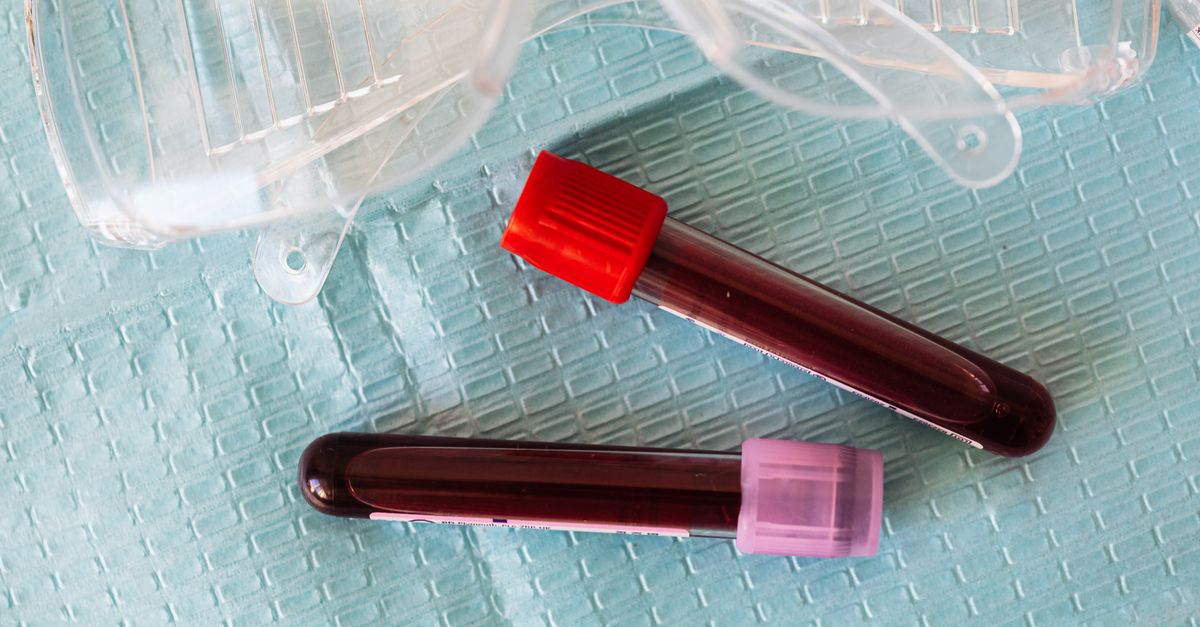
Why Fasting Insulin Is the Metabolic Marker You Should Be Watching
Your doctor orders fasting glucose. Maybe HbA1c. But fasting insulin — the single most sensitive early warning signal for insulin resistance — is skipped on routine panels more often than not. That's a problem, because insulin resistance can be present for a decade before fasting glucose rises into the pre-diabetic range.
Fasting insulin reflects how hard your pancreas is working to keep blood sugar stable overnight. An optimal level sits between 2–6 µIU/mL. Levels above 10 µIU/mL suggest compensatory hyperinsulinemia — your cells are starting to ignore insulin's signal, so the pancreas pushes harder. Chronically elevated insulin promotes fat storage (particularly visceral fat), suppresses fat burning, drives systemic inflammation, and accelerates endothelial damage (Shanik et al., Diabetes Care 2008; PMID: 18356518).
The encouraging reality is that fasting insulin is highly modifiable. It responds faster to lifestyle intervention than most biomarkers. If you've been asking how can I lower fasting insulin?, this roadmap gives you the evidence-based answer.
---
The Root Causes of Elevated Fasting Insulin
Before diving into solutions, it helps to understand the levers. Fasting insulin rises because of:
- Dietary carbohydrate load and glycemic patterns — refined carbohydrates spike glucose rapidly, triggering large insulin pulses throughout the day that sum to chronically elevated baseline levels.
- Sedentary behavior — skeletal muscle is the body's largest glucose disposal site; inactivity shrinks that capacity.
- Visceral adiposity — fat cells around the organs secrete inflammatory cytokines (TNF-α, IL-6) that interfere with insulin receptor signaling.
- Sleep disruption — even a single night of poor sleep elevates fasting insulin and reduces insulin sensitivity by up to 25% (Donga et al., Journal of Clinical Endocrinology & Metabolism 2010; PMID: 20371664).
- Chronic psychological stress — cortisol is a counter-regulatory hormone that raises blood glucose and, by extension, insulin secretion.
- Micronutrient deficiencies — magnesium, zinc, vitamin D, and chromium all play mechanistic roles in glucose transport and insulin receptor activity.
Understanding your personal mix of these factors is what allows targeted intervention. Ones' AI health practitioner maps your blood work — including fasting insulin, glucose, HbA1c, and inflammatory markers — against your wearable data and health history to identify which levers matter most for your physiology, then builds a personalized capsule formula accordingly.
---
How to Lower Fasting Insulin Without Medication
1. Reduce Refined Carbohydrates and Control Glycemic Load
This is the highest-leverage dietary move. A landmark meta-analysis of 26 randomized controlled trials (RCTs) found that low-carbohydrate diets reduced fasting insulin significantly more than low-fat diets, with a weighted mean difference of −2.24 µIU/mL (Evert et al., Diabetes Care 2019; PMID: 30700058). You don't need to go ketogenic — meaningful reductions occur by simply replacing ultra-processed carbs with fiber-rich vegetables, legumes, and whole grains.
Practical targets:
- Limit added sugars to under 25g/day (women) or 36g/day (men)
- Prioritize carbohydrates with a glycemic index below 55
- Pair every carbohydrate source with protein, fat, or fiber to blunt the insulin response
- Consider a 12–16 hour overnight fast — time-restricted eating reduces postprandial insulin area under the curve (AUC) even without caloric restriction
2. Prioritize Protein at Breakfast
Starting the day with 25–35g of protein dampens the morning cortisol-insulin spike and reduces total-day insulin secretion. A 2010 study found that a high-protein breakfast improved satiety hormones and reduced postprandial insulin response compared to a high-carbohydrate breakfast of equal calories (Leidy et al., Obesity 2010; PMID: 20125087).
3. Address Sleep and Stress in Parallel
You cannot exercise and diet your way to optimal insulin sensitivity if you're sleeping 5 hours and running on cortisol. Donga et al. demonstrated that restricting sleep to 4 hours for a single night reduced whole-body insulin sensitivity by ~25% (PMID: 20371664). Cortisol management is equally critical — chronically elevated cortisol impairs GLUT-4 translocation, the mechanism by which muscle cells absorb glucose.
For readers whose wearable data shows poor HRV and fragmented sleep, Ones may include adaptogenic support for stress and cortisol management — Rhodiola Rosea and Ashwagandha (KSM-66 at 600mg, matching the dose validated in clinical stress trials) are among the ingredients the AI evaluates for inclusion.
4. Reduce Visceral Fat Strategically
Every kilogram of visceral fat lost produces measurable improvements in insulin sensitivity. A 5–7% reduction in body weight — even without dramatic dietary change — can lower fasting insulin by 20–30%. The mechanism: fewer inflammatory adipokines disrupting insulin receptor signaling. Combining dietary carbohydrate reduction with resistance training (which builds insulin-absorbing muscle tissue) produces synergistic effects.
---
Can Exercise Lower Fasting Insulin?
Yes — and the evidence is compelling enough that exercise is considered a first-line intervention, not an adjunct.
Resistance training increases skeletal muscle mass, which is the primary non-insulin-dependent glucose disposal tissue. A meta-analysis of 9 RCTs found resistance exercise training significantly reduced fasting insulin (standardized mean difference: −0.48) in adults with metabolic syndrome (Strasser et al., Sports Medicine 2010; PMID: 20433212).
High-Intensity Interval Training (HIIT) improves insulin sensitivity acutely through GLUT-4 upregulation and chronically through mitochondrial biogenesis. A 2012 RCT found 6 sessions of HIIT over 2 weeks improved insulin sensitivity by 23% in sedentary adults (Little et al., Journal of Physiology 2011; PMID: 21946998).
Zone 2 aerobic exercise (conversational-pace cardio for 30–45 minutes) enhances fatty acid oxidation in muscle, reducing the glucose demand that drives insulin secretion at rest.
A practical weekly framework:
| Exercise Type | Frequency | Duration | Primary Insulin Benefit |
|---|---|---|---|
| Resistance training | 3x/week | 40–60 min | GLUT-4 upregulation, muscle glucose disposal |
| HIIT | 1–2x/week | 20–25 min | Acute insulin sensitization, mitochondrial biogenesis |
| Zone 2 cardio | 2–3x/week | 30–45 min | Fat oxidation, baseline metabolic rate |
| Post-meal walks | Daily | 10–15 min | Blunts postprandial glucose/insulin spike |
Even a 10-minute walk after each meal reduces postprandial glucose by up to 12% compared to sitting — an easy win that compounds over time.
---
How Long Does It Take to Lower Fasting Insulin?
This is one of the most common questions, and the answer is genuinely encouraging: fasting insulin responds faster than almost any other metabolic biomarker.
- Within 1–2 weeks: Dietary carbohydrate reduction and caloric deficit produce measurable drops in fasting insulin, often by 15–25%, before significant fat loss occurs. This is because insulin secretion is directly driven by postprandial glucose signals — remove the stimulus, reduce the output rapidly.
- Within 4–8 weeks: Regular exercise combined with dietary changes yields statistically significant improvements in fasting insulin and HOMA-IR (a composite insulin resistance index). The Strasser et al. resistance training meta-analysis observed significant effects within 8 weeks (PMID: 20433212).
- Within 3–6 months: Sustained lifestyle changes, including sleep optimization and stress management, produce durable improvements in insulin sensitivity and reduction of visceral adiposity. At this time horizon, micronutrient repletion (particularly magnesium and vitamin D) also begins to compound.
Individual variability matters enormously. People with higher baseline fasting insulin, more visceral fat, or significant sleep debt tend to see faster initial drops because they have more room to improve. Those with genetic variants affecting insulin signaling (e.g., TCF7L2 polymorphisms) may respond more slowly to dietary changes and benefit more from targeted exercise programming.
---
How Fast Can I Lower Fasting Insulin? Key Accelerators
If you want to move as quickly as possible, stack these high-leverage interventions:
- Eliminate liquid calories and added sugars immediately — liquid fructose is particularly problematic because it bypasses satiety signaling and drives hepatic de novo lipogenesis, raising triglycerides and worsening insulin resistance.
- Start resistance training in week 1 — don't wait until your diet is perfect. The glycogen-depleting effect of weight training creates an immediate glucose sink.
- Add a post-dinner walk nightly — this alone can reduce fasting insulin meaningfully within days by clearing residual postprandial glucose.
- Fix sleep as a non-negotiable — use your wearable data. If HRV is suppressed and resting heart rate is elevated, your recovery is compromised and insulin sensitivity suffers nightly.
- Address magnesium deficiency — estimated 48% of Americans are suboptimal in magnesium, which is a cofactor in over 300 enzymatic reactions including glucose transport. Supplementing magnesium glycinate at 300–400mg has been shown to improve insulin sensitivity in magnesium-deficient individuals (Guerrero-Romero et al., Archives of Medical Research 2011; PMID: 21199787).
For people who have had their blood work analyzed through a platform like Ones, the AI identifies which of these accelerators is most relevant based on actual lab findings — not generic advice.
---
What This Means for Your Formula
Reducing fasting insulin is a systems problem. Diet, exercise, sleep, and targeted micronutrient support all interact. Depending on your lab results and wearable data, a Ones formula calibrated for insulin sensitivity might include:
- Magnesium Glycinate (300–400mg): The most bioavailable form of magnesium, relevant because magnesium deficiency is independently associated with insulin resistance. The Guerrero-Romero 2011 trial demonstrated improved insulin sensitivity in non-diabetic hypomagnesemic adults supplementing at this dose (PMID: 21199787).
- Omega-3 (EPA + DHA): Long-chain omega-3s reduce hepatic fat accumulation (a major driver of insulin resistance) and attenuate inflammatory cytokines that impair insulin signaling. Ones sources pharmaceutical-grade fish oil dosed to meaningful EPA/DHA ratios — relevant if your labs show elevated triglycerides or CRP alongside high fasting insulin.
- Rhodiola Rosea: For individuals whose wearable data shows elevated resting heart rate, poor HRV, and fragmented sleep — patterns consistent with cortisol-driven insulin elevation — Rhodiola supports HPA axis regulation. It complements the lifestyle foundations for managing stress-related metabolic dysfunction.
The AI also evaluates whether Ones' Adrenal Support or Endocrine Support blends are appropriate — particularly for users whose patterns suggest cortisol dysregulation is a primary driver of elevated insulin.
If you're also working through broader metabolic health questions, exploring how blood sugar affects energy and mood alongside your insulin data gives a more complete clinical picture.
---
Key Takeaways
- Fasting insulin is one of the earliest and most actionable metabolic markers — optimal levels are 2–6 µIU/mL; levels above 10 µIU/mL signal early insulin resistance even when glucose is normal.
- Diet is the fastest lever: Reducing refined carbohydrates and added sugars can lower fasting insulin within 1–2 weeks, before significant weight loss occurs.
- Exercise works through distinct mechanisms — resistance training builds glucose-absorbing muscle, HIIT upregulates GLUT-4, and even 10-minute post-meal walks meaningfully blunt postprandial insulin spikes.
- Sleep and stress are not optional — a single night of sleep restriction reduces insulin sensitivity by ~25%; chronic cortisol elevation drives compensatory hyperinsulinemia.
- Micronutrient deficiencies amplify insulin resistance — magnesium is the most prevalent and most evidence-backed target for supplementation.
- Sustainable improvement takes 4–12 weeks of consistent intervention, but early wins are visible within days for most people who make meaningful dietary changes.
---
Always consult a qualified healthcare provider before making significant changes to your diet, exercise program, or supplement regimen, particularly if you have diagnosed metabolic conditions or are taking medication.