Cardiovascular
How Long Does It Take to Lower Total Cholesterol?: Who Actually Benefits — and Who Should Skip It
Most people assume lowering cholesterol takes a year of discipline. In reality, targeted dietary shifts and clinically dosed supplements can move your numbers in as little as four to twelve weeks — but the timeline depends heavily on which cholesterol marker you're actually trying to move. Here's what the research says about total cholesterol, LDL particle number, ApoB, and triglycerides, and who is most likely to benefit from each strategy.
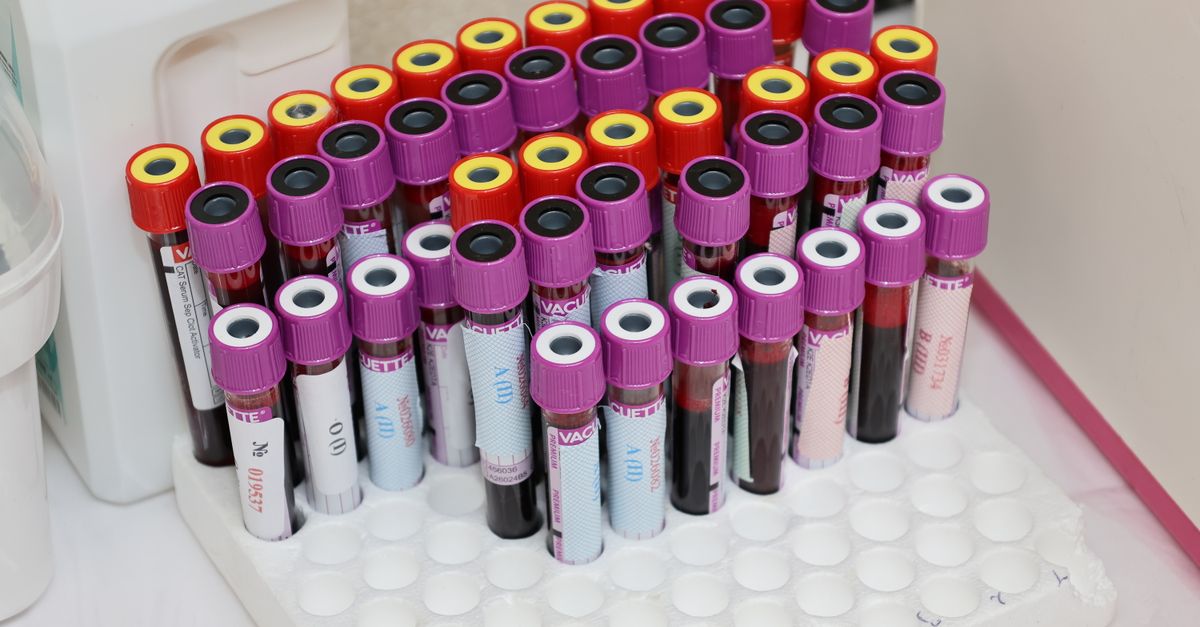
How Long Does It Take to Lower Total Cholesterol?
If your doctor has flagged a high total cholesterol reading, the first question most people ask is: how long is this going to take? The honest answer is that "total cholesterol" is a composite number — and the components within it move at very different speeds in response to diet, exercise, and supplementation.
In clinical trials, meaningful reductions in total cholesterol typically emerge within 6 to 12 weeks of consistent intervention. A landmark meta-analysis of plant sterol supplementation found an average total cholesterol reduction of roughly 9–10% within four to eight weeks at doses of 2 g per day (Ras et al., European Journal of Clinical Nutrition 2014; PMID: 24066882). Dietary pattern changes — particularly replacing saturated fat with unsaturated fat — can show measurable results in as little as three to four weeks, though full stabilization usually takes two to three months.
But total cholesterol alone is an imperfect target. Modern cardiovascular risk assessment has shifted toward particles — specifically LDL particle number (LDL-P) and apolipoprotein B (ApoB) — because these are more directly linked to atherosclerotic plaque formation than the simple total cholesterol value. Understanding how each marker responds to intervention helps you set realistic expectations and prioritize the right strategy for your biology.
---
How Long Does It Take to Lower LDL Particle Number?
LDL particle number (LDL-P) is measured by NMR-based lipid panels such as those from LabCorp or Quest, and it tells you how many LDL particles are circulating — not just how much cholesterol they're carrying. A person can have a "normal" LDL-C of 100 mg/dL but an elevated LDL-P above 1,200 nmol/L, which significantly increases cardiovascular risk.
Reducing LDL-P requires shrinking the pool of small, dense LDL particles. The most evidence-backed nutritional approaches target both dietary cholesterol load and carbohydrate quality. In a 12-week randomized controlled trial, a low-carbohydrate diet reduced LDL particle number significantly compared to a low-fat diet, even when total LDL-C was similar between groups (Volek et al., Lipids 2009; PMID: 19082851). This suggests that glycemic load plays a direct role in LDL particle composition, not just total fat intake.
Omega-3 fatty acids (EPA and DHA) are another well-documented tool. High-dose EPA has been shown to shift LDL toward larger, less atherogenic particles and reduce particle number over 12–16 weeks (Mori et al., Arteriosclerosis, Thrombosis, and Vascular Biology 2000; PMID: 10764677). Realistic timeline: 8 to 16 weeks for meaningful LDL-P shifts with dietary plus supplemental intervention.
---
How Long Does It Take to Lower ApoB?
ApoB is widely regarded as the single best lipid marker for cardiovascular risk. Each atherogenic lipoprotein particle — VLDL, IDL, and LDL — carries exactly one ApoB molecule, making ApoB a direct count of all potentially dangerous particles in circulation. Many lipidologists now argue that ApoB should replace both total cholesterol and LDL-C as the primary treatment target.
In terms of timeline, ApoB responds similarly to LDL-P. A systematic review found that replacing dietary saturated fat with polyunsaturated fat reduced ApoB by an average of 4–5% within six to eight weeks (Mensink et al., American Journal of Clinical Nutrition 2003; PMID: 12716665). When statin therapy is the chosen intervention, ApoB reductions of 25–50% can occur within four weeks of achieving therapeutic dosing — one of the fastest responses of any lipid marker.
For those pursuing non-pharmaceutical approaches, Omega-3 supplementation at doses of 2–4 g of combined EPA/DHA per day consistently lowers VLDL-derived particles (which contribute to total ApoB burden), especially in people with hypertriglyceridemia. Realistic timeline: 6 to 12 weeks for meaningful ApoB movement with lifestyle plus supplementation; faster with medication.
If you're tracking ApoB through advanced labs like Function Health's cardiovascular panel or your own provider, repeat testing every 12 weeks gives you the clearest window into whether your intervention is working.
---
How Long Does It Take to Lower Triglycerides?
Triglycerides are often the fastest-moving lipid marker — and the one most directly controlled by diet. Because triglycerides reflect dietary fat and sugar intake in near real-time, they can drop dramatically within two to four weeks of removing excess alcohol, added sugars, and refined carbohydrates.
A rigorous meta-analysis of omega-3 supplementation across 21 trials found that EPA/DHA at doses averaging 3.35 g/day reduced fasting triglycerides by approximately 25–30% within 8 to 12 weeks in individuals with elevated baseline levels (Harris et al., American Journal of Cardiology 2007; PMID: 17916349). This makes omega-3 one of the most powerful non-prescription tools for triglyceride reduction.
Who benefits most from aggressive triglyceride reduction? Individuals with metabolic syndrome, non-alcoholic fatty liver disease (NAFLD), or fasting triglycerides above 200 mg/dL tend to see the largest absolute drops. People with genetically elevated triglycerides (familial hypertriglyceridemia) may need higher-dose EPA-only formulations under physician guidance and tend to respond more slowly.
Who should exercise caution? People on blood thinners should discuss high-dose omega-3 supplementation with their physician before starting, as EPA/DHA has mild antiplatelet properties at doses above 3 g/day.
---
How Long Does It Take to Lower Fasting Glucose? (And Why It Matters for Cholesterol)
This may seem off-topic — but fasting glucose and cholesterol are deeply linked through insulin resistance. Chronically elevated insulin promotes hepatic VLDL synthesis, which raises both triglycerides and small dense LDL. Fixing glucose dysregulation often produces simultaneous improvements in the entire lipid panel.
In practice, dietary interventions targeting insulin sensitivity — lower glycemic load eating patterns, increased soluble fiber intake, resistance training — can reduce fasting glucose by 5–15 mg/dL within four to eight weeks in pre-diabetic individuals (Weickert & Pfeiffer, Journal of Nutrition 2008; PMID: 18203890). As insulin sensitivity improves, the liver produces fewer VLDL particles, directly lowering triglycerides and LDL-P.
Magnesium deficiency is a frequently overlooked driver of both glucose dysregulation and dyslipidemia. Studies show that magnesium supplementation at 300–400 mg/day improves insulin sensitivity measurably within 12 weeks — an effect that compounds lipid-panel improvements in people who are both insulin-resistant and hypomagnesemic. If your lipid panel isn't budging despite dietary changes, checking your red blood cell magnesium (not serum magnesium, which is poorly sensitive) may reveal a modifiable gap.
---
Who Actually Benefits — and Who Should Skip Supplementation?
Not everyone needs the same approach to cholesterol management. Here's a practical breakdown:
Most likely to benefit from targeted supplementation:
- Adults with borderline total cholesterol (200–239 mg/dL) and no cardiac history
- Individuals with elevated triglycerides and low HDL (classic metabolic syndrome pattern)
- People with elevated LDL-P or ApoB despite normal total LDL-C
- Those with documented micronutrient gaps (magnesium, omega-3 index) on lab testing
Who should prioritize medication over supplements:
- Individuals with established cardiovascular disease (prior MI, stent, coronary artery disease)
- Familial hypercholesterolemia (LDL-C above 190 mg/dL with genetic basis)
- Statin-eligible patients per ACC/AHA pooled cohort risk calculator (10-year risk ≥7.5%)
Who should be cautious:
- People on anticoagulants (warfarin, Eliquis) considering high-dose omega-3 or CoQ10 — interaction monitoring is warranted
- Pregnant women — many supplements lack pregnancy safety data for cholesterol management
- Anyone substituting supplements for a proven pharmacological intervention without discussing it with their physician
Supplements are best understood as precision adjuncts — tools that fill specific biological gaps rather than replacements for established medical therapy.
---
What This Means for Your Formula
At Ones, cholesterol-related lab findings are analyzed in the context of your full lipid panel — including triglycerides, HDL, LDL-C, and ApoB where available — alongside wearable and lifestyle data. The AI doesn't apply a one-size-fits-all cardiovascular stack; it identifies which gaps are driving your specific pattern.
For individuals with elevated triglycerides and low omega-3 index, Omega-3 (EPA/DHA) is one of the most commonly included ingredients — dosed in the 2–3 g combined EPA/DHA range that matches the therapeutic thresholds used in clinical trials. Unlike many retail omega-3 products that underdose EPA, Ones formulations are calibrated to the ranges shown to move triglycerides and LDL particle composition.
For those showing signs of insulin resistance alongside dyslipidemia — a common combined pattern — Magnesium Glycinate from the Ones catalog (part of the Magnesium Complex System Blend) addresses the downstream lipid effects of hypomagnesemia at doses consistent with the mechanistic literature on insulin sensitivity.
When CoQ10 depletion is identified — particularly relevant for anyone already on or considering statin therapy, which blocks endogenous CoQ10 synthesis — Ones includes CoQ10/Ubiquinol at 200 mg, matching the dose studied in mitochondrial and cardiovascular support trials.
For more on how lipid markers interact with metabolic health tracking, see our guide to understanding your cardiovascular lab panel and omega-3 supplementation for heart health.
---
Key Takeaways
- Total cholesterol typically drops meaningfully within 6–12 weeks of dietary intervention and/or targeted supplementation — but it's a composite number that can mask important particle-level problems.
- LDL particle number (LDL-P) and ApoB are more predictive of cardiovascular risk than total cholesterol; both respond in 8–16 weeks with the right dietary fat quality and omega-3 dosing.
- Triglycerides are the fastest-moving marker — they can fall 25–30% within 4–8 weeks by cutting added sugars, alcohol, and refined carbs, with further reductions from therapeutic omega-3 doses.
- Fasting glucose and cholesterol are linked through insulin resistance; addressing glucose dysregulation with dietary changes and magnesium support can simultaneously improve the entire lipid panel.
- Supplements are precision adjuncts, not replacements for medication in high-risk individuals. Familial hypercholesterolemia, established CVD, and ACC/AHA-eligible patients need pharmaceutical therapy as the foundation.
- Ones uses your actual lab data — including ApoB, triglycerides, and fasting glucose where tested — to build a formula targeting the specific gaps driving your pattern, rather than applying a generic cardiovascular stack.