Women's Health
How Much Evening Primrose Oil Do You Need in Perimenopause?
Hot flashes, dry skin, and mood swings can make perimenopause feel relentless — and evening primrose oil keeps coming up as a potential fix. But the dose matters enormously, and most women are either taking too little to see results or too much without a clear reason.
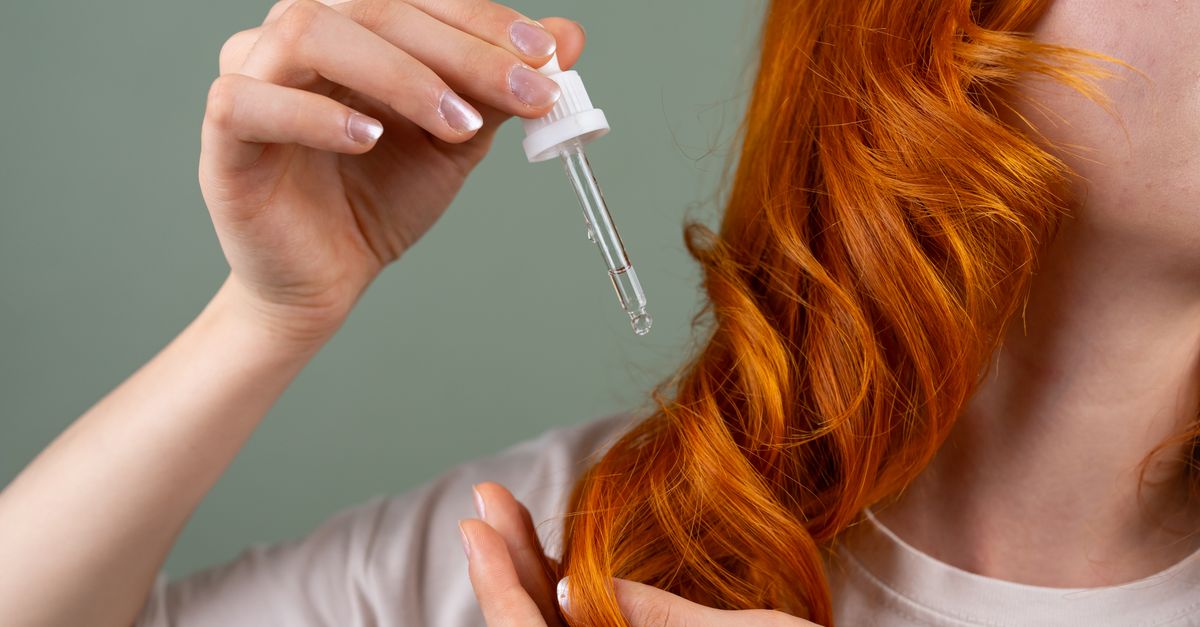
How Much Evening Primrose Oil Do You Need in Perimenopause?
For most perimenopausal women, a daily dose of 500 mg to 3 g of evening primrose oil (EPO) covers the clinically studied range, with the majority of hot flash trials clustering around 500–1,000 mg per day. The main caveat: EPO's benefits are primarily driven by its gamma-linolenic acid (GLA) content, so product quality determines whether any dose actually works. Women with existing bleeding disorders or those on anticoagulants should consult a provider before starting.
---
What Is Evening Primrose Oil and Why Does It Matter in Perimenopause?
Evening primrose oil is a cold-pressed seed oil derived from Oenothera biennis. Its primary active compound is gamma-linolenic acid (GLA), an omega-6 fatty acid that the body converts to anti-inflammatory prostaglandins — specifically prostaglandin E1 (PGE1). During perimenopause, estrogen fluctuations drive a cascade of symptoms: vasomotor events (hot flashes and night sweats), skin thinning, vaginal dryness, and mood instability. GLA's role in prostaglandin synthesis may help modulate thermoregulatory pathways and support skin barrier integrity, two of the most complained-about issues during this transition.
A standard evening primrose oil softgel contains roughly 8–10% GLA by weight, meaning a 1,000 mg capsule delivers approximately 80–100 mg of GLA. This distinction matters when comparing products — a cheap EPO with 6% GLA at 500 mg delivers only 30 mg of the active compound, which is unlikely to produce any measurable effect.
For a broader picture of who actually benefits from EPO — and who is better served by different interventions — the Evening Primrose Oil Benefits: Who Actually Benefits — and Who Should Skip It breakdown is worth reading alongside this dosing guide.
---
Clinical Evidence: What Doses Have Been Studied?
Hot Flash Frequency and Severity
The most cited trial on EPO for perimenopausal vasomotor symptoms is a double-blind, placebo-controlled study published in 2013 in Complementary Medicine Research. Researchers assigned 56 menopausal women to either 500 mg EPO twice daily (1,000 mg/day total) or placebo for 6 weeks. The EPO group reported a significant reduction in both the frequency and severity of hot flashes compared to placebo — with the severity score dropping by roughly 42% in the active group versus 11% in the placebo group (Farzaneh et al., Complementary Medicine Research 2013; PMID: 23640226).
A separate systematic review of botanical interventions for menopausal symptoms noted that EPO demonstrated modest but consistent benefit for vasomotor complaints at doses between 500 mg and 2 g daily, while acknowledging that the evidence base remains limited by small trial sizes and short durations (van Die et al., Journal of Alternative and Complementary Medicine 2013; PMID: 23368923).
For comparison, studies on PCOS — another GLA-relevant condition — have used 1–3 g/day, which overlaps with the upper range of perimenopausal dosing. The Does Evening Primrose Oil Help with PCOS? article covers those protocols in depth if your hormonal picture involves both conditions simultaneously.
Mood and Sleep
EPO's prostaglandin-modulating effects may also support mood stability. GLA serves as a precursor to PGE1, which has demonstrated effects on serotonin receptor sensitivity in animal models. While direct RCT evidence in perimenopausal women specifically is limited, GLA supplementation at 2–4 g/day has shown reductions in premenstrual mood symptoms in human trials, with benefits emerging after 3–4 months of continuous use (Khoo et al., Obstetrics and Gynecology 1990; PMID: 2330107). The mood-regulating timeline is slower than the vasomotor response — set a realistic expectation of 8–12 weeks before judging effectiveness.
---
Evening Primrose Oil for Skin: The GLA-Skin Barrier Connection
One of the clearest research signals for EPO lies in skin health — particularly for the dryness, thinning, and reduced elasticity that accelerate during perimenopause as estrogen declines.
GLA is a structural component of the skin's lipid barrier. When GLA intake is adequate, it integrates into cell membrane phospholipids and reduces transepidermal water loss (TEWL). A randomized controlled trial involving 45 adults with age-related skin dryness found that 500 mg of EPO daily for 12 weeks significantly improved skin moisture, elasticity, firmness, and roughness compared to placebo (Timoszuk et al., Antioxidants 2018; PMID: 30011886). The effect size on elasticity was approximately 25% greater in the EPO group.
For perimenopausal women, this is particularly relevant: estrogen loss reduces collagen synthesis by roughly 30% in the first five years of menopause (Thornton, American Journal of Clinical Dermatology 2013; PMID: 23377402), and GLA supplementation addresses one distinct pathway — barrier lipid composition — that estrogen cannot fully compensate for through other means.
Practical dosing for skin outcomes appears to sit at the lower end of the therapeutic range: 500 mg/day for 8–12 weeks, with higher doses (up to 2 g/day) used in more severe atopic or dryness presentations. Topical EPO is also used, but oral supplementation produces systemic GLA delivery that topical formulations cannot replicate.
---
Evening Primrose Oil for Weight Loss: What the Evidence Actually Shows
This is where expectations need to be calibrated carefully. The mechanistic argument is plausible: GLA may reduce the activity of lipoprotein lipase (LPL), an enzyme that promotes fat storage, and enhance thermogenesis through brown adipose tissue activation. Animal studies have demonstrated fat mass reductions with GLA supplementation.
In humans, the picture is more modest. A controlled study found that GLA supplementation (2.8 g/day over 1 year) significantly reduced weight regain in formerly obese adults who had achieved weight loss — but did not produce primary weight loss in individuals who had not already reduced caloric intake (Schirmer & Phinney, Journal of Nutrition 2007; PMID: 17449582). This is a meaningful distinction: EPO is not a fat-loss agent, but it may help prevent metabolic rebound in women actively managing their weight during the perimenopausal transition.
Perimenopause is associated with a shift toward central adiposity driven by estrogen decline and rising cortisol. If stress and cortisol dysregulation are part of the picture — which they frequently are — addressing that axis directly through ashwagandha in perimenopause alongside EPO may produce better composite outcomes than EPO alone for metabolic health. GLA is not a substitute for comprehensive hormonal and metabolic support; it is one piece of a broader puzzle.
---
Best Time to Take Evening Primrose Oil
The optimal timing for EPO comes down to two considerations: absorption and gastrointestinal tolerance.
With meals is strongly preferred. Evening primrose oil is a fat-soluble supplement. When taken alongside dietary fat — even a small amount — micellar formation in the gut dramatically improves GLA absorption. Taking EPO on an empty stomach not only reduces bioavailability but also frequently causes nausea, bloating, or loose stools, which are the most common reasons women discontinue supplementation.
Morning vs. evening: There is no strong clinical evidence favoring one time of day over another for therapeutic effect. However, women taking EPO primarily for hot flash relief often find that splitting the dose — half with breakfast, half with dinner — provides more consistent symptom coverage across the day, since GLA's prostaglandin-modulating effects are not immediate.
Duration matters more than timing: Most measurable benefits in clinical trials emerge at 6–12 weeks of continuous daily use. Short-term or intermittent dosing is unlikely to achieve meaningful GLA tissue saturation.
For additional context on meal-based supplement timing strategies, the How Much Evening Primrose Oil Do You Need in Menopause? guide covers similar timing principles applied to the post-menopausal context.
---
Evening Primrose Oil Before or After Workout
From a sports nutrition perspective, EPO's GLA content has mild anti-inflammatory properties that could theoretically support recovery. GLA competes with arachidonic acid for enzymatic conversion, potentially shifting the prostaglandin balance toward less pro-inflammatory eicosanoids after exercise-induced tissue stress.
In practice, there is no strong human RCT evidence specifically examining EPO timing around exercise for perimenopausal women. The general guidance follows the fat absorption principle: take EPO with your largest meal of the day, regardless of whether that falls before or after training. If you train fasted in the morning, do not take EPO pre-workout on an empty stomach — save it for your post-workout meal where co-ingested fat will maximize GLA absorption.
For perimenopause-specific workout supplementation, creatine has considerably stronger evidence for muscle mass preservation and strength — see How Much Creatine Do You Need in Perimenopause? for the clinical dosing breakdown. EPO and creatine address different physiological targets and can be taken together without known interactions.
---
Dosing Summary: A Practical Framework
| Goal | Daily EPO Dose | GLA Delivered (at 10% GLA) | Duration Before Reassessing |
|---|---|---|---|
| Hot flash reduction | 500–1,000 mg | 50–100 mg GLA | 6–8 weeks |
| Skin hydration & elasticity | 500 mg | ~50 mg GLA | 8–12 weeks |
| Mood/sleep support | 1,000–2,000 mg | 100–200 mg GLA | 10–12 weeks |
| Weight regain prevention | 2,000–3,000 mg | 200–300 mg GLA | 12+ weeks |
| General perimenopausal support | 500–1,000 mg | 50–100 mg GLA | Ongoing |
Note: Check the supplement facts panel for GLA percentage — this is the number that determines effective dose, not total EPO weight.
---
What This Means for Your Formula
At Ones, every supplement formula is built from an analysis of your actual biology — blood work, wearable data, and your health history — rather than a generic perimenopausal protocol. For women in perimenopause whose data shows inflammatory markers, skin health signals, or vasomotor patterns, relevant ingredients from the Ones catalog include:
- Evening Primrose Oil (standardized GLA): Dosed in the 500–1,000 mg range to align with the vasomotor and skin evidence base, included where the individual's profile supports GLA-driven prostaglandin support.
- Omega-3 (EPA/DHA): GLA and EPA work synergistically along the prostaglandin pathway — EPA's anti-inflammatory effects complement GLA's PGE1 promotion. Ones sources a high-quality omega-3 with verified EPA/DHA ratios dosed to clinical ranges.
- Magnesium Complex: Magnesium supports the enzymatic conversion of GLA to downstream prostaglandins (delta-6-desaturase activity requires magnesium as a cofactor), making magnesium adequacy a prerequisite for EPO to work as expected.
Because the AI practitioner at Ones reviews your actual lab values before building your formula, it can flag whether your magnesium status, inflammatory markers, or omega-6/omega-3 ratio suggests EPO would be a productive addition — or whether a different intervention would produce better results for your specific pattern.
---
Key Takeaways
- 500–1,000 mg/day is the most evidence-supported dose range for hot flash reduction in perimenopause, based on the primary RCT evidence.
- GLA content — not total EPO weight — is the active variable; always check the supplement facts panel for GLA percentage.
- Take EPO with meals containing dietary fat; absorption is significantly higher and GI side effects are minimized.
- Skin and mood benefits require longer timelines — expect 8–12 weeks of consistent daily use before evaluating results.
- EPO is not a primary weight-loss tool but may help prevent fat regain in women actively managing body composition through diet.
- GLA works best with adequate magnesium and omega-3 co-factors; addressing the full pathway produces better outcomes than EPO in isolation.
This article is for informational purposes only and does not constitute medical advice. Consult a qualified healthcare provider before beginning any new supplement regimen, particularly if you are taking anticoagulants, NSAIDs, or hormone therapy.