Supplements
How Often Should A1C Be Tested?: Bioavailability, Stack Synergies, and Lab-Backed Dosing
Nearly 38 million Americans have diabetes and another 96 million have prediabetes — yet most don't test their A1C often enough to catch early metabolic drift. Knowing when and how frequently to run this single marker (and the thyroid and inflammatory labs that pair with it) can be the difference between course-correcting early and facing a diagnosis years too late. This guide covers testing frequency, what moves the needle between labs, and how personalized data drives smarter supplementation.
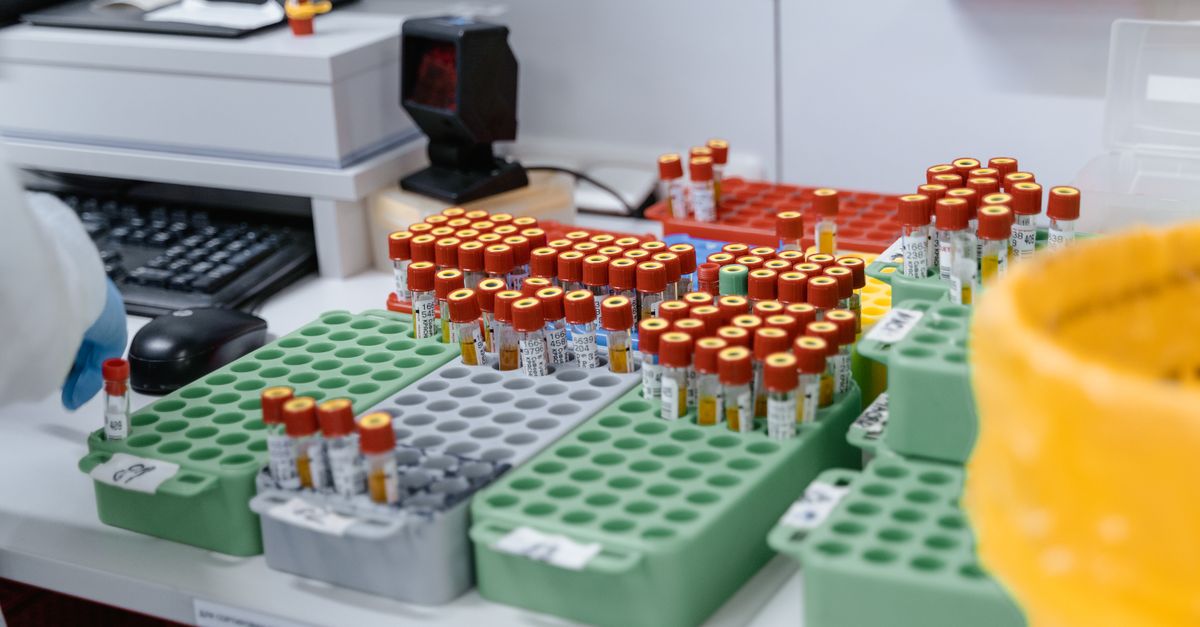
How Often Should A1C Be Tested?: A Lab-Timing Guide Built on Clinical Evidence
Hemoglobin A1C (HbA1c) is one of the most clinically actionable numbers in preventive medicine. It reflects your average blood glucose over the past two to three months by measuring the percentage of hemoglobin proteins coated in glucose — a process called glycation. Unlike a fasting glucose reading, which is a snapshot, A1C tells a story. But only if you're testing it at the right intervals.
The Centers for Disease Control and Prevention estimate that 96 million U.S. adults — more than one in three — have prediabetes, and the vast majority don't know it (CDC, National Diabetes Statistics Report 2022). One reason: they're not testing frequently enough, or they're testing A1C in isolation without tracking the other metabolic and hormonal markers that influence it.
This article unpacks evidence-based A1C testing frequency, what lifestyle and supplement inputs can shift the number between draws, and why pairing A1C with thyroid markers and inflammatory labs like fibrinogen gives you a far more complete picture of metabolic health.
---
How Often Should A1C Be Tested? Clinical Guidelines vs. Real-World Practice
The American Diabetes Association (ADA) publishes the most widely referenced framework for A1C testing frequency:
| Clinical Situation | Recommended A1C Testing Frequency |
|---|---|
| Non-diabetic, low risk, stable diet | Once per year |
| Prediabetes (A1C 5.7–6.4%) | Every 3–6 months |
| Type 2 diabetes, well-controlled (A1C < 7%) | Every 6 months |
| Type 2 diabetes, poorly controlled or recently adjusted | Every 3 months |
| Type 1 diabetes | Every 3 months |
| Newly diagnosed, any type | Every 3 months until stable |
(ADA Standards of Medical Care in Diabetes, Diabetes Care 2024)
For people actively trying to reverse prediabetes through nutrition, exercise, or targeted supplementation, testing every three months makes strategic sense — it maps almost perfectly onto the biological window A1C reflects. Waiting twelve months means you could spend a full year heading in the wrong direction before you know it.
Important caveat: A1C is not infallible. Conditions that affect red blood cell lifespan — including iron-deficiency anemia, hemolytic anemia, and certain hemoglobin variants — can artificially raise or lower results. In these cases, fasting glucose and a two-hour oral glucose tolerance test (OGTT) provide complementary data (Gallagher et al., Journal of Clinical Endocrinology & Metabolism 2009; PMID: 19349479).
---
What Actually Moves A1C Between Testing Intervals
Understanding testing frequency is only half the equation. The other half is understanding which inputs reliably shift A1C over a 90-day window.
Dietary pattern: A low-glycemic, higher-fiber dietary approach is the most consistently documented non-pharmacological A1C reducer. A meta-analysis of 28 randomized trials found that low-glycemic-index diets reduced A1C by an average of 0.5 percentage points — clinically significant for prediabetes management (Livesey et al., American Journal of Clinical Nutrition 2019; PMID: 30722007).
Aerobic and resistance exercise: Both modalities improve insulin sensitivity through distinct mechanisms. A 2012 meta-analysis across 47 trials found that combined aerobic plus resistance training reduced A1C by 0.67% compared to controls (Umpierre et al., JAMA 2011; PMID: 21343580).
Sleep quality: Poor sleep consistently elevates cortisol and impairs glucose regulation. Even short-term sleep restriction to 4–5 hours per night has been shown to reduce insulin sensitivity by up to 25% in controlled studies (Spiegel et al., Sleep 2005; PMID: 16335312).
Targeted supplementation: Berberine, chromium picolinate, magnesium, and alpha-lipoic acid each have published evidence for modest but meaningful A1C and fasting glucose improvements. Berberine specifically has been compared head-to-head with metformin in small trials, with comparable glucose-lowering efficacy (Zhang et al., Metabolism 2008; PMID: 18442638).
For anyone using lifestyle and supplement strategies to manage A1C, the 3-month testing cadence isn't just about following guidelines — it's a feedback loop. Change your inputs, test your outputs, adjust.
---
How Often Should Fibrinogen Be Tested?
Fibrinogen is a clotting protein produced by the liver, and elevated levels are an independent risk factor for cardiovascular disease and metabolic dysfunction. It also rises in the context of chronic low-grade inflammation — the same inflammatory environment that drives insulin resistance and accelerates glycation.
For most adults without known cardiovascular or inflammatory conditions, fibrinogen testing every 12 months as part of a comprehensive metabolic panel is reasonable. For individuals with metabolic syndrome, prediabetes, or elevated CRP, testing every 6 months alongside A1C provides a more complete inflammatory and cardiovascular risk picture.
Normal fibrinogen ranges typically fall between 200–400 mg/dL. Levels above 400 mg/dL are associated with increased thrombotic and cardiovascular risk (Danesh et al., JAMA 2005). When fibrinogen is elevated alongside A1C, that combination signals systemic inflammation driving both glycation and coagulation risk — a scenario that warrants more aggressive lifestyle and potentially supplemental intervention.
Omega-3 fatty acids (EPA and DHA) have documented effects on fibrinogen reduction, with higher-dose protocols (≥2g EPA+DHA daily) showing the most consistent results in trials examining cardiovascular inflammatory markers.
---
How Often Should TSH Be Tested?
Thyroid-stimulating hormone (TSH) has a surprisingly strong connection to metabolic health and A1C. Hypothyroidism slows glucose metabolism, raises LDL cholesterol, and increases insulin resistance — all of which can indirectly elevate A1C over time. Subclinical hypothyroidism (TSH elevated, but free T4 still normal) affects an estimated 4–10% of the general population and is frequently underdiagnosed.
For adults with no known thyroid disease and no metabolic concerns, TSH testing every 1–2 years is standard practice. However, for anyone with:
- A1C trending upward without obvious lifestyle cause
- Unexplained fatigue, weight gain, or cold intolerance
- A personal or family history of autoimmune thyroid disease
- A diagnosis of type 1 or type 2 diabetes
...TSH should be tested annually at minimum, and some clinicians recommend every 6 months. The ADA explicitly recommends screening for thyroid dysfunction in people with type 1 diabetes at diagnosis and every 1–2 years thereafter (ADA Standards of Care 2024).
TSH reference ranges are contested, but most integrative practitioners target a TSH between 1.0 and 2.5 mIU/L for optimal thyroid function, compared to the broader conventional lab range of 0.4–4.0 mIU/L.
---
How Often Should Free T4 Be Tested?
Free T4 (thyroxine) is the primary hormone secreted by the thyroid gland. Unlike total T4, free T4 measures the unbound, biologically active fraction. Testing free T4 alongside TSH provides a more complete picture of thyroid axis function — particularly useful when TSH is borderline or when thyroid symptoms persist despite a "normal" TSH.
For people with established hypothyroidism on levothyroxine therapy, free T4 is typically rechecked 6–8 weeks after any dose change, then every 6 months once stable. For those monitoring thyroid function in the context of metabolic health (including A1C management), annual free T4 testing alongside TSH is appropriate unless symptoms prompt earlier evaluation.
It's worth noting that low-normal free T4 can be associated with impaired glucose disposal and increased metabolic risk even when TSH is within range — another reason to view thyroid and metabolic markers as an interconnected panel rather than isolated data points.
---
How Often Should Free T3 Be Tested?
Free T3 (triiodothyronine) is the active form of thyroid hormone that actually enters cells and drives metabolism. Most free T3 is converted peripherally from T4 rather than secreted directly by the thyroid. Factors that impair T4-to-T3 conversion include chronic stress (elevated cortisol), selenium deficiency, zinc deficiency, and — importantly — insulin resistance itself.
This creates a bidirectional relationship: poor metabolic health can impair T3 conversion, and low T3 can worsen insulin sensitivity. For anyone whose A1C is creeping up alongside fatigue and cold intolerance, checking free T3 (not just TSH and free T4) can reveal an underperforming conversion pathway.
Conventional labs don't always include free T3 in standard thyroid panels. It's worth requesting specifically. Testing frequency mirrors free T4 recommendations: annually for monitoring purposes, or every 6 months when actively managing hypothyroid symptoms or metabolic dysfunction.
Selenium plays a direct role in T4-to-T3 conversion via selenoenzymes (specifically iodothyronine deiodinases). Selenium deficiency is well documented to impair this process (Köhrle et al., Thyroid 2005; PMID: 15916168).
---
How Ones Addresses This
Personalized metabolic health management starts with understanding which markers to track and at what frequency. Ones connects lab results — including A1C, TSH, free T3, free T4, and fibrinogen — with wearable data and health history to identify the root causes behind trending numbers. The AI then builds a custom daily capsule formula targeting those specific gaps.
For individuals with metabolic and thyroid concerns, several Ones ingredients are clinically relevant:
Berberine (500mg): Supported by head-to-head trials vs. metformin for fasting glucose reduction, berberine is a foundational metabolic ingredient when A1C trends suggest glucose dysregulation. The mechanism involves AMPK activation — essentially mimicking some effects of caloric restriction at the cellular level (Zhang et al., Metabolism 2008; PMID: 18442638).
Omega-3 (EPA/DHA): Ones includes pharmaceutical-grade fish oil dosed to clinical ranges relevant for inflammatory marker reduction — including elevated fibrinogen. EPA and DHA also support insulin sensitivity through PPAR-gamma activation and reduction of pro-inflammatory cytokines.
Thyroid Support (Ones System Blend): For users whose lab data reveals thyroid axis irregularities alongside metabolic concerns, the Thyroid Support blend addresses key co-factors in thyroid hormone synthesis and conversion — including selenium, which directly supports T4-to-T3 conversion via selenoenzyme activity, and zinc, which is required for TSH receptor signaling.
Because Ones formulas are calibrated to 6 or 9 capsules daily based on each user's specific lab findings and health profile, the AI determines which combination of ingredients is most warranted — rather than applying a one-size-fits-all metabolic or thyroid stack.
If you're actively tracking A1C and thyroid markers, pairing that data with a platform that can translate your results into a targeted formula closes the gap between knowing your numbers and acting on them. Learn more about lab-based metabolic supplement protocols or explore thyroid health and supplement support strategies.
---
Key Takeaways
- A1C testing frequency depends on your metabolic status: annually for low-risk adults, every 3–6 months for prediabetes, and every 3 months for active management or recently diagnosed diabetes.
- A1C reflects a 90-day average, making quarterly testing the ideal feedback loop for anyone using diet, exercise, or supplementation to move the number.
- Thyroid dysfunction is bidirectionally linked to insulin resistance — TSH, free T4, and free T3 should be part of any comprehensive metabolic health panel, tested annually or every 6 months if symptomatic.
- Elevated fibrinogen signals systemic inflammation that compounds metabolic and cardiovascular risk; annual testing is appropriate for most adults, more frequently with known metabolic syndrome.
- Key supplements with evidence for A1C or metabolic support include berberine, omega-3 fatty acids, magnesium, and alpha-lipoic acid — each with distinct mechanisms and specific clinical dose ranges.
- Personalized platforms like Ones use actual lab data to build targeted formulas, making it easier to match the right ingredients and doses to your specific metabolic and thyroid findings rather than guessing.
Always consult a qualified healthcare provider before making changes to your testing schedule, medications, or supplement protocol.