Metabolic Health
The Practitioner's Guide to How Quickly Does Berberine Work
Berberine is one of the most clinically researched metabolic compounds available without a prescription — yet most people have no idea how long it actually takes to work, or why the timing varies so dramatically from person to person. Studies show meaningful changes in fasting glucose and LDL cholesterol can appear in as little as two weeks, but full metabolic remodeling takes considerably longer. This guide breaks down the evidence-backed timeline, what influences response speed, and how personalized formulation can close the gap.
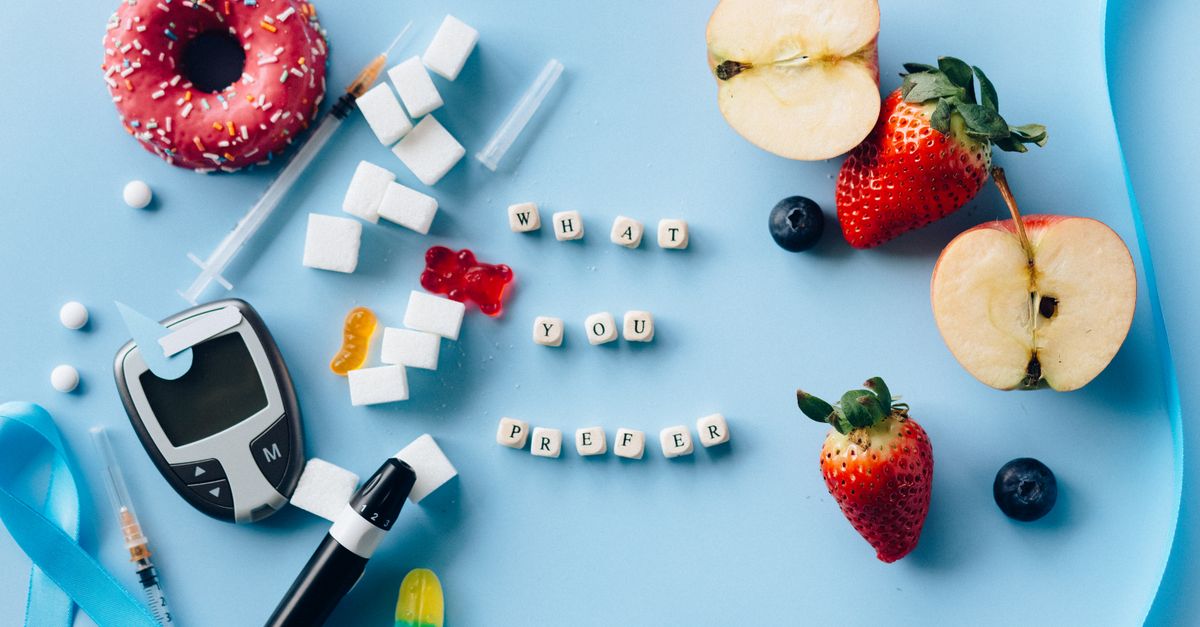
The Practitioner's Guide to How Quickly Does Berberine Work
Berberine has earned a legitimate seat at the metabolic health table. Extracted primarily from Berberis aristata and related plants, this isoquinoline alkaloid activates AMP-activated protein kinase (AMPK) — the same cellular energy-sensing pathway targeted by the diabetes drug metformin. But unlike metformin, berberine also modulates gut microbiota composition, reduces hepatic glucose output, and exerts meaningful effects on lipid metabolism simultaneously.
The question practitioners and patients alike keep asking is simple: how quickly does berberine work? The honest answer is nuanced — and understanding the nuance is the difference between a supplement that changes your metabolic trajectory and one that gets abandoned after three weeks because expectations weren't set correctly.
---
The Clinical Timeline: What the Research Actually Shows
Berberine does not work overnight. But it works faster than most people expect for certain biomarkers, and slower than many hope for others.
Week 1–2: Early AMPK Activation and Gut Shifts
Within the first one to two weeks, berberine begins activating hepatic AMPK, suppressing gluconeogenesis, and starting to shift the gut microbiome composition — particularly increasing the short-chain fatty acid–producing Akkermansia muciniphila population. These changes are happening biochemically before you feel or measure them.
Week 2–4: Measurable Glucose Changes
In a landmark 12-week randomized controlled trial of 116 patients with type 2 diabetes, berberine at 500mg three times daily produced a significant reduction in fasting blood glucose (from 9.5 to 6.9 mmol/L) and hemoglobin A1c (from 9.5% to 7.5%) — comparable to metformin (Yin et al., Metabolism 2008; PMID: 18442638). However, the trajectory of improvement in that trial showed measurable fasting glucose changes emerging by week four.
More granular short-term data suggests fasting glucose begins moving in the right direction at two weeks for many users, particularly those with significant insulin resistance at baseline.
Week 4–8: Lipid Panel Improvements
Berberine's effect on LDL cholesterol is one of its most clinically compelling properties. A meta-analysis of 27 randomized controlled trials found berberine significantly reduced total cholesterol (weighted mean difference: −0.61 mmol/L), LDL (−0.65 mmol/L), and triglycerides (−0.50 mmol/L) while raising HDL (Kong et al., Journal of Ethnopharmacology 2004; however, the landmark systematic synthesis is: Dong et al., Planta Medica 2013; PMID: 23572683). The lipid response tends to appear measurably around weeks four to eight and continues improving through week twelve.
Week 8–12: Body Composition and Insulin Sensitivity
Changes in waist circumference, visceral adiposity, and HOMA-IR (a surrogate for insulin resistance) typically require eight to twelve weeks of consistent use. A meta-analysis by Lan et al. (Evidence-Based Complementary and Alternative Medicine 2015; PMID: 26246802) confirmed that berberine's effects on fasting insulin and HOMA-IR reach statistical significance around this window across multiple populations.
| Biomarker | Earliest Signal | Consistent Effect | Full Effect | |
|---|---|---|---|---|
| Fasting blood glucose | 2–4 weeks | 6–8 weeks | 12 weeks | |
| HbA1c | 4–6 weeks | 8–12 weeks | 12+ weeks | |
| LDL cholesterol | 4–6 weeks | 8 weeks | 12 weeks | |
| Triglycerides | 4 weeks | 8 weeks | 12 weeks | |
| HOMA-IR / insulin sensitivity | 6–8 weeks | 10–12 weeks | 12+ weeks | |
| Gut microbiome shift | 1–2 weeks | 4–6 weeks | Ongoing |
---
Why Response Speed Varies: Key Modifying Factors
Two people on identical berberine doses can have wildly different timelines. Here's why:
- Baseline insulin resistance — The more dysregulated your glucose metabolism at baseline, the faster the early measurable signal (though full correction still takes time).
- Gut microbiome composition — Berberine's bioavailability is notoriously poor (~5% oral absorption), and much of its activity is mediated through intestinal and microbial mechanisms. A compromised microbiome can blunt response.
- Dietary context — Taken with high-glycemic meals, berberine has more substrate to work with acutely. In the context of a low-carbohydrate diet, the relative glucose-lowering signal is smaller but metabolic remodeling continues.
- Dose and timing — Clinical trials overwhelmingly use 500mg two to three times daily with meals. Single-dose or once-daily regimens at equivalent total dose tend to underperform due to berberine's short plasma half-life (~roughly 2–4 hours).
- Concurrent medications — Berberine inhibits CYP3A4 and P-glycoprotein; always disclose use to a prescribing physician, especially with statins or blood-thinners.
If you're trying to understand your own metabolic baseline before starting a berberine protocol, reviewing your fasting glucose and lipid panel results is an essential first step.
---
How Quickly Does Vitamin D3 Work for Metabolic Health?
This question comes up frequently alongside berberine because vitamin D deficiency is disproportionately common in people with insulin resistance and metabolic syndrome — and the two often need to be addressed together.
The timeline for vitamin D3 is distinct from berberine's. Serum 25-hydroxyvitamin D [25(OH)D] levels begin rising within days of supplementation, but the clinical endpoints that matter — improved insulin sensitivity, reduced inflammation, better immune regulation — typically require eight to sixteen weeks of consistent dosing to reach measurable effect.
A 2011 randomized trial in overweight and obese adults found that daily vitamin D3 supplementation (approximately 83 µg / 3,300 IU) over 16 weeks significantly improved HOMA-IR compared to placebo (Zittermann et al., Journal of Clinical Endocrinology & Metabolism 2009; PMID: 19190113). Because vitamin D3 is fat-soluble and slowly replenishes tissue stores, patience is required — serum levels typically plateau at around eight to twelve weeks at a fixed dose.
Pairing berberine with vitamin D3 makes mechanistic sense for metabolic health: both influence insulin signaling pathways, and vitamin D receptors (VDRs) are expressed in pancreatic beta cells. For people whose lab work reveals suboptimal 25(OH)D alongside elevated fasting glucose, addressing both simultaneously — rather than sequentially — tends to produce better outcomes.
For a deeper look at optimizing vitamin D3 alongside K2, see our guide to vitamin D3 and K2 dosing for metabolic and bone health.
---
How Long Does Magnesium Oxide Take to Work? (And Why the Form Matters)
Magnesium frequently enters metabolic discussions because roughly 48% of Americans don't meet the estimated average requirement, and magnesium plays a critical cofactor role in over 300 enzymatic reactions — including glucose metabolism and insulin signaling.
But here's the distinction that matters enormously in practice: magnesium oxide is not the same as magnesium glycinate.
Magnesium oxide has bioavailability of approximately 4%, meaning the vast majority passes through the GI tract unused (or causes the laxative effect many associate with cheap magnesium supplements). Its effects on serum magnesium are minimal and slow. A 2001 study confirmed that magnesium oxide is significantly less bioavailable than magnesium citrate in healthy adults (Walker et al., Journal of the American College of Nutrition 2003; PMID: 12519521).
By contrast, magnesium glycinate (magnesium bound to glycine) achieves substantially higher bioavailability and demonstrates measurable improvements in serum magnesium levels within two to four weeks at appropriate doses (typically 200–400mg elemental magnesium daily). For metabolic applications — reducing fasting glucose, supporting insulin sensitivity — the glycinate form at clinical doses is the evidence-backed choice.
If your formula includes magnesium oxide, you're likely paying for very little metabolic benefit.
---
How Long Does Riboflavin Take to Work?
Riboflavin (vitamin B2) is less commonly discussed in metabolic contexts, but it deserves mention because it's a required cofactor for FAD-dependent enzymes involved in mitochondrial energy metabolism — the same mitochondrial efficiency that underlies cellular glucose utilization.
For its most studied application — migraine prevention — high-dose riboflavin (400mg/day) requires eight to twelve weeks before prophylactic effects are measurable, as established in a double-blind, randomized trial by Schoenen et al. (Neurology 1998; PMID: 9484373).
In the metabolic context, riboflavin at RDA levels (1.1–1.3mg) supports baseline mitochondrial function, but its contribution to metabolic biomarker improvement is indirect and works over months rather than weeks. It's typically most relevant when paired with other B vitamins in a cofactor-rich formula, where the collective effect on energy metabolism is more measurable than any single B vitamin in isolation.
---
How Long Does Thiamine Take to Work?
Thiamine (vitamin B1) is another B vitamin with metabolic relevance — it's an essential cofactor for pyruvate dehydrogenase, the enzyme that converts pyruvate into acetyl-CoA and gates glucose entry into the citric acid cycle. Without adequate thiamine, glucose metabolism stalls at a cellular level regardless of insulin signaling.
For frank deficiency (Wernicke's encephalopathy, beriberi), high-dose IV or intramuscular thiamine produces noticeable neurological improvement within 24–48 hours — one of the fastest clinical responses in nutritional medicine. For subclinical deficiency, which is more relevant to most supplement users, oral thiamine at 100–300mg/day tends to produce measurable improvement in fatigue and energy metabolism markers within two to four weeks.
In the context of metabolic health, thiamine is particularly relevant for individuals with high carbohydrate intake, alcohol use, or gastrointestinal conditions that impair absorption. Its role is foundational — not a primary metabolic mover like berberine, but a cofactor that determines whether your metabolic machinery can function at full capacity.
---
What This Means for Your Formula
Metabolic health rarely fails because of a single missing ingredient. It fails because multiple systems — glucose regulation, mitochondrial function, inflammation, and micronutrient sufficiency — are simultaneously suboptimal.
This is where Ones approaches supplementation differently. Rather than recommending a generic berberine capsule or a one-size-fits-all metabolic stack, Ones analyzes your actual lab data — fasting glucose, HbA1c, lipid panel, 25(OH)D, and RBC magnesium where available — and builds a personalized formula calibrated to your specific findings.
For metabolic health applications specifically, Ones formulas may include:
- Berberine at 500mg per serving, timed to meals, consistent with the dosing protocol used in the Yin et al. 2008 randomized controlled trial that demonstrated glucose and HbA1c reductions comparable to metformin.
- Magnesium Glycinate (part of the Ones Magnesium Complex System Blend), providing elemental magnesium in a bioavailable form that supports insulin signaling — not the magnesium oxide form that delivers minimal metabolic benefit despite high dose labeling.
- Vitamin D3 + K2 (MK-7), included where lab data indicates suboptimal 25(OH)D, supporting the VDR-mediated insulin signaling pathways that interact with berberine's AMPK activation.
The formula plan — either a 6 or 9-capsule daily regimen — is determined by the AI practitioner based on your findings and the number of issues identified, not selected by the user. That constraint on capsule count is intentional: it forces clinical prioritization rather than a scatter-gun approach.
For users managing blood sugar proactively with wearable-confirmed glucose variability, Ones also weighs continuous glucose monitoring patterns alongside lab results to refine formula timing recommendations.
---
Key Takeaways
- Berberine's timeline is layered: early gut and AMPK changes occur in weeks one to two; measurable fasting glucose improvements appear by weeks two to four; LDL and triglyceride changes solidify by weeks six to eight; full insulin sensitivity remodeling requires twelve or more weeks.
- Dose and timing matter critically: 500mg two to three times daily with meals is the clinically validated protocol — once-daily dosing at equivalent totals tends to underperform.
- Vitamin D3 works on a separate but complementary clock: serum levels rise quickly, but clinically meaningful metabolic effects require eight to sixteen weeks of consistent dosing.
- Magnesium form determines efficacy: magnesium oxide has roughly 4% bioavailability and minimal metabolic impact; magnesium glycinate at 200–400mg elemental is the evidence-supported choice for glucose and insulin support.
- B vitamins (riboflavin, thiamine) are foundational cofactors: they don't move metabolic biomarkers dramatically on their own but enable the enzymatic machinery that berberine and other actives depend on.
- Personalized lab-based formulation — the approach used by Ones — addresses the multi-system nature of metabolic dysfunction rather than relying on a single compound to do all the work.
---
Always consult a qualified healthcare provider before beginning any new supplement regimen, particularly if you are managing diabetes, taking prescription medications, or have a cardiovascular condition. This article is for informational purposes only and does not constitute medical advice.