Women's Health
How to Lower Estrogen Naturally
Estrogen dominance affects far more people than standard lab ranges suggest — studies estimate it drives symptoms in up to 50% of women over 35. If you're dealing with unexplained weight gain, breast tenderness, or disrupted sleep, your estrogen-to-progesterone ratio may be the culprit. The good news is that diet, specific nutrients, and lifestyle shifts can meaningfully move the needle.
How to Lower Estrogen Naturally
Yes, estrogen can be meaningfully lowered through diet, targeted nutrients, and lifestyle changes — and for most people, those interventions are the right first step. The main caveat: "high estrogen" usually means estrogen dominance (a poor ratio relative to progesterone), not necessarily an absolute excess — so testing both hormones matters. The exception is anyone on hormone therapy or with an estrogen-producing tumor, where medical management comes first.
---
Signs of High Estrogen You Shouldn't Ignore
Before optimizing, it helps to know what you're dealing with. Estrogen dominance produces a recognizable cluster of symptoms that overlap with other conditions, which is why it's so often missed on routine panels:
- Irregular or heavy periods — excess estrogen thickens the uterine lining faster than progesterone can balance it
- Breast tenderness or fibrocystic changes — estrogen stimulates breast tissue proliferation
- Bloating and fluid retention — estrogen promotes aldosterone activity, which drives sodium and water retention
- Mood swings, anxiety, and poor sleep — estrogen modulates serotonin and GABA receptors; imbalance disrupts both
- Weight gain around hips and thighs — estrogen receptors are dense in adipose tissue in those areas
- Brain fog and fatigue — especially in the luteal phase when progesterone should be dominant
- Low libido — often the result of testosterone being crowded out by high SHBG (sex hormone-binding globulin), which estrogen elevates
If you're also dealing with elevated cortisol, it's worth noting that chronic cortisol elevation competes with progesterone for receptor sites — amplifying the estrogen dominance picture even when estrogen levels look normal in isolation.
---
Foods That Boost Estrogen (and What to Reduce)
Certain dietary patterns accelerate estrogen accumulation — either by supplying phytoestrogenic compounds, promoting gut dysbiosis that impairs estrogen clearance, or spiking insulin, which suppresses SHBG and raises free estrogen.
Dietary factors that raise estrogen load
| Food / Factor | Mechanism | Evidence Level |
|---|---|---|
| Alcohol (> 1 drink/day) | Inhibits liver CYP3A4 metabolism of estradiol | Strong — meta-analysis of 7 studies (Rinaldi et al., IARC, 2006) |
| Conventional dairy & meat | Exogenous estrogens in feed; saturated fat raises endogenous synthesis | Moderate |
| Refined sugar & high-GI carbs | Hyperinsulinemia suppresses SHBG → more free estrogen | Strong (Plymate et al., JCEM 1988; PMID: 3182223) |
| Processed soy in excess | Genistein binds ERα at pharmacological doses | Moderate (dose-dependent) |
| Plastic-packaged foods | BPA and phthalates are xenoestrogens; disrupt aromatase | Strong (vom Saal et al., Environ Health Perspect 2007; PMID: 17637939) |
Reducing alcohol, minimizing high-glycemic foods, and shifting to glass or stainless food storage are among the highest-leverage environmental changes you can make before you touch a single supplement.
Foods that actively support estrogen clearance
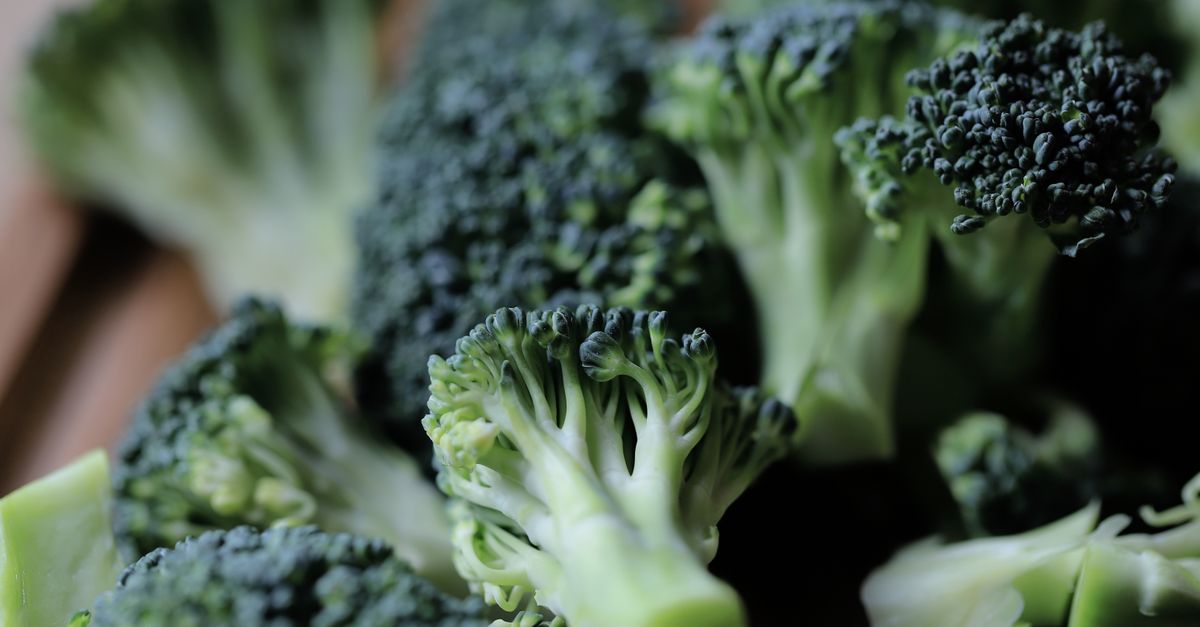
Cruciferous vegetables — broccoli, cauliflower, Brussels sprouts, and kale — contain indole-3-carbinol (I3C) and its gut-converted metabolite diindylmethane (DIM). A randomized trial in 60 women found that DIM supplementation significantly shifted estrogen metabolism toward the protective 2-hydroxyestrone pathway and away from the proliferative 16α-hydroxyestrone pathway (Dalessandri et al., Nutrition and Cancer 2004; PMID: 15285450). Eating 1–2 cups of cooked cruciferous vegetables daily provides meaningful I3C exposure without supplementation.
Flaxseed (1–2 tablespoons ground per day) supplies lignans that gently modulate estrogen receptor binding and have been shown in a 2007 randomized trial to reduce estradiol levels in postmenopausal women (Cornish et al., British Journal of Nutrition 2009; PMID: 18724875).
---
How to Lower Estrogen Naturally: Core Strategies
1. Support Phase I and Phase II Liver Detoxification
The liver is ground zero for estrogen clearance. It converts estradiol into less active forms via CYP1A2 and CYP3A4 enzymes (Phase I), then conjugates those metabolites using glucuronidation, sulfation, and methylation pathways (Phase II) so they can be excreted via bile and urine. When either phase is sluggish, estrogen recirculates.
Key liver-supportive nutrients include:
- B vitamins (B6, B12, folate) — required cofactors for methylation
- Glutathione precursors (NAC, glycine) — fuel Phase II conjugation
- Calcium D-glucarate — inhibits β-glucuronidase, the enzyme released by dysbiotic gut bacteria that uncouples conjugated estrogens and lets them re-enter circulation (Walaszek et al., Cancer Letters 1997; PMID: 9219982)
- Milk thistle (silymarin) — supports hepatocyte function and reduces hepatic inflammation
If your ALT is elevated — a common marker of reduced liver throughput — that's a reason to address liver function before adding hormonal supplements. See how to lower ALT levels naturally for the specifics.
2. Fix the Estrobolome: Your Gut-Hormone Axis
The estrobolome is the collection of gut bacteria that produce β-glucuronidase. A dysbiotic microbiome floods the gut with this enzyme, deconjugates cleared estrogen, and ships it back through the portal vein to the liver — a vicious recycling loop. High-fiber diets (25–35 g/day) reduce transit time and promote fecal estrogen excretion before reabsorption can occur.
A 2019 observational study found that women with higher dietary fiber intake had significantly lower urinary estrogen metabolites, with each 10g/day increase in fiber associated with meaningful reductions in estrone and estradiol (Farvid et al., Cancer Causes & Control 2019; PMID: 30649648). Fermented foods (kefir, sauerkraut, kimchi) can help restore microbiome diversity, which in turn normalizes β-glucuronidase activity.
3. Exercise: Type and Timing Matter
Aerobic exercise reduces circulating estradiol by decreasing adipose aromatase activity — fat tissue is the primary site of post-menopausal estrogen synthesis via the aromatase enzyme. A meta-analysis of 23 randomized trials found that moderate-intensity aerobic exercise (150+ minutes/week) reduced serum estradiol by an average of 13% in postmenopausal women (Friedenreich et al., Cancer Epidemiology, Biomarkers & Prevention 2010; PMID: 20056626).
Resistance training adds another lever: it increases SHBG, which binds free estrogen and reduces its bioavailability. The combination of aerobic and resistance training appears superior to either alone.
4. Manage Insulin and Body Composition
Adipose tissue expresses aromatase — the enzyme that converts androgens into estrogens. More visceral fat means more local estrogen production, independent of ovarian output. This creates a feedback loop: high estrogen promotes fat storage, more fat produces more estrogen. Breaking the cycle requires addressing insulin sensitivity, since hyperinsulinemia suppresses SHBG (Plymate et al., JCEM 1988; PMID: 3182223), freeing more estrogen to circulate.
If your fasting insulin is elevated, addressing it directly is one of the most underused strategies for hormone balance. The article on how to lower insulin naturally covers the evidence-based protocols in detail.
5. Reduce Xenoestrogen Exposure
Bisphenol A (BPA) and phthalates in plastics, pesticide residues (especially on the "Dirty Dozen" produce), and synthetic fragrances in personal care products all bind estrogen receptors with varying affinity. While each individual exposure is small, cumulative xenoestrogen burden adds up and has been linked to earlier puberty onset, menstrual irregularity, and fertility disruption (vom Saal et al., 2007; PMID: 17637939). Practical shifts: glass food storage, fragrance-free personal care, and prioritizing organic for high-pesticide produce.
6. Prioritize Sleep and Stress Reduction
Chronic sleep deprivation and unmanaged psychological stress both elevate cortisol, which competes with progesterone at the receptor level — worsening the estrogen-to-progesterone imbalance even when estrogen itself is not elevated. Poor sleep also impairs liver regeneration and reduces the efficiency of overnight hormone processing.
If cortisol is the upstream driver of your hormone imbalance, the approach shifts — strategies for lowering cortisol naturally become the priority intervention.
---
Estrogen and Sleep: The Two-Way Relationship
The connection between estrogen and sleep is bidirectional and often underappreciated. Estrogen modulates serotonin synthesis and GABA receptor sensitivity — both critical for sleep architecture. When estrogen fluctuates sharply (as in perimenopause), nighttime awakenings, reduced REM sleep, and hot flashes that interrupt sleep become common.
But it also works the other way: disrupted sleep raises cortisol and suppresses melatonin, which in turn impairs progesterone secretion. Lower progesterone means less opposition to estrogen — worsening dominance. Research in perimenopausal women found that those with the worst sleep quality had significantly higher estradiol-to-progesterone ratios than good sleepers, independent of age and BMI (Lampio et al., Maturitas 2016; PMID: 26775752).
Addressing sleep hygiene — consistent sleep-wake timing, cool room temperature, minimizing blue light after 8 PM — is not optional in an estrogen reduction protocol. It's foundational.
---
Estrogen Dominance and Nutrient Deficiencies
Estrogen dominance rarely exists in isolation — it almost always travels with specific nutrient gaps that both cause and result from impaired hormone metabolism:
| Nutrient | Role in Estrogen Metabolism | Deficiency Consequence |
|---|---|---|
| Magnesium | Cofactor for COMT enzyme (methylates catechol estrogens) | Impaired Phase II clearance |
| Zinc | Inhibits aromatase; supports progesterone synthesis | Higher aromatase activity, lower progesterone |
| Vitamin B6 | Required for SHBG synthesis and progesterone receptor function | Estrogen sensitivity increases |
| Iodine | Modulates estrogen receptor expression in breast tissue | Linked to fibrocystic changes |
| Vitamin D | Regulates estrogen receptor gene expression | Low D associated with higher estrogen-driven conditions |
Zinc deficiency is particularly important and often missed. Zinc directly inhibits aromatase — the enzyme that manufactures estrogen from testosterone. Low zinc not only allows aromatase to run unchecked but also reduces progesterone secretion from the corpus luteum. If you're also noticing symptoms of high free testosterone alongside estrogen symptoms, zinc and aromatase activity are worth investigating together — the relationship between androgens and estrogens is closely tied.
Magnesium deserves special mention because it's the cofactor for COMT (catechol-O-methyltransferase), the enzyme that methylates and clears catechol estrogens — the most reactive and potentially carcinogenic estrogen metabolites. Without adequate magnesium, Phase II methylation stalls.
---
What This Means for Your Formula
Ones builds personalized supplement formulas from blood work, wearable data, and health history — which makes it well-suited to estrogen dominance, a condition where the right intervention depends entirely on why your estrogen is elevated.
For liver clearance support, Ones includes its Liver Support System Blend — a proprietary combination that includes milk thistle (silymarin), NAC, and B-complex cofactors designed to optimize both Phase I and Phase II detoxification pathways.
For the aromatase-inhibiting, COMT-supporting nutrient gaps that drive estrogen dominance, Ones formulas can include Zinc at clinical doses (typically 15–30mg as zinc bisglycinate), and Magnesium Glycinate calibrated to your intake and blood levels — not a one-size-fits-all dose. Magnesium glycinate is specifically chosen for superior absorption and tolerability compared to magnesium oxide, which matters when you need reliable COMT support.
For the cortisol-progesterone-estrogen axis — where stress is the upstream driver — Ones includes Ashwagandha (KSM-66, 600mg), the specific extract and dose used in the most cited adaptogen trials, which has demonstrated reductions in serum cortisol of up to 27.9% over 60 days (Chandrasekhar et al., Indian Journal of Psychological Medicine 2012; PMID: 23439798). When cortisol is the driver, the formula addresses that root cause rather than chasing estrogen in isolation.
The Ones AI practitioner evaluates which mechanism is most likely driving your picture — impaired liver clearance, gut dysbiosis, nutrient gaps, or stress — and builds the formula around your actual findings.
---
Key Takeaways
- Estrogen dominance is a ratio problem as much as an absolute level problem — always test progesterone alongside estradiol before drawing conclusions
- Cruciferous vegetables, ground flaxseed, and high-fiber intake support estrogen clearance through DIM production and reduced gut reabsorption
- The liver and gut (estrobolome) are the primary clearance organs — impaired Phase II methylation and β-glucuronidase overgrowth are the two most common modifiable drivers
- Zinc, magnesium, and B6 deficiencies directly impair aromatase inhibition and estrogen methylation — correcting them before adding hormonal herbs is the smarter sequence
- Sleep and cortisol are upstream regulators; fixing estrogen without addressing these is like bailing out a boat without plugging the leak
- Xenoestrogen reduction (plastics, pesticides, synthetic fragrance) lowers your overall estrogenic burden and amplifies every other intervention