Lab Results
How to Test Your TMAO Levels: A Lab Guide
TMAO — trimethylamine N-oxide — is a metabolite your gut bacteria produce from red meat, eggs, and fish, and elevated blood levels are independently associated with a 2–3× higher risk of major cardiovascular events. Most standard lipid panels skip it entirely, so millions of people carry a hidden inflammatory burden that routine bloodwork never surfaces. Here is how to test it, what the numbers mean, and which levers actually move the marker.
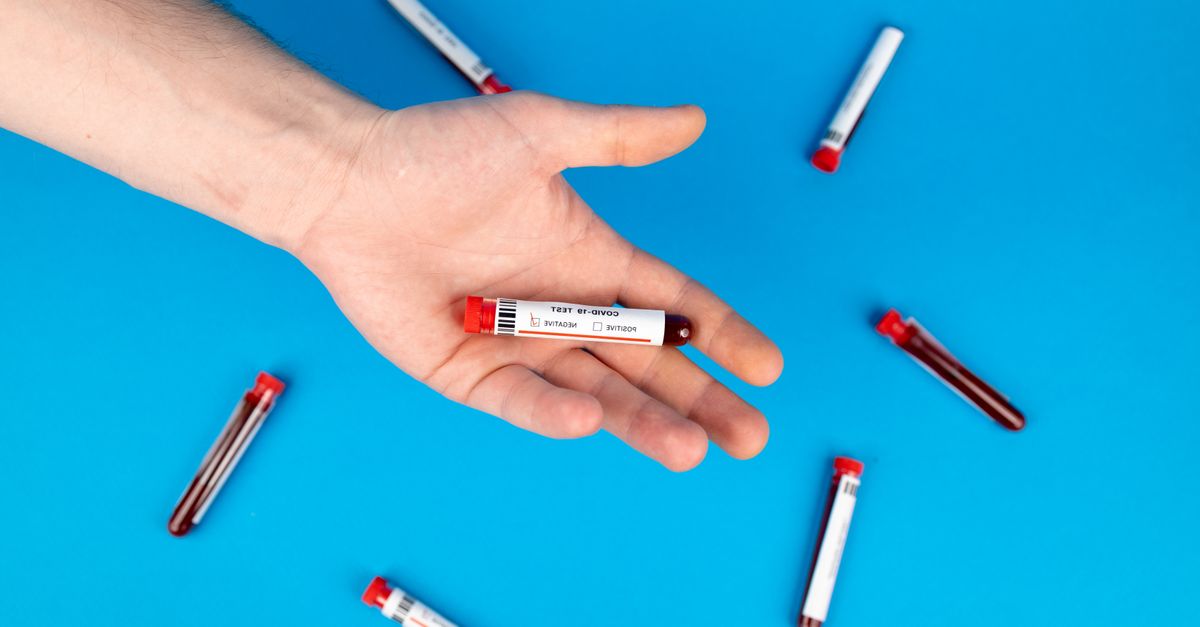
How to Test Your TMAO Levels: A Lab Guide
Yes, TMAO can be measured with a simple fasting blood or urine test ordered through specialized labs or functional-medicine panels. Elevated TMAO predicts cardiovascular and kidney disease risk independently of LDL cholesterol, but "high" is context-dependent — dietary timing matters enormously, and a single high reading after a steak dinner looks very different from a chronically elevated fasting level. The exception: people with certain gut microbiome compositions produce far more TMAO than others eating identical diets, making the test genuinely predictive for some but noisy for others without dietary context.
What Is TMAO and Why Does It Matter?
Trimethylamine N-oxide (TMAO) is produced in a two-step process. First, gut bacteria convert choline, lecithin, carnitine, and betaine — found in red meat, eggs, seafood, and dairy — into trimethylamine (TMA). Second, liver enzymes called flavin-containing monooxygenases (FMOs), primarily FMO3, oxidize TMA into TMAO, which then circulates in the blood and is excreted in urine.
The clinical relevance became undeniable after a landmark 2013 paper by Tang and colleagues analyzed 4,007 patients undergoing elective cardiac evaluation and found that plasma TMAO levels in the highest quartile were associated with a 2.5-fold increased risk of major adverse cardiovascular events (MACE) over three years — an association that held even after adjusting for traditional risk factors (Tang et al., New England Journal of Medicine 2013; PMID: 23614584).
Subsequent mechanistic work showed that TMAO promotes cardiovascular disease through several pathways:
- Upregulation of scavenger receptors (SR-A1, CD36) on macrophages, accelerating foam-cell formation and atherosclerotic plaque buildup
- Impaired reverse cholesterol transport, reducing the efficiency by which HDL removes cholesterol from arterial walls
- Activation of platelet hyperreactivity, increasing thrombosis risk (Zhu et al., Cell 2016; PMID: 27050519)
- Promotion of vascular inflammation via NF-κB signaling
Beyond cardiovascular disease, elevated TMAO is also linked to chronic kidney disease progression and insulin resistance, making it relevant even to people whose main concern is metabolic health rather than heart disease.
TMAO Blood Test: How to Order It and What to Expect
The TMAO blood test measures plasma trimethylamine N-oxide concentration using liquid chromatography–tandem mass spectrometry (LC-MS/MS), the analytical gold standard for small polar metabolites. Here is what the testing process looks like in practice.
Where to order the test
TMAO is not on a standard CBC or comprehensive metabolic panel. You will need one of the following routes:
- Cleveland HeartLab / Quest Diagnostics — Cleveland HeartLab pioneered clinical TMAO testing and offers a panel that includes TMAO alongside other cardiometabolic markers. Quest Diagnostics offers access through physician orders or direct-to-consumer testing in many states.
- Genova Diagnostics / Doctor's Data — Both offer functional cardiovascular or metabolic panels that include TMAO as part of a broader organic acids or metabolomics screen.
- Function Health — Their comprehensive lab panel includes TMAO alongside 100+ other markers, which can help you contextualize the result against your lipid particle sizes, inflammatory markers like hsCRP, and kidney function.
- Your primary care physician or cardiologist — Growing numbers of cardiologists are ordering TMAO as part of advanced lipid panels, particularly if you have borderline LDL with a family history of early CVD.
Fasting requirements
This is where most patients get tripped up. TMAO is exquisitely diet-sensitive. A single high-choline or high-carnitine meal can transiently spike TMAO 2–5× above your fasting baseline. Standard protocol requires a 12-hour overnight fast and avoidance of red meat, eggs, and fish for at least 24 hours before blood draw. Some functional-medicine practitioners prefer a 72-hour avoidance window for the most stable fasting reading. If you ate salmon the night before your draw, interpret the result cautiously. Knowing your lab tests for high blood pressure baseline context is equally important before you can act meaningfully on TMAO.
Urine vs. plasma testing
Urine TMAO can be measured as a spot or 24-hour collection and normalized to creatinine. Urine reflects excretion over a longer window, but plasma (blood) TMAO is the form used in most of the major outcome studies and is therefore the more clinically validated measurement for cardiovascular risk stratification. Unless a specific lab protocol calls for urine, opt for plasma.
What the test costs
Expect to pay $75–$200 out-of-pocket. Insurance coverage is inconsistent; most payers classify TMAO as investigational. Some functional-medicine platforms bundle it into broader panels that bring the per-marker cost down significantly.
TMAO Reference Ranges and Optimal Levels
Reference ranges vary slightly by lab, but the following consensus thresholds are drawn from published large-cohort data:
| TMAO Level (µmol/L) | Interpretation | Cardiovascular Risk Context |
|---|---|---|
| < 3.0 | Optimal / Low | Lowest tertile in published cohort studies; associated with lowest event rates |
| 3.0 – 6.4 | Borderline | Middle tertile; warrants dietary review and repeat testing |
| 6.5 – 9.9 | Elevated | Associated with ~2× increased MACE risk in adjusted models |
| ≥ 10.0 | High | Highest quartile; significantly elevated cardiometabolic and CKD risk |
It is worth noting that in the original Tang 2013 cohort, median TMAO was approximately 3.7 µmol/L in those who remained event-free, compared with 7.9 µmol/L in those who experienced MACE. The 6 µmol/L threshold is widely used as a clinical action point.
Patients with chronic kidney disease (CKD) will almost always have higher TMAO due to reduced renal clearance — a TMAO reading of 10+ µmol/L in a CKD patient carries different weight than the same number in someone with normal kidney function. Always interpret alongside eGFR and creatinine.
Symptoms of High TMAO
TMAO does not produce a classic symptom constellation the way, say, low thyroid or low magnesium does. It is a subclinical inflammatory metabolite — most people with significantly elevated levels feel entirely normal, which is precisely why the test matters. That said, the downstream conditions TMAO drives do produce recognizable presentations:
- Accelerated atherosclerosis presenting as early coronary artery disease, reduced exercise tolerance, or non-specific chest tightness in otherwise healthy-seeming individuals
- Platelet hyperreactivity — some patients notice easy bruising paradoxically, while others have thrombotic tendencies manifesting as recurrent deep vein thrombosis or unexplained clotting events
- Insulin resistance and metabolic dysregulation — energy crashes after high-choline or high-carnitine meals, elevated fasting glucose, difficulty losing weight despite a caloric deficit
- Elevated hsCRP and systemic inflammation — correlated in several studies with TMAO, contributing to joint pain, brain fog, and fatigue that is often attributed to other causes
If you are experiencing cardiovascular-adjacent symptoms and your standard lipid panel looks fine, TMAO testing is a reasonable next investigation. This is especially true if you also carry symptoms consistent with high blood pressure and anxiety, which can share overlapping inflammatory drivers.
Symptoms of Low TMAO
Low TMAO — below 3 µmol/L on a fasting plasma draw — is not a clinical deficiency state. Unlike vitamins or minerals, TMAO has no known essential biological function in humans; it is a metabolic byproduct, not a nutrient. There is no described syndrome of "TMAO deficiency," and you do not need to worry about levels being "too low" from a health standpoint.
The one nuance: extremely low TMAO in the context of a very high-animal-protein diet may sometimes indicate impaired FMO3 enzyme activity (a genetic variant present in roughly 1–3% of the population). These individuals accumulate TMA rather than converting it to TMAO, which can cause trimethylaminuria — commonly known as "fish odor syndrome" — a condition diagnosed by its distinctive body odor rather than a blood TMAO level, and confirmed by genetic or urine organic acid testing.
For virtually everyone else, low fasting TMAO is a favorable finding requiring no intervention.
What Drives TMAO Up: Diet, Microbiome, and Genetics
Three factors interact to determine your TMAO level:
1. Substrate availability (diet)
Foods highest in choline, lecithin, carnitine, and betaine drive TMA production. Rank order by TMAO-raising potential: beef liver → egg yolks → red meat → seafood (especially fish and shellfish) → poultry → dairy. Notably, fish is high in preformed TMAO — consumed TMAO is absorbed directly — making seafood a unique case where the food itself, not just gut-microbial conversion, raises plasma levels.
2. Gut microbiome composition
Not all gut bacteria convert choline or carnitine to TMA with equal efficiency. Prevotella copri, certain Clostridiales, and Firmicutes species are the primary TMA producers. Studies show that vegans and vegetarians who ingest L-carnitine orally produce far less TMAO than omnivores eating the same dose, because years of low animal-protein intake select against TMA-producing bacteria (Koeth et al., Nature Medicine 2013; PMID: 23563705). This microbiome dependency means two people eating the same diet can have dramatically different TMAO levels — and explains why dietary intervention alone sometimes fails to normalize TMAO.
3. Hepatic FMO3 activity and genetics
FMO3 is the enzyme that converts TMA to TMAO in the liver. Single-nucleotide polymorphisms (SNPs) in the FMO3 gene (most notably rs2266782 and rs1800822) reduce enzyme activity and can modestly lower TMAO even on a high-choline diet. Conversely, high FMO3 activity accelerates conversion. Genetic testing panels (e.g., 23andMe + a third-party interpreter, or a functional-medicine nutrigenomics panel) can reveal your FMO3 status.
Supplements for TMAO: What the Evidence Says
This is an area of active research, and while no FDA-approved drug specifically targets TMAO, several nutritional and microbiome-directed interventions have demonstrated meaningful reductions in human or animal studies.
Resveratrol
A 2016 randomized trial in 40 volunteers found that 500 mg/day of resveratrol for 90 days reduced plasma TMAO by approximately 36% compared to placebo, proposed to work by inhibiting TMA-lyase activity in gut bacteria (Annals of Nutrition & Metabolism 2016; PMID: 27499527). The effect was larger in participants with higher baseline TMAO, which is a common pattern in dietary supplement research.
3,3-Dimethyl-1-butanol (DMB)
A structural analog of choline, DMB inhibits microbial TMA lyases — the enzymes that cut TMA from choline — without killing bacteria outright. Animal data are robust (Zhu et al., Cell 2016; PMID: 27050519), but human trials at therapeutic doses are limited. DMB is found naturally in cold-pressed extra-virgin olive oil, balsamic vinegar, and red wine, which may partly explain the Mediterranean diet's cardiometabolic benefits.
Omega-3 fatty acids (EPA/DHA)
EPA and DHA shift gut microbiome composition toward genera less capable of TMA production, and independently suppress hepatic FMO3 expression in some animal models. A 2022 systematic review found consistent inverse associations between omega-3 status and plasma TMAO in observational cohorts, though intervention trials are mixed (Nutrients 2022; doi.org/10.3390/nu14030584).
Mediterranean dietary pattern
Beyond individual supplements, cohort data consistently show that adherence to a Mediterranean diet — high in polyphenols, olive oil, fiber, and modest in red meat — is associated with lower fasting TMAO independent of body weight.
Probiotics targeting TMA-producing bacteria
Early work with Lactobacillus and Bifidobacterium strains shows some capacity to reduce TMA production, but strain selection and dose matter enormously; this area is not yet clinically standardized.
Betaine (TMG)
Somewhat counterintuitively, betaine supplementation does not consistently raise TMAO in humans despite being a precursor, because much of the ingested betaine is metabolized via alternative hepatic methylation pathways before gut bacteria can access it.
If you are building a broader cardiometabolic risk reduction plan, it also helps to understand other markers in the picture — including whether your RBC magnesium levels are optimized, since magnesium status influences vascular tone and inflammation independently of TMAO.
How Ones Addresses This
Ones does not currently stock a direct TMAO-lowering ingredient as a standalone active, and any platform claiming a single capsule "treats" elevated TMAO should be viewed with skepticism. What Ones does is address several of the upstream biological mechanisms that interact with TMAO metabolism and cardiovascular risk.
Omega-3 (EPA/DHA): Ones includes pharmaceutical-grade omega-3 dosed to clinical EPA+DHA thresholds. As noted above, omega-3s influence both microbiome composition and FMO3 expression, and the inverse association between omega-3 status and plasma TMAO is one of the more consistent findings in cardiometabolic nutritional science (Nutrients 2022; doi.org/10.3390/nu14030584). If your Ones AI practitioner identifies low omega-3 index or elevated inflammatory markers in your bloodwork, omega-3 is a likely formula inclusion.
Heart Support (System Blend): Ones' Heart Support blend is a proprietary combination of cardiometabolic actives designed to address the multi-factorial nature of cardiovascular risk — the same framework within which TMAO sits. Rather than targeting a single number, it works across vascular tone, inflammation, and lipid metabolism simultaneously.
CoQ10/Ubiquinol (200 mg): Mitochondrial support via CoQ10 is relevant to the vascular endothelial dysfunction that elevated TMAO accelerates. Ubiquinol at 200 mg is the form included in Ones formulas and matches the dose range used in cardiovascular outcome studies. Endothelial protection does not lower TMAO directly, but it mitigates downstream damage in the interim while dietary and microbiome changes take effect.
If your bloodwork and health history prompt your Ones formula to include cardiovascular-focused ingredients, the AI will explain the connection between those selections and your specific biomarker pattern — including TMAO if it was part of your submitted lab results.
For reference, it is also worth reviewing your zinc status, since zinc plays a role in gut mucosal integrity and systemic inflammatory modulation — both relevant to the microbiome-TMAO axis.
Key Takeaways
- TMAO is measured via a fasting plasma blood draw using LC-MS/MS; order through specialized labs like Cleveland HeartLab, Quest Diagnostics, or comprehensive platforms like Function Health. Avoid red meat, eggs, and fish for at least 24 hours before the draw.
- Optimal fasting TMAO is below 3 µmol/L; levels above 6.5 µmol/L are associated with roughly 2× increased cardiovascular event risk in large cohort studies, independent of LDL cholesterol.
- High TMAO is usually asymptomatic — it drives silent, accelerating atherosclerosis and platelet hyperreactivity rather than obvious day-to-day symptoms, which is why proactive testing matters for anyone with family history or borderline cardiometabolic markers.
- Low TMAO is not a deficiency state and requires no intervention; "too low" is not a clinical concern.
- Gut microbiome composition is the dominant variable between individuals — two people eating the same diet can have dramatically different TMAO levels, making microbiome-directed dietary strategies (Mediterranean pattern, polyphenol-rich foods, reducing red meat) the most reliable long-term approach.
- Omega-3 fatty acids, resveratrol, and DMB-containing foods (extra-virgin olive oil) have the most human evidence for modestly reducing TMAO; Ones formulas incorporate omega-3 and cardiovascular system support where your data justifies it.
This article is for educational purposes only and does not constitute medical advice. Consult a qualified healthcare provider before making changes to your supplement regimen or interpreting lab results.