Minerals
Iron Morning or Night: A Clinical Guide to Dosage, Mechanism, and Outcomes
Most people assume iron is iron — take it, absorb it, done. But clinical research shows that the time of day you swallow your supplement can shift absorption by up to 40%, and pairing it with the wrong cofactor can blunt your results entirely. Here is what the evidence actually says about optimizing iron intake.
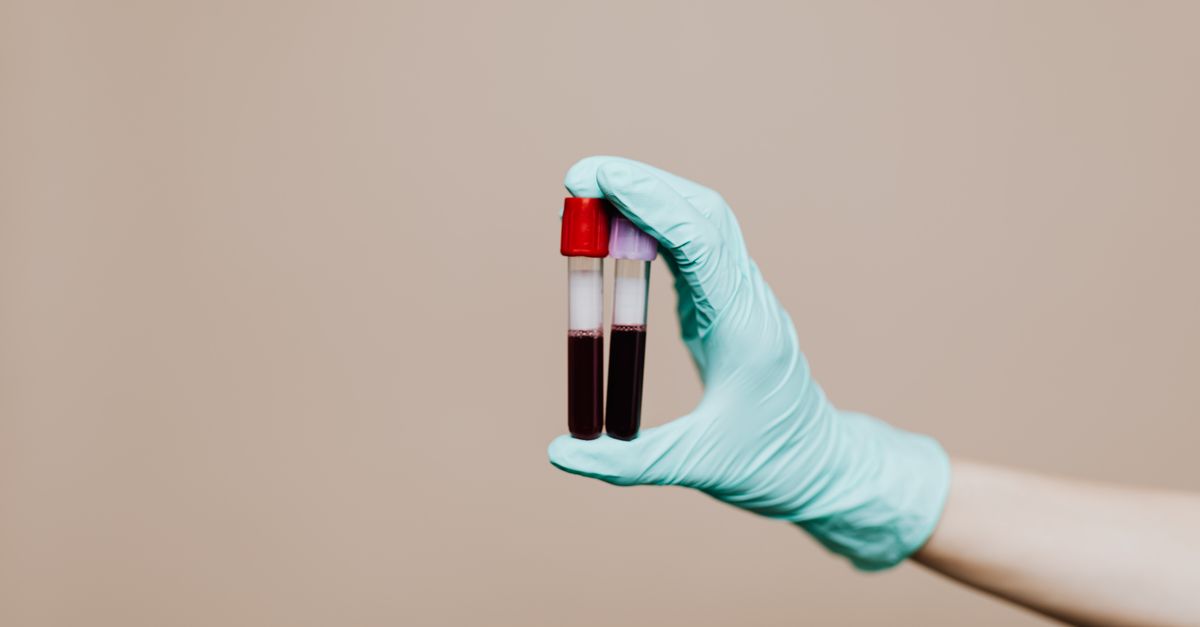
Why Iron Timing Is More Than a Footnote
Iron deficiency remains the world's most common nutritional deficiency, affecting an estimated 2 billion people globally according to the World Health Organization. Yet a surprising number of people who supplement correctly diagnosed iron deficiency still fail to correct their ferritin levels after three to six months. One underappreciated reason: they're taking their iron at the wrong time, in the wrong form, or alongside compounds that block absorption.
This guide walks through the physiology of iron absorption, the clinical evidence on morning versus evening dosing, the cofactors that matter most, and how a personalized supplement strategy can help close the gap faster.
---
How the Body Absorbs Iron: A Brief Mechanism
Dietary and supplemental iron enters the duodenum in one of two forms: heme iron (from animal sources, absorbed directly via HCP1 transporters) and non-heme iron (from plants and most supplements, reduced from Fe³⁺ to Fe²⁺ by duodenal cytochrome B before uptake via DMT1).
Once inside the enterocyte, iron is either stored as ferritin or exported into circulation via ferroportin — a process tightly regulated by hepcidin, a liver-derived peptide hormone. Hepcidin binds ferroportin and triggers its degradation, reducing iron export and lowering serum iron. This matters enormously for timing: hepcidin levels follow a circadian pattern, typically lowest in the early morning and peaking in the afternoon and evening (Mirciov et al., Frontiers in Physiology 2017; PMID: 28174543).
The practical implication is straightforward: when hepcidin is low, ferroportin is intact, and iron can flow from gut cells into circulation efficiently. When hepcidin is high, the same dose of iron stays trapped in the enterocyte and is eventually shed with intestinal cell turnover — absorbed but never used.
---
Iron Morning or Night: What the Evidence Shows
A landmark alternating-day dosing trial by Stoffel et al. published in The Lancet Haematology demonstrated that taking iron on alternate mornings — rather than twice daily — produced superior fractional iron absorption in iron-deficient women. The key mechanism was that a single morning dose triggered a transient rise in hepcidin that blocked a second dose given later the same day; spacing doses 24–48 hours apart allowed hepcidin to reset (Stoffel et al., The Lancet Haematology 2017; PMID: 28709638).
A follow-up study by the same group found that postprandial hepcidin rises roughly 4–6 hours after dosing, meaning an 8 AM dose will suppress absorption from a noon dose. For individuals who supplement twice daily, this explains partial non-response even when adherence is perfect.
Bottom line on timing:
- Morning, fasted is the gold standard for most individuals — hepcidin is at its nadir, stomach acid is available, and there is no food competition.
- Evening dosing is acceptable only when morning dosing produces intolerable GI distress, but expect modestly reduced absorption.
- Twice-daily dosing is generally not superior to once-daily dosing and may actually underperform due to hepcidin suppression of the second dose.
---
The Cofactor That Changes Everything: Vitamin C
Non-heme iron absorption is highly sensitive to enhancers and inhibitors in the gut lumen. Vitamin C (ascorbic acid) is the most clinically validated enhancer: it both reduces Fe³⁺ to the absorbable Fe²⁺ form and chelates iron in a soluble complex that resists the inhibitory effects of phytates and polyphenols.
A dose of 100–200 mg ascorbic acid taken simultaneously with iron has been shown to increase non-heme iron absorption by 2–3 fold in controlled studies (Lynch & Cook, Annals of the New York Academy of Sciences 1980; PMID: 6940487). More recent work confirms this remains clinically relevant even with modern controlled-release iron formulations.
Conversely, calcium — whether from dairy, fortified foods, or a calcium supplement — competes directly with iron at the DMT1 transporter. Studies show that 300 mg calcium can reduce iron absorption by 30–50% when co-administered (Hallberg et al., American Journal of Clinical Nutrition 1991; PMID: 1986627). This is one of the most common and correctable errors in iron supplementation.
What to take with iron:
- ✅ Vitamin C (100–200 mg)
- ✅ Water or a small amount of vitamin C–rich juice
- ❌ Calcium supplements
- ❌ Dairy products
- ❌ Coffee or tea (tannins inhibit absorption)
- ❌ High-fiber meals (phytates bind iron)
---
Iron Form Matters as Much as Timing
Not all iron supplements are equivalent. The most commonly available forms differ substantially in elemental iron content, bioavailability, and GI tolerability:
| Iron Form | Elemental Iron % | Relative Bioavailability | GI Tolerability |
|---|---|---|---|
| Ferrous sulfate | ~20% | Reference standard | Moderate — common GI side effects |
| Ferrous bisglycinate | ~20% | 2–4× ferrous sulfate | High — well tolerated |
| Ferrous gluconate | ~12% | Similar to sulfate | Slightly better tolerated |
| Ferric pyrophosphate | ~30% | Lower — food-based use | High |
| Carbonyl iron | ~100% | Slower release, safer ceiling | High |
Ferrous bisglycinate (iron chelated to two glycine molecules) consistently outperforms ferrous sulfate in head-to-head absorption trials while producing significantly fewer GI complaints, making it the preferred form for supplementation in individuals with GI sensitivity (Bovell-Benjamin et al., Journal of Nutrition 2000; PMID: 10801908).
Clinical dosing for iron deficiency without anemia typically runs 15–30 mg elemental iron daily. Iron deficiency anemia may require 60–150 mg elemental iron daily under physician supervision, with regular ferritin monitoring to avoid iron overload.
---
Riboflavin Morning or Night
Riboflavin (Vitamin B2) appears in many iron discussions because it plays a direct role in iron metabolism — specifically in the mobilization of iron from ferritin stores and in the activity of enzymes involved in heme synthesis. Riboflavin deficiency can therefore mimic or worsen iron deficiency, and supplementing iron without addressing low riboflavin status may limit the clinical response.
Riboflavin is a water-soluble vitamin with no meaningful circadian sensitivity, but it is best absorbed when taken with food. Doses above approximately 27 mg begin to show diminishing fractional absorption because intestinal riboflavin transporters (RFVT1 and RFVT2) become saturated. For general nutritional support, 10–25 mg daily with a meal is a well-tolerated and effective range. Morning dosing with breakfast is the most practical recommendation — riboflavin has a mild yellow-tinting effect on urine that is less disruptive earlier in the day.
If iron supplementation is not producing the expected ferritin rise within 8–12 weeks, riboflavin status is worth investigating alongside hepcidin dynamics, inflammation markers (CRP), and celiac screening.
---
Thiamine Morning or Night
Thiamine (Vitamin B1) is not a direct iron cofactor, but it shares a similar clinical profile: it is water-soluble, absorbed via saturable transporters (ThTr1 and ThTr2) primarily in the duodenum and jejunum — the same region where iron is absorbed. High-dose thiamine supplementation does not interfere with iron absorption, but their shared absorption site is a reason to space very high-dose B1 therapies from iron if stacking both in a single morning protocol.
For standard nutritional dosing (1.1–2.5 mg/day), timing is flexible. For therapeutic high-dose thiamine protocols (100–600 mg used in fatigue syndromes and dysautonomia), morning administration is preferred because thiamine has a mild stimulating effect on energy metabolism and may interfere with sleep when taken late in the evening.
The overlap with this article's iron focus is largely contextual: B-vitamin deficiencies frequently co-occur with iron deficiency, particularly in individuals with malabsorption syndromes, restrictive diets, or heavy menstrual blood loss. Addressing only iron without screening B1 and B2 status can leave fatigue and neurological symptoms incompletely resolved.
---
Magnesium Malate Morning or Night
Magnesium malate is a compound of magnesium bound to malic acid. It is discussed in the context of iron protocols primarily because magnesium and iron share overlapping deficiency profiles — both are common in athletes, menstruating women, and individuals with poor dietary variety — and because malic acid has a role in the citric acid cycle that supports energy production alongside iron-containing heme enzymes.
Magnesium itself does not meaningfully interfere with iron absorption at typical supplemental doses (200–400 mg elemental magnesium), but the timing recommendation for magnesium malate is distinct from iron: magnesium malate is generally best taken in the morning or afternoon because malic acid has mild energizing effects that can disrupt sleep if taken at night. This makes morning dosing of both iron and magnesium malate compatible, provided they are not being taken simultaneously in very high doses with limited water.
For individuals managing fatigue, fibromyalgia, or exercise recovery, magnesium malate (providing 200–300 mg elemental magnesium) in the morning alongside a fasted iron dose — separated by 30–60 minutes if GI sensitivity is a concern — is a practical protocol.
---
Magnesium Taurate Morning or Night
Magnesium taurate (magnesium bound to the amino acid taurine) is the form most associated with cardiovascular and nervous system support. Unlike magnesium malate, magnesium taurate is frequently recommended for evening use because taurine has calming, GABAergic effects that support sleep quality and reduce nighttime cardiovascular activation.
This timing difference from iron is actually advantageous: taking iron in the morning fasted and magnesium taurate in the evening creates a clean separation that avoids any theoretical mineral competition at the gut level and aligns each compound with its optimal physiological window. Individuals who are deficient in both minerals — a common pattern in individuals with heavy periods, high stress, or poor dietary diversity — can implement both without compromise.
---
What This Means for Your Formula
Iron supplementation is rarely a stand-alone fix. Correcting ferritin reliably requires attention to absorption timing, form, cofactors, and underlying drivers — and the picture becomes clearer when you have actual lab data rather than guesswork.
Ones analyzes your blood work and health history to identify whether low ferritin, functional iron deficiency, or co-occurring mineral depletions are driving your symptoms. Where iron support is warranted, the platform incorporates ferrous bisglycinate at clinically effective elemental doses alongside its Vitamin C cofactor pairing, because absorption evidence consistently favors concurrent ascorbic acid over iron alone.
For individuals showing co-occurring magnesium insufficiency alongside low ferritin — a combination that frequently presents as fatigue, poor exercise recovery, and restless sleep — Ones includes its Magnesium Complex (a blend of highly bioavailable magnesium forms), timed separately from iron in the daily capsule schedule to avoid competition at absorption sites. The AI-driven formula also looks at inflammatory markers: elevated CRP suppresses ferroportin expression and raises hepcidin even in the absence of infection, a pattern that changes the clinical calculus for both dose and form.
If you're curious how your ferritin, CRP, and micronutrient profile interact, understanding what low ferritin symptoms really signal is a good starting point before building any iron protocol.
---
Key Takeaways
- Morning, fasted is the optimal time for iron supplementation because hepcidin follows a circadian rhythm and is lowest in the early morning, maximizing ferroportin activity and absorption.
- Alternate-day dosing (every 24–48 hours) often outperforms twice-daily dosing because a single dose triggers a hepcidin rise that blocks absorption from a second same-day dose.
- Ferrous bisglycinate is the preferred supplemental form — 2–4× more bioavailable than ferrous sulfate with significantly better GI tolerability.
- Vitamin C (100–200 mg) co-administered with iron can double or triple non-heme iron absorption; calcium, coffee, and high-fiber meals should be avoided at the same time.
- Riboflavin deficiency can blunt the iron response by impairing ferritin mobilization and heme synthesis — always consider B2 status when iron supplementation underperforms.
- Magnesium malate (morning) and magnesium taurate (evening) have distinct optimal windows from iron and from each other — timing all three correctly is feasible and clinically meaningful.
---
This article is for informational purposes only and does not constitute medical advice. Consult a qualified healthcare provider before starting any iron supplementation protocol, particularly if you have hemochromatosis, inflammatory bowel disease, or chronic kidney disease.