Gut Health
Is Bloating Normal in Postpartum?
Bloating affects the majority of new mothers in the first weeks after delivery, but most women don't know when it crosses from normal recovery into something that needs attention. Falling progesterone, sluggish gut motility, and hormonal flux can keep your abdomen distended for weeks — and in some cases, the root cause is thyroid dysfunction or gut dysbiosis, not just gas.
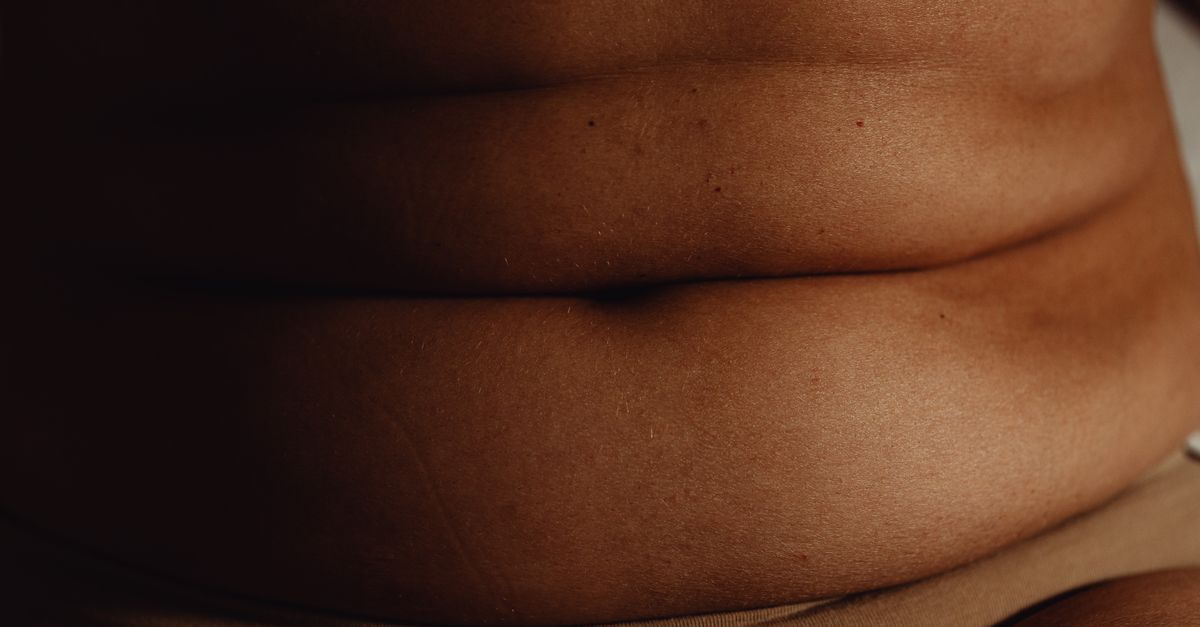
Is Bloating Normal in Postpartum?
Yes, bloating is very common in the postpartum period and usually resolves within a few weeks. The main drivers are falling progesterone, sluggish gut motility after delivery, and the aftermath of IV fluids or pain medications during labor. The important caveat: persistent or worsening bloating beyond six to eight weeks may signal thyroid dysfunction, gut dysbiosis, or food intolerance — and warrants investigation rather than patience.
---
Why Postpartum Bloating Happens: The Hormonal Root Cause
During pregnancy, progesterone rises to extraordinary levels — often 10 to 15 times higher than in the luteal phase — specifically to prevent uterine contractions. A well-documented side effect is that progesterone relaxes smooth muscle throughout the body, including in the gastrointestinal tract (Wald et al., American Journal of Gastroenterology 1981; PMID: 7258141). The result is slowed intestinal transit, increased gas accumulation, and a bloated, full sensation even when caloric intake is modest.
In the days after delivery, progesterone drops precipitously. You would expect this to resolve the problem immediately, but the gut doesn't snap back instantly. Motility remains sluggish for days to weeks. Combine that with post-surgical bowel rest if you had a cesarean, constipation from opioid pain medications, and the abdominal wall laxity from the stretched uterus, and you have a perfect environment for trapped gas and distension. Women who delivered by cesarean section face an additional complication: manipulation of the bowel during surgery directly inhibits the enteric nervous system and can delay the return of normal peristalsis by 24 to 72 hours beyond what is typical after vaginal delivery (Holte & Kehlet, British Journal of Surgery 2000; PMID: 10886955).
Estrogen also contributes. As estrogen rebounds unevenly during early postpartum — especially in breastfeeding mothers where estrogen stays suppressed by prolactin — it can disrupt bile production and the gut-liver axis, further slowing transit and impairing fat digestion (Everson, Gastroenterology 1992; PMID: 1537513). Bile is essential for emulsifying dietary fat; reduced bile flow means partially digested fats reach the large intestine where bacteria ferment them, producing hydrogen and methane gas that the intestinal wall absorbs poorly.
Beyond hormones, opioid analgesics given during or after labor — whether epidural fentanyl or oral oxycodone — bind mu-opioid receptors throughout the gut wall and dramatically slow colonic transit. A 2012 meta-analysis found that peripheral opioid receptor antagonism restored bowel function roughly 18 to 24 hours faster than placebo in post-surgical patients (Becker et al., Annals of Surgery 2012; PMID: 21817889), reinforcing just how significant medication-driven constipation and bloating can be in the first postpartum week.
Finally, the pelvic floor and abdominal wall deserve mention. After nine months of progressive mechanical stretch, the transverse abdominis and internal oblique muscles are substantially weakened. These muscles act as a corset that keeps intra-abdominal pressure regulated. When they are lax, even modest amounts of intraluminal gas cause visible distension that would go unnoticed in a person with intact core tone. This is not a pathological process — it is a mechanical reality that improves as core strength returns over 8 to 12 weeks.
---
When Postpartum Bloating Is Not Normal
Most bloating in the first two to four weeks postpartum is a variation of normal. The picture changes when:
- Bloating persists beyond six to eight weeks without improvement
- Bloating is accompanied by fatigue, hair loss, constipation, or cold intolerance — symptoms that overlap with postpartum thyroid dysfunction, which affects roughly 5–10% of women (Stagnaro-Green et al., Thyroid 2011; PMID: 21787128)
- Severe distension appears suddenly, which may indicate rare but serious complications such as ileus or bowel obstruction
- Bloating accompanies diarrhea and mucus — a pattern associated with new-onset inflammatory bowel disease, which sometimes surfaces postpartum
- Bloating worsens with dairy or gluten — pregnancy can unmask latent intolerances, including celiac disease, which has a known postpartum trigger window
If you're unsure whether your fatigue and bloating are hormonally normal or something more, reading about what a normal cortisol level looks like postpartum can give you a useful reference point, since elevated cortisol from sleep deprivation and chronic stress also slows gut motility by suppressing the migrating motor complex — the housekeeping wave that clears the small intestine between meals.
For women experiencing heavy periods alongside bloating, it is also worth knowing that bloating during a heavy period has overlapping hormonal drivers — particularly prostaglandin-driven smooth muscle effects — and can compound postpartum gut symptoms in women whose cycles return early.
---
The Thyroid–Gut Connection in Postpartum Bloating
One of the most overlooked drivers of prolonged postpartum bloating is subclinical hypothyroidism. The thyroid regulates virtually every metabolic process, including the speed at which food moves through your intestines. When thyroid hormone output falls — even modestly — transit time slows, gas accumulates, and bloating worsens.
Postpartum thyroiditis is triggered by the immune rebound that follows pregnancy-induced immunosuppression. In the hypothyroid phase, which typically peaks between four and eight months postpartum, TSH rises while free T4 falls. Women in this phase commonly report bloating, constipation, fatigue, and brain fog — a cluster that is frequently dismissed as ordinary new-mother exhaustion. Understanding what a normal thyroid level looks like postpartum is a critical first step, because the TSH range that most labs consider "normal" (0.5–4.5 mIU/L) can obscure meaningful dysfunction; many clinicians use a tighter functional range of 1.0–2.5 mIU/L for symptomatic postpartum women.
The mechanism is direct: thyroid hormone T3 upregulates the expression of interstitial cells of Cajal — the pacemaker cells of the gut. Reduced T3 means fewer and weaker peristaltic contractions, longer colonic transit time, and more time for bacteria to ferment luminal contents. A 2018 systematic review confirmed that hypothyroid patients have significantly prolonged oro-cecal transit compared to euthyroid controls, and that levothyroxine therapy normalized transit in the majority within 12 weeks (Patil et al., European Journal of Internal Medicine 2018; PMID: 29853273). This means thyroid-driven bloating will not resolve with dietary changes or probiotics alone — the underlying hormone level must be addressed.
If you are also experiencing exhaustion that feels unusual even for a new parent, the overlap of fatigue, bloating, and mood changes warrants a full thyroid panel — TSH, free T4, free T3, and thyroid peroxidase antibodies — not just a TSH screening.
---
The Role of Gut Dysbiosis and the Postpartum Microbiome
Pregnancy, labor, antibiotic exposure (common in cesarean sections and Group B Strep prophylaxis), and the shift in diet during early postpartum all alter the gut microbiome substantially. Research using 16S rRNA sequencing has documented that postpartum women show reduced microbial diversity compared to their pre-pregnancy baselines, with lower abundance of short-chain fatty acid (SCFA)-producing bacteria such as Faecalibacterium prausnitzii and Roseburia intestinalis (Jost et al., ISME Journal 2012; PMID: 22011599).
This matters for bloating because SCFA producers keep the intestinal environment slightly acidic, which suppresses gas-producing opportunists like Clostridiales species. When SCFA producers are depleted, the fermentation balance tips toward hydrogen and methane production, and bloating worsens. Methane-producing archaea in particular are strongly associated with constipation-predominant symptoms because methane gas slows intestinal transit directly (Triantafyllou et al., Neurogastroenterology & Motility 2014; PMID: 24329861).
Practical implication: if your bloating is worst after meals high in fermentable carbohydrates — onions, garlic, legumes, wheat, dairy — a temporary low-FODMAP approach while rebuilding microbiome diversity may provide meaningful symptom relief. Clinical trials of low-FODMAP diets in IBS (a condition with significant microbiome overlap) consistently show bloating reductions of 40–50% within four weeks, though the approach should be used short-term to avoid further narrowing microbial diversity.
Postbiotics — the metabolic byproducts of probiotic bacteria — and specific probiotic strains such as Lactobacillus rhamnosus GG and Bifidobacterium longum BB536 have shown measurable reductions in abdominal distension in randomized trials. Rebuilding microbiome diversity with diverse plant fiber (aim for 30 or more distinct plant foods per week) alongside a targeted probiotic can accelerate the gut's return to pre-pregnancy baseline.
---
Practical Protocol: Reducing Postpartum Bloating Week by Week
This is not a one-size-fits-all timeline; it should be adjusted based on delivery type, medication use, and symptom severity.
- Weeks 1–2 (acute phase): Prioritize gentle mobility — even short walks stimulate the migrating motor complex and reduce gas accumulation significantly. Avoid carbonated beverages, cruciferous vegetables in large quantities, and high-lactose dairy until motility normalizes. Warm liquids (herbal teas with ginger or peppermint) relax gut smooth muscle.
- Weeks 2–4: Introduce soluble fiber gradually — oats, psyllium husk, cooked vegetables — to support stool consistency without adding fermentable load. Consider a spore-based or multi-strain probiotic if you received intrapartum antibiotics.
- Weeks 4–8: If bloating persists, request a comprehensive metabolic panel and thyroid panel (TSH + free T4 + TPO antibodies). Discuss whether a food sensitivity elimination trial is warranted.
- Beyond 8 weeks: Persistent bloating with fatigue, hair changes, or mood disturbance warrants evaluation for postpartum thyroiditis, SIBO (small intestinal bacterial overgrowth), or reactivation of latent food intolerances. A breath test for hydrogen and methane can quantify SIBO within two hours.
| Symptom Pattern | Most Likely Cause | First Investigation |
|---|---|---|
| Bloating + constipation + cold intolerance | Postpartum hypothyroidism | TSH, free T4, TPO Ab |
| Bloating + loose stools + urgency | Dysbiosis or IBD reactivation | Stool calprotectin, GI referral |
| Bloating worse after dairy/wheat | Latent intolerance | Elimination trial |
| Bloating only in evenings, resolves overnight | Normal gas accumulation | Dietary audit, mobility |
| Severe sudden distension + pain | Ileus or obstruction | Emergency evaluation |
---
What This Means for Your Formula
For postpartum women dealing with prolonged bloating, the most useful nutritional targets are those that support gut motility, hormone clearance, and microbiome recovery — not a generic multivitamin approach.
Ones analyzes blood results alongside symptom data to identify which of these mechanisms is driving a given individual's presentation. For women whose bloating is linked to thyroid disruption, Ones formulas can include targeted thyroid-relevant micronutrients at clinically validated doses — the platform's Thyroid Support system blend addresses the nutrient cofactors (selenium, iodine, zinc) that T4-to-T3 conversion requires. Selenium deficiency in particular is strongly associated with postpartum thyroiditis risk: a 2007 trial found that 200 mcg/day of selenomethionine reduced thyroid peroxidase antibody titers significantly over 12 months in postpartum women (Negro et al., Journal of Clinical Endocrinology & Metabolism 2007; PMID: 17389704).
For women whose primary issue is slow gut motility and dysbiosis recovery, Ones formulas may incorporate magnesium glycinate — which has a well-established osmotic and motility-promoting effect on the colon — at doses matched to what clinical evidence supports rather than the token amounts found in most multivitamins. Liver Support is another relevant blend for women with impaired bile flow; supporting the enterohepatic circulation helps restore fat digestion and reduces the fermentable load reaching the large intestine.
Because low libido in postpartum and anxiety in postpartum frequently co-occur with gut symptoms via the gut-brain axis and shared hormonal drivers, Ones AI considers the full symptom picture rather than treating bloating as an isolated complaint. A formula built on that kind of cross-system reasoning is more likely to address root causes than one built around a single symptom.
---
Key Takeaways
- Postpartum bloating in the first two to four weeks is normal and driven by falling progesterone, sluggish gut motility, medication effects, and abdominal wall laxity — all of which resolve with time.
- Bloating that persists beyond six to eight weeks, or that accompanies fatigue, hair loss, cold intolerance, or significant constipation, warrants a thyroid panel and metabolic workup, not just patience.
- Postpartum thyroiditis affects 5–10% of new mothers and directly slows intestinal transit by reducing T3-driven gut pacemaker activity; thyroid-driven bloating will not resolve with diet changes alone.
- Disruption of the gut microbiome — from antibiotics, cesarean delivery, or dietary changes — shifts fermentation toward methane-producing organisms and worsens bloating; rebuilding microbial diversity with fiber and targeted probiotics helps.
- A practical week-by-week protocol (gentle movement, soluble fiber, probiotic support, and timely lab testing) gives bloating the best chance of resolving without masking an underlying condition.
- Targeted nutritional support — selenium for thyroid antibody reduction, magnesium for motility, bile-supporting nutrients for fat digestion — is most effective when matched to your specific lab findings rather than applied generically.