Women's Health
Is Dry Skin Normal in PCOS?
Dry skin affects a significant subset of women with PCOS, yet it rarely makes the headline symptom list. If your skin feels tight, flaky, or reactive despite drinking plenty of water, your hormones — not your moisturizer — may be the root cause.
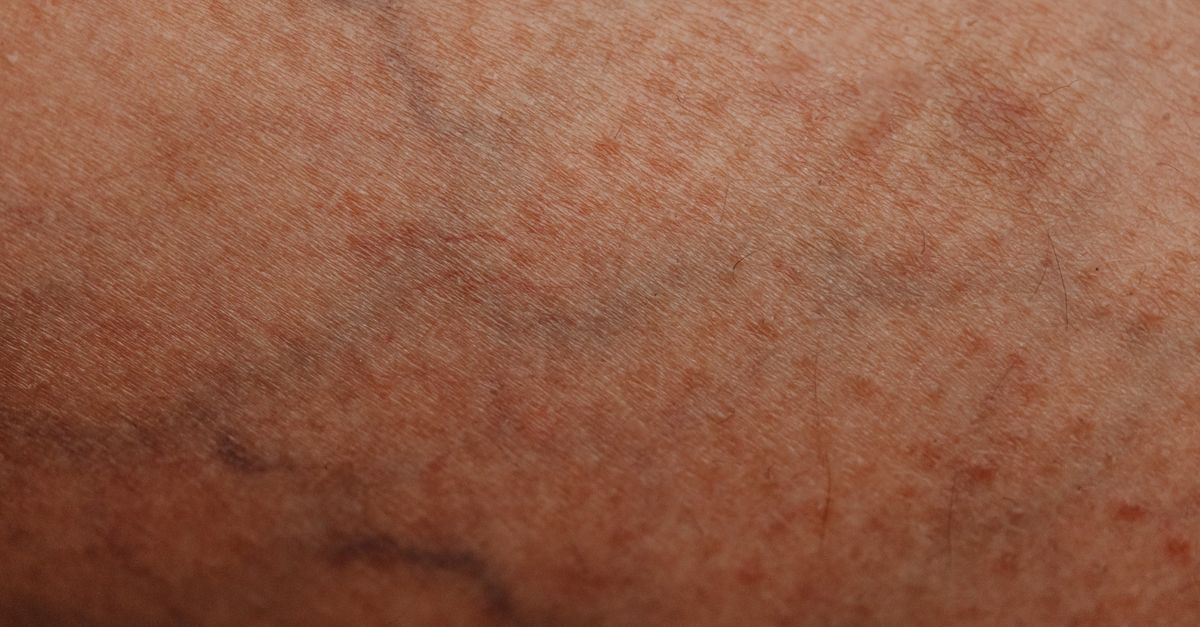
Is Dry Skin Normal in PCOS?
Yes, dry skin is a recognized and common symptom of PCOS. The same hormonal dysregulation — particularly low estrogen relative to androgens, elevated cortisol, and insulin resistance — that disrupts ovulation also impairs the skin's ability to produce sebum, retain moisture, and maintain a healthy barrier. The main caveat: not everyone with PCOS presents the same way. Some women experience oily, acne-prone skin from androgen excess, while others — especially those with adrenal-dominant PCOS or thyroid comorbidities — lean toward dryness and sensitivity.
---
Why PCOS Disrupts Skin Moisture
PCOS is classified as an endocrine disorder, and the endocrine system is among the most powerful regulators of skin physiology. Three interconnected mechanisms explain why dryness is so common:
1. Estrogen-androgen imbalance
Estrogen stimulates keratinocyte proliferation and sebaceous gland activity; it also upregulates aquaporin channels in the epidermis that keep water locked in cells. When estrogen is relatively suppressed — as it often is across a dysregulated PCOS cycle — transepidermal water loss (TEWL) increases. Androgens in isolation can paradoxically increase sebum in some women, but the net effect in adrenal-dominant or lean PCOS phenotypes often tips toward barrier disruption rather than oiliness (Zouboulis et al., Journal of Dermatological Science 2014; PMID: 24613208).
2. Insulin resistance and advanced glycation end products (AGEs)
Roughly 50–70% of women with PCOS show some degree of insulin resistance, even at a healthy body weight. Elevated blood glucose drives the formation of AGEs, which cross-link collagen and elastin fibers in the dermis. This structurally stiffens the skin and impairs the lipid lamellar layers that form the moisture barrier (Papaccio et al., Biomedicines 2022; PMID: 35740318). AGE accumulation in the dermis is measurable by skin autofluorescence and correlates with insulin AUC during oral glucose tolerance testing — meaning women with more pronounced insulin spikes tend to show greater barrier degradation even before they meet criteria for pre-diabetes. This is why addressing insulin resistance is not optional in any serious PCOS skin protocol.
3. Cortisol dysregulation
Chronic HPA axis activation — extremely common in PCOS — elevates cortisol, which degrades collagen, thins the epidermis, and blunts local immune defenses in the skin. High cortisol also suppresses progesterone synthesis, compounding the estrogen-dominance picture and further drying out mucous membranes and skin alike. Importantly, cortisol-driven epidermal thinning can occur even when serum cortisol tests appear within range, because the skin contains its own local glucocorticoid-activating enzyme (11β-HSD1) that amplifies the cortisol signal at tissue level independently of blood levels.
If you're curious whether other skin symptoms overlap with PCOS, itchy skin in PCOS is also worth understanding — it shares several of the same hormonal roots as dryness.
---
What the Research Says About PCOS and Skin Barrier Function
Studies specifically measuring TEWL and skin hydration in PCOS cohorts are limited but informative. A 2020 review in Clinical and Experimental Dermatology confirmed that androgenic skin disorders in PCOS include not only acne and hirsutism but also eczematous and xerotic (dry) presentations, particularly in women with elevated DHEA-S relative to free testosterone (Bettoli et al., Clinical and Experimental Dermatology 2020; PMID: 31583717).
Separately, research on the gut-skin-hormone axis shows that the microbiome dysbiosis seen in PCOS women correlates with increased intestinal permeability, systemic low-grade inflammation, and impaired ceramide synthesis — all of which translate to a leakier, drier skin barrier (Qi et al., Journal of Clinical Endocrinology & Metabolism 2019; PMID: 31251800). Ceramide depletion is mechanistically significant: ceramides make up roughly 50% of the intercellular lipid matrix in the stratum corneum, and even a 20% reduction in ceramide content measurably increases TEWL. Restoring gut microbiome diversity through targeted nutrition and prebiotic fiber is therefore a plausible upstream lever for skin barrier repair in PCOS.
For women whose PCOS coexists with subclinical hypothyroidism — a pairing seen in roughly 20–40% of PCOS cases depending on the population — thyroid hormone deficiency independently dries the skin by slowing epidermal cell turnover and reducing glycosaminoglycan content. If you've had your TSH tested alongside PCOS markers, understanding what a normal TSH level looks like in PCOS can help you interpret where your levels sit. Women who also notice dry skin symptoms worsening during heavy periods should consider that estradiol troughs during menstruation amplify the TEWL already present at baseline in PCOS — making the hormonal-skin connection cyclical, not static.
---
Holy Basil for Skin: Adaptogenic Cortisol Control
Holy basil (Ocimum tenuiflorum, also called tulsi) is classified as an adaptogen — a botanical that helps the body mount a more proportionate stress response. Its relevance to PCOS-related dry skin is primarily through cortisol modulation. Elevated cortisol degrades the proteins and lipids that make up the skin's moisture barrier; lowering the cortisol load reduces this degradation.
A randomized controlled trial published in the Journal of Ayurveda and Integrative Medicine found that 500 mg of holy basil extract daily for 60 days significantly reduced self-reported stress scores and lowered fasting cortisol compared to placebo (Bhattacharyya et al., Journal of Ayurveda and Integrative Medicine 2012; PMID: 23326042). Lower cortisol also preserves progesterone synthesis, which has its own skin-moisturizing effects.
Beyond cortisol, ursolic acid in holy basil has demonstrated collagen-stimulating and anti-inflammatory activity in keratinocyte cultures. While topical applications are more studied, oral consumption of ursolic acid-rich botanicals may contribute to sustained dermal structure support. Ursolic acid specifically inhibits matrix metalloproteinases (MMP-1, MMP-3) — the enzymes that break down collagen under inflammatory and cortisol-driven conditions. In women with PCOS who show elevated CRP or IL-6 on labs, this anti-MMP action may translate to measurable improvements in skin firmness and hydration over 8–12 weeks of consistent use.
Holy basil is not the same as standard sweet basil used in cooking; the medicinal species requires standardized extraction. Look for extracts standardized to 2–3% ursolic acid or 0.5–2% eugenol content for consistent bioactivity.
---
Schisandra for Skin: Barrier Repair and Adaptogenic Defense
Schisandra chinensis is a five-flavor berry used in Traditional Chinese Medicine, now gaining clinical attention for its adaptogenic and hepatoprotective properties. Its relevance to PCOS-associated dry skin operates on two levels: liver support and direct barrier modulation.
The liver is central to estrogen metabolism. In PCOS, sluggish phase-II liver detoxification can cause estrogen metabolites (particularly the more pro-inflammatory 4-OH catechols) to recirculate, contributing to hormonal imbalance and skin inflammation. Schisandra's lignans — particularly schisandrin B — upregulate CYP450 enzyme activity and glutathione transferase, accelerating conjugation and clearance of these metabolites (Szopa et al., Evidence-Based Complementary and Alternative Medicine 2017; PMID: 28115949).
Direct skin effects have been noted in in-vitro and small human studies: schisandra polysaccharides appear to stimulate hyaluronic acid production in fibroblasts and reduce UV-induced oxidative damage in keratinocytes. Hyaluronic acid is the skin's primary endogenous humectant; any botanical that sustains its synthesis has a legitimate anti-dryness mechanism. A practical note on dosing hierarchy: the hepatoprotective lignan activity requires consistent daily intake over at least 4 weeks before measurable shifts in liver enzyme clearance appear, whereas the antioxidant effects on keratinocytes may be detectable earlier. This suggests schisandra is a medium-to-long-term intervention rather than a quick fix, and it performs best when combined with adequate dietary choline and B-vitamins that also support phase-II conjugation.
Typical clinical use involves 500–1000 mg of standardized extract (1–3% schisandrins) daily. Its bitter-sour flavor is distinctly unpleasant, which is why encapsulated extracts are strongly preferred for consistent dosing.
---
Lemon Balm for Skin: Calming Inflammation and Cortisol Spikes
Lemon balm (Melissa officinalis) is best known as a calming herb, but its skin relevance in PCOS comes from its rosmarinic acid content — a polyphenol with demonstrated anti-inflammatory and antioxidant effects at the dermal level.
Rosmarinic acid inhibits prostaglandin E2 and leukotriene B4 synthesis, two mediators responsible for the inflammatory itch-scratch cycle and barrier disruption seen in inflammatory skin states. In a 2014 placebo-controlled study in adults with chronic mild anxiety, lemon balm extract (600 mg/day) significantly reduced cortisol awakening response over 15 days compared to placebo — important because the cortisol awakening response is the daily cortisol spike that correlates most closely with skin inflammation and sebaceous gland dysregulation (Kennedy et al., Nutrients 2014; PMID: 25360512).
For PCOS specifically, the HPA axis is often sensitized — small stressors produce exaggerated cortisol responses. Lemon balm's anxiolytic effect through GABA-A receptor modulation helps blunt these spikes without sedation at daytime doses, making it a practical daytime adaptogen paired with botanicals that act more directly on the ovarian-adrenal axis. One clinical consideration: lemon balm modestly inhibits TSH by reducing thyroid-stimulating activity at the pituitary, which means women who already have borderline-low thyroid function should use it with monitoring rather than open-endedly. For most PCOS women with normal TSH, this effect is clinically insignificant at the 600 mg/day range.
In the context of skin conditions that can co-occur with PCOS-related hormonal fluctuations, dry skin in perimenopause involves overlapping cortisol and estrogen mechanisms — lemon balm has been explored in both contexts.
---
Magnolia Bark for Skin: Anti-Inflammatory Barrier Support
Magnolia bark (Magnolia officinalis) extract contains two primary bioactives — honokiol and magnolol — that exert anti-inflammatory, anxiolytic, and antimicrobial effects. In the context of PCOS-related skin issues, magnolia bark addresses the glucocorticoid-inflammation loop from a different angle than the adaptogens above.
Honokiol has been shown to inhibit NF-κB signaling, the master switch for inflammatory cytokine production (including IL-1β, TNF-α, and IL-6) that when chronically elevated damages the epidermal barrier, reduces ceramide synthesis, and triggers mast cell degranulation — all contributors to dry, reactive skin. A 2016 study demonstrated that honokiol at 10 μM significantly suppressed LPS-induced inflammatory markers in dermal fibroblasts, preserving structural collagen production under inflammatory conditions (Chen et al., International Journal of Molecular Sciences 2016; PMID: 27854272).
Magnolia bark also modulates cortisol by acting as a mild 11β-HSD1 inhibitor — an enzyme that converts inactive cortisone to active cortisol in peripheral tissues including the skin. Excess local cortisol activity in skin is increasingly understood as a driver of epidermal thinning independent of systemic cortisol levels. By partially inhibiting this local conversion, magnolia bark may protect the skin barrier even when blood cortisol tests appear normal.
This mechanism is particularly relevant for PCOS women with adrenal-dominant phenotypes where DHEA-S and cortisol are both elevated. In these women, the combination of systemic HPA dysregulation and elevated local 11β-HSD1 activity creates a double-hit on skin barrier integrity that topical moisturizers cannot meaningfully address. Effective doses in human trials range from 200–400 mg of standardized extract (1–5% honokiol + magnolol combined) daily. Magnolol also shows mild phytoestrogenic activity in in-vitro models, which is an additional mechanistic rationale for its use in estrogen-deficient skin states — though the clinical magnitude of this effect in vivo remains to be confirmed in larger trials.
---
What This Means for Your Formula
Dry skin in PCOS is a systemic problem requiring a systemic approach. Topical emollients address the symptom; balancing the HPA axis, supporting liver estrogen metabolism, and reducing insulin-driven inflammation addresses the cause.
Ones evaluates blood work, hormone panels, and health history to identify which mechanisms are driving your presentation. For women showing elevated cortisol markers and adrenal-driven PCOS patterns, the Adrenal Support blend — which includes adaptogenic botanicals targeting HPA axis regulation — is one candidate the AI may include. For those whose labs suggest sluggish estrogen clearance and liver burden, Liver Support is a relevant system blend that directly targets the phase-II detoxification bottleneck implicated in recirculating estrogen metabolites. Individual actives like Ashwagandha KSM-66 at 600 mg are dosed to match the clinical evidence for cortisol reduction and complement the botanical protocols discussed above by reducing the neuroendocrine stress load that ultimately degrades the skin barrier.
Because PCOS is also closely tied to blood sugar dysregulation — the insulin resistance that generates AGEs — a formula that addresses glucose metabolism is often part of the broader skin strategy, alongside hormone-focused support. The Ones AI determines whether a 6- or 9-capsule daily plan best fits the number of mechanisms that need addressing based on your specific lab findings, rather than defaulting to a one-size approach.
If you are also navigating postpartum hormonal shifts alongside a PCOS diagnosis, note that dry skin in postpartum involves a distinct but partially overlapping set of mechanisms — prolactin suppression of estrogen and rapid progesterone withdrawal — that may require a different formula emphasis than PCOS alone.
---
Key Takeaways
- Dry skin is a genuine, physiologically grounded symptom of PCOS, not a coincidence — estrogen suppression, insulin resistance, and cortisol excess each independently impair the skin moisture barrier.
- The PCOS phenotype matters: adrenal-dominant and lean PCOS presentations are most likely to trend toward dryness rather than oiliness; androgen-dominant phenotypes may swing the other way.
- AGE accumulation from insulin resistance damages dermal collagen and ceramide layers structurally — addressing blood sugar regulation is as important for skin as any topical routine.
- Adaptogenic botanicals — holy basil, schisandra, lemon balm, and magnolia bark — target the HPA and liver pathways upstream of skin barrier disruption, each through distinct mechanisms including cortisol modulation, NF-κB inhibition, and phase-II estrogen clearance.
- Comorbid subclinical hypothyroidism (present in up to 40% of PCOS cases) independently worsens skin dryness and should be assessed alongside standard PCOS hormone panels.
- A personalized supplement formula based on your actual hormone, metabolic, and inflammatory markers will address more of the causal chain than any generic women's health multi.