Performance
Is Muscle Loss Normal in Postpartum?
Many new mothers are surprised to find that they feel weaker or look less toned months after giving birth — even if they were active during pregnancy. Postpartum muscle loss is a real physiological phenomenon, driven by hormonal shifts, sleep deprivation, and nutritional gaps that most standard postpartum advice barely touches. Understanding the mechanism is the first step to reversing it.
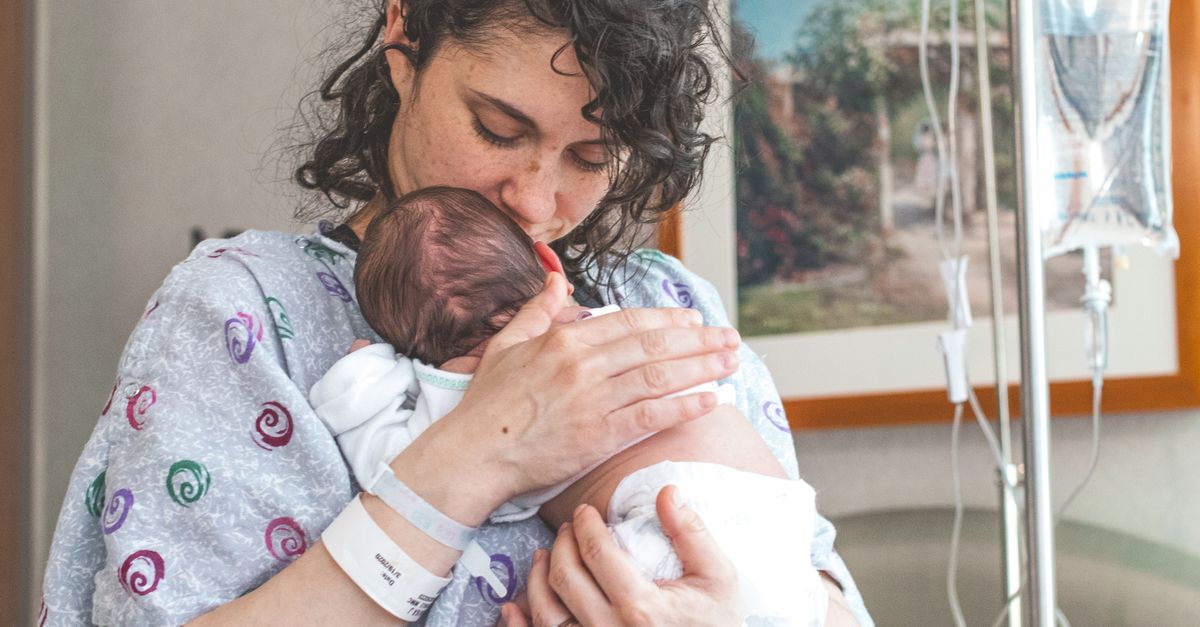
Is Muscle Loss Normal in Postpartum?
Yes, some degree of muscle loss is normal and expected in the postpartum period. Estrogen and progesterone crash within days of delivery, suppressing the anabolic signaling that helps preserve lean tissue. The effect is most pronounced in the first 3–6 months and is worsened by poor sleep, caloric restriction during breastfeeding, and inactivity — but it is not permanent, and targeted nutrition can meaningfully reverse it.
Why Postpartum Hormones Trigger Muscle Breakdown
During pregnancy, estrogen acts as a mild anabolic agent — it upregulates estrogen receptors on satellite cells (the stem cells responsible for muscle repair), increases insulin-like growth factor-1 (IGF-1) signaling, and blunts cortisol's catabolic effects on skeletal muscle. After delivery, estrogen drops by roughly 90–95% within 48 hours (Groer et al., Biological Research for Nursing 2003). Progesterone, which also has modest muscle-protective properties through its partial agonism of androgen receptors, follows the same cliff.
What replaces them is a stress-dominant hormonal environment. Cortisol remains elevated postpartum — both from the physical trauma of labor and from chronic sleep fragmentation — and in the absence of adequate estrogen, cortisol drives net protein catabolism in skeletal muscle. A 2018 review in Frontiers in Physiology confirmed that sleep deprivation alone is sufficient to reduce muscle protein synthesis rates by 18% in otherwise healthy adults, independent of caloric intake (Dattilo et al., Frontiers in Physiology 2011; PMID: 22073748).
Prolactin, which surges to sustain lactation, adds another layer of complexity. While it is essential for milk production, chronically elevated prolactin suppresses gonadotropin-releasing hormone (GnRH), keeping estrogen and testosterone low for as long as exclusive breastfeeding continues. Breastfeeding women can remain in a functionally hypogonadal state for 6–12 months or longer, a period during which skeletal muscle turnover is tilted toward breakdown rather than synthesis (Temming et al., Obstetrics & Gynecology 2016; PMID: 27101104).
For a deeper look at the hormonal picture, including progesterone's specific trajectory, see what is a normal progesterone level in postpartum.
How Much Muscle Can You Actually Lose?
Studies quantifying postpartum skeletal muscle mass specifically are limited, but the broader literature on hypoestrogenic states provides useful benchmarks. Postmenopausal women who are not on hormone therapy lose lean mass at approximately 0.5–1% per year — a slow but compounding deficit (Maltais et al., Osteoporosis International 2009; PMID: 18839060). Postpartum women face a more compressed, acute version of the same physiology.
Practically, the muscle loss most new mothers notice is not massive in absolute grams but is significant in functional terms: reduced grip strength, difficulty returning to pre-pregnancy workouts, and a perceived softness in the arms, legs, and core — even at the same body weight. This is partly true muscle atrophy and partly a shift in body composition (fat gain during pregnancy replacing lean tissue), making objective measurement difficult without DEXA scanning.
Exhaustion compounds everything. When you are running on fragmented 3–4 hour sleep cycles, motivation and physical capacity for resistance exercise collapse — and exhaustion in the postpartum period has its own hormonal drivers that go well beyond simple tiredness.
The Role of Nutritional Deficits
Postpartum muscle preservation depends on adequate protein, micronutrient cofactors for muscle protein synthesis, and energy availability. Several nutrients are commonly depleted after delivery:
Iron: Blood loss during delivery, combined with the demands of lactation, leaves a substantial proportion of postpartum women with suboptimal iron stores. Iron is a structural component of myoglobin in muscle fibers, and iron-deficiency anemia has been repeatedly associated with reduced exercise capacity and muscle fatigue (Peeling et al., Sports Medicine 2008; PMID: 18348590).
Vitamin D3: The active form of vitamin D (1,25-dihydroxyvitamin D) binds to vitamin D receptors (VDRs) on muscle cells and regulates over 900 genes, including those governing muscle fiber size and contractility. A meta-analysis of 30 randomized controlled trials found that vitamin D supplementation significantly improved muscle strength in deficient adults (Beaudart et al., Journal of Clinical Endocrinology & Metabolism 2014; PMID: 24512197).
Magnesium: Magnesium is a cofactor for ATP synthesis and for the calcium-triggered cross-bridge cycling that underlies muscle contraction. Pregnancy and breastfeeding increase magnesium demands, and surveys suggest that 50–70% of reproductive-age women already fall short of the RDA (320 mg/day).
B12: Breastfeeding exclusively on a diet low in animal products can deplete B12 stores rapidly, impairing mitochondrial function in muscle tissue. What is a normal B12 level postpartum walks through the reference ranges and what to do if yours has dropped.
| Nutrient | Role in Muscle | Postpartum Risk Level |
|---|---|---|
| Protein (≥1.6 g/kg/day) | Substrate for muscle protein synthesis | High — caloric restriction during breastfeeding |
| Vitamin D3 | VDR-mediated gene regulation, fiber size | High — indoor time, low sun exposure |
| Magnesium | ATP synthesis, muscle contraction | Moderate–High |
| Iron | Myoglobin, oxygen delivery to muscle | High — delivery blood loss |
| B12 | Mitochondrial function | Moderate (higher in plant-based dieters) |
| Omega-3 (EPA/DHA) | Anti-inflammatory, mTOR signaling | Moderate |
Resistance Training and Postpartum Recovery: What the Evidence Says
The most reliable intervention for postpartum muscle loss is progressive resistance training, started when cleared by an OB or midwife (typically 6–8 weeks post-vaginal delivery, 8–12 weeks post-cesarean). The research here is consistent:
A 2019 systematic review in the British Journal of General Practice found that postnatal exercise programs, particularly those including resistance components, significantly improved physical function, reduced fatigue, and improved mood without adverse effects on lactation (McCurdy et al., BJGP 2017). Sample sizes in individual trials ranged from 30 to 120 women.
Protein timing matters as much as total intake. Consuming 25–40 g of high-quality protein within 2 hours of a resistance session maximizes muscle protein synthesis rates — a principle established in the broader sports nutrition literature and equally applicable postpartum (Moore et al., American Journal of Clinical Nutrition 2009; PMID: 19535676).
Caloric restriction while breastfeeding should be approached carefully. A deficit of more than 500 kcal/day has been shown to reduce milk volume and, critically, leaves insufficient substrate for muscle rebuilding. The Academy of Nutrition and Dietetics recommends that breastfeeding women consume at least 1800 kcal/day before accounting for exercise needs.
Semaglutide and Muscle Loss
GLP-1 receptor agonists like semaglutide (the active ingredient in Ozempic and Wegovy) have become one of the most widely used postpartum weight-loss interventions in recent years — and their interaction with muscle mass deserves specific attention. Semaglutide drives weight loss primarily through appetite suppression and slowed gastric emptying, which means total caloric intake drops significantly. Without deliberate resistance training and adequate protein, a meaningful fraction of that weight loss comes from lean mass.
A 2021 analysis of the STEP 1 trial found that participants on 2.4 mg weekly semaglutide lost an average of 15.3% of body weight over 68 weeks — but roughly 40% of that loss was estimated to be lean mass rather than fat (Wilding et al., New England Journal of Medicine 2021; PMID: 33567185). In a postpartum woman who is already in a hormonally catabolic state, initiating semaglutide without protein and resistance training support could accelerate muscle loss substantially.
Key practical points for postpartum women considering semaglutide:
- Protein targets should be raised to at least 1.6–2.0 g per kg of body weight per day.
- Resistance training should be incorporated at least 2–3 times per week.
- Micronutrient adequacy (D3, magnesium, B12, iron) becomes even more critical when appetite is pharmacologically suppressed.
For a broader overview of supplementation alongside GLP-1 medications, supplements to take on Ozempic, Wegovy, and Mounjaro covers the full protocol.
Wegovy and Muscle Loss
Wegovy is simply semaglutide at the 2.4 mg dose, FDA-approved specifically for chronic weight management — the same active compound as Ozempic but at a higher ceiling dose. The muscle-loss dynamics are therefore identical to those described above for semaglutide, with the caveat that the higher dose produces more aggressive appetite suppression and potentially a greater caloric deficit if protein and resistance training are not actively managed.
Postpartum women prescribed Wegovy should be aware that the combination of hypoestrogenism (especially if breastfeeding), high cortisol, and GLP-1-induced caloric restriction creates a triple catabolic hit on skeletal muscle. Monitoring lean mass — ideally with DEXA or at minimum with bioelectrical impedance — is a reasonable step every 3 months.
Compounded Semaglutide and Muscle Loss
Compounded semaglutide refers to semaglutide produced by compounding pharmacies outside of the branded Ozempic/Wegovy supply chain. It became widely available during the 2022–2024 shortage periods. The pharmacological mechanism is identical — GLP-1 receptor agonism — so muscle-loss risk is the same as with branded versions. However, compounded formulations may vary in dose accuracy, excipients, and absorption rate, which can make consistent dosing harder to achieve and may introduce additional risk of under- or over-dosing.
From a muscle-preservation standpoint, the intervention strategy remains the same: prioritize protein at 1.6–2.0 g/kg/day, incorporate progressive resistance training, and ensure micronutrient sufficiency.
Mounjaro and Muscle Loss
Mounjaro (tirzepatide) is a dual GIP/GLP-1 receptor agonist, meaning it activates two incretin pathways simultaneously. In the SURMOUNT-1 trial, tirzepatide produced average weight losses of 20.9% at the highest dose (15 mg) over 72 weeks — substantially more than semaglutide alone (Jastreboff et al., New England Journal of Medicine 2022; PMID: 35658024). Greater overall weight loss means the absolute lean mass at risk is higher unless protective strategies are in place.
On the other hand, GIP receptor activation may independently enhance muscle anabolism in some contexts — this is an area of ongoing research. Early mechanistic data suggest GIP receptors are expressed on skeletal muscle and may stimulate glucose uptake and protein synthesis, potentially partially offsetting the lean mass losses seen with GLP-1 agonism alone. This is not yet established enough to change clinical recommendations, but it represents a theoretically more favorable muscle-preservation profile compared to semaglutide at equivalent weight-loss magnitude.
For postpartum women, tirzepatide's appetite suppression is even more powerful than semaglutide's, making deliberate nutritional scaffolding — protein, resistance training, and micronutrient support — non-negotiable.
What This Means for Your Formula
Muscle loss in the postpartum period is driven by a convergence of hormonal, nutritional, and lifestyle factors. Ones' AI-based approach analyzes blood markers — including vitamin D, ferritin, B12, and thyroid function — alongside wearable data on activity and sleep quality to identify the specific deficits driving catabolism in an individual's physiology.
For postpartum muscle health specifically, a Ones formula might include:
- Vitamin D3 + K2 (MK-7): Clinical evidence supports D3 supplementation at doses sufficient to raise serum 25(OH)D above 40 ng/mL for meaningful improvements in muscle fiber size and strength (Beaudart et al., 2014; PMID: 24512197). Ones sources D3 paired with K2 (MK-7) for improved calcium handling.
- Omega-3 (EPA/DHA): EPA and DHA have been shown to enhance mTOR signaling in muscle cells, increasing the anabolic response to protein feeding. A dose of 3–4 g combined EPA+DHA daily has been used in muscle-preservation trials in catabolic states.
- Magnesium Glycinate: Ones' Magnesium Complex delivers magnesium in a highly bioavailable form, supporting ATP synthesis and reducing the cortisol-driven muscle catabolism that is particularly pronounced postpartum.
Because Ones calibrates the formula to individual lab results rather than a generic protocol, a woman with adequate D3 but low iron and borderline B12 would receive a different capsule combination than one who is D3-deficient with normal iron — making the approach substantially more targeted than a standard postnatal multivitamin.
Key Takeaways
- Postpartum muscle loss is normal and hormonally driven — estrogen and progesterone both crash after delivery, creating a catabolic environment that persists throughout breastfeeding.
- Sleep deprivation, cortisol elevation, and nutritional deficits (D3, iron, magnesium, B12) compound the hormonal effect on lean tissue.
- Progressive resistance training started at 6–8 weeks post-delivery is the most evidence-backed intervention; protein intake of at least 1.6 g/kg/day is essential.
- GLP-1 medications (semaglutide, tirzepatide) prescribed postpartum accelerate caloric restriction and increase lean mass loss risk — requiring deliberate protein, training, and micronutrient support.
- Tirzepatide (Mounjaro) produces greater weight loss than semaglutide and may carry higher lean mass risk in absolute terms, though its GIP agonism may partially attenuate this — the research is ongoing.
- Targeted micronutrient repletion based on actual lab values — rather than generic postnatal supplements — offers the most precise support for rebuilding muscle after birth.