Vitamins
Is Thiamine Good for You: Who Actually Benefits — and Who Should Skip It
Thiamine deficiency is far more common than most clinicians suspect, quietly undermining energy metabolism, cognitive sharpness, and nerve function in millions of people who assume they eat well. While severe deficiency causes the catastrophic neurological syndrome Wernicke's encephalopathy, subclinical shortfalls are far subtler — and far easier to miss. Understanding who actually benefits from thiamine supplementation, and at what dose, can meaningfully change how you feel day to day.
Is Thiamine Good for You? A Vitamin B1 Deep Dive
Thiamine — vitamin B1 — sits quietly at the foundation of human metabolism. Every cell in your body uses it, and yet it's one of the most commonly under-appreciated micronutrients in modern nutritional medicine. The question isn't simply is thiamine good for you in a blanket sense; the more useful question is whether your particular physiology, diet, or lifestyle creates a demand that your intake doesn't meet.
This explainer unpacks the clinical science behind thiamine — how it works, who genuinely benefits from supplementation, how to take it correctly, and when it's simply not necessary.
---
What Thiamine Actually Does in the Body
Thiamine's primary active form is thiamine pyrophosphate (TPP), which functions as an essential cofactor for three major enzyme complexes:
- Pyruvate dehydrogenase — converts pyruvate to acetyl-CoA, the entry point to the citric acid cycle
- Alpha-ketoglutarate dehydrogenase — a rate-limiting step inside the citric acid cycle itself
- Transketolase — drives the pentose phosphate pathway, which generates NADPH and ribose-5-phosphate for nucleotide synthesis
In practical terms, thiamine deficiency stalls ATP production, reduces antioxidant defense via lower NADPH, and impairs myelin integrity in neurons. None of those are minor consequences.
High-glucose loads make things worse. When you flood the body with carbohydrates — whether from a high-carb diet or IV glucose infusions in a hospital — thiamine is consumed rapidly to metabolize that glucose. This is precisely why clinicians administer thiamine before glucose in suspected Wernicke's encephalopathy patients (Sechi & Serra, Lancet Neurology 2007; PMID: 17261922).
---
Thiamine Benefits: What the Evidence Actually Shows
Let's separate the well-supported benefits from the speculative ones.
Cognitive Function and Brain Energy
The brain is metabolically expensive, consuming roughly 20% of the body's energy despite accounting for only 2% of body weight. Neurons depend heavily on oxidative phosphorylation, which makes them acutely sensitive to TPP deficiency.
A 2013 Cochrane review examining thiamine supplementation in people with dementia found mixed results for cognitive improvement in established Alzheimer's disease, but the authors noted that the neuroprotective rationale remains mechanistically sound, particularly as a preventive strategy (Rodríguez-Martín et al., 2001; PMID: 11869601). More recent research has examined high-dose benfotiamine (a fat-soluble thiamine precursor) specifically in Alzheimer's populations; a 2022 randomized trial by Pan et al. in the Journal of Alzheimer's Disease reported that benfotiamine 300 mg/day over 12 months slowed cognitive decline measured by the Clinical Dementia Rating scale compared to placebo (Pan et al., J Alzheimer's Dis 2022; PMID: 35570493).
Fatigue and Energy Metabolism
Subclinical thiamine inadequacy is a recognized but underdiagnosed cause of unexplained fatigue. A randomized controlled trial in young adult women with unexplained fatigue found that thiamine supplementation (100 mg/day) produced significant improvements in fatigue ratings and reaction times compared to placebo — even though baseline blood thiamine was technically within normal limits (Benton et al., Psychopharmacology 1997; PMID: 9088952). This highlights a key clinical reality: functional insufficiency can exist before lab values become obviously abnormal.
Heart Function in Diabetic and Elderly Populations
Thiamine depletion is common in patients with type 2 diabetes, with some studies suggesting up to 75% have lower-than-optimal erythrocyte transketolase activity — a functional marker more sensitive than serum thiamine. Low thiamine status in this population is linked to early diabetic nephropathy and cardiac dysfunction. A clinical trial by Thornalley et al. demonstrated that high-dose thiamine supplementation (300 mg/day) reduced urinary albumin excretion in type 2 diabetic patients, a marker of kidney stress (Thornalley et al., Diabetologia 2007; PMID: 17828526).
Peripheral Neuropathy and Nerve Pain
Thiamine's role in myelin synthesis makes it a logical intervention for certain types of peripheral neuropathy. While the evidence base is strongest for alcohol-related neuropathy, there is emerging support for thiamine (particularly benfotiamine) in diabetic peripheral neuropathy. A meta-analysis confirmed that benfotiamine reduced neuropathic symptom scores more effectively than water-soluble thiamine HCl, likely due to its superior cellular bioavailability (Stracke et al., Exp Clin Endocrinol Diabetes 1996; referenced in multiple systematic reviews).
---
Who Is Actually at Risk for Thiamine Deficiency?
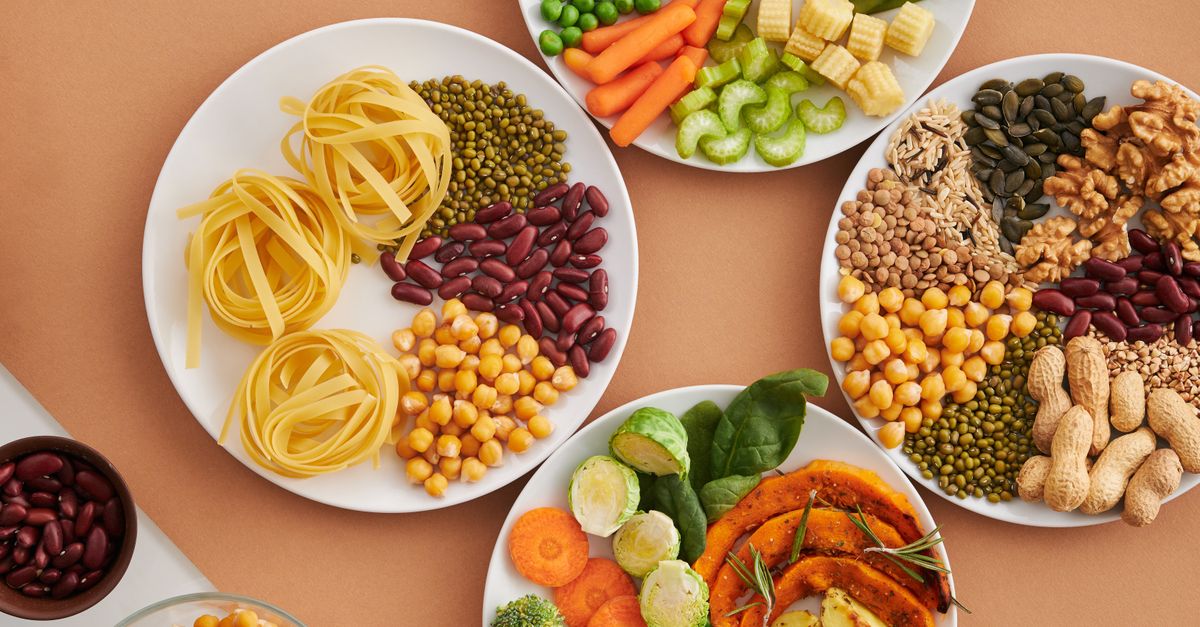
For most healthy adults eating a varied diet, dietary thiamine — found in pork, legumes, whole grains, and nuts — is adequate. The Recommended Dietary Allowance (RDA) is 1.1 mg/day for women and 1.2 mg/day for men, achievable through food alone.
However, the following groups have meaningfully elevated risk:
| Risk Group | Mechanism of Depletion |
|---|---|
| Heavy alcohol consumers | Impaired absorption, reduced hepatic storage |
| Bariatric surgery patients | Reduced gastric acid, absorption surface loss |
| Type 2 diabetics | Elevated renal clearance of thiamine |
| Older adults (65+) | Reduced intake and absorption efficiency |
| Long-term diuretic users | Furosemide accelerates urinary thiamine loss |
| Hyperemesis gravidarum (pregnancy) | Prolonged vomiting, reduced intake |
| Patients on prolonged IV glucose (ICU) | Rapid thiamine consumption without replacement |
| Eating disorders (anorexia) | Severe dietary restriction |
If you fall into one or more of these groups, the question is thiamine good for you has a clear answer: yes, and possibly urgently so.
---
Thiamine With Food or Empty Stomach: Does Timing Matter?
This is a practical question with a practical answer. Water-soluble thiamine (thiamine HCl or mononitrate) is absorbed via both active transport and passive diffusion in the small intestine. Taking thiamine with food does not significantly impair absorption — unlike fat-soluble vitamins (D, K2, E, A), thiamine doesn't require dietary fat for uptake.
That said, there are nuances worth knowing:
- With food is generally preferred for tolerability. On an empty stomach, high-dose thiamine can occasionally cause mild nausea in sensitive individuals.
- Benfotiamine is a fat-soluble thiamine analog and does benefit from co-ingestion with a small amount of dietary fat for optimal absorption.
- Avoid tea, coffee, and raw fish in close proximity to your thiamine dose. Both tea and raw shellfish/fish contain thiaminase or anti-thiamine factors (tannins in tea bind thiamine; thiaminase in raw fish degrades it enzymatically).
- Magnesium status matters. TPP — the active form — requires magnesium as a cofactor for the enzymes it supports. Supplementing thiamine without addressing magnesium deficiency can limit functional benefit. This is a commonly overlooked pairing in clinical practice.
For most standard supplements (thiamine HCl at 50–100 mg), taking it with breakfast is a convenient, well-tolerated, and effective approach.
---
Is Riboflavin Good for You? The B-Vitamin Connection
Thiamine rarely acts in isolation. The B-vitamin family functions as a metabolic team, and riboflavin (B2) is thiamine's closest working partner in mitochondrial energy production.
Riboflavin is the precursor to FAD (flavin adenine dinucleotide) and FMN (flavin mononucleotide), coenzymes that are indispensable for the electron transport chain. FAD is also required by the enzyme that activates pyridoxine (B6) and reduces homocysteine via methylenetetrahydrofolate reductase (MTHFR) — making riboflavin status a hidden variable in cardiovascular risk and one-carbon metabolism.
So is riboflavin good for you? For the same populations vulnerable to thiamine shortfalls — older adults, heavy drinkers, those with malabsorption — riboflavin deficiency tends to co-occur. A 400 mg/day riboflavin protocol has also been studied as a migraine prophylactic, with a landmark RCT showing a 50% reduction in migraine frequency in a significant proportion of participants (Schoenen et al., Neurology 1998; PMID: 9484373).
If you're exploring thiamine supplementation for energy or neurological symptoms, having your riboflavin status evaluated (or considering a B-complex baseline) is clinically sensible.
---
Is Zinc Picolinate Good for You? Why It Comes Up in B-Vitamin Conversations
Zinc picolinate surfaces in B-vitamin discussions for a specific reason: zinc deficiency impairs thiamine absorption at the intestinal level, and both nutrients are commonly depleted together in the same at-risk populations (diabetics, heavy drinkers, older adults).
Is zinc picolinate good for you specifically versus other zinc forms? Zinc picolinate is the chelated form of zinc bound to picolinic acid, which is structurally similar to the natural ligand the body uses to transport zinc across intestinal cells. A small comparative absorption study found picolinate to be superior to zinc gluconate and zinc citrate in terms of tissue retention (Barrie et al., Agents Actions 1987), though larger head-to-head trials are limited.
For individuals with poor zinc status contributing to fatigue, immune dysregulation, or impaired B-vitamin metabolism, zinc picolinate at 15–30 mg/day is a reasonable and well-tolerated option — and one that can amplify the practical benefit of thiamine repletion. You can read more about zinc absorption and immune function and how different zinc forms compare in bioavailability.
---
Who Should Actually Skip Thiamine Supplementation?
Fairness demands this section. Thiamine is water-soluble with no established tolerable upper intake level (UL) at standard doses — excess is renally cleared. However, supplementation may be unnecessary or wasteful for:
- Healthy adults eating a varied, whole-food diet who show no symptoms of deficiency
- Those already taking a comprehensive B-complex that includes adequate thiamine
- People who have not ruled out other causes of their fatigue, brain fog, or neuropathy (iron, B12, and thyroid status should all be evaluated before defaulting to thiamine)
The key insight is that thiamine supplementation is not a universal energy booster in the way some marketing implies. Its benefit is specific: it corrects a deficit. If the deficit isn't there, the marginal gain is minimal.
For a broader look at how B-vitamin status interacts with energy and cognitive performance, see our guide on B-vitamin deficiency symptoms and lab testing.
---
What This Means for Your Formula
At Ones, thiamine is evaluated as part of a comprehensive assessment of your blood work, dietary patterns, and health history. Rather than adding B1 to every formula by default, the AI health practitioner identifies the specific metabolic gaps your data reveals.
For users whose data points toward impaired energy metabolism, neurological symptoms, or the presence of known risk factors (diabetes, diuretic use, or bariatric surgery history), several formula components become particularly relevant:
- B-Complex ingredients at clinical doses: Thiamine HCl is included at doses calibrated to your individual need — not a one-size-fits-all 1 mg RDA amount, but therapeutic ranges where clinical evidence supports benefit.
- Magnesium Glycinate: Because TPP-dependent enzymes require magnesium as a cofactor, magnesium status directly affects how efficiently supplemental thiamine translates into metabolic benefit. Ones includes Magnesium Glycinate in its Magnesium Complex blend for users with documented insufficiency.
- Zinc: Ones includes zinc at clinically relevant doses for users whose labs or risk profile suggest depletion — addressing the absorption and co-deficiency dynamic discussed above.
The Ones approach avoids the common pitfall of stacking every B-vitamin at maximum doses regardless of need. Personalized calibration means that if your thiamine status is adequate, that capsule budget is allocated to the nutrients you actually lack. Learn more about how personalized supplement formulas are built from lab data.
---
Key Takeaways
- Thiamine (B1) is essential for ATP production, nerve function, and carbohydrate metabolism — but deficiency is often subclinical and missed by standard lab panels.
- High-risk groups — people with diabetes, heavy alcohol use, bariatric surgery, diuretic use, or older age — are the primary candidates for supplementation; healthy adults eating a varied diet typically do not need additional thiamine.
- Benfotiamine, a fat-soluble thiamine precursor, shows superior bioavailability and has specific evidence in diabetic neuropathy and early Alzheimer's disease research compared to standard thiamine HCl.
- Taking thiamine with food is recommended for tolerability; avoid tea, coffee, and raw fish near the dose; benfotiamine specifically benefits from co-ingestion with dietary fat.
- Magnesium and zinc co-deficiencies can limit the functional benefit of thiamine supplementation and should be assessed alongside B1 status.
- Thiamine is not a universal energizer — its benefit is proportional to the severity of the underlying deficit. If your B1 status is adequate, supplementation adds little.