Supplements
What the Research Actually Says About Is Turmeric Bad for Your Liver
Turmeric is celebrated as one of nature's most powerful anti-inflammatories — yet a growing number of case reports link high-dose curcumin supplements to liver injury. So is turmeric actually bad for your liver, or is the risk being overstated? The answer depends heavily on dose, formulation, and your individual biology.
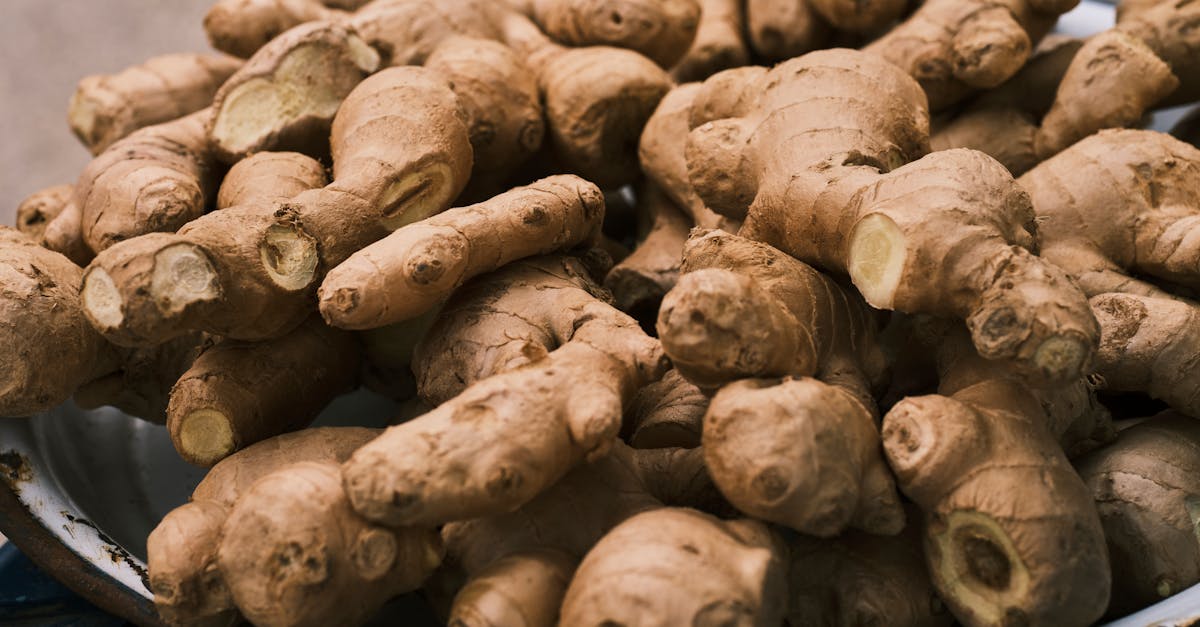
What the Research Actually Says About Is Turmeric Bad for Your Liver
Turmeric has spent the last decade at the top of the wellness world's ingredient list. It shows up in golden lattes, joint supplements, gut health formulas, and anti-aging stacks. Curcumin — the active polyphenol in turmeric root — has been studied in hundreds of clinical trials for everything from inflammatory bowel disease to metabolic syndrome. Yet in 2023, the European Food Safety Authority (EFSA) issued a technical report flagging curcumin supplements as a potential cause of drug-induced liver injury (DILI), and the FDA's MedWatch database has accumulated case reports linking high-dose turmeric supplements to hepatotoxicity.
So what's actually going on? Is turmeric bad for your liver, or is this a case of a few sensational headlines overshadowing a genuinely safe botanical? The science here is more nuanced than either camp admits — and getting it right matters if you're taking a curcumin supplement every day.
The Case for Turmeric: Anti-Inflammatory and Hepatoprotective Evidence
Before diving into the risk data, it's worth acknowledging that the dominant body of research on turmeric and liver health actually points in the opposite direction: curcumin has demonstrated liver-protective properties in multiple controlled trials.
A 2019 randomized controlled trial published in Phytotherapy Research found that curcumin supplementation significantly reduced alanine aminotransferase (ALT) and aspartate aminotransferase (AST) levels — two primary liver enzymes used to detect liver damage — in patients with non-alcoholic fatty liver disease (NAFLD) (Rahmani et al., Phytotherapy Research 2019; PMID: 30358880). The dose used was 1,000 mg of curcumin daily over eight weeks.
A 2021 meta-analysis in Frontiers in Medicine reviewing ten RCTs involving 518 participants with NAFLD found that curcumin supplementation was associated with significant reductions in ALT, AST, total cholesterol, and triglycerides compared to placebo (Gholamalizadeh et al., Frontiers in Medicine 2021; PMID: 34055846). These are exactly the markers a hepatologist would look at when assessing liver inflammation and metabolic stress.
Curcumin's mechanism of action in the liver involves suppression of NF-κB signaling (a master regulator of inflammatory gene expression), upregulation of the Nrf2/HO-1 antioxidant pathway, and inhibition of hepatic stellate cell activation — the process that drives fibrosis and cirrhosis. In other words, at appropriate doses, turmeric can be actively protective of liver tissue rather than harmful.
For those interested in broader anti-inflammatory protocols, understanding the clinical evidence for curcumin and systemic inflammation is a useful starting point before deciding on a supplement strategy.
When Does Turmeric Become a Liver Risk?
The liver injury cases in the literature are real, and dismissing them would be irresponsible. But they share a consistent profile that helps explain the mechanism.
A 2023 case series published in The American Journal of Gastroenterology examined 10 patients who developed DILI attributed to turmeric supplements (Halegoua-DeMarzio et al., Am J Gastroenterology 2023; PMID: 36602836). Key findings:
- All 10 patients were using curcumin formulated with bioavailability enhancers, most commonly piperine (black pepper extract) or phospholipid complexes
- Doses ranged from 1,500 mg to 2,250 mg of curcumin daily
- Liver injury resolved in all patients after discontinuation
- Several patients had pre-existing conditions or were taking concomitant medications that may have contributed
This is a critical point. Plain turmeric root powder — the kind used as a culinary spice at doses of 1–3 grams daily — has an extremely poor absorption profile. Curcumin's oral bioavailability is estimated at less than 1% without absorption enhancers (Anand et al., Molecular Pharmaceutics 2007; PMID: 17999464). The very formulations designed to make curcumin work are the ones associated with liver stress, likely because they dramatically increase systemic curcumin exposure beyond what the liver is equipped to process.
The EFSA's 2023 technical report on curcumin established an acceptable daily intake (ADI) of 3 mg/kg body weight — roughly 210 mg for a 70 kg adult — when high-bioavailability formulations are used. Many commercial supplements deliver 500–1,500 mg in enhanced forms, potentially exceeding this threshold significantly.
Is Turmeric Bad for Your Kidneys?
The liver conversation often bleeds into a parallel question: is turmeric bad for your kidneys? The concern here centers on oxalate content. Turmeric root is a high-oxalate food, and curcumin supplements retain meaningful oxalate loads. High dietary oxalate intake is a recognized risk factor for calcium oxalate kidney stones, the most common type of nephrolithiasis.
A clinical study published in The American Journal of Clinical Nutrition found that consuming turmeric (but not cinnamon) significantly increased urinary oxalate excretion compared to controls, suggesting a genuine renal consideration for individuals with a history of kidney stones (Tang et al., AJCN 2008; PMID: 18842807).
For people with chronic kidney disease (CKD), the concern is more systemic: impaired renal clearance can lead to accumulation of curcumin metabolites, and the anti-platelet effects of high-dose curcumin may interact with medications commonly used in CKD management.
The practical takeaway: if you have a history of kidney stones, CKD, or are on anticoagulant therapy, turmeric supplementation above culinary doses warrants a conversation with your healthcare provider before starting.
Is Berberine Bad for Your Liver?
Berberine has surged in popularity as a natural alternative to metformin for blood sugar regulation, and it's worth comparing its hepatic safety profile to turmeric's — because many people stack these two ingredients together.
The evidence on is berberine bad for your liver is reassuringly positive at standard doses. A 2015 meta-analysis in Evidence-Based Complementary and Alternative Medicine found that berberine at 900–1,500 mg/day over 12 weeks significantly reduced ALT, AST, and markers of hepatic steatosis in patients with NAFLD, suggesting a hepatoprotective rather than hepatotoxic effect at clinical doses (Yan et al., Evid-Based Complement Altern Med 2015; PMID: 26246868).
However, berberine is a potent inhibitor of cytochrome P450 enzymes — specifically CYP3A4 and CYP2D6 — which means it can significantly alter the metabolism of co-administered drugs. If a medication you take is processed via these enzymes (which includes many statins, antidepressants, and immunosuppressants), berberine can cause those drugs to accumulate to potentially toxic levels in the liver, creating secondary hepatotoxicity.
So berberine itself isn't inherently liver-toxic at recommended doses, but its drug-interaction profile makes it a supplement that requires proper personalization — exactly the kind of consideration that a personalized supplement formula built around your health history and labs can account for.
Is Melatonin Bad for Your Liver?
Melatonin's relationship with liver health is a genuinely underappreciated area of research. The short answer to is melatonin bad for your liver is: at standard sleep doses (0.5–5 mg), melatonin is not only safe for most people but may actually support liver function.
Melatonin receptors (MT1 and MT2) are expressed in hepatic tissue, and melatonin has demonstrated antifibrotic and antioxidant effects in the liver through Nrf2 pathway activation (Shafabakhsh et al., Journal of Cellular Physiology 2019; PMID: 30609028). Several studies in patients with NAFLD have shown that melatonin supplementation reduces markers of oxidative liver stress.
The concern arises at high doses — particularly the 10–20 mg doses increasingly popular in wellness circles. Melatonin is hepatically metabolized by CYP1A2, and very high doses may temporarily elevate liver enzyme levels in sensitive individuals. Additionally, melatonin can enhance the effects of anticoagulants, which is a consideration for people already taking blood thinners.
For general sleep support, 0.5–3 mg remains the clinically supported range, and at those doses, liver risk is negligible for otherwise healthy adults.
Is Creatine Bad for Your Liver?
While this article focuses on turmeric, it's worth briefly addressing is creatine bad for your liver — a question that arises constantly in athletic and fitness communities where creatine and anti-inflammatory supplements like turmeric are often stacked together.
The evidence here is clear: creatine monohydrate at 3–5 g/day does not cause liver injury in healthy individuals. A comprehensive review in the Journal of the International Society of Sports Nutrition found no evidence that creatine supplementation at recommended doses produces clinically significant changes in liver enzymes or liver function markers (Antonio & Ciccone, JISSN 2013; PMID: 23347086). Creatine does elevate serum creatinine levels — a kidney filtration marker — which can look alarming on a standard blood panel, but this is a benign pharmacokinetic effect, not a sign of kidney damage.
High-dose creatine loading protocols (20–25 g/day for 5–7 days) may produce transient enzyme fluctuations in some individuals, which is why clinicians generally prefer the maintenance dosing approach. For people who track their omega-3 EPA DHA ratio guide and inflammation markers closely, understanding how creatine affects lab readouts helps avoid unnecessary concern.
A Practical Risk Framework for Turmeric Supplementation
Based on the available evidence, here is a practical framework for assessing turmeric's liver risk profile:
| Factor | Lower Risk | Higher Risk |
|---|---|---|
| Formulation | Plain root powder, standard extract | Piperine-enhanced, phospholipid complex, nano-emulsified |
| Daily curcumin dose | < 500 mg | > 1,000 mg (enhanced forms) |
| Duration | Short-term cycling (4–8 weeks) | Continuous, long-term use without monitoring |
| Concurrent medications | None | Anticoagulants, chemotherapy, hepatically-metabolized drugs |
| Baseline liver health | Normal ALT/AST | Pre-existing liver disease, elevated enzymes |
| Genetic factors | CYP1A2 normal metabolizer | Slow metabolizer (higher systemic exposure) |
If you fall into the lower-risk column across all factors, standard curcumin supplementation is unlikely to pose a liver threat — and may actively support hepatic health based on the NAFLD trial data. If you tick multiple higher-risk boxes, a conversation with a healthcare provider and liver enzyme monitoring (ALT, AST, GGT) every 8–12 weeks is reasonable.
What This Means for Your Formula
At Ones, the approach to turmeric and liver-adjacent supplementation is built around two principles: clinical dosing and individual context. Rather than defaulting to the highest bioavailability formulation, Ones analyzes your blood work — including baseline liver enzymes, inflammation markers like hs-CRP, and metabolic panels — before determining whether curcumin belongs in your formula at all, and if so, at what dose.
For users whose labs or wearable data indicate hepatic stress, elevated ALT, or known liver conditions, the Liver Support System Blend takes precedence. This proprietary blend combines ingredients with established hepatoprotective evidence — including NAC (N-acetyl cysteine), which supports glutathione synthesis (the liver's primary antioxidant defense), and milk thistle (silymarin), which has Cochrane-reviewed evidence for hepatoprotective effects in toxic liver injury scenarios (Rambaldi et al., Cochrane Database 2005).
For users with inflammatory joint or metabolic concerns where curcumin is appropriate, Ones doses curcumin at evidence-supported levels calibrated to your capsule budget (6, 9, or 12 capsules), avoiding the high-dose enhanced formulations associated with DILI while still achieving meaningful clinical effect. This is a fundamentally different approach from generic turmeric supplements sold at maximum-bioavailability doses to everyone, regardless of individual health status.
Magnesium Glycinate — another ingredient in Ones formulas — is worth mentioning here because magnesium deficiency is independently associated with increased oxidative stress and liver inflammation in NAFLD patients (Guerrero-Romero & Rodríguez-Morán, Magnesium Research 2014; PMID: 24705695). Addressing foundational nutrient deficiencies identified in your bloodwork may reduce the liver burden before curcumin even enters the picture. You can read more about optimal magnesium glycinate dosage for inflammation and sleep in our detailed breakdown.
Key Takeaways
- Turmeric at culinary doses is not bad for your liver — the DILI cases in the literature involve high-dose, enhanced-bioavailability curcumin supplements, typically above 1,000 mg/day
- Curcumin may actually protect the liver at moderate doses by reducing ALT/AST and hepatic inflammation in NAFLD patients, as shown in multiple RCTs and a 2021 meta-analysis
- Bioavailability enhancers (piperine, phospholipids) amplify both benefit and risk — they dramatically increase systemic curcumin exposure, which is the likely mechanism behind reported liver injury cases
- Kidney risk is real but narrow: high oxalate content in turmeric is relevant for individuals with a history of calcium oxalate kidney stones; most healthy adults are not at meaningful risk
- Berberine and melatonin are generally liver-safe at clinical doses, but both interact with hepatic metabolism pathways and require careful consideration when stacked with other supplements or medications
- Personalized dosing based on your labs is the safest strategy: baseline liver enzymes, inflammation markers, and medication history should inform whether you take curcumin, at what dose, and in what formulation — something a platform like Ones is specifically designed to assess
This article is for informational purposes only and does not constitute medical advice. Always consult a qualified healthcare provider before starting any new supplement protocol, especially if you have pre-existing liver, kidney, or metabolic conditions.