Lab Results
Magnesium Red Blood Cell Test: Why Serum Magnesium Misses the Point
Your serum magnesium came back normal — yet you're exhausted, anxious, and sleeping poorly. The problem isn't your symptoms; it's the test. Standard serum magnesium measurements capture less than 1% of the body's total magnesium stores, making them a notoriously poor proxy for true magnesium status. The magnesium RBC test changes that equation entirely.
Why Your Serum Magnesium Result Is Probably Misleading You
Magnesium is the fourth most abundant mineral in the human body and a cofactor in more than 300 enzymatic reactions — spanning ATP synthesis, DNA repair, protein synthesis, muscle contraction, and neurotransmitter regulation (NIH Office of Dietary Supplements, 2022). Yet despite this central role, most clinicians still rely on a test that measures magnesium in blood serum, a compartment that holds roughly 0.3% of the body's total magnesium.
The remaining 99%+ is stored inside cells — predominantly in skeletal muscle (about 27%) and bone (about 60%) — where it actually does its biochemical work (Jahnen-Dechent & Ketteler, Clinical Kidney Journal, 2012; doi.org/10.1093/ndtplus/sfr163). Because the body tightly regulates extracellular magnesium at the expense of intracellular reserves, your serum number can look perfectly normal while your cells are running on empty.
This is the central problem the magnesium RBC test is designed to solve.
---
What Is the Magnesium RBC Test?
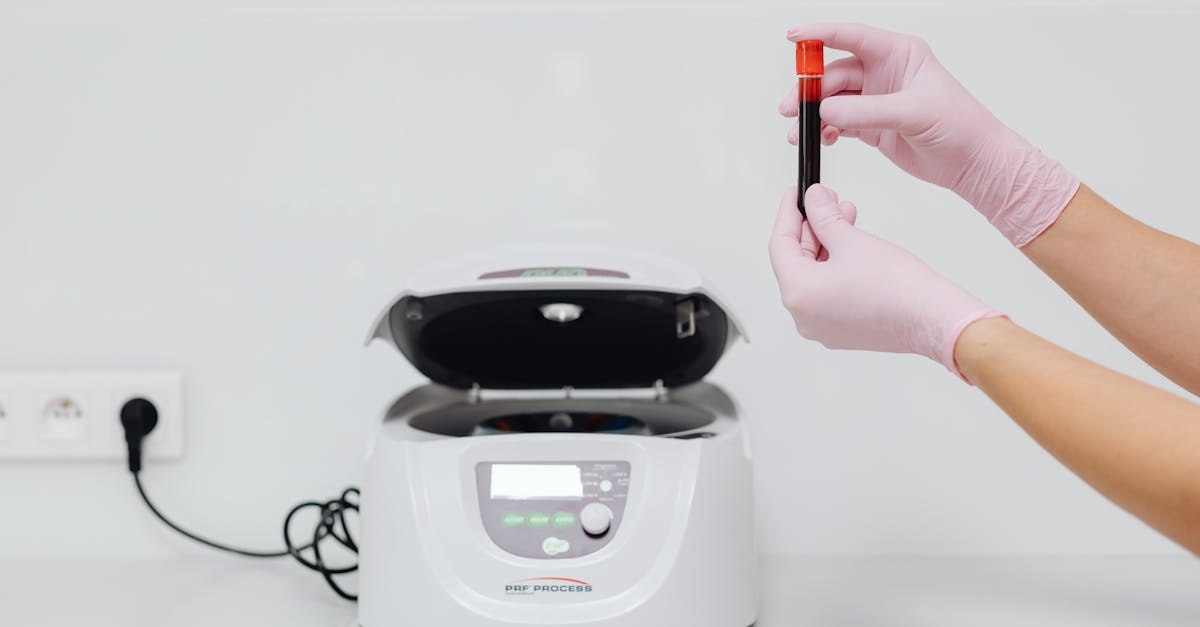
The magnesium red blood cell (RBC) test — formally known as erythrocyte magnesium or intracellular magnesium testing — measures the concentration of magnesium inside red blood cells rather than floating in the liquid portion of blood. Because red blood cells live approximately 120 days and actively accumulate magnesium from the intracellular environment, they offer a far more clinically meaningful snapshot of long-term magnesium status.
The test is ordered as a standalone add-on at most functional medicine and integrative health labs, and it is also available through direct-access lab services. Reference ranges vary slightly by lab, but functional medicine practitioners generally consider 4.2–6.8 mg/dL (or approximately 1.73–2.80 mmol/L) to be the optimal RBC magnesium range, with values below 5.0 mg/dL often flagged as functionally suboptimal even when serum results are technically normal.
---
RBC Magnesium vs Serum: Understanding the Diagnostic Gap
The debate between RBC magnesium vs serum has been active in the clinical literature for decades, and the evidence consistently favors RBC testing for functional assessment.
A landmark analysis published in Magnesium Research found that serum magnesium had poor sensitivity for detecting intracellular depletion, with many subjects showing low RBC magnesium despite serum levels within the standard reference interval (Rylander, 2014; PMID: 24985736). The reason is physiological: the kidneys and parathyroid hormone work in concert to preserve serum magnesium within a narrow range, pulling magnesium out of muscle and bone to do so. By the time serum magnesium actually falls below the reference range, significant intracellular depletion has usually already occurred.
| Feature | Serum Magnesium | RBC Magnesium | ||||
|---|---|---|---|---|---|---|
| --- | --- | --- | n | Compartment tested | Extracellular fluid (~0.3% of body Mg) | Inside red blood cells (~intracellular pool) |
| Sensitivity for deficiency | Low — body tightly regulates serum levels | Higher — reflects 120-day intracellular status | ||||
| Regulated by kidneys? | Yes — actively maintained | Less so — reflects actual cellular uptake | ||||
| Standard in conventional labs? | Yes | No — functional/integrative add-on | ||||
| Optimal reference range | 1.7–2.2 mg/dL (varies by lab) | 4.2–6.8 mg/dL (functional range) | ||||
| Cost (approximate, US) | $20–$40 | $50–$100 | ||||
| Clinical utility | Screening for severe depletion or acute care | Ongoing monitoring, functional optimization |
For people pursuing health optimization — managing fatigue, sleep quality, cardiovascular risk, blood sugar regulation, or athletic performance — the serum test simply lacks the resolution to guide decisions. If you're interested in how your magnesium status connects to sleep and recovery, the clinical evidence on magnesium glycinate for sleep quality provides useful context on why the form and dose of supplementation matter just as much as the test result.
---
Intracellular Magnesium Test: Other Methods Worth Knowing
Beyond the RBC test, researchers have developed several other approaches to measuring intracellular magnesium status, each with trade-offs:
- Sublingual epithelial cell testing: Scrapes cells from under the tongue and measures intracellular magnesium using atomic absorption spectroscopy. Some functional labs offer this; reproducibility remains debated in peer-reviewed literature.
- Magnesium loading/retention test: Administers a defined intravenous magnesium dose and measures 24-hour urinary excretion. Retention of more than 20% suggests deficiency. Considered a research-grade reference standard but impractical for routine clinical use (Altura & Altura, Scandinavian Journal of Clinical Laboratory Investigation, 1994).
- Muscle biopsy: Gold standard for actual intracellular measurement — and almost never done outside of research settings.
- Ion-selective electrodes and 31P-NMR spectroscopy: Emerging research tools that can measure free ionized magnesium in specific tissues; not yet routine.
For the vast majority of individuals seeking to understand their magnesium status in a practical clinical context, the RBC magnesium test represents the most accessible and clinically actionable intracellular measure available today.
---
Magnesium Deficiency Blood Test: Recognizing the Symptom Pattern
The challenge with magnesium deficiency is that its symptoms overlap substantially with other common conditions — anxiety, insomnia, muscle cramps, palpitations, fatigue, and headaches are all associated with low intracellular magnesium (Barbagallo & Dominguez, Magnesium Research, 2010; PMID: 20533869). This often leads to a diagnostic loop where symptoms are attributed to stress or lifestyle while the underlying nutrient insufficiency goes unaddressed.
Estimates from NHANES data suggest that approximately 48% of Americans do not meet the Estimated Average Requirement for magnesium from dietary intake alone (Rosanoff et al., Nutrition Reviews, 2012; PMID: 22364157). Risk factors for depletion include:
- Proton pump inhibitor (PPI) use — reduces intestinal magnesium absorption; the FDA added a warning about hypomagnesemia in 2011
- Type 2 diabetes and insulin resistance — impairs renal magnesium reabsorption
- Chronic alcohol use — increases urinary magnesium losses
- Diuretic medications — especially loop and thiazide diuretics
- Gut malabsorption conditions — Crohn's disease, celiac disease, chronic diarrhea
- High-intensity exercise — sweat and urine losses can be substantial
- Aging — reduced intestinal absorption and increased renal excretion with age
If you have two or more of these risk factors and your serum magnesium looks normal, a magnesium deficiency blood test via the RBC method becomes especially warranted. Integrating this alongside a broader lab panel — including inflammatory markers and metabolic indicators — is the kind of multi-data approach that comprehensive blood work interpretation for supplement decisions can help clarify.
---
Red Blood Cell Magnesium and Specific Health Outcomes
Low RBC magnesium has been associated with a range of measurable health outcomes in the clinical literature:
Cardiovascular risk: A meta-analysis of prospective studies found that higher dietary magnesium intake was associated with a statistically significant reduction in cardiovascular disease risk, with each 200 mg/day increment associated with approximately a 22% lower risk of ischemic heart disease (Qu et al., BMC Medicine, 2013; PMID: 23388511). RBC magnesium is considered a better predictor of cardiovascular risk than serum levels in some analyses.
Blood glucose regulation: Magnesium acts as a cofactor for insulin receptor signaling. A meta-analysis of 25 randomized controlled trials found that magnesium supplementation significantly reduced fasting blood glucose in people with hypomagnesemia (Simental-Mendía et al., Pharmacological Research, 2016; PMID: 27402908). Monitoring via RBC testing allows more precise tracking of repletion.
Sleep and HPA axis function: Magnesium modulates GABA receptor activity and suppresses cortisol via inhibition of the hypothalamic-pituitary-adrenal (HPA) axis. A randomized, double-blind trial in elderly subjects with insomnia found that magnesium supplementation significantly improved sleep efficiency, sleep time, and early morning awakening (Abbasi et al., Journal of Research in Medical Sciences, 2012; PMID: 23853635).
Migraine frequency: A pooled analysis found that intravenous magnesium was effective for acute migraine relief, and oral supplementation reduced migraine frequency in people with low serum/RBC magnesium (Sun-Edelstein & Mauskop, Expert Review of Neurotherapeutics, 2009; PMID: 19344236).
Muscle function and athletic recovery: Magnesium supports creatine kinase activity and reduces exercise-induced lactate accumulation. Athletes with suboptimal RBC magnesium may experience slower recovery and greater perceived exertion (Zhang et al., Nutrients, 2017; PMID: 28846654).
---
How to Interpret Your Magnesium RBC Test Result
When you receive your RBC magnesium result, context matters:
| RBC Magnesium (mg/dL) | Interpretation | Suggested Action |
|---|---|---|
| < 4.2 | Significant intracellular depletion | Therapeutic supplementation; assess cause |
| 4.2 – 5.0 | Functionally suboptimal | Moderate supplementation + dietary review |
| 5.0 – 6.8 | Optimal functional range | Maintain with food and low-dose maintenance |
| > 6.8 | Above optimal (rare with oral intake) | Assess for renal clearance issues |
Note: these ranges reflect functional medicine consensus and are not universally standardized across conventional lab reference intervals. Always interpret results in the context of symptoms, medications, and other lab data with a qualified healthcare provider.
---
What This Means for Your Formula
Knowing your RBC magnesium number is only half the equation. The other half is choosing the right form and dose of magnesium to address it — because not all magnesium supplements are created equal.
Ones uses your actual lab data, including RBC magnesium when provided, to calibrate the magnesium form and dosage in your personalized capsule formula. Here's how specific ingredients map to the clinical evidence:
Magnesium Glycinate (up to 400 mg elemental equivalent): The glycinate chelate form is one of the most bioavailable and gut-tolerant forms of magnesium. Ones includes Magnesium Glycinate in its Magnesium Complex System Blend, aligned with the doses used in the sleep and HPA axis studies cited above. For individuals whose RBC magnesium is below 5.0 mg/dL, the formula can be calibrated toward the higher end of the therapeutic range. You can explore why magnesium glycinate outperforms other magnesium forms for a full breakdown of bioavailability data by form.
Magnesium Complex (System Blend): For individuals with multiple symptom targets — sleep, muscle recovery, cardiovascular support, and blood sugar regulation — Ones' proprietary Magnesium Complex System Blend combines forms selected for complementary absorption profiles and tissue targeting. This is particularly relevant when RBC magnesium is low but the clinical picture involves more than one system.
Vitamin D3 + K2 (MK-7) interaction: Magnesium is required to convert vitamin D3 into its active form (calcitriol). Supplementing vitamin D without addressing magnesium depletion can paradoxically worsen symptoms. Ones accounts for this interaction — when your data shows low magnesium alongside low or borderline vitamin D, both are addressed in a formula designed around their synergy. The vitamin D3 and K2 dosing synergy article covers how these three nutrients work together in practice.
Ashwagandha KSM-66 (600 mg): When RBC magnesium is low alongside elevated cortisol markers or disrupted sleep, Ones may include Ashwagandha KSM-66 at the clinically validated 600 mg dose to address the HPA axis component alongside direct magnesium repletion. A double-blind RCT in chronically stressed adults found KSM-66 at 300 mg twice daily significantly reduced serum cortisol by 27.9% versus placebo (Chandrasekhar et al., Indian Journal of Psychological Medicine, 2012; PMID: 23439798).
Ones' AI health practitioner synthesizes blood work, wearable data, and health history to generate formulas in 6, 9, or 12-capsule plans — meaning the magnesium dose you get is calibrated to your actual deficit, not a generic population average.
---
Key Takeaways
- Serum magnesium measures less than 1% of total body magnesium and is actively maintained by the kidneys, making it a poor proxy for intracellular status — your result can be "normal" while your cells are depleted.
- The magnesium RBC test measures intracellular magnesium via red blood cells, offering a 120-day window into true cellular magnesium status and representing the most practical functional test available.
- Optimal RBC magnesium falls between approximately 4.2–6.8 mg/dL in functional medicine frameworks; values below 5.0 mg/dL are often clinically meaningful even when serum is technically within range.
- Nearly half of Americans fall short of the daily magnesium requirement from diet alone, with risk elevated further by PPIs, diabetes, diuretics, heavy exercise, and aging.
- Low intracellular magnesium is linked to poor sleep, elevated cardiovascular risk, impaired glucose regulation, migraines, and slower muscle recovery — all conditions where RBC-guided supplementation can make a measurable difference.
- Form and dose matter as much as the test result — Ones uses RBC magnesium data to calibrate your formula with clinically dosed Magnesium Glycinate or its Magnesium Complex System Blend, accounting for nutrient interactions like vitamin D3 activation and HPA axis support.