Sleep
The Practitioner's Guide to Melatonin on Empty Stomach
Most people swallow melatonin with dinner or a late-night snack — and then wonder why it takes an hour to kick in, or barely works at all. Research shows that food, particularly fat-containing meals, meaningfully delays melatonin absorption and blunts its peak plasma concentration. This guide breaks down exactly when and how to take melatonin for maximum effect, plus what other supplements belong on or off an empty stomach.
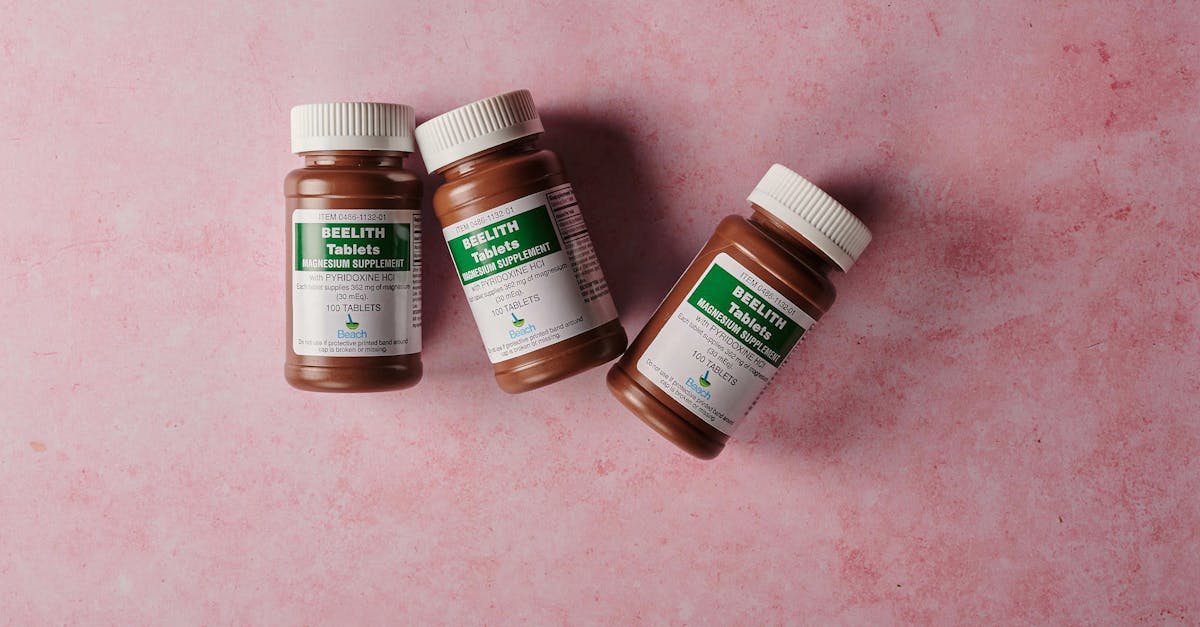
Why Timing Melatonin Correctly Changes Everything
Melatonin is the most widely used sleep supplement in the United States, with surveys estimating that roughly 8.3 million American adults take it regularly (Adjaye-Gbewonyo et al., JAMA, 2022; doi.org/10.1001/jama.2022.18207). Yet the overwhelming majority of users have never received guidance on when relative to food to take it — which turns out to matter more than most labels acknowledge.
Melatonin is a lipophilic hormone analog, meaning it dissolves in fat, but its oral pharmacokinetics are still highly sensitive to gastric motility and the speed at which the stomach empties its contents into the small intestine. When you take melatonin after a fatty or high-calorie meal, gastric emptying slows considerably, delaying the point at which melatonin reaches the duodenum and enters systemic circulation. A pharmacokinetic study published in the British Journal of Clinical Pharmacology found that peak plasma melatonin concentrations (Cmax) were significantly higher and time-to-peak (Tmax) was significantly shorter in fasted participants compared to fed participants (Fourtillan et al., Br J Clin Pharmacol, 2000; PMID: 10886123). In practical terms: taking melatonin on an empty stomach means it hits your bloodstream faster and at higher concentrations — both of which are desirable for sleep onset.
For personalized guidance on building a sleep-optimized supplement formula, understanding the pharmacokinetics of each ingredient you take is non-negotiable.
What the Research Says About Melatonin Absorption and Food
The relationship between food and melatonin absorption isn't merely theoretical. Melatonin is metabolized primarily via CYP1A2 in the liver and undergoes significant first-pass metabolism — meaning anything that accelerates its transit from gut to liver (i.e., a fasted state with fast gastric emptying) will generally increase bioavailability.
Studies using immediate-release melatonin (the most common form) consistently show a Tmax of 20–40 minutes in fasted adults at doses of 0.5–5 mg. In fed conditions, this Tmax stretches to 60–90 minutes or longer, which can push the peak sedative window past the intended sleep time. If you're taking melatonin at 10:00 PM hoping to be asleep by 10:30 PM, a food-delayed absorption profile defeats the purpose.
Practical dosing guidance based on current evidence:
| Condition | Recommended Dose | Timing Before Bed | Fasted? |
|---|---|---|---|
| Sleep onset difficulty | 0.5–1 mg | 30–60 min | Yes — ideally 2+ hrs after eating |
| Jet lag / circadian shift | 0.5–3 mg | 30 min before target sleep time | Yes |
| Shift work disorder | 1–5 mg | 30 min before sleep period | Yes |
| Maintenance dosing (older adults) | 0.5–2 mg | 60 min before bed | Yes |
Note that higher doses (5–10 mg) are common in commercial products but are not well-supported by evidence for healthy adults. A landmark review by the MIT researchers who originally developed therapeutic melatonin use showed that doses as low as 0.3 mg were as effective as 3 mg for sleep onset, with fewer next-day carryover effects (Zhdanova et al., J Biol Rhythms, 1995; PMID: 8746392). Starting low and taking it on an empty stomach is the most pharmacologically rational approach.
Ashwagandha on Empty Stomach: A Compatible Pairing With Melatonin
If you're building a pre-sleep supplement stack, ashwagandha is one of the most evidence-backed additions — and its food-timing rules are somewhat different from melatonin's.
Ashwagandha (Withania somnifera), particularly the KSM-66 extract standardized to ≥5% withanolides, is an adaptogen that primarily works by blunting the HPA axis response and reducing cortisol levels. High evening cortisol is one of the most common physiological barriers to sleep onset and deep sleep architecture. A double-blind, placebo-controlled trial in 64 adults found that 300 mg of ashwagandha root extract twice daily for 8 weeks produced significant improvements in sleep quality, sleep onset latency, and total sleep time as measured by polysomnography (Langade et al., Cureus, 2019; doi.org/10.7759/cureus.5797).
For more on the clinical evidence for ashwagandha's cortisol-lowering effects, the KSM-66 form is consistently the one used in human trials.
Regarding the empty stomach question specifically: ashwagandha's withanolides are fat-soluble, and unlike melatonin, they actually benefit from a small amount of dietary fat for absorption. Taking ashwagandha with a light meal or a teaspoon of healthy fat (e.g., almond butter, full-fat yogurt) can improve absorption without meaningfully delaying its effects. If you're pairing it with melatonin at bedtime, consider taking your ashwagandha with a very light fat-containing snack 60–90 minutes before bed, then taking melatonin on a fully empty stomach 30 minutes before your target sleep time.
Ones formulas include KSM-66 ashwagandha at the full 600 mg clinical dose — split as 300 mg twice daily or 600 mg in a single evening dose depending on your personalized protocol generated from your health data.
NAC on Empty Stomach: Understanding the Rules for This Antioxidant
N-acetylcysteine (NAC) is a precursor to glutathione, the body's master antioxidant, and it's increasingly included in longevity and recovery stacks. It's worth addressing separately because it has unique gastrointestinal considerations.
NAC on an empty stomach is generally not recommended for most users — not because of absorption issues but because it commonly causes nausea, stomach upset, and in sensitive individuals, vomiting when taken without food. This is due to NAC's sulfur-containing structure, which can irritate the gastric lining directly. A systematic review of NAC tolerability consistently identifies GI distress as the primary adverse effect at doses of 600–1800 mg/day, which is the therapeutic range (NIH LiverTox Database; accessible at livertox.nih.gov).
If you're taking NAC as part of a liver detox or antioxidant protocol, take it with a light meal. If your primary goal is glutathione support, the standard clinical dose is 600 mg twice daily. Ones includes NAC within its Liver Support System Blend, formulated to complement other hepatoprotective compounds rather than as a standalone ingredient — an approach that reflects the growing understanding that glutathione precursor support works best in a coordinated antioxidant network.
This matters for sleep indirectly: oxidative stress and impaired detoxification pathways both upregulate inflammatory cytokines that disrupt sleep architecture. Addressing liver function as part of a comprehensive supplement strategy for sleep and recovery is increasingly recognized in functional medicine practice.
Iron on Empty Stomach: High Absorption, High Sensitivity
Iron deserves mention because it's one of the clearest cases where the pharmacokinetic argument for empty-stomach dosing runs directly into real-world tolerability limits.
Iron absorption is dramatically higher in a fasted state. Ferrous sulfate and ferrous bisglycinate both show 2–3× higher absorption when taken 30–60 minutes before a meal versus with food, primarily because calcium, polyphenols, phytates, and certain proteins in food all compete with or inhibit iron absorption in the duodenum (Hallberg et al., Scand J Gastroenterol, 1998; PMID: 9549974). This is why clinical guidelines from hematology societies typically recommend taking iron on an empty stomach.
However, GI side effects — nausea, constipation, abdominal cramping — are substantially more common when iron is taken without food. For individuals with iron deficiency anemia who need to optimize absorption at all costs, the clinical trade-off favors the empty stomach approach. For those supplementing prophylactically, taking iron with a small amount of vitamin C and a light meal often represents a better adherence trade-off.
Alternate-day dosing of iron has emerged as a clinically supported strategy that preserves absorption efficiency while dramatically reducing GI side effects, as hepcidin (the iron-regulatory hormone) suppresses duodenal iron absorption on consecutive days anyway (Moretti et al., Haematologica, 2015; doi.org/10.3324/haematol.2014.118505).
Vitamin C on Empty Stomach: Fast, Effective, and Usually Well-Tolerated
Vitamin C (ascorbic acid) is one of the few water-soluble vitamins where timing and gastric conditions matter for practical outcomes. Vitamin C is absorbed via sodium-dependent transporters in the small intestine, and saturation of these transporters occurs at relatively modest single doses (~200 mg achieves near-complete intestinal absorption, while doses above 1000 mg show sharply reduced incremental absorption) (Levine et al., PNAS, 1996; PMID: 8650183).
Taking vitamin C on an empty stomach accelerates its entry into the small intestine and maximizes transporter access before a food bolus competes for intestinal surface area. For most people, ascorbic acid on an empty stomach is well-tolerated at doses up to 500–1000 mg. Above that threshold, GI irritation (loose stools, cramping) becomes more likely, particularly with acidic forms. Buffered vitamin C (calcium ascorbate or sodium ascorbate) or liposomal vitamin C substantially reduces GI sensitivity, making empty-stomach dosing more practical at higher doses.
From a sleep perspective, vitamin C is relevant because it plays a direct role in dopamine and norepinephrine synthesis, cortisol regulation, and is required as a cofactor in carnitine biosynthesis — all pathways with downstream effects on sleep quality and adrenal function. Ones includes Immune-C and C Boost System Blends that combine ascorbic acid with bioflavonoids, providing a more complete vitamin C complex than isolated ascorbic acid alone.
For a deeper look at optimal vitamin C dosing strategies for immune and adrenal health, the form and timing of your vitamin C supplementation matters more than most people realize.
How Ones Addresses This: Building a Timing-Intelligent Sleep Formula
One of the most underappreciated dimensions of supplement design is dosing timing — and it's an area where off-the-shelf multivitamins fail almost universally. A single capsule taken once a day cannot account for the divergent timing needs of, say, iron (empty stomach, morning), melatonin (empty stomach, evening), NAC (with food), and ashwagandha (with small fat-containing meal, evening).
Ones takes a fundamentally different approach. The AI health practitioner analyzes your blood work (including ferritin, 25-OH vitamin D, RBC magnesium, cortisol markers where available), wearable sleep data (sleep onset latency, HRV, deep sleep percentage), and health history to determine not just what to include in your formula, but how to sequence and time your capsules across the day.
Three specific ingredients relevant to sleep timing in Ones formulas:
- KSM-66 Ashwagandha at 600 mg — Dosed in the evening protocol based on cortisol patterns identified from your data, matching the dose and extract used in the Langade et al. (2019) polysomnography trial.
- Magnesium Glycinate — One of the most bioavailable magnesium forms for neurological and sleep applications. Magnesium glycinate supports GABA receptor activity and has been shown to improve sleep efficiency in older adults with insomnia (Abbasi et al., J Res Med Sci, 2012; PMID: 23853635). Unlike magnesium oxide, glycinate is gentle on the GI tract and can be taken in the evening with or without food. Ones includes Magnesium Complex as a System Blend. For more on optimal magnesium glycinate dosing for sleep, the form difference is clinically meaningful.
- Adrenal Support System Blend — A proprietary combination that addresses the HPA axis dysregulation that is, in practice, one of the most common root causes of poor sleep onset. Elevated evening cortisol — detectable through wearable HRV trends and confirmed with lab cortisol panels — is addressed through adaptogenic and nutritional support rather than a one-size-fits-all approach.
Formulas are available in 6, 9, or 12-capsule plans, allowing Ones to allocate capsule budget across your most impactful needs without forcing you to take 20 pills a day.
Key Takeaways
- Take melatonin on an empty stomach, ideally 2+ hours after your last meal. Research confirms significantly faster Tmax and higher Cmax in fasted versus fed conditions, meaning faster sleep onset and stronger effect at lower doses.
- Start with low melatonin doses (0.5–1 mg). Doses above 3 mg are not better supported by evidence for healthy adults and increase next-morning grogginess risk.
- Ashwagandha (KSM-66) belongs in an evening sleep stack at 300–600 mg, taken with a small amount of fat to aid absorption of its fat-soluble withanolides. It works on the cortisol axis that melatonin does not.
- NAC should be taken with food to avoid GI irritation. Its role in glutathione synthesis still supports sleep indirectly through reduced oxidative stress and better liver detoxification.
- Iron absorption peaks on an empty stomach, but tolerability often favors taking it with a light meal; alternate-day dosing is a clinically validated middle ground.
- Personalized timing matters more than most labels reflect — Ones builds formula plans that account for when each ingredient should be taken, not just which ingredients to include, based on your actual lab results and wearable data.