Thyroid
What Is a Normal Free T4 Level in Postpartum?
Postpartum thyroid dysfunction affects roughly 5–10% of women, yet it often goes undetected for months. Free T4 is one of the earliest markers to shift — and knowing what 'normal' actually looks like after delivery can be the difference between chalking up your symptoms to new-mom exhaustion and getting real answers.
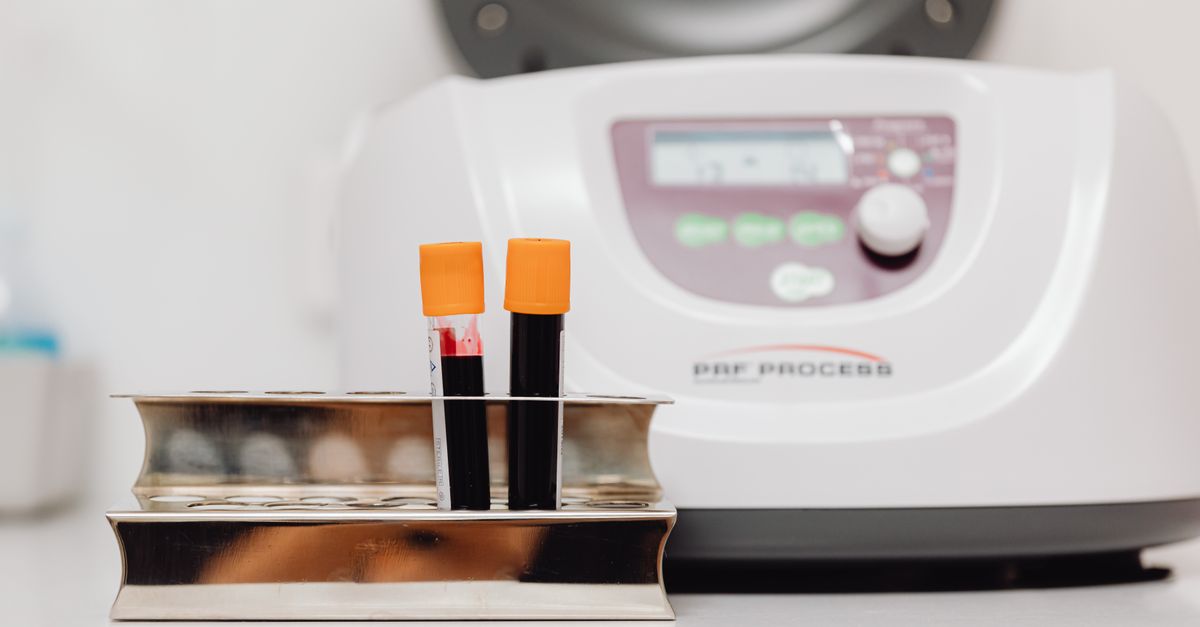
What Is a Normal Free T4 Level in Postpartum?
For most postpartum women, a normal free T4 (FT4) level falls between 0.8 and 1.8 ng/dL (roughly 10–23 pmol/L), mirroring standard adult reference ranges — but postpartum thyroiditis can push FT4 well outside those limits within weeks of delivery. The main caveat is that lab ranges vary by assay and trimester-adjusted norms don't always reset immediately after birth; women with autoimmune thyroid disease are at significantly higher risk for abnormal swings.
---
Understanding Free T4 and Why It Matters After Delivery
Thyroxine (T4) is the thyroid gland's primary secretory hormone. The "free" fraction — the small percentage not bound to thyroxine-binding globulin (TBG) or other carrier proteins — is the biologically active form that actually enters cells and gets converted to the more potent triiodothyronine (T3). Total T4 is heavily influenced by TBG levels, which surge during pregnancy and take weeks to months to normalize postpartum. Because of this lag, free T4 is a more reliable postpartum marker than total T4.
During pregnancy, the thyroid enlarges and increases hormone output by 40–50% to meet maternal and fetal demands (Glinoer, European Journal of Endocrinology 1997; PMID: 9202469). After delivery, this elevated demand drops abruptly. For women with underlying autoimmune susceptibility — particularly those who are thyroid peroxidase antibody (TPO-Ab) positive — the postpartum immune rebound can trigger lymphocytic thyroiditis, causing a biphasic pattern: a transient hyperthyroid phase followed by hypothyroidism.
| Phase | Typical Onset | FT4 Pattern | Common Symptoms |
|---|---|---|---|
| Hyperthyroid phase | 1–4 months postpartum | FT4 elevated (>1.8 ng/dL) | Palpitations, anxiety, weight loss, heat intolerance |
| Hypothyroid phase | 4–8 months postpartum | FT4 low (<0.8 ng/dL) | Fatigue, cold intolerance, brain fog, constipation |
| Recovery | 6–12+ months postpartum | FT4 returning to normal | Gradual symptom resolution |
Not all women experience both phases; some skip the hyperthyroid phase entirely and present directly with hypothyroidism.
---
The Normal Free T4 Reference Range Postpartum
Most clinical laboratories report FT4 in one of two units:
- ng/dL: Normal adult range is approximately 0.8–1.8 ng/dL
- pmol/L: Normal adult range is approximately 10–23 pmol/L (multiply ng/dL by 12.87)
However, the word "normal" hides meaningful variation. The American Thyroid Association (ATA) notes that postpartum reference intervals are not consistently reported in package inserts for most immunoassay platforms (ATA Guidelines for the Diagnosis and Management of Thyroid Disease During Pregnancy and the Postpartum, 2017). When assessing your own result, ask your provider:
- Which assay platform was used (e.g., Roche Elecsys, Abbott ARCHITECT, Beckman Coulter Access)?
- What is the laboratory's own postpartum-specific reference range?
- What was your pre-pregnancy or early-pregnancy baseline, if available?
A result of 0.85 ng/dL might technically fall within the lower reference limit but still represent a meaningful drop from your personal baseline of 1.4 ng/dL.
Subclinical vs. Overt Dysfunction
| Category | TSH | FT4 | Clinical Significance |
|---|---|---|---|
| Overt hyperthyroidism | <0.1 mIU/L | Elevated | Requires treatment evaluation |
| Subclinical hyperthyroidism | 0.1–0.4 mIU/L | Normal | Monitor closely; common in early postpartum |
| Euthyroid (normal) | 0.4–4.0 mIU/L | 0.8–1.8 ng/dL | Goal state |
| Subclinical hypothyroidism | >4.0–10 mIU/L | Normal | Often symptomatic; may require treatment |
| Overt hypothyroidism | >10 mIU/L | Low | Treatment generally indicated |
TSH and FT4 should always be interpreted together. TSH is the pituitary's response to FT4; it lags FT4 changes by several weeks, which is why early postpartum thyroid dysfunction can sometimes show an abnormal FT4 before TSH has fully shifted.
---
15 Months Postpartum and Still Symptomatic: The Psychological Weight of Thyroid Dysfunction
One of the most under-discussed aspects of postpartum thyroid disease is how long it takes — and how much it costs emotionally. Women frequently report being dismissed or misdiagnosed for months, sometimes well past the 12-month mark. Research confirms the timeline is not always tidy: a prospective study of 605 postpartum women found that 23% who developed postpartum thyroiditis still had biochemical abnormalities at 12 months, and a subset had not fully recovered by 24 months (Premawardhana et al., Clinical Endocrinology 2000; PMID: 10971450).
The psychological toll is real and measurable. A study published in Thyroid found that even subclinical hypothyroidism — where FT4 is still within the low-normal range but TSH is mildly elevated — is associated with significantly higher rates of depression and anxiety compared to matched euthyroid controls (Bathla et al., Indian Journal of Endocrinology and Metabolism 2016; PMID: 27042413). Postpartum depression is already common; overlapping thyroid dysfunction can make it nearly impossible to parse which symptoms belong to which condition.
If you're 15 months out from delivery and still feeling "almost back to normal" rather than fully recovered, you are not imagining it. Push for a full thyroid panel that includes TSH, free T4, free T3, and TPO antibodies. A normal TSH does not rule out persistent autoimmune activity or suboptimal conversion of T4 to the active T3. You can learn more about related postpartum lab markers — including how hormones like free T3 track alongside T4 in the postpartum period — to build a more complete picture.
---
Struggling With Constipation and Fatigue: Could Your FT4 Be Low?
Constipation, fatigue, hair shedding, cold hands, slow heart rate, and brain fog are the hallmark symptoms of hypothyroidism — and they're also the symptoms most commonly attributed to "just being a new mom." This overlap creates dangerous diagnostic delays.
Thyroid hormone regulates gut motility directly. T3 receptors are expressed throughout the gastrointestinal tract, and low circulating hormone slows peristalsis, delays gastric emptying, and reduces smooth muscle contractility (Daher et al., Journal of Neurogastroenterology and Motility 2009; PMID: 20535333). If you have persistent constipation that doesn't respond to the usual fixes — increased fiber, hydration, movement — low thyroid function is worth investigating, not just dismissing.
Other postpartum markers worth checking alongside FT4 if you're dealing with these symptoms:
- Ferritin and hemoglobin — low iron mimics and amplifies hypothyroid fatigue. See what normal hemoglobin looks like postpartum.
- Magnesium — deficiency contributes to constipation and fatigue independently. Check what a normal magnesium level postpartum should be.
- CRP — thyroid autoimmunity is an inflammatory process; elevated CRP can be a clue. Review normal CRP levels in the postpartum period.
A multisystem approach to your postpartum labs often uncovers the real driver of symptoms — which is rarely just one thing.
---
Stopping Thyroid Medication: What Happens to Your FT4 Levels?
Some women diagnosed with postpartum hypothyroidism are started on levothyroxine (synthetic T4), then attempt to taper or discontinue after symptoms improve. The experience is often disorienting: even a two-week taper or abrupt stop can result in rapidly falling FT4 levels and a return of symptoms within days to weeks.
Levothyroxine has a half-life of approximately 7 days, meaning it takes 4–6 weeks for serum levels to fully re-equilibrate after any dose change. FT4 will begin dropping noticeably within 10–14 days of stopping, though TSH may not reflect the change for 4–6 weeks due to pituitary lag. This is why patients often feel worse before their labs "look" abnormal again.
If your postpartum thyroiditis was transient, your FT4 may recover on its own as the immune system settles. The ATA recommends attempting to withdraw levothyroxine after 6–12 months in women who started it for postpartum hypothyroidism, with repeat testing 4–6 weeks later to confirm whether the thyroid has resumed adequate independent function. Women who are TPO-Ab positive have higher rates of permanent hypothyroidism and are more likely to require ongoing therapy.
During any medication transition period, supporting the systems that interact with thyroid function — adrenal resilience, nutrient repletion, inflammation management — becomes especially important.
---
Optimal Free T3 Range: Why T4 Alone Doesn't Tell the Full Story
Free T4 is a storage hormone; it must be converted to free T3 (FT3) in peripheral tissues (primarily the liver, kidneys, and skeletal muscle) to exert most of its biological effects. This conversion step requires the enzyme deiodinase, which in turn depends on adequate selenium and zinc status.
Optimal FT3 is generally cited in the range of 2.3–4.2 pg/mL (3.5–6.5 pmol/L), though some functional medicine practitioners argue the upper half of the range (3.0–4.2 pg/mL) is where most people feel best. A woman can have a perfectly normal FT4 and still be functionally hypothyroid at the tissue level if conversion is impaired — a pattern called "low T3 syndrome" or "euthyroid sick syndrome" in its more pronounced form.
Postpartum women face particular conversion challenges:
- Selenium depletion is common after delivery and through breastfeeding (Mao et al., Biological Trace Element Research 2016; PMID: 26708849)
- Zinc is transferred in breast milk, drawing down maternal stores
- Chronic sleep deprivation elevates reverse T3 (rT3), a biologically inactive T4 metabolite that competes with active T3
- Caloric restriction during attempts to lose baby weight suppresses deiodinase activity
If you're checking your thyroid postpartum, ask your provider to include FT3 alongside FT4 and TSH. The ratio of FT3 to rT3 is sometimes used in functional medicine settings to identify conversion impairment, though this ratio is not part of standard endocrinology guidelines.
---
What This Means for Your Formula
Thyroid function is inseparable from micronutrient status. If your postpartum FT4 is trending low — or your FT3-to-FT4 conversion seems impaired — targeted nutritional support can meaningfully complement whatever your provider has recommended clinically.
Ones evaluates blood work, wearable data, and health history to build a personalized capsule formula calibrated to your actual findings. For postpartum thyroid health specifically, three ingredients commonly featured in relevant formulas are:
- Selenium (as selenomethionine, 200 mcg): Selenium is the rate-limiting cofactor for deiodinase enzymes that convert T4 to active T3. A meta-analysis of randomized controlled trials found selenium supplementation at 200 mcg/day significantly reduced TPO antibody titers in Hashimoto's thyroiditis patients (Toulis et al., Thyroid 2010; PMID: 20883174). This is also the dose used in the landmark Gärtner 2002 trial that first demonstrated selenium's impact on autoimmune thyroid disease.
- Zinc (as zinc bisglycinate): Zinc is required for both T4 synthesis and peripheral T4-to-T3 conversion. Postpartum zinc depletion is well-documented, and suboptimal zinc status is associated with lower T3 levels independent of T4. Ones includes zinc in doses calibrated to actual lab findings — avoiding the over-supplementation that can paradoxically impair copper status.
- Thyroid Support System Blend: Ones' proprietary Thyroid Support blend combines micronutrients and botanicals selected for their synergistic effects on thyroid axis function, including iodine cofactors and adaptogenic support for the HPA axis — which interacts bidirectionally with thyroid output.
If selenium or zinc deficiency is contributing to your FT4-to-FT3 conversion problem, a formula that addresses your specific gaps is more useful than a generic multivitamin.
---
Key Takeaways
- Normal postpartum FT4 is roughly 0.8–1.8 ng/dL, but lab assay differences and your personal baseline matter as much as the population reference range.
- Postpartum thyroiditis follows a biphasic pattern in many women — a hyperthyroid phase (elevated FT4) followed by a hypothyroid phase (low FT4) — and full recovery can take 12–24 months.
- FT4 alone is not sufficient to assess thyroid health postpartum; TSH, FT3, and TPO antibodies together give a far more complete picture.
- Common postpartum symptoms like constipation, fatigue, hair loss, and mood changes can be direct consequences of low FT4 or impaired T4-to-T3 conversion, not just "new mom exhaustion."
- Selenium and zinc are the two most critical micronutrients for thyroid hormone synthesis and conversion — both are commonly depleted postpartum, especially during breastfeeding.
- Stopping thyroid medication requires careful monitoring because FT4 begins falling within 10–14 days of discontinuation even though TSH may lag 4–6 weeks; always retest before assuming recovery is complete.
---
This article is for informational purposes only and does not constitute medical advice. Consult a qualified healthcare provider before making any changes to your thyroid management plan.