Cardiovascular
What Is an Optimal HDL Cholesterol Level?: How to Read the Number and What to Do About It
Most people know that high HDL is good — but far fewer can name the number that actually signals cardiovascular protection versus the number that merely avoids a red flag on a standard lab report. If your doctor said your HDL is 'fine' but you still feel off, the gap between 'normal' and 'optimal' may be exactly why. Here's how to read that single number, the ratios it belongs to, and the evidence-backed steps that move it in the right direction.
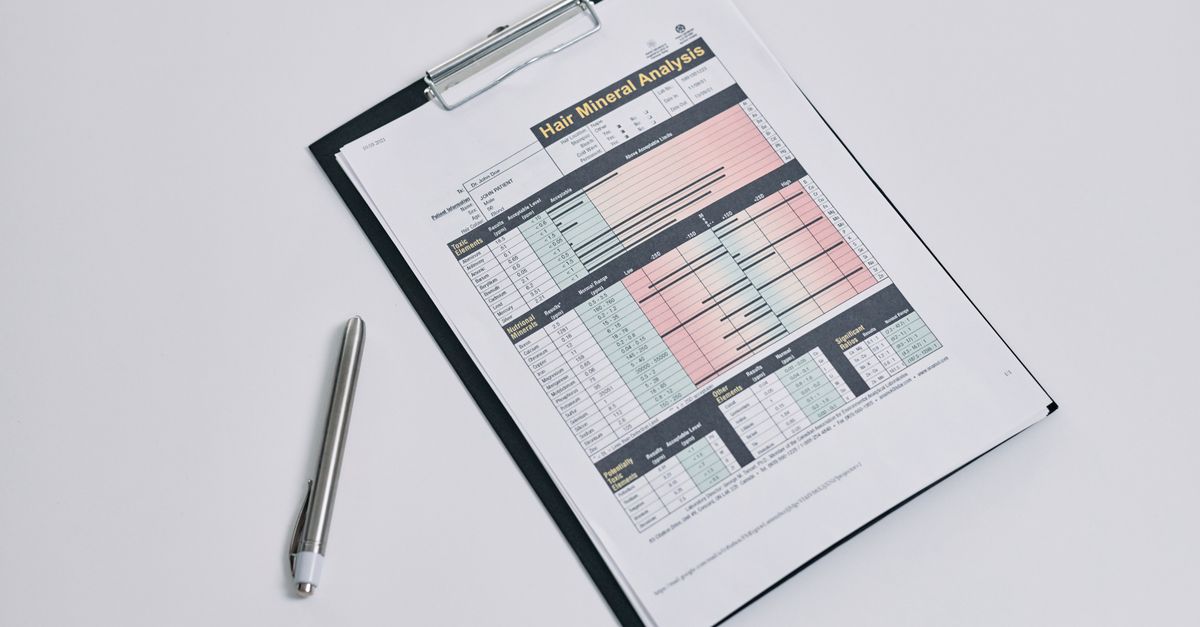
What Is an Optimal HDL Cholesterol Level?
High-density lipoprotein (HDL) cholesterol is routinely described as the "good" cholesterol, but that shorthand glosses over a clinically important distinction: there is a meaningful gap between a level that avoids a lab flag and a level that actively protects your arteries. Understanding exactly where your number sits on that spectrum — and what levers you can pull to raise it — is one of the more actionable things you can do with a standard lipid panel.
HDL works primarily as a reverse cholesterol transporter, shuttling excess cholesterol away from arterial walls and back to the liver for processing (Khera & Rader, Journal of the American College of Cardiology 2010; PMID: 20117392). Beyond simple transport, HDL particles carry anti-inflammatory proteins and antioxidant enzymes, which is why particle quality and number matter alongside the raw concentration your lab report displays.
What a Standard Lab Report Actually Measures
A routine lipid panel reports HDL-C: the estimated amount of cholesterol carried inside HDL particles, expressed in milligrams per deciliter (mg/dL) or millimoles per liter (mmol/L). It does not tell you HDL particle number or particle size, both of which have independent predictive value — but HDL-C remains the universal clinical entry point, so it is the number this article focuses on.
What Is a Normal HDL Cholesterol Level?
Clinical guidelines from the American Heart Association (AHA) define reference ranges that are widely used across U.S. labs:
| Category | Men | Women |
|---|---|---|
| Low (high risk) | < 40 mg/dL | < 50 mg/dL |
| Borderline | 40–59 mg/dL | 50–59 mg/dL |
| Normal / Acceptable | ≥ 60 mg/dL | ≥ 60 mg/dL |
These cutoffs are risk thresholds, not optimization targets. A reading of 61 mg/dL clears the "normal" bar, but it is nowhere near the range where large epidemiological studies observe the lowest cardiovascular event rates.
It is also worth noting that extremely high HDL-C — above approximately 90–100 mg/dL in men or 100–110 mg/dL in women — has been associated with paradoxically increased mortality in some cohort analyses, an area of active research suggesting that HDL function, not just quantity, is the ultimate driver (Madsen et al., European Heart Journal 2017; PMID: 28329051).
What Is an Optimal HDL Level?
Optimal is a step beyond normal. Most functional medicine practitioners and preventive cardiologists use the following evidence-informed targets:
| Population | Optimal HDL-C |
|---|---|
| Men | 60–80 mg/dL |
| Women | 70–90 mg/dL |
| Individuals with existing CVD risk | ≥ 70 mg/dL regardless of sex |
These ranges reflect the zone in which multiple prospective cohort studies have observed the greatest attenuation of cardiovascular risk — not simply the absence of risk. The Framingham Heart Study offspring data, for example, showed that each 1 mg/dL increase in HDL-C was associated with a 2–3% reduction in coronary heart disease risk in men and a 3–4% reduction in women (Kannel, American Heart Journal 1983; PMID: 6824599).
For practical purposes: if your HDL sits between 60 and 69 mg/dL, you are in the normal-to-good zone but have room to optimize. Below 60 mg/dL, intervention becomes a priority. Above 80 mg/dL (with normal LDL and triglycerides), you are in a genuinely protective range.
What Is an Optimal Total Cholesterol Level?
HDL does not exist in isolation. Your total cholesterol reading — which includes LDL-C, HDL-C, and 20% of your VLDL (triglycerides ÷ 5) — sets the context for interpreting HDL's protective role.
General total cholesterol targets per AHA/ACC guidelines:
| Category | Total Cholesterol |
|---|---|
| Desirable | < 200 mg/dL |
| Borderline high | 200–239 mg/dL |
| High | ≥ 240 mg/dL |
However, a total cholesterol of 220 mg/dL with an HDL of 78 mg/dL and low triglycerides looks very different from 220 mg/dL with an HDL of 38 mg/dL and triglycerides of 250 mg/dL. This is why understanding total cholesterol in isolation — without knowing HDL — is clinically incomplete. The ratios described next bring the picture into sharper focus.
What Is an Optimal Cholesterol Ratio Level?
Cholesterol ratios translate raw numbers into relational signals that more accurately reflect cardiovascular risk than any single value alone. The two most clinically used ratios are:
Total Cholesterol-to-HDL Ratio (TC:HDL)
Calculated as: Total Cholesterol ÷ HDL-C
| TC:HDL Ratio | Risk Interpretation |
|---|---|
| < 3.5 | Optimal |
| 3.5–5.0 | Average / acceptable |
| > 5.0 | Above average risk |
| > 6.0 | High risk |
A landmark analysis of the Nurses' Health Study found TC:HDL ratio to be a stronger predictor of myocardial infarction than total cholesterol or LDL-C alone (Stampfer et al., New England Journal of Medicine 1991; PMID: 1861440). If you have a TC of 200 and an HDL of 40, your ratio is 5.0 — which looks very different from the same total cholesterol with an HDL of 70 (ratio: 2.86).
LDL-to-HDL Ratio
Calculated as: LDL-C ÷ HDL-C
| LDL:HDL Ratio | Risk Interpretation |
|---|---|
| < 2.0 | Optimal |
| 2.0–3.5 | Acceptable |
| > 3.5 | Elevated risk |
This ratio captures the balance between atherogenic particles and reverse-transport capacity. Lowering LDL and raising HDL both improve it, which is why lifestyle interventions that accomplish both simultaneously have outsized impact.
Triglyceride-to-HDL Ratio (TG:HDL)
Increasingly used as a proxy for insulin resistance and small, dense LDL particle burden:
| TG:HDL Ratio | Interpretation |
|---|---|
| < 2.0 | Low risk / insulin sensitive |
| 2.0–4.0 | Moderate risk |
| > 4.0 | High risk, possible insulin resistance |
A TG:HDL ratio above 3.0 correlates strongly with elevated small dense LDL particle number, even when standard LDL-C appears normal (Maruyama et al., Atherosclerosis 2003; PMID: 12714039). If you understand your LDL particle size and cardiovascular risk, the TG:HDL ratio provides a useful low-cost screening signal before ordering advanced lipid fractionation.
Evidence-Based Ways to Raise HDL
Unlike LDL, HDL is considerably harder to move with medication — most HDL-raising drugs have failed in outcome trials, which has reinforced the primacy of lifestyle and targeted supplementation.
1. Aerobic Exercise
Regular moderate-to-vigorous aerobic exercise is the single most reliable HDL elevator. A meta-analysis of 25 randomized controlled trials found that endurance exercise increased HDL-C by an average of 2.53 mg/dL, with studies involving more than 120 minutes per week of exercise showing significantly greater effects (Kodama et al., Archives of Internal Medicine 2007; PMID: 17353497). Aim for a minimum of 150 minutes of moderate aerobic activity per week, with 3–4 high-intensity sessions as a stretch goal.
2. Reduce Refined Carbohydrates and Trans Fats
High dietary intake of refined carbohydrates suppresses HDL through triglyceride overproduction. Trans fatty acids — now largely eliminated from commercial foods but still appearing in partially hydrogenated oils — both lower HDL and raise LDL. Replacing refined carbs with healthy fats (olive oil, avocado, nuts) has been shown to raise HDL without adversely affecting LDL (Mensink et al., American Journal of Clinical Nutrition 2003; PMID: 12716665).
3. Omega-3 Fatty Acids
While omega-3s are primarily known for lowering triglycerides, improved TG:HDL ratios reliably follow. High-dose EPA+DHA (≥ 2g/day combined) meaningfully reduces triglycerides, which indirectly improves HDL-C by altering VLDL-HDL exchange kinetics. This is particularly relevant for people whose low HDL is accompanied by elevated triglycerides — a pattern that often signals insulin resistance. For a deeper look at lipid-targeted dosing, see our article on omega-3 dosing for cardiovascular health.
4. Moderate Alcohol Reduction (or Elimination)
Light-to-moderate alcohol intake has historically been associated with modestly higher HDL-C, but the cardiovascular benefit is not established in interventional trials, and the risks — including cancer — clearly outweigh any lipid-raising effect. Heavy alcohol use paradoxically suppresses HDL through liver stress. If you drink, this is not a reason to start or continue.
5. Smoking Cessation
Cigarette smoking depresses HDL-C by 3–5 mg/dL on average. The mechanism involves oxidative damage to HDL particles and impaired reverse cholesterol transport. Cessation results in partial but meaningful recovery within weeks.
6. Weight Management
Every 1 kg of body weight lost through caloric reduction or exercise is associated with approximately a 0.35 mg/dL rise in HDL-C. The relationship is nonlinear — larger losses produce disproportionately greater HDL improvements, particularly when fat loss comes from visceral depots.
What This Means for Your Formula
Personalized supplementation should track your lipid picture — not a generic "heart health" template. At Ones, an AI health practitioner reviews your actual lipid panel values (HDL-C, LDL-C, triglycerides, and ratios) alongside wearable data and health history to identify which mechanisms are most relevant for your profile.
For individuals whose lab data shows suboptimal HDL alongside elevated triglycerides or a high TG:HDL ratio, Ones commonly incorporates:
- Omega-3 (EPA/DHA): Included at clinically active doses targeting ≥ 2g combined EPA+DHA per day — the threshold at which randomized trials demonstrate meaningful triglyceride reduction and downstream HDL ratio improvement.
- Heart Support System Blend: Ones' proprietary Heart Support blend combines ingredients validated for endothelial and lipid metabolism support, providing a multi-mechanism approach suited to users with cardiovascular findings across several biomarkers simultaneously.
- CoQ10/Ubiquinol (200mg): Particularly relevant for users also managing statin-related myopathy or oxidative stress markers alongside lipid findings. Ubiquinol at 200mg matches doses used in clinical trials showing meaningful plasma repletion in statin users.
The formula structure — whether a 6 or 9-capsule daily plan — is determined by the AI based on your findings and capsule budget, ensuring each ingredient earns its place in the capsule count rather than filling space.
If you're curious how lab-based personalization differs from picking individual supplements yourself, our overview of personalized supplement formulas based on blood work covers the methodology in detail.
Key Takeaways
- Normal HDL (≥ 60 mg/dL) and optimal HDL (60–80 mg/dL for men, 70–90 mg/dL for women) are meaningfully different targets — clearing the lab flag does not mean you've reached the range associated with active cardiovascular protection.
- Cholesterol ratios — especially TC:HDL and TG:HDL — are stronger predictors of cardiovascular risk than total cholesterol or LDL-C alone. Aim for a TC:HDL below 3.5 and a TG:HDL below 2.0.
- Total cholesterol context matters: A total cholesterol of 220 mg/dL means something very different depending on whether your HDL is 40 or 80 mg/dL.
- Lifestyle is the primary HDL lever: Aerobic exercise (≥ 150 min/week), replacing refined carbs with healthy fats, and smoking cessation each produce measurable, reproducible HDL improvements.
- Omega-3 supplementation at ≥ 2g EPA+DHA/day improves TG:HDL ratio even when direct HDL-C changes are modest — an important distinction when your main concern is cardiovascular risk, not just the raw HDL number.
- Consult a healthcare provider before making clinical decisions based on lipid values. Optimal ranges provide useful targets, but individual context — family history, inflammatory markers, blood pressure, and metabolic status — shapes what intervention is right for you.