Lab Results
What Is an Optimal Triglycerides Level?: Why "In Range" Isn't Always "Optimal"
Your triglycerides came back "normal" — but normal isn't the same as optimal. Research shows that triglyceride levels above 100 mg/dL, even within the conventional reference range, are independently associated with increased cardiovascular risk. Understanding where your numbers truly should land — and how they interact with HbA1c, CRP, and other markers — can be the difference between prevention and a missed warning sign.
What Is an Optimal Triglycerides Level? Why "In Range" Isn't Always "Optimal"
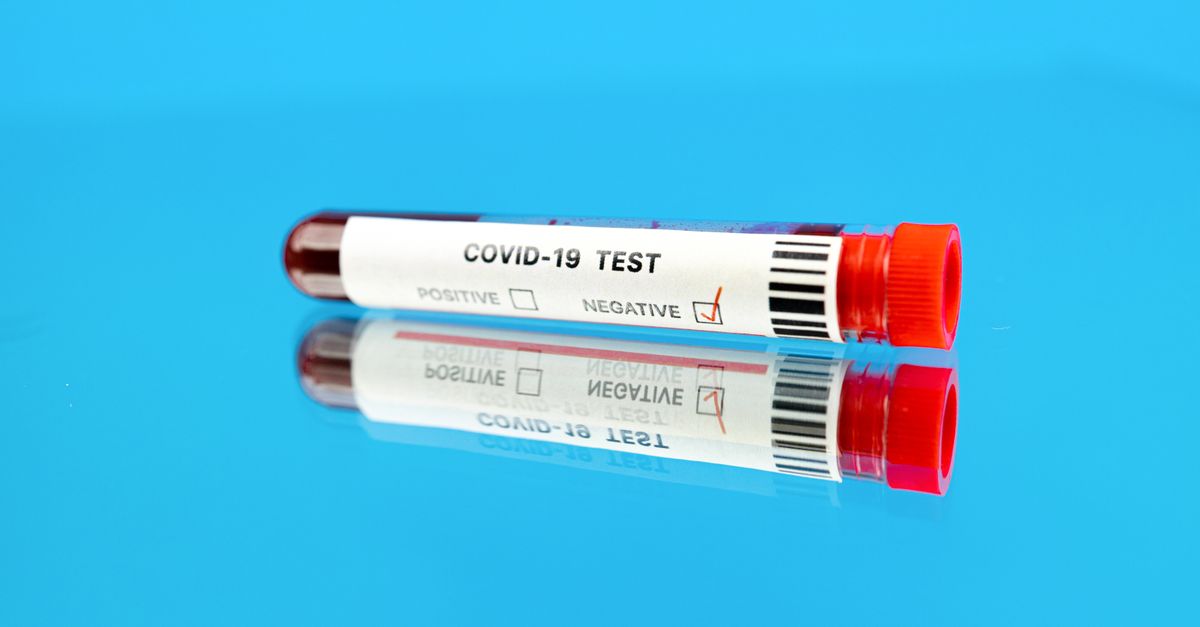
When your doctor's office sends over lab results and every value shows a tidy "normal" flag, it's easy to exhale and move on. But for triglycerides — one of the most misunderstood markers on a standard lipid panel — "in range" can be deeply misleading. The conventional upper limit for triglycerides sits at 150 mg/dL in most U.S. clinical guidelines, yet mounting evidence suggests that optimal cardiovascular protection begins well below that threshold.
So what is an optimal triglycerides level, really? And why do other biomarkers like HbA1c, CRP, and fibrinogen matter so much to the answer? This article breaks down the science, the ranges, and what your full metabolic picture actually reveals.
---
Understanding Triglycerides: What They Are and Why They Matter
Triglycerides are the most common form of fat in the bloodstream. After you eat, your body converts unused calories — particularly from carbohydrates and alcohol — into triglycerides, which are stored in fat cells and released as energy between meals. When triglyceride levels remain persistently elevated, they contribute to the formation of small, dense LDL particles, promote inflammation in arterial walls, and increase the risk of pancreatitis at extreme elevations.
The American Heart Association classifies triglyceride levels as follows:
| Category | Triglyceride Level (mg/dL) |
|---|---|
| Optimal | < 100 |
| Normal (acceptable) | 100–149 |
| Borderline High | 150–199 |
| High | 200–499 |
| Very High | ≥ 500 |
The clinical reference range flags "high" only at 150 mg/dL or above, but research tells a more nuanced story. A large prospective analysis published in Circulation found that individuals with fasting triglycerides between 100–149 mg/dL had meaningfully higher rates of coronary artery disease than those below 100 mg/dL, even after adjusting for LDL-C and HDL-C (Nordestgaard et al., European Heart Journal 2007; PMID: 17569704). This is why functional medicine practitioners — and increasingly, preventive cardiologists — treat anything above 100 mg/dL as a signal worth addressing, not ignoring.
Why Fasting vs. Non-Fasting Matters
Triglycerides are sensitive to meal timing. A non-fasting sample drawn two hours after lunch will often read 40–80 mg/dL higher than a fasting draw. Standard panels typically require an 8–12 hour fast, but if your lab didn't specify this or you had a coffee with cream beforehand, your result may not reflect your true baseline. Always confirm your fasting status when interpreting triglyceride results.
---
What Is an Optimal HbA1c Level — and Why It's Connected to Triglycerides
Hemoglobin A1c (HbA1c, often called A1C) measures your average blood glucose over the prior 2–3 months by assessing how much glucose has attached to red blood cells. The conventional "normal" cutoff is below 5.7%, with prediabetes defined as 5.7–6.4% and diabetes at 6.5% and above. But for metabolic optimization, most functional and longevity-focused clinicians target an HbA1c between 4.8% and 5.2%.
The triglyceride-HbA1c connection is well established: insulin resistance — even sub-clinical insulin resistance that doesn't yet show up as elevated fasting glucose — drives hepatic overproduction of triglyceride-rich VLDL particles. A cross-sectional study of over 15,000 adults found that HbA1c values in the 5.5–5.6% range were independently associated with elevated triglycerides and reduced HDL-C, a pattern consistent with early metabolic syndrome (Selvin et al., Annals of Internal Medicine 2010; PMID: 20083827).
What does this mean practically? If your triglycerides are creeping toward 130 mg/dL and your HbA1c is 5.6%, these two findings together point to a carbohydrate metabolism issue — not just a "slightly elevated fat in the blood" problem. They're telling the same story in two different metabolic languages.
| Biomarker | Standard "Normal" | Functional Optimal |
|---|---|---|
| Triglycerides | < 150 mg/dL | < 100 mg/dL |
| HbA1c / A1C | < 5.7% | 4.8–5.2% |
| Fasting glucose | 70–99 mg/dL | 72–85 mg/dL |
| HDL-C (men) | > 40 mg/dL | > 60 mg/dL |
---
What Is an Optimal CRP Level — and What It Tells You About Vascular Inflammation
C-reactive protein (CRP) — specifically high-sensitivity CRP (hs-CRP) — is the most widely used marker of systemic inflammation in clinical practice. It's produced by the liver in response to inflammatory cytokines, and chronically elevated levels predict cardiovascular events independently of LDL cholesterol.
The American Heart Association stratifies hs-CRP risk as:
- Low risk: < 1.0 mg/L
- Average risk: 1.0–3.0 mg/L
- High risk: > 3.0 mg/L
For true cardiovascular protection, most preventive cardiologists target hs-CRP below 0.5 mg/L. The landmark JUPITER trial demonstrated that individuals with normal LDL-C but elevated hs-CRP (≥ 2.0 mg/L) had significantly reduced rates of major cardiovascular events when treated — underscoring that inflammation, not just cholesterol, is a primary driver of atherosclerosis (Ridker et al., New England Journal of Medicine 2008; PMID: 18997196).
Triglycerides and CRP are tightly linked. Elevated triglycerides promote the release of pro-inflammatory cytokines, particularly interleukin-6, which stimulates hepatic CRP production. When both markers are elevated — even modestly — the combined signal is considerably more concerning than either alone. If your triglycerides are 140 mg/dL and your hs-CRP is 2.2 mg/L, your cardiovascular risk profile looks very different from someone whose hs-CRP is 0.4 mg/L at the same triglyceride level.
Understanding how inflammation markers predict heart disease is one of the most underutilized tools in preventive health — particularly when paired with a full lipid panel.
---
What Is an Optimal Fibrinogen Level — and Its Role in Clotting Risk
Fibrinogen is a clotting protein produced by the liver. When inflammation or injury occurs, fibrinogen converts to fibrin, forming blood clots. While essential for wound healing, chronically elevated fibrinogen is an independent risk factor for cardiovascular events, stroke, and deep vein thrombosis.
| Fibrinogen Level | Interpretation |
|---|---|
| < 200 mg/dL | Potentially too low (bleeding risk) |
| 200–300 mg/dL | Optimal range |
| 300–400 mg/dL | Borderline elevated |
| > 400 mg/dL | Elevated — increased thrombotic risk |
A meta-analysis of 31 prospective studies involving over 150,000 participants found that each 100 mg/dL increase in fibrinogen was associated with a 1.99-fold increase in coronary heart disease risk after adjustment for conventional risk factors (Danesh et al., JAMA 2005; PMID: 15870416). Critically, fibrinogen tends to rise alongside triglycerides and CRP in metabolic syndrome — making it another strand in the same inflammatory web.
Fibrinogen is rarely included in standard annual panels, which is precisely why it's often missed. If you're working to understand your cardiovascular risk comprehensively, requesting fibrinogen alongside a standard lipid panel and hs-CRP gives you a far richer picture than cholesterol alone.
---
The Metabolic Cluster: When Multiple Markers Tell One Story
Isolated biomarkers rarely tell the full story. Triglycerides, HbA1c, CRP, and fibrinogen frequently cluster together as components of what clinicians call cardiometabolic risk. The National Cholesterol Education Program's definition of metabolic syndrome requires three or more of the following:
- Waist circumference > 40 in (men) or > 35 in (women)
- Triglycerides ≥ 150 mg/dL
- HDL-C < 40 mg/dL (men) or < 50 mg/dL (women)
- Blood pressure ≥ 130/85 mmHg
- Fasting glucose ≥ 100 mg/dL
But this definition uses the same threshold problem we've been discussing — it misses people who are trending toward metabolic syndrome without yet meeting formal criteria. Someone with triglycerides at 135 mg/dL, HbA1c at 5.6%, hs-CRP at 1.8 mg/L, and HDL-C at 44 mg/dL technically clears every cutoff — yet is walking a metabolic tightrope.
This is the gap between "in range" and "optimal." It's where most preventable cardiovascular disease develops — quietly, over years, in people who were told their labs looked fine.
If you're working to interpret your lipid panel results beyond total cholesterol, the combination of these four markers is where the most actionable insight lives.
---
What This Means for Your Formula
This is where personalized supplementation becomes genuinely useful — not as a substitute for dietary change or medical treatment, but as a precision layer on top of a strong lifestyle foundation.
When Ones analyzes your lab work alongside wearable data and health history, elevated triglycerides aren't evaluated in isolation. The AI practitioner cross-references your HbA1c trend, CRP levels, HDL-C, and glucose metabolism markers before making formula recommendations. Here are three ingredients that become clinically relevant in this biomarker context:
Omega-3 Fatty Acids (EPA/DHA): Prescription-grade omega-3s at 2–4g/day are the only FDA-approved supplement therapy for severely elevated triglycerides. At clinical doses, EPA and DHA reduce hepatic triglyceride synthesis and increase their clearance. A meta-analysis of 68 trials found that omega-3 supplementation reduced triglycerides by a mean of 14–25% depending on baseline levels and dose (Bernstein et al., Mayo Clinic Proceedings 2012; PMID: 22305026). Ones includes pharmaceutical-quality EPA/DHA dosed to clinical ranges based on your specific lab findings.
Berberine: This plant alkaloid activates AMPK, the same cellular energy sensor targeted by the diabetes drug metformin. Multiple randomized controlled trials have shown berberine reduces fasting triglycerides, LDL-C, and fasting glucose — making it particularly relevant when elevated triglycerides coincide with borderline HbA1c. A 2008 RCT in the Journal of Clinical Endocrinology & Metabolism found berberine at 500mg three times daily reduced triglycerides by 35.9% over 13 weeks in patients with type 2 diabetes (Zhang et al., JCEM 2008; PMID: 18397984).
Ones Heart Support Blend: For users whose lab picture shows elevated triglycerides alongside inflammatory markers like CRP and fibrinogen, the proprietary Heart Support system blend addresses the vascular and inflammatory dimensions of cardiovascular risk — not just isolated lipid levels.
If your HbA1c and glucose metabolism markers are also in the conversation, understanding how blood sugar affects supplement needs is a natural next step in building a coherent protocol.
---
Key Takeaways
- Optimal triglycerides are below 100 mg/dL — not merely below 150 mg/dL. The clinical reference range is a disease cutoff, not a health target.
- HbA1c and triglycerides tell the same metabolic story. An HbA1c creeping toward 5.6% with triglycerides above 120 mg/dL is an early signal of insulin resistance-driven dyslipidemia.
- hs-CRP below 1.0 mg/L is acceptable; below 0.5 mg/L is optimal. Elevated CRP alongside high triglycerides amplifies cardiovascular risk substantially beyond either marker alone.
- Fibrinogen above 300 mg/dL is underappreciated as a cardiovascular risk factor — and it rarely appears on standard panels, which is why requesting it matters.
- The metabolic cluster matters more than any single marker. Four modestly abnormal results together represent a different risk profile than one clearly abnormal result.
- Omega-3 EPA/DHA and berberine have the strongest evidence base for dietary-supplement-level triglyceride reduction; Ones doses these to ranges validated in clinical trials based on your personal lab findings.
---
This article is for educational purposes only and does not constitute medical advice. Consult a qualified healthcare provider before making changes to your supplement regimen or treatment plan.