Gut Health
Orlistat and Gut Health: What You Need to Know
Orlistat is one of the most prescribed weight-loss medications in the world, yet its effects on gut health are rarely discussed in the doctor's office. Beyond the well-known gastrointestinal side effects, the drug fundamentally alters how your intestinal microbiome functions, how you absorb critical fat-soluble vitamins, and how your digestive system handles dietary fat — changes that can compound over months if left unaddressed.
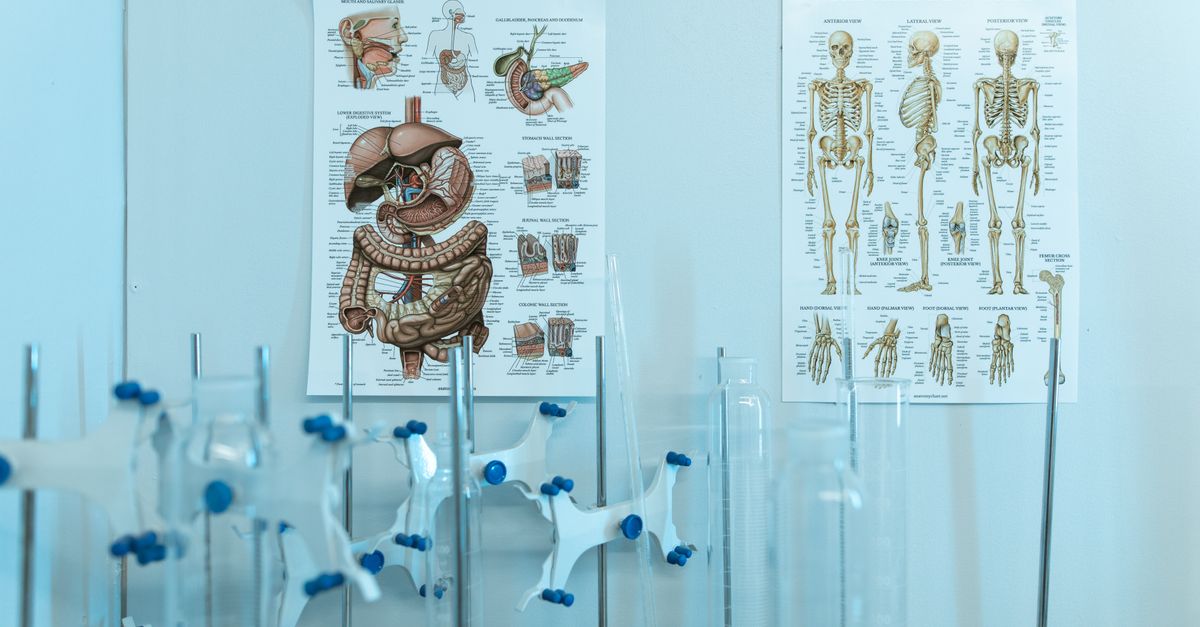
Orlistat and Gut Health: The Clinical Picture Most Patients Never See
Orlistat (brand names Xenical and Alli) works by inhibiting pancreatic and gastric lipase enzymes, blocking approximately 30% of dietary fat from being absorbed in the small intestine. That mechanism is why it produces weight loss — but it is also why the conversation about orlistat and gut health deserves far more clinical attention than it typically receives.
When unabsorbed fat travels into the large intestine, it does not simply disappear. It becomes a substrate for colonic bacteria, alters the luminal environment, triggers shifts in microbial composition, and can impair the absorption of fat-soluble vitamins A, D, E, and K. For anyone taking orlistat for more than a few weeks, these downstream effects accumulate in ways that matter for long-term metabolic health, immune function, and digestive comfort.
This article breaks down the clinical evidence on what orlistat actually does to your gut, which nutrient deficiencies emerge most often, what the lab data reveals, and what targeted supplementation strategies the research supports.
---
How Orlistat Changes Your Gut Microbiome
The gut microbiome is exquisitely sensitive to dietary fat composition — and by extension, to any drug that changes how fat moves through the digestive tract. When orlistat prevents lipase from breaking down triglycerides in the small intestine, a substantial fraction of ingested fat reaches the colon undigested. This is fat that the colon was not designed to handle in large quantities.
A 2015 study published in Cell Host & Microbe (Bäckhed et al.; PMID: 25815988) demonstrated that dietary fat composition significantly alters bacterial community structure in both murine and human gut ecosystems. While this study addressed dietary fat manipulation rather than orlistat specifically, its findings reinforce why flooding the colon with undigested fat — as orlistat does — is likely to perturb microbial balance.
More directly, a randomized controlled trial published in Gut Microbes (Guo et al., 2020; PMID: 32019399) examined fecal microbiota changes in obese patients undergoing orlistat treatment over 12 weeks. The study found meaningful shifts in the ratio of Firmicutes to Bacteroidetes, reductions in short-chain fatty acid (SCFA)-producing bacteria including Faecalibacterium prausnitzii, and increased abundance of fat-fermenting species. These microbial changes were correlated with the degree of steatorrhea — the oily, loose stools that are the drug's most notorious side effect.
The loss of F. prausnitzii is clinically meaningful. This bacterium is one of the most important butyrate producers in the human colon. Butyrate is the primary fuel source for colonocytes (the cells lining your colon) and plays a central role in maintaining the intestinal barrier, regulating local immune responses, and reducing inflammatory tone in the gut. Depleting butyrate-producing bacteria over weeks and months of orlistat use can degrade intestinal barrier integrity in ways that standard stool tests do not capture.
If you are already navigating digestive challenges alongside orlistat use, understanding how stress and anxiety interact with gut function can help you separate drug-related effects from other contributors to reflux, bloating, and microbiome disruption.
---
Gut Health and Nutrient Deficiencies Caused by Orlistat
The connection between gut health and nutrient deficiencies is one of the most clinically significant — and most underappreciated — consequences of long-term orlistat use. Because fat absorption is mechanistically blocked, any micronutrient that relies on dietary fat as its carrier vehicle becomes a candidate for depletion.
Fat-Soluble Vitamins: The Primary Targets
Vitamins A, D, E, and K are absorbed in the small intestine through incorporation into chylomicrons — lipid transport particles that require dietary fat to form. When orlistat reduces luminal fat by 30%, chylomicron formation is impaired proportionally, and serum levels of these vitamins can fall measurably within weeks.
Vitamin D is the most clinically documented deficiency in orlistat users. A meta-analysis published in Obesity Reviews (Heymsfield et al., 2011; PMID: 21676152) found that orlistat-treated patients had significantly lower serum 25(OH)D concentrations compared to placebo groups, with some cohorts showing reductions of 15–20 nmol/L over 12 weeks. Given that vitamin D deficiency is already prevalent in the general population, orlistat can push borderline-adequate individuals into frank deficiency.
Vitamin K depletion is a particular concern for cardiovascular and bone health. Vitamin K2 (in the MK-7 form) is critical for activating matrix Gla protein (MGP), which prevents calcium from depositing in arterial walls, and for carboxylating osteocalcin, which drives calcium into bone. Reduced vitamin K absorption during orlistat therapy has been documented in clinical reports and is specifically flagged in the drug's FDA prescribing information.
Vitamin A depletion affects mucosal immunity — including the integrity of the intestinal lining itself. Retinol is required for the production of secretory IgA, the primary antibody defense at mucosal surfaces. Long-term vitamin A insufficiency compromises the gut's first line of immunological defense.
Beta-carotene and Vitamin E levels have also been shown to decline in orlistat-treated patients; a study in the International Journal of Obesity (Zhi et al., 2003; PMID: 12821971) reported statistically significant reductions in serum beta-carotene and vitamin E in patients taking 120mg orlistat three times daily for 12 months.
Mineral Absorption: Secondary but Real
While fat-soluble vitamins bear the brunt of orlistat's absorption interference, altered bile acid dynamics and changed luminal chemistry can also affect magnesium and calcium balance. Unabsorbed fatty acids can bind divalent cations (calcium, magnesium) in the colon through a process called saponification, forming insoluble soap-like complexes that are excreted rather than absorbed. Over time, this can contribute to reductions in bone mineral density in patients with marginal dietary intake.
For a detailed look at what to supplement specifically while on orlistat — including dosing windows and timing considerations — see our guide on what supplements to take with orlistat.
---
Lab Tests for Gut Health During Orlistat Treatment
If you are taking orlistat, your standard lipid panel and fasting glucose are not enough. The drug creates specific nutrient and microbiome vulnerabilities that require targeted lab testing to detect. Below is a clinically informed testing framework.
Essential Blood Panel Additions
| Lab Test | What to Look For | Clinical Relevance |
|---|---|---|
| Serum 25(OH)D | Target: 40–60 ng/mL | Most commonly depleted fat-soluble vitamin |
| Vitamin K2 / uncarboxylated osteocalcin (ucOC) | Elevated ucOC indicates K insufficiency | Bone and cardiovascular risk marker |
| Serum retinol (Vitamin A) | Below 20 mcg/dL = deficient | Mucosal immunity, gut barrier |
| Vitamin E (alpha-tocopherol) | Below 5 mg/L = low | Antioxidant defense, membrane integrity |
| Serum magnesium (RBC preferred) | RBC Mg: 4.2–6.8 mg/dL | Colon saponification risk |
| Serum calcium + PTH | Calcium low + PTH elevated = secondary hyperparathyroidism | Bone density risk |
| Comprehensive metabolic panel (CMP) | Liver enzymes (ALT, AST) | Rare but documented orlistat hepatotoxicity |
| hsCRP | Target: <1.0 mg/L | Gut-related systemic inflammation marker |
Stool and Microbiome Testing
For patients experiencing persistent GI symptoms on orlistat — bloating, urgency, loose stools — a functional stool panel adds diagnostic value beyond blood work:
- Fecal calprotectin: A marker of intestinal inflammation. Elevated levels suggest that unabsorbed fat is driving mucosal irritation.
- Comprehensive stool culture / PCR panel: Detects pathogenic overgrowth or the loss of keystone species like F. prausnitzii and Akkermansia muciniphila.
- Fecal fat (72-hour quantitative): Can quantify actual fat malabsorption; useful if steatorrhea symptoms are severe.
- Fecal short-chain fatty acid profile: Reflects butyrate, propionate, and acetate production. Low butyrate is a direct readout of SCFA-producer depletion.
Lab tests for gut health during orlistat therapy are not routine in standard care — but for anyone using the drug for more than three months, they provide the clearest window into what is actually happening below the surface. Platforms that integrate lab results with supplementation decisions, like Ones, are designed precisely for this kind of multi-biomarker interpretation.
---
Natural Remedies for Gut Health While on Orlistat
The term "natural remedies" often implies lifestyle-only approaches, but in the context of orlistat and gut health, it more accurately describes evidence-backed, non-pharmaceutical strategies that restore what the drug disrupts. Three categories dominate the clinical evidence: dietary fat management, probiotic supplementation, and targeted micronutrient repletion.
Dietary Fat Timing and Composition
The simplest gut-protective strategy is distributing dietary fat evenly across meals rather than consuming it in large amounts at any single sitting. Because orlistat blocks a fixed enzymatic pathway, a high-fat meal overwhelms the system and produces more unabsorbed fat reaching the colon — worsening steatorrhea and microbial disruption proportionally. Keeping individual meals at or below 20–25 grams of fat dramatically reduces this effect.
Medium-chain triglycerides (MCTs) are partially absorbed via portal circulation without requiring lipase, meaning MCT oil is one fat source that bypasses orlistat's mechanism. While MCTs are not a staple recommendation, they can provide a functional fat source for patients struggling to maintain caloric adequacy on a severely fat-restricted diet.
Probiotic Supplementation
The evidence for probiotics in orlistat users is growing. A 2014 randomized, double-blind, placebo-controlled trial published in Obesity (Sanchez et al., 2014; PMID: 24151000) found that women taking Lactobacillus rhamnosus CGMCC1.3724 alongside a weight-loss intervention had significantly greater fat mass reduction and better weight maintenance compared to placebo, with improvements in gut microbial composition. While this trial was not orlistat-specific, it supports the principle that targeted probiotic use enhances outcomes during fat-restriction interventions.
For orlistat users, strains with evidence for restoring F. prausnitzii-associated butyrate production — including Lactobacillus plantarum and Bifidobacterium longum — represent logical targets. Prebiotic fiber (inulin, acacia fiber, partially hydrolyzed guar gum) can further support butyrate production by serving as fermentable substrate for surviving SCFA producers.
For a broader look at the science of microbiome restoration, the gut health deep dive on microbiome supplements and protocols covers the evidence base in detail.
Bile Acid Support
Orlistat's action on luminal fat also affects bile acid recycling. When undigested fat reaches the colon, it disrupts the enterohepatic circulation of bile acids — increasing fecal bile acid loss and potentially altering bile acid signaling in the liver. Artichoke extract and milk thistle (silymarin) have evidence for supporting bile flow and hepatic function in contexts of fat malabsorption. Ones includes a proprietary Liver Support blend that contains milk thistle standardized extract, relevant for orlistat users who are concerned about both bile dynamics and the small but documented risk of drug-related hepatic stress.
---
Supplements for Gut Health: Evidence-Based Choices for Orlistat Users
Choosing the right supplements while on orlistat requires more than picking products off a pharmacy shelf. The interaction between supplement timing, fat content of meals, and orlistat's enzyme-blocking mechanism means that taking fat-soluble vitamins too close to orlistat doses effectively wastes them. The standard clinical recommendation is to take fat-soluble supplements at least two hours after the orlistat dose — typically at bedtime.
Multivitamin With Fat-Soluble Vitamins
The FDA prescribing information for orlistat explicitly recommends a daily multivitamin containing vitamins A, D, E, K, and beta-carotene. However, standard drugstore multivitamins frequently underdose these vitamins in their least bioavailable forms. Clinically meaningful supplementation requires:
- Vitamin D3: At minimum 2,000 IU/day; up to 4,000 IU/day for individuals with confirmed deficiency. Oral D3 combined with vitamin K2 (MK-7 form, 90–120 mcg/day) ensures synergistic calcium routing — D3 upregulates intestinal calcium absorption, while K2 directs calcium away from arteries and into bone.
- Vitamin K2 as MK-7: The MK-7 form has a half-life of approximately 72 hours (versus 1–2 hours for MK-4), providing more sustained tissue-level activity. Ones formulas pair D3 with K2 as MK-7 at clinically validated doses, directly addressing the fat-soluble vitamin depletion risk that orlistat creates.
- Vitamin A (retinyl palmitate): 2,500–5,000 IU/day from a preformed source, since beta-carotene conversion efficiency is highly variable.
- Vitamin E (mixed tocopherols): 100–200 IU/day from natural-source tocopherols rather than synthetic dl-alpha-tocopherol.
Omega-3 Fatty Acids: A Nuanced Consideration
Omega-3 supplementation (EPA and DHA) presents an interesting management question for orlistat users. Fish oil is a fat — which means orlistat can theoretically reduce its absorption if taken simultaneously. The clinical recommendation is to separate omega-3 supplementation from orlistat doses by at least two hours. Research in the American Journal of Clinical Nutrition (Harris et al., 2012; PMID: 22113870) demonstrated that EPA and DHA absorption is enhanced when consumed with a low-fat meal or at a separate time window from fat-blocking interventions, supporting this timing strategy.
Omega-3s are relevant for orlistat users beyond general health maintenance: they actively support intestinal barrier integrity, reduce colonic inflammatory signaling triggered by unabsorbed fats, and help restore the EPA:DHA balance that a severely fat-restricted diet tends to skew.
Magnesium Glycinate for Colonic Function
Magnesium depletion through the saponification mechanism described earlier is an underappreciated consequence of orlistat use. Magnesium glycinate — a chelated form with superior absorption compared to oxide or citrate forms — provides elemental magnesium without triggering the osmotic laxative effect that makes magnesium carbonate and sulfate inappropriate during orlistat therapy (which already produces loose stools). Supplementing 300–400 mg/day of elemental magnesium as glycinate helps maintain neuromuscular function, insulin sensitivity, and the colonic motility patterns that orlistat disrupts.
For context on how comprehensive supplementation strategies differ by age and physiology, our overview of the most important supplements to take provides a useful reference framework.
---
What This Means for Your Formula
Orlistat creates a predictable and measurable set of nutritional gaps — but the depth of those gaps varies considerably based on baseline lab values, dietary fat intake, duration of use, and individual gut microbiome composition. A templated supplement stack is inherently imprecise because it cannot account for whether your serum 25(OH)D is 28 ng/mL or 52 ng/mL before you start the drug.
This is where Ones' approach to personalized supplementation is directly relevant. The platform's AI health practitioner analyzes your blood work — including fat-soluble vitamin status, magnesium, CRP, and liver enzymes — and builds a custom capsule formula calibrated to your actual deficits rather than population averages. For orlistat users, the most likely formula components would include:
- Vitamin D3 + K2 (MK-7): Dosed based on your baseline 25(OH)D and adjusted to achieve a functional target of 40–60 ng/mL, with K2 as MK-7 to support vascular and bone health simultaneously.
- Omega-3 (EPA/DHA): Included in the formula with a patient-specific note about timing relative to orlistat dosing — taking the capsules at bedtime, at least two hours after the last dose, ensures maximal absorption.
- Liver Support blend: Ones' proprietary Liver Support system blend contains milk thistle standardized extract and supports hepatic bile metabolism — directly addressing the enterohepatic circulation disruption that orlistat causes. For orlistat users who are also showing elevated liver enzymes, this is a clinically rational addition.
- Magnesium Complex: Ones' Magnesium Complex provides a well-absorbed magnesium formulation targeted at the depletion patterns most relevant to your labs — important for orlistat users at risk of saponification-related magnesium loss.
The precision of this approach matters because over-supplementing vitamin A, for instance, can be hepatotoxic — and under-supplementing vitamin D while on a fat-blocking drug accelerates bone density loss. Getting the dose right requires the actual data, not a generic protocol.
---
Key Takeaways
- Orlistat fundamentally alters gut microbiome composition, reducing butyrate-producing bacteria like Faecalibacterium prausnitzii and increasing fat-fermenting species that drive the drug's notorious GI side effects.
- Fat-soluble vitamin depletion is not a theoretical risk — it is a documented clinical outcome. Vitamins D, K, A, and E all decline measurably in orlistat-treated patients, with vitamin D showing the most consistent and clinically significant reductions.
- Targeted lab testing beyond the standard lipid panel is essential for anyone using orlistat for more than three months. Serum 25(OH)D, RBC magnesium, uncarboxylated osteocalcin, and fecal calprotectin each provide different layers of diagnostic insight.
- Supplement timing is as important as supplement choice. Fat-soluble vitamins, omega-3s, and magnesium should be taken at least two hours after orlistat doses — ideally at bedtime — to prevent the drug from blocking their absorption.
- Probiotic and prebiotic strategies have clinical support for restoring SCFA-producing bacteria and reducing gut inflammatory tone during fat-restriction interventions.
- Personalized supplementation based on actual lab values — rather than a generic multivitamin — is the most clinically defensible approach for long-term orlistat users, because individual baseline deficits determine which nutrients need the most aggressive repletion.
---
Always consult a qualified healthcare provider before starting or adjusting any supplementation regimen, particularly if you are taking prescription medications. The information in this article is for educational purposes and does not constitute medical advice.