Vitamins
Personalized Vitamin Quiz: Bioavailability, Stack Synergies, and Lab-Backed Dosing
Most vitamin quizzes ask your age, diet, and stress level — then serve up the same multivitamin everyone else gets. The problem? Absorption rates, gene variants, and blood biomarkers vary so dramatically between individuals that a one-size quiz is barely better than a coin flip. Here's what a genuinely personalized vitamin assessment should measure, and how lab-backed dosing changes outcomes.
Why Most Vitamin Quizzes Miss the Mark
The global dietary supplements market surpassed $177 billion in 2023, yet population surveys consistently show that roughly 90% of Americans fall short on at least one essential nutrient even while taking supplements (Reider et al., Nutrients 2020; PMID: 33305229). The disconnect isn't effort — it's methodology. A five-minute quiz asking whether you "feel tired sometimes" cannot distinguish iron-deficiency fatigue from hypothyroid fatigue, adrenal fatigue, or simply poor sleep hygiene. These conditions share surface symptoms but require completely different micronutrient interventions.
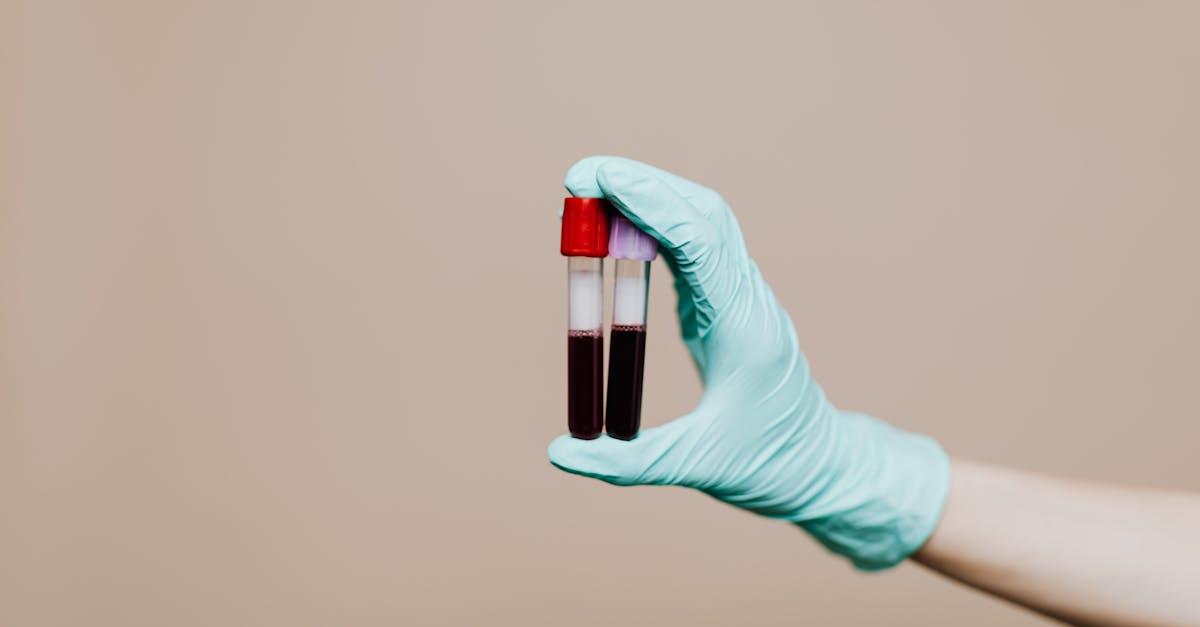
A truly useful personalized supplement assessment moves through three layers of evidence: what your blood work shows (objective deficiency data), how your body absorbs specific nutrient forms (bioavailability science), and how nutrients interact with each other in a multi-ingredient stack (synergy and antagonism). Skipping any layer leaves money on the table — or worse, compounds a deficiency by supplementing the wrong form at the wrong dose alongside a competing nutrient.
This article breaks down the science behind each layer, explains what separates a lab-backed formula from a guessed one, and shows you how platforms like Ones use real biomarker data to calibrate ingredients down to the milligram.
---
The Bioavailability Problem: Form Matters as Much as Dose
Every ingredient label lists a milligram amount, but milligrams ingested and milligrams absorbed are not the same number. Magnesium oxide — the cheapest and most common form — has a fractional absorption rate of roughly 4%, compared to ~67% for magnesium glycinate in healthy adults (Schuette et al., Journal of Parenteral and Enteral Nutrition 1994; PMID: 8083959). That means a 400 mg oxide tablet delivers less usable magnesium than a 100 mg glycinate capsule.
The same logic applies across the entire vitamin and mineral spectrum:
| Nutrient | Low-Bioavailability Form | High-Bioavailability Form | Key Advantage |
|---|---|---|---|
| Magnesium | Oxide (~4% absorbed) | Glycinate / Malate | Gentle on GI tract; crosses blood-brain barrier |
| Vitamin K2 | K1 (plant sources) | MK-7 (menaquinone-7) | Half-life of 72 hrs vs. ~1 hr for K1 |
| Vitamin B12 | Cyanocobalamin | Methylcobalamin / Adenosylcobalamin | Pre-methylated; bypasses MTHFR variants |
| Zinc | Oxide | Bisglycinate / Picolinate | ~43% higher absorption in bisglycinate form |
| Folate | Folic acid | 5-MTHF (methylfolate) | Active form; essential for ~40% with MTHFR C677T |
| Ashwagandha | Generic root powder | KSM-66® (root extract) | Standardized to ≥5% withanolides; used in RCTs |
When you take a generic quiz that recommends "Vitamin B12" without specifying form, you could end up with cyanocobalamin — a synthetic form that roughly 30–40% of people with common MTHFR variants cannot fully convert to its active state (Wilcken et al., American Journal of Human Genetics 2003; PMID: 12900793). A lab-backed quiz, by contrast, would flag an elevated homocysteine on your metabolic panel as a signal to use methylcobalamin and add active folate.
---
Stack Synergies: Nutrients That Amplify Each Other
Isolated dosing studies test one nutrient against placebo. Real-world supplementation stacks multiple ingredients simultaneously — and the interactions can either multiply benefits or create silent antagonisms.
Synergistic Pairs Worth Understanding
Vitamin D3 + K2 (MK-7): D3 upregulates calcium absorption from the gut; K2 activates matrix GLA protein (MGP) and osteocalcin, routing that calcium into bone rather than arterial walls. A 2019 three-year RCT in 244 healthy postmenopausal women found that combined D3 + K2 significantly improved arterial stiffness compared to D3 alone (Knapen et al., Thrombosis and Haemostasis 2015; PMID: 25694037). Supplementing D3 without K2 — especially at doses above 2,000 IU — raises circulating calcium without the routing signal. The vitamin D3 and K2 synergy is one of the most clinically supported co-supplementation pairings available.
Magnesium + Vitamin D3: Magnesium is a required cofactor for the enzyme that converts inactive vitamin D (25-OH) to its active hormonal form (1,25-dihydroxyvitamin D). A 2018 analysis in The American Journal of Clinical Nutrition found that adequate magnesium status was necessary for optimal vitamin D metabolism, and that low magnesium blunted the response to D3 supplementation (Deng et al., The American Journal of Clinical Nutrition 2018; PMID: 29480918). This means a user who takes D3 and remains "non-responsive" may simply be magnesium-deficient.
Zinc + Copper (Managed Antagonism): Zinc at doses above 25 mg/day competes with copper for intestinal absorption via metallothionein induction. The NIH Office of Dietary Supplements recommends a zinc:copper ratio of approximately 10:1 for long-term supplementation. Ignoring this antagonism at therapeutic zinc doses (used for immune support, testosterone optimization, and wound healing) can produce secondary copper deficiency — manifesting as fatigue, low white blood cell counts, and neurological symptoms.
Omega-3 (EPA/DHA) + CoQ10: Both support mitochondrial membrane integrity and cardiovascular function via complementary mechanisms. EPA reduces inflammatory eicosanoids; CoQ10 protects the electron transport chain from lipid peroxidation. A 2020 systematic review found that combined omega-3 and CoQ10 supplementation showed additive reductions in triglycerides and oxidative stress markers compared to either alone (NIH ODS position on omega-3 fatty acids, updated 2023). Understanding the omega-3 EPA DHA ratio guide is key before stacking these with antioxidant support.
---
How Much Vitamin B5 Per Day: Clinical Ranges and Why They Differ
Pantothenic acid (vitamin B5) sits quietly in most B-complex formulas with little attention paid to therapeutic dosing. The RDA for adults is 5 mg/day — easily met through diet. But clinical contexts tell a different story.
Vitamin B5 is the rate-limiting precursor to coenzyme A (CoA), which is required for fatty acid oxidation, acetylcholine synthesis, and the production of steroid hormones including cortisol. In individuals under chronic psychological or physiological stress, CoA demand increases substantially, and some functional medicine practitioners report that higher B5 intakes — in the range of 100–500 mg/day — may support adrenal function, though robust RCT evidence at these doses in healthy populations remains limited.
For skin health, a specific application has more direct evidence: a 2014 randomized, double-blind trial (n=41) found that 2.2 g/day of pantothenic acid over 12 weeks significantly reduced total facial lesion counts in adults with mild-to-moderate acne (Yang et al., Journal of Cosmetic Dermatology 2014; PMID: 24831048). This therapeutic dose — 440 times the RDA — is far outside the range of any standard B-complex.
| Context | Suggested B5 Intake | Evidence Level |
|---|---|---|
| General dietary adequacy | 5 mg/day (RDA) | Established |
| Adrenal/stress support (functional) | 100–500 mg/day | Mechanistic/low RCT data |
| Acne reduction | ~2,200 mg/day | Single RCT (Yang et al. 2014) |
| Wound healing support | 200–900 mg/day | Animal + limited human data |
The key insight for anyone using a personalized vitamin quiz: the "right" dose of B5 depends entirely on why you're taking it. A quiz that doesn't ask about skin concerns, stress markers, or adrenal symptoms cannot possibly recommend the appropriate range. This is why Ones integrates symptom context with biomarker data — an elevated cortisol rhythm on a wearable, combined with reported fatigue and poor recovery, would inform a very different B5 consideration than a baseline wellness profile.
---
Reading Your Lab Work: Markers That Change Your Formula
Blood biomarkers are the highest-signal input available to a personalized supplement assessment. Here are the panels most likely to shift your formula meaningfully:
- 25-OH Vitamin D: Target range 40–60 ng/mL for most adults. Below 20 ng/mL warrants therapeutic loading (typically 4,000–5,000 IU D3/day); above 80 ng/mL warrants reassessment. Dose-response is highly individual.
- Ferritin: Low ferritin (under 30 ng/mL) produces fatigue and cognitive fog even without clinical anemia (Vaucher et al., PLOS ONE 2012; PMID: 22279577). High ferritin (over 200 ng/mL) suggests oxidative stress or inflammation — adding iron here would be counterproductive.
- Homocysteine: Elevated (>10 µmol/L) signals inadequate methylation support — cue methylfolate, methylcobalamin, and P5P (active B6).
- hs-CRP: Elevated (>1.0 mg/L) points toward omega-3s, curcumin, and vitamin D as anti-inflammatory priorities.
- Magnesium (RBC, not serum): Serum magnesium is tightly regulated and falls late. RBC magnesium better reflects intracellular status; below 5.2 mg/dL is functionally low.
- Fasting insulin / HOMA-IR: Insulin resistance increases demand for chromium, berberine, alpha-lipoic acid, and magnesium.
No five-minute quiz can replicate this data. Platforms like Viome offer gut microbiome testing with AI-generated supplement recommendations. Thorne and Function Health provide practitioner-grade lab panels. Ritual delivers subscription multivitamins with transparent sourcing. Ones sits at the intersection of all these approaches — analyzing uploaded blood work alongside wearable data (HRV, sleep stages, resting heart rate trends) to build a custom capsule formula from its catalog of approximately 70 clinically validated ingredients.
---
What This Means for Your Formula: How Ones Addresses Bioavailability and Synergy
Ones builds every formula around three non-negotiables: clinically validated ingredient forms, doses that match the research literature, and stack logic that accounts for synergies and antagonisms.
Magnesium Glycinate (within Magnesium Complex): Ones uses a magnesium glycinate-anchored complex rather than oxide or carbonate. The glycinate chelate not only improves absorption but also delivers glycine — an inhibitory neurotransmitter that independently supports sleep quality. A randomized trial in 151 participants found that glycine supplementation at bedtime significantly improved subjective sleep quality, daytime sleepiness, and cognitive performance the following morning (Bannai et al., Frontiers in Neurology 2012; PMID: 22529837). The optimal magnesium glycinate dosage for sleep support overlaps with the cardiovascular and neuromuscular dosing range, making it a high-value multi-system ingredient.
KSM-66 Ashwagandha (600 mg): Ones uses the KSM-66® root extract standardized to ≥5% withanolides — the identical form and dose used in the most-cited cortisol RCT in the field. A double-blind, placebo-controlled trial (n=64) found that 600 mg KSM-66 significantly reduced serum cortisol by 27.9% and self-reported stress scores over 60 days (Chandrasekhar et al., Indian Journal of Psychological Medicine 2012; PMID: 23439798). For users whose wearable data shows poor HRV recovery or whose bloodwork reflects elevated cortisol proxies, this ingredient sits at the core of Ones' Adrenal Support blend. Learn more about the clinical evidence for ashwagandha and why extract standardization changes outcomes.
CoQ10/Ubiquinol (200 mg): Ones doses CoQ10 at 200 mg — toward the upper end of ranges used in cardiovascular and mitochondrial research. A meta-analysis of 13 RCTs found that CoQ10 supplementation significantly reduced systolic and diastolic blood pressure (Rosenfeldt et al., Journal of Human Hypertension 2007; PMID: 17287847). Ubiquinol (the reduced form) is favored for individuals over 40 or those on statin therapy, as statins deplete endogenous CoQ10 by inhibiting the mevalonate pathway — the same pathway used to synthesize cholesterol and CoQ10 simultaneously.
Formulas are structured across 6, 9, or 12 capsule plans, allowing ingredient density to scale with clinical priority — a 12-capsule plan can accommodate core foundations (D3+K2, Omega-3, Magnesium Complex) plus targeted actives (Ashwagandha, CoQ10, Zinc) plus a System Support blend (Adrenal, Liver, or Heart Support depending on biomarker flags) without crowding out any single ingredient's therapeutic dose.
---
Key Takeaways
- Form determines function: Magnesium glycinate, methylcobalamin, MK-7 K2, and KSM-66 ashwagandha are not interchangeable with their cheaper counterparts — absorption rates and clinical evidence differ substantially.
- Stack logic matters: D3 without K2, zinc without copper management, and D3 without adequate magnesium status are common supplementation errors that a generic quiz perpetuates.
- Vitamin B5 dosing is context-dependent: The RDA of 5 mg/day is adequate for most, but therapeutic applications (acne, adrenal support) require doses 40–440x higher — a range no standard B-complex covers.
- Blood biomarkers are the highest-signal input: Ferritin, 25-OH D, homocysteine, hs-CRP, and RBC magnesium each directly inform which ingredients to include, at what dose, and in what form.
- Wearable data adds a real-time layer: HRV, sleep staging, and resting heart rate trends provide longitudinal physiological context that a single blood draw cannot capture.
- Ones builds formulas from all three layers simultaneously: Biomarker data, ingredient form/bioavailability, and synergy logic are integrated into a custom capsule formula — not inferred from a five-question lifestyle quiz.
This article is for informational purposes only and does not constitute medical advice. Consult a qualified healthcare provider before beginning any supplement protocol, particularly if you are managing a diagnosed condition or taking prescription medications.