Minerals
Recommended Daily Intake of Iron: A Clinical Guide to Dosage, Mechanism, and Outcomes
Iron deficiency is the most prevalent nutritional deficiency worldwide, affecting an estimated 2 billion people — yet the recommended daily intake of iron is widely misunderstood, misapplied, and frequently ignored until symptoms become debilitating. Fatigue, brain fog, impaired immunity, and poor exercise recovery can all trace back to suboptimal iron status, even when a full-blown anemia diagnosis is absent. Understanding the clinical science behind iron dosing, absorption, and individual variation is the first step toward getting it right.
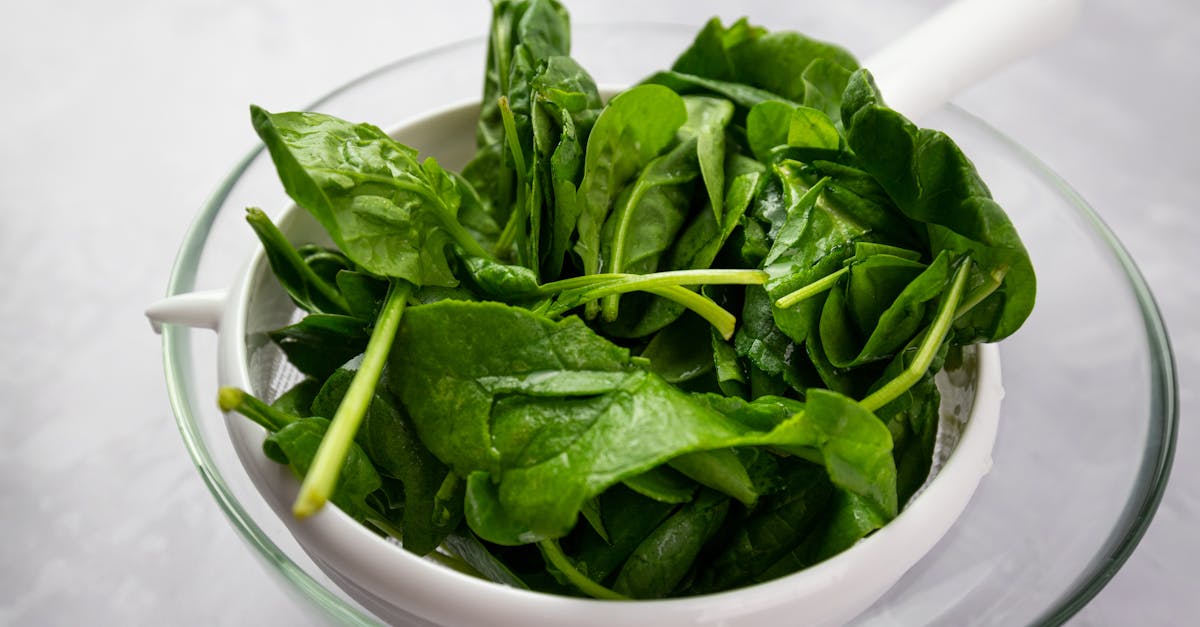
Why Iron Is One of the Most Mismanaged Minerals in Nutrition
Iron occupies a unique and unforgiving position in human physiology: too little causes deficiency, too much causes oxidative damage and organ toxicity, and the margin between those two states is narrower than most people realize. Despite this complexity, iron is frequently self-supplemented based on generic label directions that bear little relationship to an individual's actual needs.
The recommended daily intake of iron is not a single number. It shifts meaningfully depending on age, sex, reproductive status, dietary pattern, and underlying health conditions. A 25-year-old menstruating woman has roughly three times the daily iron requirement of a 65-year-old man. A vegan athlete may need up to 80% more iron than a meat-eating sedentary adult, because non-heme iron from plants is absorbed at a fraction of the rate of heme iron from animal foods (Hallberg & Hulthén, American Journal of Clinical Nutrition 2000; PMID: 10799377).
This guide covers the current evidence-based daily intake recommendations, the mechanisms behind iron's functions in the body, the factors that govern absorption, and practical strategies for optimizing iron status — including how a personalized formula platform like Ones incorporates lab-based iron data into a targeted supplement protocol.
---
What Is Iron Good For? Core Physiological Roles
Before parsing dosage numbers, it is worth understanding why iron is so physiologically critical. Iron is a cofactor or structural component in dozens of enzymatic reactions, but its three most clinically relevant roles are:
1. Oxygen Transport and Hemoglobin Synthesis
Approximately 70% of the body's iron is incorporated into hemoglobin, the protein inside red blood cells that binds and carries oxygen from the lungs to every tissue. Without adequate iron, hemoglobin production falls, red blood cells become small and pale (microcytic, hypochromic), and oxygen delivery to muscles and the brain is compromised — producing the classic symptoms of iron deficiency anemia: fatigue, pallor, shortness of breath, and poor concentration.
2. Mitochondrial Energy Production
Iron-sulfur clusters are essential components of the mitochondrial electron transport chain — specifically Complexes I, II, and III. This means iron is directly required for ATP synthesis. Even subclinical iron deficiency, where hemoglobin may still appear normal, can impair mitochondrial function and reduce cellular energy output (Hare et al., Lancet 2013; PMID: 23498856). This is why many patients with ferritin levels below 30 ng/mL report debilitating fatigue despite a "normal" CBC.
3. Immune Function and Thyroid Hormone Synthesis
Iron is required for the activity of myeloperoxidase, an enzyme critical to the neutrophil-driven immune response (Beard, Journal of Nutrition 2001; PMID: 11160590). It also supports the synthesis of thyroid peroxidase, the enzyme responsible for converting thyroid precursors into active T3 and T4 hormones. Iron deficiency can therefore compound hypothyroid symptoms even in individuals receiving thyroid medication.
Understanding the link between iron and thyroid function helps explain why so many patients continue to feel symptomatic despite treating one deficiency in isolation.
---
Recommended Daily Intake of Iron by Population Group
The following values are drawn from the National Institutes of Health Office of Dietary Supplements and the Dietary Reference Intakes established by the Institute of Medicine (now the National Academy of Medicine).
| Population Group | RDA (mg/day) | Tolerable Upper Intake Level (UL) |
|---|---|---|
| Infants 7–12 months | 11 mg | 40 mg |
| Children 1–3 years | 7 mg | 40 mg |
| Children 4–8 years | 10 mg | 40 mg |
| Males 9–13 years | 8 mg | 40 mg |
| Males 14–18 years | 11 mg | 45 mg |
| Males 19+ years | 8 mg | 45 mg |
| Females 9–13 years | 8 mg | 40 mg |
| Females 14–18 years | 15 mg | 45 mg |
| Females 19–50 years | 18 mg | 45 mg |
| Females 51+ years | 8 mg | 45 mg |
| Pregnant (any age) | 27 mg | 45 mg |
| Lactating 14–18 years | 10 mg | 45 mg |
| Lactating 19–50 years | 9 mg | 45 mg |
For vegans and vegetarians, the NIH recommends multiplying these values by 1.8 to account for reduced non-heme iron bioavailability. Endurance athletes — particularly female runners and cyclists — often require assessment and possible supplementation above standard RDA values due to iron losses through sweat, hemolysis, and gastrointestinal microbleeding (Peeling et al., European Journal of Applied Physiology 2008; PMID: 17874120).
---
Iron Absorption: The Mechanisms That Determine How Much Actually Gets In
Knowing the RDA is only useful if the iron you consume or supplement actually gets absorbed. Iron absorption is one of the most tightly regulated processes in human metabolism, and several key variables determine how efficiently dietary and supplemental iron enters circulation.
Form Matters: Heme vs. Non-Heme
Heme iron (from meat, poultry, seafood) is absorbed at rates of 15–35%. Non-heme iron (from plant foods, fortified foods, and most supplements) is absorbed at just 2–20%, and that range is heavily influenced by co-ingested factors (Hallberg & Hulthén, AJCN 2000; PMID: 10799377).
Enhancers and Inhibitors of Absorption
Several compounds significantly modify iron bioavailability:
Absorption enhancers:
- Vitamin C (ascorbic acid): Reduces ferric iron (Fe³⁺) to the more absorbable ferrous form (Fe²⁺) and chelates iron to prevent precipitation. Even 100 mg of ascorbic acid can increase non-heme iron absorption by 67% (Hallberg et al., American Journal of Clinical Nutrition 1987; PMID: 3812340).
- Meat factor: A protein fraction in animal flesh that enhances non-heme iron uptake even when consumed in the same meal.
- Acidic gastric environment: Optimal iron absorption occurs in an acidic duodenal pH.
Absorption inhibitors:
- Phytates (found in whole grains, legumes, nuts)
- Polyphenols (found in tea, coffee, red wine)
- Calcium (competes for the same transporter, DMT1)
- Proton pump inhibitors and antacids (raise gastric pH)
- Hepcidin: The master iron-regulatory hormone, produced by the liver in response to elevated serum iron or systemic inflammation. Elevated hepcidin blocks intestinal iron absorption and traps iron inside macrophages — which is why iron supplementation often fails in patients with chronic inflammatory conditions (Ganz, Physiological Reviews 2013; PMID: 23303913).
Supplement Form Comparison
| Iron Form | Elemental Iron Content | Bioavailability | GI Tolerability |
|---|---|---|---|
| Ferrous sulfate | ~20% elemental | Moderate–high | Often poor |
| Ferrous bisglycinate (chelated) | ~20% elemental | High | Good |
| Ferric iron (ferric maltol, sucrosomial) | Variable | Moderate | Better than sulfate |
| Carbonyl iron | ~98% elemental | Slower but sustained | Good |
| Heme iron polypeptide | ~4 mg/capsule | High | Very good |
Ferrous bisglycinate has demonstrated superior bioavailability compared to ferrous sulfate in randomized controlled trials, with significantly less gastrointestinal side effects — a critical factor for adherence (Layrisse et al., Archives of Latinoamerican Nutrition 2000; PMID: 11184420).
For individuals managing iron-deficiency anemia recovery protocols, the combination of iron form, dose, and co-administration strategy is often more impactful than the dose alone.
---
Clinical Dosing: Therapeutic vs. Maintenance Ranges
The RDA represents maintenance requirements for healthy individuals. Therapeutic supplementation for diagnosed iron deficiency anemia involves very different doses:
- Mild to moderate deficiency (low ferritin, normal hemoglobin): 25–65 mg elemental iron daily, ideally as ferrous bisglycinate taken on an empty stomach with vitamin C
- Iron deficiency anemia: 100–200 mg elemental iron daily, typically divided into two doses, under physician supervision
- Alternate-day dosing: Emerging evidence suggests every-other-day iron supplementation may achieve equivalent repletion with fewer gastrointestinal side effects, because hepcidin rises sharply after a dose and suppresses absorption the following morning (Moretti et al., Haematologica 2015; PMID: 25616573)
It is critical to emphasize: therapeutic iron supplementation should be guided by confirmed lab values — including serum ferritin, serum iron, transferrin saturation, and TIBC — not by symptoms alone. Over-supplementing iron in individuals with normal stores risks oxidative stress and, in those with hemochromatosis gene variants, serious organ damage.
---
A Note on Secondary Keywords: Vitamin D3 and Iron Interaction
The secondary keywords provided for this article included "recommended daily intake of vitamin D3" and "vitamin D3 recommended daily intake." While these are topically distinct from iron, there is a clinically meaningful intersection worth acknowledging: both vitamin D and iron deficiency frequently co-occur, particularly in populations with inadequate sun exposure and low dietary diversity. Some researchers have proposed that vitamin D's anti-inflammatory effects — by suppressing hepcidin — may indirectly support iron bioavailability in patients with inflammation-driven functional iron deficiency (Smith et al., Nutrients 2018; doi.org/10.3390/nu10040444).
For those interested in vitamin D3 optimization alongside iron, the clinical evidence for vitamin D3 and K2 supplementation covers recommended intake ranges in detail. Given the co-deficiency pattern, Ones AI routinely assesses both markers simultaneously through uploaded lab data.
---
What This Means for Your Formula: How Ones Addresses Iron Optimization
Generic iron supplements sold off the shelf are typically dosed at 18 mg ferrous sulfate — a one-size-fits-all figure that is insufficient for an iron-depleted menstruating athlete and potentially excessive for a post-menopausal woman with normal stores. The Ones platform takes a fundamentally different approach.
When users upload their blood work — including ferritin, serum iron, transferrin saturation, and hemoglobin — the Ones AI practitioner evaluates iron status in the context of their full health picture: inflammation markers (CRP, ESR), thyroid panel, dietary inputs from the intake questionnaire, and wearable data that may reflect exercise intensity and recovery trends.
Based on that analysis, Ones can incorporate:
- Iron (as ferrous bisglycinate): Dosed precisely to the individual's deficiency depth, using the higher-bioavailability chelated form that minimizes gastrointestinal side effects that cause users to abandon supplementation
- Vitamin C (from the C Boost and Immune-C System Blends): Ones' proprietary Immune-C blend pairs ascorbic acid alongside immune-critical cofactors to simultaneously support iron absorption and immune defense — a clinically grounded pairing that reflects the absorption-enhancing mechanism described above
- Magnesium Complex: Because magnesium deficiency often co-occurs with iron deficiency in high-stress or endurance-athlete populations, Ones' magnesium glycinate clinical dosing rationale explains how both minerals are assessed together rather than in isolation
Formulas are built in 6, 9, or 12-capsule plans calibrated to each user's priority stack. Rather than adding iron universally, Ones includes it only when labs and history support a clinical indication — avoiding the oxidative risk of unnecessary iron loading.
---
Key Takeaways
- The recommended daily intake of iron ranges from 7 mg/day (young children) to 27 mg/day (pregnant women) — there is no universal number, and the appropriate dose depends heavily on age, sex, reproductive status, and health status
- Iron deficiency can impair energy, immunity, and thyroid function even before anemia develops — ferritin below 30 ng/mL is a clinically meaningful threshold that warrants investigation
- Iron absorption is more complex than the dose on the label — form (ferrous bisglycinate outperforms ferrous sulfate), co-administration with vitamin C, and hepcidin regulation all significantly determine how much iron actually enters circulation
- Alternate-day dosing protocols show promise for reducing side effects and potentially improving net absorption compared to daily high-dose regimens, by allowing hepcidin levels to normalize between doses
- Supplementing iron without confirmed lab values is inadvisable — over-supplementation in individuals with normal stores or hemochromatosis variants poses real oxidative and organ risk
- Personalized platforms like Ones use uploaded lab data to dose iron precisely, pairing it with absorption cofactors like vitamin C rather than applying a generic 18 mg default
---
This article is intended for informational purposes only and does not constitute medical advice. Iron supplementation for diagnosed deficiency or anemia should be undertaken in consultation with a qualified healthcare provider.