Lifestyle
Sauna Use and Supplement Synergies: Heat Shock Proteins and Recovery
Regular sauna use can trigger heat shock proteins, clear cellular debris, and accelerate muscle recovery — but without the right supplement protocol, you may be leaving most of those benefits on the table. Research shows that specific nutrients dramatically amplify the physiological signals heat exposure generates, from HSP70 upregulation to electrolyte replenishment. Here's what the science says about pairing heat therapy with the right stack, and how a personalized approach makes all the difference.
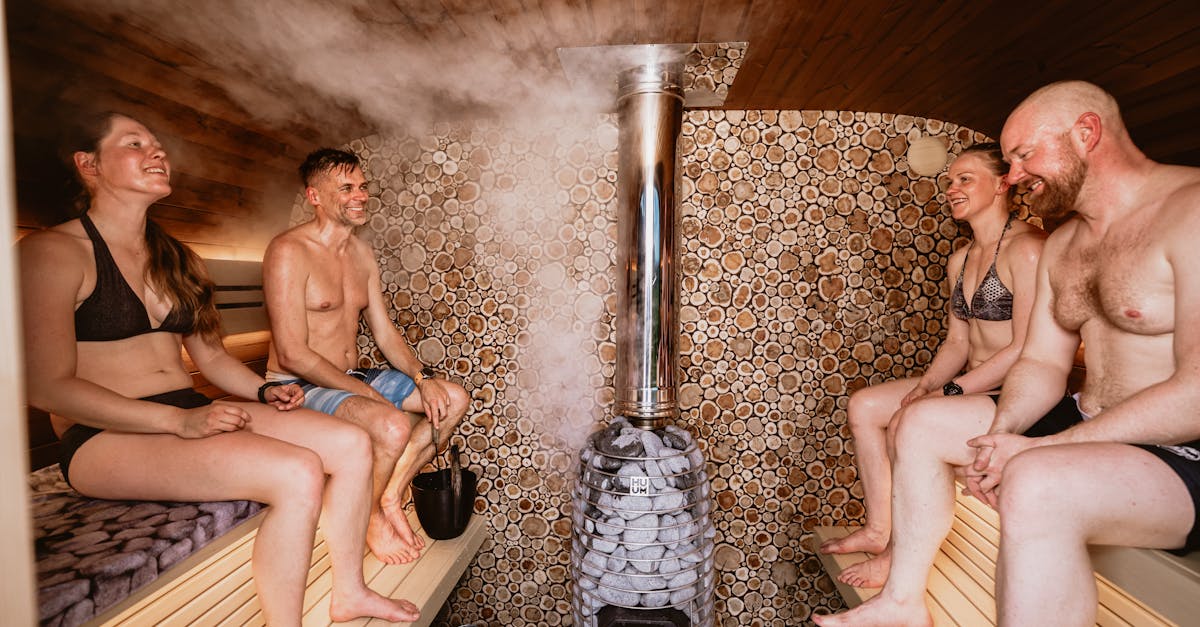
Sauna Use and Supplement Synergies: Heat Shock Proteins and Recovery
Spending 20 minutes in a sauna feels good. But beneath the sweat and relaxation, your body is running an intricate molecular repair program. Core temperature rises, cardiovascular output climbs, growth hormone spikes, and — perhaps most importantly — a family of proteins called heat shock proteins (HSPs) floods your cells to protect, refold, and renew damaged structures.
The problem is that most people treat sauna as a passive experience. They walk out, towel off, and reach for a sports drink. A targeted sauna supplement protocol turns that passive experience into an active recovery tool — one backed by a growing body of clinical literature. This article breaks down the mechanisms, the nutrients, the timing, and how a platform like Ones can calibrate every variable to your individual biology.
---
Sauna Heat Shock Proteins: The Molecular Machinery Behind Recovery
Heat shock proteins are a class of molecular chaperones — proteins whose job is to prevent other proteins from misfolding, aggregate, or degrading under stress. They are among the most evolutionarily conserved molecules in biology, present in everything from bacteria to human cardiac muscle. In humans, HSP70 and HSP90 are the two isoforms most clinically relevant to exercise recovery and longevity research.
When your core temperature rises by approximately 1–2°C during sauna exposure, cells upregulate HSP expression rapidly. A landmark study by Kregel (2002) in the Journal of Applied Physiology established that heat stress reliably induces HSP70 in skeletal muscle, supporting protein quality control and reducing oxidative damage markers (Kregel KC, J Appl Physiol 2002; PMID: 12133863). More recent work has extended this to human subjects: a Finnish cohort study found that men who used a sauna 4–7 times per week had significantly lower all-cause cardiovascular mortality, a finding researchers partially attribute to HSP-mediated endothelial protection and reduced arterial stiffness (Laukkanen et al., JAMA Intern Med 2015; PMID: 25705824).
HSPs don't just protect muscle fibers. They also tag damaged proteins for autophagy — the cellular recycling system that clears misfolded aggregates linked to neurodegenerative diseases, metabolic dysfunction, and accelerated aging. This is why sauna is increasingly appearing in longevity protocols alongside intermittent fasting and cold exposure, both of which share the autophagy-activating mechanism.
What triggers more HSP expression?
- Duration and frequency of heat exposure (20–30 minutes, 3–5x per week appears optimal)
- Degree of thermal stress (traditional Finnish saunas at 80–100°C vs. infrared at 50–65°C)
- Baseline antioxidant status — oxidative stress is the trigger; antioxidant capacity shapes the response magnitude
- Cellular NAD⁺ availability, which governs downstream sirtuin activation linked to HSP signaling
This last two points are where your supplement stack becomes mechanistically relevant.
---
Electrolytes and Sauna: The Non-Negotiable Foundation
Before diving into advanced compounds, the foundational layer of any electrolytes sauna protocol deserves serious attention — because even mild dehydration blunts heat-shock protein induction, impairs thermoregulation, and increases cardiovascular strain during the session itself.
A 20–30 minute sauna session at moderate-to-high temperature can produce sweat losses of 0.5–1.0 liters, depending on individual sweat rate and ambient conditions. That sweat carries not just water but sodium, potassium, magnesium, and chloride. Magnesium loss is particularly relevant: sweat magnesium concentrations range from 0.14 to 0.68 mmol/L (Montain et al., Medicine & Science in Sports & Exercise 2007; PMID: 17986904), and up to 60% of Americans are already estimated to fall below the Estimated Average Requirement for magnesium (NIH Office of Dietary Supplements, 2022).
Why does this matter for HSPs? Magnesium is a cofactor for over 300 enzymatic reactions, including ATP synthesis and DNA repair processes that run in overdrive during heat-stress recovery. Low magnesium impairs mitochondrial function and reduces the cell's capacity to generate the energy needed to re-establish protein homeostasis after heat exposure.
Pre-sauna electrolyte priorities:
- Sodium: 500–1,000 mg from whole food or electrolyte supplementation 60–90 minutes before
- Potassium: 300–500 mg (found in bananas, potatoes, or supplemental potassium citrate)
- Magnesium: 200–400 mg magnesium glycinate — the glycinate chelate is preferred for bioavailability and tolerability
Post-sauna rehydration:
- Aim to replace 1.5x the fluid lost (weigh yourself before and after if precision matters)
- Sodium and potassium should be included in the recovery drink to drive cellular rehydration
- Avoid aggressive caffeine post-sauna — it acts as a mild diuretic and can compound dehydration
For a deeper look at how magnesium status intersects with recovery and sleep quality, see our guide on optimal magnesium glycinate dosage — a resource that covers the clinical evidence for the glycinate form specifically.
---
Infrared Sauna Supplement Stack: Compounds That Amplify the Heat Response
Infrared saunas operate at lower ambient temperatures (45–65°C) than traditional Finnish saunas but penetrate tissue more deeply with near- and mid-infrared wavelengths. The physiological effects — including HSP upregulation, improved circulation, and cardiovascular conditioning — are similar, though some researchers argue traditional saunas produce a more robust thermal shock. Regardless of modality, the infrared sauna supplement stack recommendations below apply across both formats.
NMN (Nicotinamide Mononucleotide) — NAD⁺ Precursor
NAD⁺ is essential for sirtuin activation — specifically SIRT1 and SIRT3 — which are key downstream mediators of the HSP response. Heat stress depletes NAD⁺ faster than baseline conditions because repair processes, including PARP-mediated DNA repair, consume it heavily. NMN supplementation has been shown in a randomized controlled trial (Yoshino et al., Science 2021; doi.org/10.1126/science.abe9985) to increase muscle NAD⁺ levels in postmenopausal women over 10 weeks. By maintaining elevated NAD⁺, you sustain the metabolic substrate your cells need to capitalize on the heat-stress signal.
CoQ10 / Ubiquinol — Mitochondrial Electron Transport
Heat exposure accelerates mitochondrial electron transport chain activity and simultaneously increases reactive oxygen species (ROS) production. CoQ10 — specifically the reduced form, ubiquinol — sits at the heart of complexes I, II, and III in the electron transport chain and functions as a potent membrane-bound antioxidant. A meta-analysis in Antioxidants (2019; doi.org/10.3390/antiox8070193) found that CoQ10 supplementation significantly reduced markers of oxidative stress. Dosing: 200 mg of ubiquinol daily, taken with a fat-containing meal for optimal absorption.
NAC (N-Acetyl Cysteine) — Glutathione Precursor
HSP induction is partly driven by oxidative stress, which is useful — but excessive ROS can overwhelm the system and trigger apoptosis rather than adaptation. NAC replenishes intracellular glutathione, the cell's master antioxidant, helping calibrate the ROS signal rather than abolish it. Research from the Journal of Applied Physiology (Medved et al. 2004; PMID: 14766776) found NAC supplementation improved fatigue resistance during prolonged exercise under heat conditions. A typical clinical dose is 600–1,200 mg per day.
Rhodiola Rosea — Adaptogen and Stress Hormone Modulator
Sauna is a hormetic stressor — a mild, controlled stress that produces adaptive benefit. Rhodiola rosea works through a complementary mechanism: it modulates the stress response axis by influencing cortisol and HSP70 expression simultaneously. A double-blind RCT published in Phytomedicine (Spasov et al. 2000; PMID: 10839209) demonstrated significant reductions in fatigue and stress markers with 50 mg of standardized rhodiola extract. More relevant to sauna, animal models have shown rhodiola directly upregulates HSP70 in cardiac tissue under thermal stress (Chang et al., Cell Stress & Chaperones 2019; doi.org/10.1007/s12192-019-01005-8). Dose: 200–400 mg of 3% rosavins extract, taken in the morning.
Vitamin D3 + K2 (MK-7) — Immune Modulation and Vascular Protection
Sauna's cardiovascular benefits are well-documented, and vitamin D3 works synergistically with those vascular effects. Vitamin D3 receptors are present on endothelial cells and cardiomyocytes; deficiency impairs endothelial nitric oxide synthase activity. When combined with K2 in the MK-7 form, the pair directs calcium away from arterial walls and into bone — a critical distinction as sauna increases cardiac output and blood velocity. For a full breakdown of this synergy, see our article on vitamin D3 and K2 synergy.
---
Sauna Recovery Supplements: Timing Your Protocol Around Sessions
Timing matters as much as ingredient selection in a well-structured sauna recovery supplements protocol. Here's a practical framework:
| Timing | Supplement | Dose | Purpose |
|---|---|---|---|
| 60–90 min pre-sauna | Magnesium Glycinate | 200–400 mg | Electrolyte pre-loading, reduce cramp risk |
| 30–60 min pre-sauna | Rhodiola Rosea | 200–400 mg | Prime HSP and adaptogen response |
| During sauna | Water + electrolytes | 250–500 ml | Prevent dehydration-induced blunting |
| Immediately post-sauna | NAC | 600 mg | Glutathione replenishment, calibrate ROS |
| With post-sauna meal | CoQ10 (Ubiquinol) | 200 mg | Mitochondrial recovery, fat-soluble uptake |
| With post-sauna meal | Vitamin D3 + K2 | Per lab level | Vascular and immune support |
| Daily (morning) | NMN | 250–500 mg | Sustained NAD⁺ elevation |
| Daily (evening) | Omega-3 (EPA/DHA) | 1,000–2,000 mg | Resolve inflammation, membrane support |
Omega-3 fatty acids deserve a mention here: they don't directly interact with HSP pathways, but EPA and DHA are precursors to specialized pro-resolving mediators (SPMs) that terminate the inflammatory cascade initiated by heat stress, allowing the adaptive response to complete cleanly. Evidence from a Cochrane-level systematic review in Nutrients (2017; doi.org/10.3390/nu9030261) supports EPA/DHA supplementation for post-exercise recovery. To understand EPA and DHA dosing in more depth, our omega-3 EPA DHA ratio guide covers the clinical evidence thoroughly.
For those also using cold plunge in conjunction with sauna (contrast therapy), note that immediate cold immersion after sauna may blunt some HSP and hypertrophic signaling — a finding echoed in literature on post-exercise cold water immersion (Roberts et al., Journal of Physiology 2015; PMID: 25384788). Consider separating cold exposure from sauna by at least 4–6 hours if muscle growth and HSP adaptation are primary goals.
---
What This Means for Your Formula
A generic supplement stack can't account for the variables that actually determine your sauna-related recovery: your current magnesium status, your vitamin D level, your baseline NAD⁺ depletion rate, or whether your cortisol is chronically elevated in ways that blunt HSP expression. That's where Ones changes the calculation.
Ones analyzes your blood work, wearable data, and health history through its AI health practitioner to build a custom capsule formula from 70+ clinical-grade ingredients. For sauna and recovery optimization, three ingredients in the Ones library are particularly relevant:
- Magnesium Glycinate — Ones sources the glycinate chelate specifically (not oxide or citrate) because of its superior bioavailability and reduced gastrointestinal side effects. If your blood work or dietary intake flags magnesium insufficiency, this appears in your formula calibrated to your individual deficit.
- CoQ10 / Ubiquinol at 200 mg — Ones uses the ubiquinol form at the full 200 mg dose shown in clinical literature to meaningfully impact mitochondrial oxidative capacity. Statin users — who are known to have suppressed CoQ10 synthesis — are flagged automatically for this ingredient.
- NMN — Ones includes NMN in formulas where wearable data or health history suggests elevated metabolic demand, poor sleep recovery scores, or markers of accelerated cellular aging. Rather than a one-size dose, NMN is matched to your profile and capsule budget (6, 9, or 12-capsule plans).
Platforms like Thorne and Ritual offer quality standalone products, but neither builds a formula around your lab data. Viome analyzes gut microbiome data but doesn't address the heat-stress recovery stack comprehensively. Function Health provides deep lab analysis but doesn't translate those results into a supplement protocol. Ones closes that gap — from data to capsule.
If you're also dealing with high baseline cortisol that may be limiting your adaptive response to sauna stress, explore how clinical evidence for ashwagandha and Ones' Adrenal Support blend can support your HPA axis alongside your heat protocol.
---
Key Takeaways
- Heat shock proteins are the core mechanism behind sauna's recovery, longevity, and cardiovascular benefits — HSP70 induction requires adequate oxidative stress signaling, NAD⁺ availability, and antioxidant calibration.
- Electrolyte depletion is the first thing to fix: magnesium, sodium, and potassium losses during sauna sessions are significant and blunt HSP expression if not replaced.
- Timing your stack matters: pre-sauna electrolytes and adaptogens, post-sauna antioxidants and mitochondrial support, and daily NAD⁺ precursors create a layered protocol.
- NMN, CoQ10/Ubiquinol, NAC, and Rhodiola Rosea are the four advanced compounds with the strongest mechanistic rationale for sauna synergy — each supported by peer-reviewed clinical data.
- Infrared and traditional saunas both upregulate HSPs, but differ in thermal intensity; the supplement stack applies to both modalities with minor dosing adjustments based on session intensity.
- Personalized formulation wins: because magnesium status, vitamin D levels, and NAD⁺ depletion vary significantly between individuals, a blood-work-informed approach from a platform like Ones will outperform any generic sauna supplement stack.
Always consult a qualified healthcare provider before starting a new supplement protocol, particularly if you have cardiovascular conditions or take prescription medications that interact with sauna use.