Supplements
Selenium Deficiency Symptoms: Likely Root Causes and the Lab Markers Worth Checking
Selenium is one of the most overlooked micronutrients in routine bloodwork, yet its deficiency is linked to thyroid disorders, chronic fatigue, impaired immunity, and increased oxidative stress. Globally, an estimated one billion people consume insufficient selenium due to soil depletion and dietary gaps. If you've been chasing vague symptoms without clear answers, selenium status may be the missing variable your lab panel hasn't measured yet.
Why Selenium Deficiency Is Chronically Underdiagnosed
Selenium is a trace mineral that functions at the center of some of the body's most critical biochemical systems — from thyroid hormone conversion to glutathione peroxidase activity to DNA repair. Despite its importance, selenium is rarely included in a standard blood panel, and dietary intake varies enormously depending on where your food is grown.
The selenium content of soil — and therefore food — differs by region by a factor of up to 1,000-fold (Rayman, The Lancet, 2012; PMID: 22305169). Populations in parts of Europe, New Zealand, and sub-Saharan Africa have significantly lower dietary selenium exposure than those in North America. Even within the U.S., selenium status can vary based on food sourcing, gut absorption, and chronic disease burden.
Serum selenium levels between 70–150 µg/L are generally considered adequate, with optimal selenoprotein expression requiring levels closer to 120–125 µg/L (Rayman, 2012; PMID: 22305169). Falling below this threshold affects everything from immune function to mood regulation — yet most people never get tested.
---
Classic Selenium Deficiency Symptoms to Know
Before running labs, understanding the clinical picture helps frame what you're looking for. Selenium deficiency symptoms range from subtle and systemic to organ-specific:
Thyroid dysfunction is among the most clinically significant. Selenium is required for the enzyme iodothyronine deiodinase, which converts the inactive thyroid hormone T4 into the active form T3. Without adequate selenium, this conversion slows, contributing to hypothyroid-like symptoms even when TSH and T4 appear borderline normal. Selenium deficiency also increases thyroid peroxidase antibodies, worsening autoimmune thyroid conditions like Hashimoto's thyroiditis (Toulis et al., Thyroid, 2010; PMID: 20883174).
Fatigue and brain fog are common early complaints. Selenoproteins protect mitochondrial membranes from oxidative damage; when selenium is low, mitochondrial efficiency declines and cellular energy output suffers.
Hair loss and brittle nails may signal selenoprotein P deficiency, which affects keratin synthesis in hair follicles.
Immune suppression — including increased susceptibility to infections and impaired NK cell activity — has been observed in selenium-depleted states (Hoffmann & Berry, Molecular Nutrition & Food Research, 2008; PMID: 18384098).
Mood and cognitive changes, including low mood and memory difficulties, correlate with reduced GPx (glutathione peroxidase) activity in the brain, increasing neuroinflammatory load.
Muscle weakness and cardiomyopathy in severe deficiency (Keshan disease) represent the extreme end of the spectrum, seen in chronically depleted populations.
| Selenium Deficiency Symptom | Mechanism | Organ System | |
|---|---|---|---|
| Fatigue, brain fog | Reduced mitochondrial protection | Metabolic | |
| Hair thinning, nail brittleness | Impaired keratin synthesis | Integumentary | |
| Cold intolerance, weight gain | Reduced T4→T3 conversion | Thyroid | |
| Increased infections | Impaired NK cell and T-cell function | Immune | |
| Low mood, cognitive decline | Neuroinflammation, reduced GPx | Neurological | |
| Muscle weakness | Selenoprotein N deficiency | Musculoskeletal |
---
Vitamin E Deficiency Symptoms: The Antioxidant Partner You May Also Be Missing
Selenium doesn't operate in isolation. Its antioxidant function works synergistically with vitamin E, and the two deficiencies frequently co-exist — particularly in individuals with malabsorption conditions, low-fat diets, or inflammatory bowel disease.
Vitamin E deficiency symptoms include peripheral neuropathy (numbness and tingling in hands and feet), muscle weakness, vision disturbances, and a measurably reduced ability to neutralize lipid peroxides. Vitamin E — specifically alpha-tocopherol — acts as a fat-soluble chain-breaking antioxidant that protects cell membranes. Selenium-dependent GPx enzymes then clear the hydrogen peroxide byproducts of this process. When both are low, oxidative damage accelerates significantly.
A 2019 review in Nutrients noted that combined vitamin E and selenium deficiency produces greater oxidative stress than either deficiency alone (Rayman, Nutrients, 2019). This is clinically important: if you're experiencing symptoms consistent with selenium deficiency — fatigue, immune suppression, hair loss — it's worth evaluating vitamin E (serum alpha-tocopherol) simultaneously.
Lab target for serum alpha-tocopherol: ≥12 µmol/L is the clinical minimum; >30 µmol/L is associated with optimal antioxidant protection according to the NIH Office of Dietary Supplements.
If you're exploring how antioxidant nutrients interact with thyroid function, this dual-deficiency pattern is a key variable to discuss with your healthcare provider.
---
Omega-3 Deficiency Symptoms: Inflammation That Compounds the Picture
Omega-3 deficiency symptoms often mirror and amplify selenium deficiency symptoms: dry, inflamed skin; joint stiffness; brain fog; low mood; and elevated inflammatory markers. This overlap makes both deficiencies easy to miss in isolation.
EPA and DHA — the active omega-3 fatty acids found in fatty fish and concentrated fish oil — modulate the NF-κB inflammatory pathway and promote resolution of inflammation through specialized pro-resolving mediators (SPMs). When omega-3 levels are low, baseline systemic inflammation rises, which in turn increases the body's demand for selenium-dependent antioxidant enzymes to manage oxidative byproducts of inflammation.
The OMEGA-3 Index (percentage of EPA + DHA in red blood cell membranes) is a validated biomarker for omega-3 status. An index below 4% is associated with significantly elevated cardiovascular and inflammatory risk; above 8% is the clinical target (Harris & Von Schacky, Preventive Medicine, 2004; PMID: 15208005).
For a full breakdown of how EPA and DHA influence inflammatory pathways, the omega-3 EPA DHA ratio guide covers dose-response data from key trials. Addressing omega-3 status alongside selenium creates a more complete anti-inflammatory and antioxidant foundation.
---
Vitamin B2 Deficiency Symptoms: The Cofactor Connecting Energy and Glutathione
Riboflavin (vitamin B2) is less commonly discussed in the context of selenium, but the biochemical connection is real and clinically relevant. Riboflavin is a cofactor for glutathione reductase — the enzyme that regenerates reduced glutathione from its oxidized form. Glutathione is, in turn, the substrate for glutathione peroxidase (GPx), the primary selenium-dependent antioxidant enzyme.
Vitamin B2 deficiency symptoms include cracked lips and mouth corners (angular cheilitis), sore throat, inflamed tongue, photosensitivity, and fatigue. In functional nutritional assessments, subclinical riboflavin insufficiency is more common than frank deficiency, particularly in older adults, those on restrictive diets, and people with hypothyroidism (a common companion condition to selenium deficiency).
When riboflavin is insufficient, the glutathione-GPx-selenium axis is compromised at its regeneration step — meaning even adequate selenium levels may not translate into full antioxidant protection. This is why a comprehensive lab panel for suspected selenium deficiency should include erythrocyte glutathione reductase activity coefficient (EGR-AC), a functional marker of riboflavin status, alongside direct selenium measurement.
---
Biotin Deficiency Symptoms: When Hair Loss Has Multiple Nutritional Drivers
Biotin (vitamin B7) deficiency symptoms — including progressive hair thinning, brittle nails, scaly rashes around the eyes and mouth, and fatigue — overlap significantly with selenium deficiency, making differential diagnosis tricky when relying on symptoms alone.
Biotin is a cofactor for carboxylase enzymes involved in fatty acid synthesis, gluconeogenesis, and amino acid metabolism. True biotin deficiency is relatively rare in healthy adults consuming varied diets, but subclinical insufficiency is documented in pregnancy, in people who consume raw egg whites regularly (avidin binds biotin and blocks absorption), and in individuals taking certain anticonvulsant medications.
The practical point: if you are experiencing hair loss and fatigue and assume selenium is the culprit, biotin status — along with iron, zinc, and thyroid hormones — deserves parallel evaluation. Serum biotin levels below 200 pg/mL suggest insufficiency, though urinary 3-hydroxyisovalerate is a more sensitive functional marker. Importantly, biotin supplementation at high doses (≥5,000 mcg/day) can interfere with immunoassay-based thyroid and hormone lab tests, producing falsely abnormal results (FDA Safety Communication, 2019). Always disclose biotin supplementation before lab draws.
As you build a picture of overlapping deficiency symptoms, it's useful to understand how hair loss maps to micronutrient gaps beyond any single supplement.
---
The Lab Markers Worth Checking for Selenium Deficiency
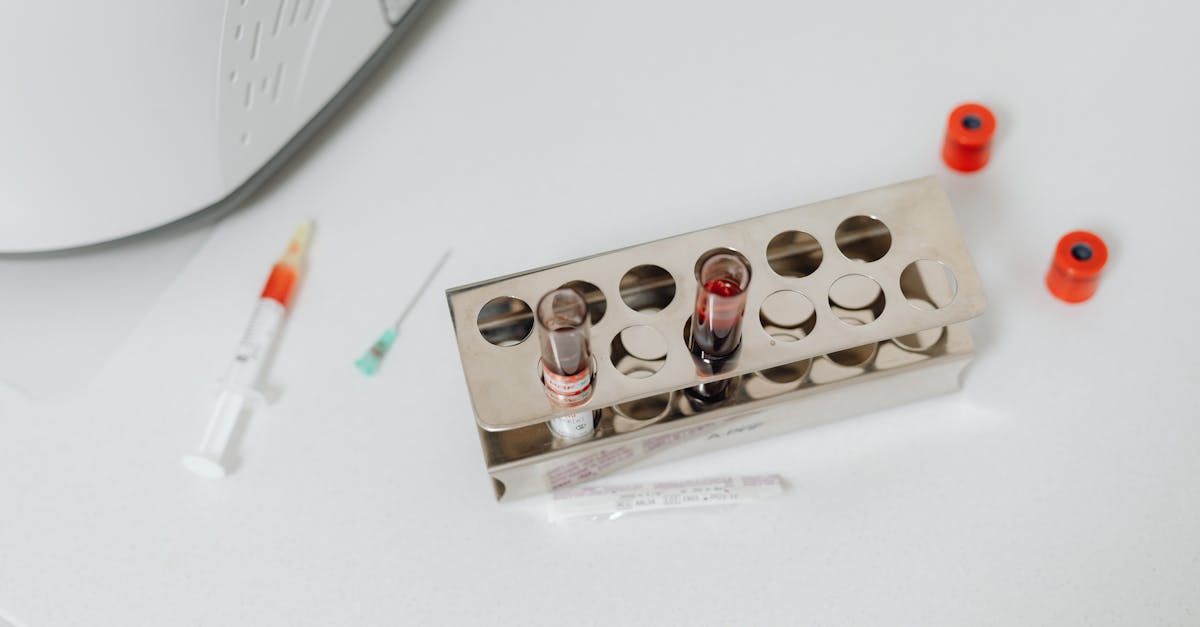
Testing is the only way to distinguish selenium deficiency from the conditions it mimics. Here's a practical lab panel:
| Lab Marker | What It Measures | Optimal Range |
|---|---|---|
| Serum selenium | Total circulating selenium | 120–150 µg/L |
| Selenoprotein P (SelP) | Functional selenium transport | >4.5 mg/L (lab-dependent) |
| Plasma GPx3 activity | Functional selenium-dependent antioxidant | Lab-specific reference range |
| Free T3 / Free T4 | Thyroid hormone conversion efficiency | Free T3: 3.1–4.5 pg/mL |
| TPO antibodies | Autoimmune thyroid activity | <35 IU/mL |
| Serum alpha-tocopherol | Vitamin E status | >30 µmol/L |
| OMEGA-3 Index | EPA + DHA in red blood cells | >8% |
| EGR-AC | Functional riboflavin status | <1.3 (lower = better) |
| Serum ferritin | Iron storage (co-deficiency marker) | 50–150 ng/mL |
| Zinc plasma | Frequently co-depleted with selenium | 70–120 µg/dL |
Note that a normal serum selenium level does not always indicate adequate function — selenoprotein P and GPx activity are more sensitive functional indicators, especially in early or borderline deficiency.
---
Root Causes of Selenium Deficiency
Understanding why you're deficient is as important as knowing the symptoms:
- Soil depletion: Low-selenium soils in parts of Europe, China, and New Zealand produce selenium-poor crops regardless of dietary variety.
- Low animal protein intake: Brazil nuts, seafood, and organ meats are the richest dietary sources; plant-based diets without intentional supplementation carry higher risk.
- Gastrointestinal malabsorption: Crohn's disease, celiac disease, and short bowel syndrome reduce selenium absorption.
- Chronic inflammation: Inflammatory conditions increase selenium turnover and demand.
- Thyroid disease itself: The thyroid gland has the highest selenium concentration per gram of any organ; active Hashimoto's and Graves' disease deplete selenium faster.
- Bariatric surgery: Post-surgical patients have documented selenium deficiency as a complication (NIH ODS, Selenium Fact Sheet for Health Professionals, updated 2023).
---
How Ones Addresses This
At Ones, your supplement formula is built from a combination of your blood work, wearable data, and health history — not a generic template. For users with low serum selenium, thyroid dysfunction markers, or elevated TPO antibodies, Ones can incorporate selenomethionine at 200 mcg, the bioavailable form used in the Gärtner et al. trial demonstrating significant reductions in TPO antibody levels in Hashimoto's patients over 9 months (European Journal of Endocrinology, 2002; PMID: 12401813).
Beyond selenium itself, Ones addresses the synergistic deficiency picture described in this article:
- Omega-3 (EPA/DHA): Included at clinically meaningful doses targeting an OMEGA-3 Index above 8%, with EPA and DHA ratios calibrated based on your inflammatory and cardiovascular markers. Learn more about clinical evidence for omega-3 EPA DHA supplementation.
- Magnesium Glycinate: Frequently co-depleted alongside selenium in thyroid and adrenal conditions; included in Ones' Magnesium Complex system blend at doses matching clinical sleep and nervous system research.
- Thyroid Support System Blend: Ones' proprietary Thyroid Support blend is designed to address the full nutritional ecosystem around thyroid hormone production and conversion — including selenium, zinc, and iodine cofactors — rather than isolated nutrient replacement.
Because formulas are capped at 6, 9, or 12 capsules, Ones' AI prioritizes the highest-impact interventions based on your specific lab data, so you're never taking broad-spectrum guesses at your gaps.
---
Key Takeaways
- Selenium deficiency is widespread but underdiagnosed because it is rarely included in standard blood panels; serum selenium plus selenoprotein P offers the most complete picture.
- Symptoms overlap with several other deficiencies — including vitamin E, omega-3, riboflavin, and biotin — making lab testing essential before attributing symptoms to selenium alone.
- Thyroid dysfunction is the most clinically significant consequence of selenium deficiency, specifically impaired T4→T3 conversion and elevated TPO antibodies in Hashimoto's patients.
- Root causes extend beyond diet — soil depletion, GI malabsorption, bariatric surgery, and chronic thyroid disease all independently increase deficiency risk.
- Selenomethionine at 200 mcg is the best-evidenced supplemental form, based on the Gärtner 2002 trial and subsequent meta-analyses confirming TPO antibody reduction.
- A personalized, lab-driven approach — like the formula Ones builds from your actual bloodwork — is more effective than guessing at doses, especially when multiple co-deficiencies are present simultaneously.