Minerals
Should Women Get Iron Tested?
Iron deficiency is the most prevalent nutritional deficiency worldwide, yet standard blood panels often miss it entirely. Up to 30% of women of reproductive age are iron-deficient without being anemic — meaning their hemoglobin looks normal while their ferritin, the real early-warning marker, is quietly bottoming out. If you're dealing with unexplained fatigue, hair shedding, or poor exercise recovery, iron testing may be the answer you've been waiting for.
Should Women Get Iron Tested?
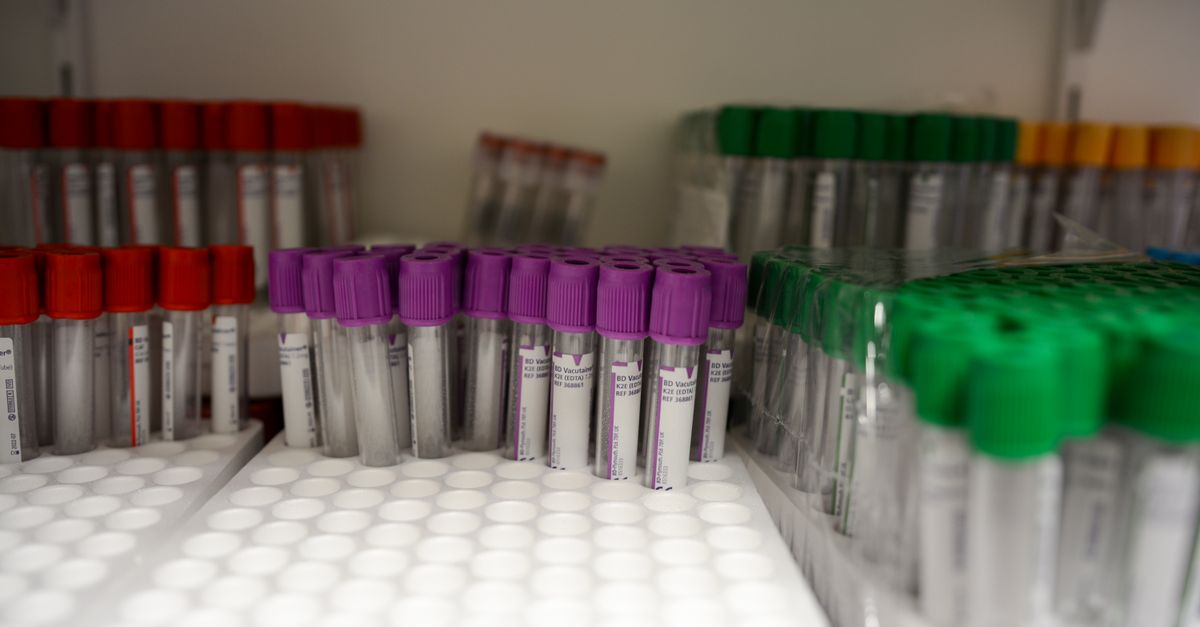
Yes — most women should get iron tested, and most standard panels don't go far enough. Iron deficiency without anemia is the most common nutritional deficiency in women of reproductive age, affecting an estimated 1 in 3 globally. The main caveat: a normal hemoglobin result does not rule it out. The exception is postmenopausal women, whose iron needs drop significantly and who should also screen for iron overload, not just depletion.
Why Iron Status Is Especially Important for Women
Biological sex creates a persistent gap in iron stores. Menstruation alone accounts for roughly 15–30 mg of iron lost per cycle, and that loss compounds across years of reproductive life. Pregnancy demands an additional 1,000 mg over nine months to support fetal development and expanded maternal blood volume (WHO Technical Report Series, 2001). Athletes, vegetarians, and women with heavy periods face even steeper deficits.
Iron is a cofactor in hemoglobin synthesis, mitochondrial energy production, thyroid hormone metabolism, and dopamine synthesis. When stores fall — even before hemoglobin drops — cognitive performance, thermoregulation, and aerobic capacity begin to slip. A 2012 randomized controlled trial in 198 non-anemic women with low ferritin found that iron supplementation significantly improved fatigue, concentration, and overall wellbeing compared to placebo (Vaucher et al., BMJ Open 2012; PMID: 22885591).
That trial is important because the participants were not anemic. Their hemoglobin was normal. Without ferritin testing, every one of them would have been sent home with a clean bill of health.
For women wondering about other foundational markers often missed on routine panels, checking ferritin alongside other key labs gives a fuller picture of iron status than a hemoglobin reading alone.
Which Iron Labs Actually Matter — and What the Numbers Mean
A complete iron panel is more informative than a single marker. Here's what each test measures and what ranges to watch:
| Marker | What It Measures | Optimal Range (Women) | Notes |
|---|---|---|---|
| Ferritin | Iron storage protein | 30–100 ng/mL | Best early indicator of depletion; <12 is deficient, <30 is suboptimal |
| Serum Iron | Circulating iron | 60–170 mcg/dL | Fluctuates with recent meals; use with TIBC |
| TIBC | Transport capacity | 240–450 mcg/dL | Rises when iron is low; reflects transferrin saturation |
| Transferrin Saturation | % of transferrin carrying iron | 20–45% | <20% suggests functional deficiency; >45% raises overload concern |
| Hemoglobin | Oxygen-carrying protein | >12 g/dL | Late-stage marker; normal hemoglobin ≠ adequate iron |
| Reticulocyte Hgb | Iron available to new RBCs | >28 pg | Sensitive early marker, often missed on basic panels |
Many functional medicine practitioners now consider a ferritin below 30 ng/mL clinically significant, even when hemoglobin remains normal. A large observational study in the American Journal of Clinical Nutrition found that women with ferritin below 20 ng/mL scored significantly lower on cognitive speed and attention tasks than those with adequate stores (Murray-Kolb & Beard, AJCN 2007; PMID: 17209186).
Heme Iron for Women: Does the Source of Iron Matter?
Not all dietary iron is absorbed equally. Heme iron — found in red meat, poultry, and fish — is absorbed at roughly 15–35%, while non-heme iron from plants and most supplements is absorbed at only 2–20% depending on gut conditions and enhancers like vitamin C (Hallberg et al., American Journal of Clinical Nutrition 1989; PMID: 2492748). This gap has real consequences.
Heme iron for women is particularly relevant for vegetarians and vegans, who rely entirely on non-heme sources and have been shown in multiple studies to have lower mean ferritin levels than omnivores — even when total dietary iron intake looks adequate on paper. A systematic review published in Nutrients found vegetarian women had significantly lower ferritin concentrations than non-vegetarians despite similar total iron intakes (Haider et al., Nutrients 2018; PMID: 29364170).
For women who supplement, the form of iron also matters. Ferrous bisglycinate (iron glycinate) is a chelated form that research suggests is better tolerated and better absorbed than ferrous sulfate, with fewer GI side effects — an important consideration given that constipation and nausea are the most common reasons women stop taking iron supplements.
Practical dietary strategies to improve non-heme iron absorption:
- Pair plant-based iron sources (lentils, spinach, tofu) with vitamin C-rich foods (bell peppers, citrus, broccoli)
- Avoid coffee and tea within 60 minutes of iron-rich meals — tannins block absorption by up to 60%
- Cook in cast iron — a modest but real effect on dietary iron content of acidic foods
- Separate calcium supplementation from iron by at least two hours
- Include a small amount of heme iron protein alongside plant sources when dietary restrictions allow
How Inflammation Masks Iron Deficiency on Standard Tests
One complication that even many clinicians underestimate: inflammation artificially raises ferritin, making iron stores look adequate when they are not. Ferritin is an acute-phase reactant — it rises in response to infection, autoimmune flares, metabolic syndrome, and chronic stress regardless of actual iron stores.
A woman with chronic low-grade inflammation and genuinely low iron stores may test with ferritin in the normal range. This is called functional iron deficiency, and it requires pairing ferritin with C-reactive protein (CRP) to interpret correctly. If CRP is elevated, ferritin loses much of its diagnostic value as a standalone marker.
This is one reason getting a CRP test alongside iron markers can clarify whether a borderline ferritin result reflects true iron status or inflammatory interference. Women with conditions like PCOS, thyroid autoimmunity, or persistent fatigue benefit especially from interpreting iron in this broader context.
Who Should Prioritize Iron Testing — and When
Not every woman needs a full iron panel every year, but certain groups have a particularly strong case:
- Women with heavy menstrual bleeding (menorrhagia): blood loss exceeding 80 mL per cycle correlates strongly with ferritin depletion
- Pregnant women or those planning pregnancy: iron demand triples in the second and third trimesters
- Endurance athletes and active women: foot-strike hemolysis and sweat losses add to baseline demand
- Vegetarians and vegans: exclusive reliance on non-heme iron increases risk even with adequate caloric intake
- Women with fatigue, hair loss, or brain fog without clear cause: these are the three most consistent early symptoms of low ferritin
- Women with PCOS or thyroid dysfunction: both conditions are linked to altered iron metabolism; exploring whether iron status affects PCOS symptoms is a reasonable clinical step
- Perimenopausal women: menstrual irregularity during this transition creates unpredictable iron losses; for context on what iron can and cannot address during this phase, understanding iron's role in perimenopause is worth reviewing
Timing matters less for iron than for hormonal markers — serum iron fluctuates through the day (it's highest in the morning), so morning fasting draws are preferred, but ferritin is relatively stable across the cycle and can be drawn at any time.
Contrast this with hormonal markers like LH and FSH, which are highly cycle-dependent — knowing when in your cycle to test LH is a different and more nuanced question.
What This Means for Your Formula
Iron supplementation is one area where personalization is not optional — it is the point. Too little iron leaves you fatigued and cognitively dulled; too much promotes oxidative stress and can worsen cardiovascular risk. The Institute of Medicine's tolerable upper intake for adults is 45 mg/day, and iron should only be supplemented when deficiency is confirmed by lab values.
Ones approaches iron as part of a complete picture. The AI practitioner analyzes ferritin, transferrin saturation, hemoglobin, and inflammatory markers together before considering iron-related support. Because Ones builds custom capsule formulas rather than off-the-shelf multis, it can calibrate iron inclusion precisely — and choose to omit it entirely for women whose labs show adequate or elevated stores.
For women whose panels reveal suboptimal ferritin alongside poor absorption markers, Ones formulas can incorporate vitamin C (in the form of its C Boost system blend, which supports iron co-absorption) and address co-existing nutrient depletions that affect iron utilization — including B12, folate, and vitamin D3. Research confirms that vitamin D deficiency impairs iron absorption at the intestinal level, which is why optimizing D status often improves iron repletion outcomes (Smith et al., Nutrients 2018; PMID: 29373532). Women navigating both of these gaps should consider whether vitamin D testing belongs on the same panel as their iron workup.
Ones also stocks Magnesium Complex, relevant here because magnesium deficiency impairs erythropoiesis — the production of red blood cells — adding another layer to fatigue that can look clinically identical to iron deficiency. Treating iron alone when both are low produces partial results at best.
Key Takeaways
- Hemoglobin alone is not enough: normal hemoglobin does not rule out iron deficiency; ferritin below 30 ng/mL is clinically meaningful even without anemia
- Women lose far more iron than men: menstruation, pregnancy, and athletic activity create ongoing deficits that make iron testing a higher priority for women across most of the lifespan
- Heme iron is absorbed 3–5× more efficiently than non-heme iron: plant-based eaters face greater risk and benefit most from strategic dietary pairing and form-optimized supplementation
- Inflammation masks ferritin results: always interpret ferritin alongside CRP — an elevated CRP can make low iron stores appear normal
- Iron supplementation should follow confirmed deficiency: supplementing without lab evidence carries real risks including oxidative stress and GI harm; test before you treat
- Personalized formulas calibrate for your actual iron status: platforms like Ones analyze the full iron panel before including or omitting iron-related support, rather than relying on population-level dosing in a one-size-fits-all multi