Personalization
Supplement Stacking Guide: How to Combine Supplements Safely
Most people taking multiple supplements are either doubling up on the same nutrient without knowing it or missing the synergistic pairs that could dramatically improve absorption and effect. Understanding supplement stacking — which combinations enhance each other, which compete, and which flat-out interact — is the difference between wasting money and actually moving the needle on your health markers.
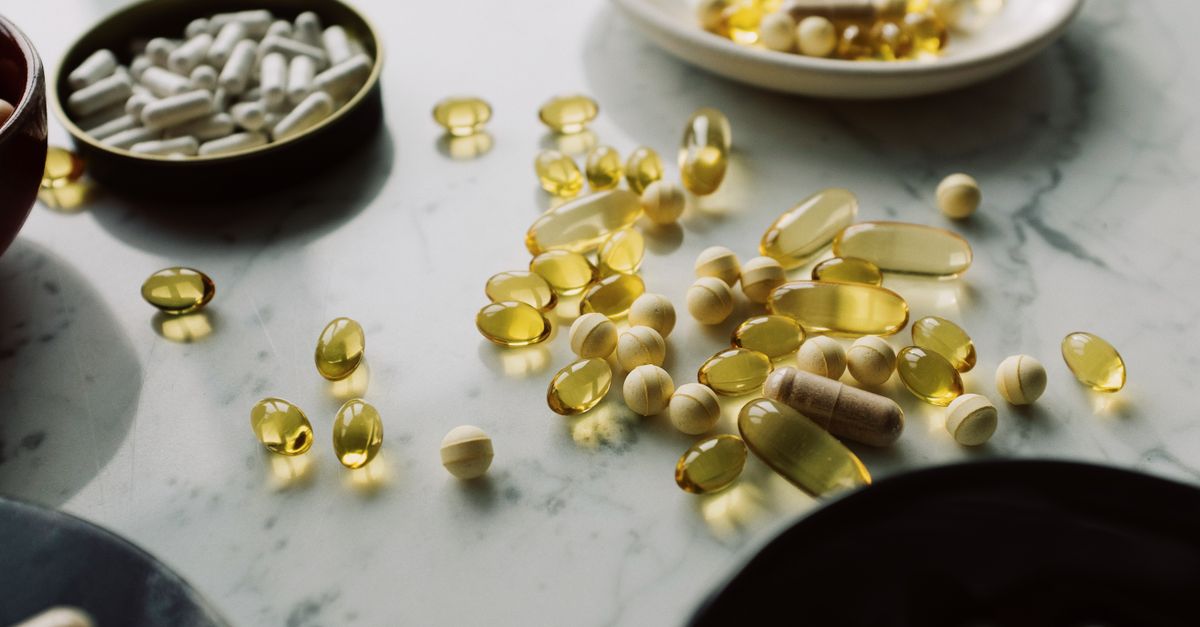
Supplement Stacking Guide: How to Combine Supplements Safely and Effectively
Taking a handful of supplements every morning feels proactive. But if you've ever wondered whether those capsules are working together or quietly canceling each other out, you're asking exactly the right question. Supplement stacking — the intentional combination of two or more supplements to achieve a specific health outcome — is one of the most powerful tools in personalized nutrition. It's also one of the most misunderstood.
The global dietary supplement market exceeded $177 billion in 2023, and surveys consistently find that more than half of American adults take at least one supplement daily. A significant portion take five or more. Yet most people build their stacks by combining whatever they've seen on social media, read in a forum, or found discounted at a big-box store. The result is often redundant dosing, poor bioavailability, or — in some cases — genuinely problematic interactions.
This guide covers the science of supplement synergy, the interactions you need to respect, and the frameworks that separate a thoughtful, effective stack from a random pile of capsules.
---
What Is Supplement Stacking and Why Does It Matter?
A supplement stack is any combination of vitamins, minerals, botanical extracts, or other bioactive compounds taken together with an intention. That intention might be improving sleep, supporting cardiovascular health, reducing inflammation, or building muscle. The word "stacking" implies strategy: you're not just taking supplements, you're designing a system.
The science behind stacking rests on three core concepts:
- Synergy — two nutrients produce a combined effect greater than either alone
- Complementarity — two nutrients address the same goal through different mechanisms, broadening coverage
- Antagonism — two nutrients compete for absorption, receptor binding, or metabolic pathways, reducing the effectiveness of one or both
Understanding which of these dynamics applies to your specific combination is the whole game. Getting it right can mean the difference between a supplement routine that measurably moves your biomarkers and one that simply adds expense to your morning routine.
Research into multi-ingredient formulations has grown substantially over the past decade. A 2012 review in the American Journal of Clinical Nutrition documented that co-administration of vitamin D3 with dietary fat meaningfully increased 25(OH)D serum levels compared to fat-free administration — a simple reminder that even how you take supplements matters (Dawson-Hughes et al., Am J Clin Nutr 2015; PMID: 25527765).
---
Supplement Combinations That Are Clinically Validated
Not all "stacks" are created equal. The combinations below have genuine mechanistic rationale and, in most cases, controlled clinical evidence supporting them.
Vitamin D3 + K2 (MK-7)
This is arguably the most well-supported two-ingredient pairing in the supplement literature. Vitamin D3 upregulates the production of calcium-binding proteins including osteocalcin and matrix GLA protein (MGP). Both proteins require vitamin K2 in the form of MK-7 to become biologically active (carboxylated). Without adequate K2, uncarboxylated osteocalcin accumulates — a marker associated with poor bone mineralization — and MGP cannot prevent vascular calcification.
A randomized controlled trial published in Thrombosis and Haemostasis found that supplementation with MK-7 (180 mcg/day for three years) significantly reduced arterial stiffness in postmenopausal women compared to placebo, with the greatest benefit seen in women with the most uncarboxylated MGP at baseline (Knapen et al., Thromb Haemost 2015; PMID: 25694037). The mechanistic case for pairing D3 with MK-7 rather than K1 is that MK-7 has a half-life of approximately 72 hours versus K1's 1–2 hours, providing more sustained carboxylation activity.
Magnesium + Vitamin D
Approximately 50% of Americans fail to meet the Estimated Average Requirement for magnesium (NIH Office of Dietary Supplements, 2022). What's less commonly understood is that magnesium is a cofactor for the enzyme that converts vitamin D into its active 1,25-dihydroxy form. Supplementing vitamin D without adequate magnesium may yield persistently suboptimal 25(OH)D levels despite sufficient dose.
A cross-sectional analysis of NHANES data published in The American Journal of Clinical Nutrition found that higher magnesium intake was independently associated with reduced risk of vitamin D deficiency and insufficiency, and that the relationship between vitamin D supplementation and serum 25(OH)D was modified significantly by magnesium status (Deng et al., Am J Clin Nutr 2013; PMID: 23719549). This makes magnesium a foundational co-supplement for anyone already taking vitamin D.
Omega-3 Fatty Acids + CoQ10/Ubiquinol
EPA and DHA from marine sources address cardiovascular health through several pathways: reducing triglycerides, modestly lowering blood pressure, decreasing platelet aggregation, and reducing inflammatory eicosanoid production. CoQ10 — particularly in its reduced ubiquinol form — supports mitochondrial energy production and acts as a fat-soluble antioxidant concentrated in LDL particles and cardiac tissue.
The combination is relevant because statin therapy — commonly prescribed alongside cardiovascular supplementation — depletes CoQ10 by blocking the mevalonate pathway that produces both cholesterol and ubiquinone. A meta-analysis of 12 randomized controlled trials found that CoQ10 supplementation significantly reduced statin-associated muscle symptoms (Qu et al., J Am Heart Assoc 2018; PMID: 30371340). For anyone using supplements for cholesterol management, ensuring CoQ10 is part of the stack is clinically rational.
Zinc + Vitamin C
Both nutrients support immune function through distinct mechanisms. Zinc modulates T-cell differentiation and natural killer cell activity, and acts as a structural component in over 300 enzymatic reactions. Vitamin C, beyond its antioxidant role, regenerates other antioxidants and supports barrier function of epithelial cells. The combination has been studied specifically in the context of upper respiratory infections.
A Cochrane review of vitamin C supplementation found that regular supplementation reduced the duration of cold symptoms in adults by approximately 8%, with higher doses (≥1g/day) showing stronger effects in subgroups under heavy physical stress (Hemilä & Chalker, Cochrane Database 2013; PMID: 23440782). Zinc lozenges delivering ≥75 mg/day of elemental zinc within 24 hours of symptom onset reduced cold duration by an average of 33% in a separate meta-analysis. Together, these nutrients provide complementary — not redundant — immune support.
---
Understanding Supplement Synergy: The Science Behind Why Some Combos Work
Synergy in supplementation isn't just about two nutrients doing similar things. True synergy occurs when the presence of one nutrient changes the pharmacokinetics, pharmacodynamics, or downstream signaling of another. Here are the mechanisms most commonly responsible:
Absorption Enhancement
Piperine — the active alkaloid in black pepper extract — is the canonical example. Piperine inhibits glucuronidation and P-glycoprotein-mediated drug efflux in the intestinal epithelium, dramatically slowing the metabolism of curcumin. The landmark study by Shoba et al. demonstrated that 20 mg of piperine increased curcumin bioavailability by 2,000% in humans (Shoba et al., Planta Med 1998; PMID: 9619120). This is why curcumin products without piperine deliver a fraction of the labeled dose to circulation.
Fat-soluble vitamins (A, D, E, K) and carotenoids require dietary fat for micellar solubilization before absorption via enterocytes. Taking these supplements with a meal containing at least 10–15 grams of fat consistently improves serum levels relative to fasted administration.
Cofactor Relationships
Many enzymatic reactions require multiple micronutrients simultaneously. The methylation cycle — critical for DNA repair, neurotransmitter synthesis, and homocysteine clearance — requires B12, folate (as methylfolate), B6, and riboflavin at multiple steps. Supplementing only B12 or only folate in someone with elevated homocysteine may produce partial benefit; all four cofactors are needed for the cycle to operate efficiently.
Redox Recycling
Vitamin C regenerates vitamin E (alpha-tocopherol) after it has quenched a lipid peroxide radical, restoring it to its active antioxidant form. This recycling relationship means that in oxidative stress contexts, C and E are genuinely synergistic — not merely additive. CoQ10 participates in a similar recycling network alongside vitamin E.
Receptor-Level Cooperation
Adaptogenic botanicals like ashwagandha (KSM-66) and rhodiola rosea act through partially overlapping but distinct mechanisms. Ashwagandha's withanolides modulate GABA-A receptor activity and suppress the HPA axis's cortisol output, while rhodiola's salidroside and rosavin compounds activate stress-response pathways via AMPK and influence serotonin/dopamine ratios. Used together at appropriate doses, they address stress physiology from complementary angles — which is why they appear together in supplement stacks designed for high-stress professionals.
---
How to Stack Supplements Safely: Interactions You Must Know
Every mechanism that creates synergy can also create problems when misapplied. The most important interactions to understand before building any stack fall into four categories.
Competitive Absorption: Minerals That Block Each Other
Divalent cations — zinc, iron, calcium, and magnesium — share intestinal transporters (primarily DMT-1 and others in the ZIP family). High doses of any one can competitively inhibit absorption of the others. This is clinically significant:
- Iron (≥25 mg elemental) taken simultaneously with zinc substantially reduces zinc absorption. Separate by at least two hours, or take iron-rich meals and zinc supplements at different times of day.
- Calcium supplements at doses of 500 mg or more reduce iron absorption by up to 50% when taken simultaneously. For anyone managing iron-deficiency anemia, calcium should be taken at a different meal.
- High-dose zinc (>50 mg/day chronically) can induce copper deficiency by upregulating metallothionein in intestinal cells, which sequesters copper before it can be absorbed.
Fat-Soluble Vitamin Accumulation
Vitamins A, D, E, and K are stored in adipose tissue and the liver, not readily excreted. Unlike water-soluble vitamins, excess intake accumulates over time. Hypervitaminosis A (typically from preformed retinol, not beta-carotene) can cause hepatotoxicity at doses exceeding 10,000 IU/day long-term. Vitamin D toxicity — characterized by hypercalcemia — is rare from food and sun but has been documented with supplement doses exceeding 10,000 IU/day for extended periods without monitoring.
If you're stacking a multivitamin with individual fat-soluble vitamin supplements, audit your total dose across all products before assuming more is better.
Herb-Drug and Herb-Supplement Interactions
Botanical supplements are biologically active. Several have clinically documented interactions:
- St. John's Wort is a potent inducer of CYP3A4 and P-glycoprotein. It reduces plasma levels of statins, oral contraceptives, anticoagulants, and many other medications. It should not be combined with prescription drugs without physician oversight.
- Ginkgo biloba and high-dose omega-3s both inhibit platelet aggregation. Combined with anticoagulants like warfarin or antiplatelet drugs, they can increase bleeding risk meaningfully.
- High-dose vitamin E (>400 IU/day of alpha-tocopherol) also inhibits platelet aggregation and may potentiate anticoagulants.
If you're on prescription medications, any botanical additions to your stack should be reviewed against known CYP450 and P-glycoprotein interaction tables — or reviewed by a pharmacist.
Stimulant Load: Caffeine, Adaptogens, and the HPA Axis
Caffeine — present in many pre-workout and nootropic stacks — elevates cortisol acutely by stimulating the HPA axis. Combining high-dose caffeine with stimulating adaptogens like high-dose ginseng can create an overstimulation pattern that disrupts sleep and paradoxically worsens HPA dysregulation over time. Ashwagandha at clinical doses (600 mg KSM-66) tends to blunt this pattern by lowering baseline cortisol, but it doesn't fully counteract excessive stimulant intake.
| Combination | Interaction Type | Practical Guidance |
|---|---|---|
| Iron + Calcium | Competitive absorption | Separate by ≥2 hours |
| Iron + Zinc | Competitive absorption | Separate by ≥2 hours |
| High-dose Zinc + Copper | Copper depletion via metallothionein | Add 1–2 mg copper if taking >40 mg zinc/day |
| Vitamin D3 + K2 | Synergistic (calcium regulation) | Take together with fat-containing meal |
| Omega-3 + Vitamin E | Synergistic (antioxidant recycling) | Dose E within normal range (<200 IU/day) |
| St. John's Wort + Statins | CYP3A4 induction (reduces statin levels) | Avoid combination without physician approval |
| Ginkgo + Anticoagulants | Additive platelet inhibition | High bleeding risk — requires physician review |
| Magnesium + Vitamin D | Synergistic (cofactor for D activation) | Take together; prioritize glycinate or malate forms |
---
Best Supplement Combinations by Health Goal
Building a stack around a specific outcome — rather than just taking everything you think might be good — is the principle that separates effective supplementation from expensive trial and error. Below are evidence-informed stacks for common goals.
Cognitive Performance and Focus
The most studied combination for cognitive support includes:
- Bacopa monnieri (300–450 mg standardized to 55% bacosides): A systematic review of nine RCTs found consistent improvements in memory acquisition and retention, with effects building over 8–12 weeks (Kongkeaw et al., J Ethnopharmacol 2014; PMID: 24252493).
- Lion's Mane mushroom (500–1,000 mg): Supports nerve growth factor (NGF) synthesis, with animal and small human trials suggesting benefit in mild cognitive decline.
- Phosphatidylserine (100–300 mg): An FDA-qualified health claim exists for phosphatidylserine and cognitive function based on studies showing slowed age-related cognitive decline.
- Omega-3 (DHA-dominant): DHA is structurally essential for neuronal membrane integrity and synaptic plasticity.
For a deeper look at how supplement combinations support cognitive performance in ADHD and attention contexts, see best supplements for ADHD in adults.
Cardiovascular and Cholesterol Management
- Omega-3 EPA/DHA (2–4g/day of combined EPA+DHA for triglyceride reduction)
- CoQ10/Ubiquinol (200 mg/day, particularly for statin users)
- Berberine (500 mg 2–3x daily): Activates AMPK and has demonstrated LDL-lowering effects comparable to low-dose statins in some trials, though with a different mechanism
- Plant sterols (1.5–3g/day with meals): FDA-approved qualified health claim for reducing LDL cholesterol by competing with dietary and biliary cholesterol for intestinal absorption
For a comprehensive breakdown of how individual nutrients affect the cholesterol ratio specifically, the article on what supplements affect cholesterol ratio provides lab-backed dosing details.
Stress Resilience and Cortisol Management
- Ashwagandha KSM-66 (600 mg/day): Reduced serum cortisol by 27.9% vs. placebo in a 60-day double-blind RCT in chronically stressed adults (Chandrasekhar et al., Indian J Psychol Med 2012; PMID: 23439798)
- Rhodiola Rosea (200–400 mg standardized to 3% rosavins/1% salidroside)
- Magnesium glycinate (300–400 mg): Magnesium depletion is accelerated by chronic stress via increased renal excretion; supplementation supports HPA axis regulation
- Phosphatidylserine (300–400 mg): Blunts ACTH and cortisol responses to exercise-induced stress in clinical research
- B-complex: B vitamins are cofactors in catecholamine synthesis and methylation; chronic stress depletes them
The relationship between these nutrients and stress biomarkers is explored in detail in the supplement stack for high-stress professionals.
Musculoskeletal and Joint Health
- Collagen peptides (10–15g/day with vitamin C): Vitamin C is required for collagen cross-linking; co-administration 30–60 minutes before loading exercise may improve collagen synthesis in tendons
- Vitamin D3 + K2: Critical for bone mineralization and calcium routing
- Magnesium: Required for over 300 enzymatic reactions including those involved in muscle contraction and protein synthesis
- Omega-3 EPA/DHA: Reduce joint inflammation via competitive inhibition of arachidonic acid metabolism
Sleep and Recovery
- Magnesium glycinate (300–400 mg before bed): Glycinate chelation improves absorption and the glycine component has independent sleep-promoting effects via NMDA receptor modulation
- Ashwagandha KSM-66 (300–600 mg): A 2019 RCT found significant improvements in sleep quality scores and sleep onset latency in subjects with insomnia symptoms (Langade et al., Cureus 2019; PMID: 31728244)
- L-theanine (200 mg): Promotes alpha wave activity without sedation; works synergistically with magnesium at the GABA/NMDA level
- Zinc: Low zinc status is associated with reduced sleep duration in epidemiological data
---
Common Stacking Mistakes That Undermine Your Results
Even with good intentions, most self-built supplement stacks contain one or more of these structural errors:
Mistake 1: Ignoring Bioavailability Forms
The chemical form of a nutrient is not interchangeable. Magnesium oxide has roughly 4% bioavailability compared to 80%+ for magnesium glycinate or malate. Cheap zinc sulfate is far less absorbed than zinc picolinate or zinc bisglycinate. Cyanocobalamin (the most common B12 form in mass-market supplements) requires enzymatic conversion to methylcobalamin before use — a step that's impaired in people with MTHFR variants.
Buying the cheapest form of a nutrient is often the same as buying very little of it.
Mistake 2: Ignoring Total Daily Load Across Multiple Products
If you're taking a multivitamin, a B-complex, and an immune blend, you may be getting three separate doses of zinc, three doses of B6, and three doses of vitamin A without realizing it. B6 toxicity (peripheral neuropathy) has been documented with chronic supplemental intake exceeding 100 mg/day — a level reachable by combining multiple products. Auditing your full stack for aggregate intake is non-negotiable.
Mistake 3: Static Stacks in a Dynamic Body
Your nutrient status changes. A vitamin D level that was insufficient in January may normalize by July with supplementation. Iron that was low before pregnancy may need re-evaluation postpartum. Taking the same stack for years without lab-based reassessment means you're flying blind — possibly over-supplementing one nutrient while remaining deficient in another.
Mistake 4: Timing Neglect
Timing isn't secondary — it's part of the dose. Fat-soluble vitamins taken without fat won't absorb properly. Iron taken with calcium won't absorb properly. Stimulating adaptogens (ginseng, high-dose rhodiola) taken before bed can disrupt sleep. Magnesium and L-theanine work best close to sleep time. Building a timing protocol into your stack is as important as selecting the ingredients.
| Supplement | Best Timing | Reason |
|---|---|---|
| Fat-soluble vitamins (A, D, E, K) | With largest meal | Require dietary fat for micellar absorption |
| Magnesium glycinate | 1 hour before bed | Promotes sleep onset; glycine is calming |
| Iron (standalone) | Morning, fasted or with vitamin C | Avoid co-administration with calcium and zinc |
| Omega-3 | With fat-containing meal | Reduces fishy aftertaste; improves absorption |
| Ashwagandha KSM-66 | Morning or midday | Cortisol-modulating; can be activating for some |
| CoQ10/Ubiquinol | With fat-containing meal | Fat-soluble; afternoon timing avoids sleep disruption |
| B-complex | Morning with food | B6/B12 can be mildly stimulating; morning avoids sleep interference |
| Zinc | Evening, away from calcium/iron | Reduces competition; some evidence for nighttime immune activity |
Mistake 5: Copying Someone Else's Stack
Influencer-driven stacking is one of the most pervasive problems in the supplement space. A 25-year-old athlete's stack is not appropriate for a 50-year-old with thyroid disease. A stack optimized for someone with high oxidative stress markers may be overkill — or even counterproductive — for someone without that phenotype. Stacking should be personalized to your biology, your lab markers, and your current health context.
This is the foundational problem that personalized supplement services are designed to solve — replacing blanket supplementation with formulas derived from actual biomarker data.
---
How to Build Your Own Evidence-Based Stack: A Framework
If you're designing a stack from scratch — or auditing the one you already have — use this structured approach:
Step 1: Start with Lab Data
Identify actual deficiencies or insufficiencies (not assumed ones) through blood work. At minimum, a useful panel includes: 25(OH)D (vitamin D), ferritin and transferrin saturation (iron status), CBC with differential, comprehensive metabolic panel, fasting lipids, HbA1c, magnesium (serum and ideally RBC), TSH with free T3/T4, and hs-CRP. Wearable data (HRV, resting heart rate, sleep staging) adds a second layer of signal about recovery, stress resilience, and metabolic health.
Step 2: Define a Hierarchy of Goals
Identify your primary goal (e.g., "reduce fasting triglycerides from 210 to <150") and secondary goals (e.g., "improve sleep quality"). Build the core of your stack around the primary goal, then add complementary layers for secondary goals — always checking that additions don't conflict with the foundation.
Step 3: Identify Synergies and Conflicts
For each ingredient you're considering, ask:
- Does it enhance the absorption or effect of anything else in my stack?
- Does it compete with anything else in my stack?
- Does it interact with any medications I take?
- Is my intended form and dose aligned with the clinical literature?
Step 4: Calculate Total Nutrient Load
List every supplement you take and record the dose of every active ingredient across all products. Sum them. Compare totals to tolerable upper intake levels (ULs) from the NIH Office of Dietary Supplements for nutrients with known toxicity risk.
Step 5: Build a Timing Protocol
Group your supplements by optimal timing window: morning with food, midday with food, evening with food, and bedtime. Separate competitive minerals by at least two hours. Schedule fat-solubles with your largest fat-containing meal.
Step 6: Reassess at 90 Days
Almost no supplement produces measurable changes in a week. The clinical trials that show meaningful outcomes generally run 8–12 weeks minimum. Commit to 90 days, then retest the lab markers that motivated the stack. Adjust based on where you actually moved.
---
What This Means for Your Formula
Ones takes the framework above — lab data, goal hierarchy, synergy mapping, bioavailability optimization, and timing — and executes it systematically through AI analysis of your blood work, wearable data, and health history.
For example, someone presenting with low 25(OH)D, elevated hs-CRP, and poor HRV data from their wearable would likely see their Ones formula include Vitamin D3 + K2 (MK-7) at clinically relevant doses, with the D3 and K2 co-formulated to leverage the carboxylation synergy described above. The same person with poor sleep metrics might also receive Magnesium Glycinate — dosed at the range shown to improve sleep quality in clinical research — and potentially Ashwagandha KSM-66 at 600 mg, the dose validated in the Chandrasekhar cortisol study (PMID: 23439798).
For cardiovascular markers, Ones incorporates Omega-3 (EPA/DHA) and CoQ10/Ubiquinol at 200 mg — not because these are default additions, but because they're indicated by specific lipid and energy metabolism signals in the user's data. The formula is built to capsule budget constraints (6 or 9 capsules daily, determined by the AI based on findings) and ingredients are selected from a curated catalog of approximately 70 clinically validated actives, including 18 proprietary system support blends covering areas like Adrenal Support, Liver Support, and Heart Support.
The key distinction from building your own stack: the system reads your actual biomarkers, applies synergy and conflict logic algorithmically, and produces a single consolidated formula — eliminating the overlap, competition, and timing complexity that typically plague self-built stacks.
---
Key Takeaways
- Supplement stacking is a strategy, not a shopping list. Effective stacks are built around specific health goals informed by lab data, not assembled from trendy products or social media recommendations.
- True synergy is mechanistic. D3+K2, magnesium+D3, omega-3+CoQ10, and vitamin C+E are validated pairings with documented biochemical rationale — not just marketing claims.
- Competitive mineral interactions are real and dose-dependent. Iron, calcium, zinc, and magnesium compete for absorption at high doses. Separate them by at least two hours and audit your total daily intake across all products.
- Bioavailability form matters as much as dose. Magnesium oxide, zinc sulfate, and cyanocobalamin are inferior forms that deliver a fraction of labeled potency. Prioritize glycinate, picolinate, and methylated forms where available.
- Timing is part of the protocol. Fat-soluble vitamins need fat; stimulating adaptogens belong in the morning; magnesium and L-theanine work best near sleep time. Build a timing schedule as deliberately as you build the stack itself.
- Reassess with labs, not feelings. Commit to 90 days and retest the biomarkers that prompted the stack. Effective supplementation leaves a measurable trail in your bloodwork.