Stress & Adrenal
Supplements for Adrenal Fatigue: Likely Root Causes and the Lab Markers Worth Checking
Up to 67% of adults report persistent fatigue that disrupts daily function, yet conventional panels rarely check the cortisol patterns, nutrient depletions, and blood sugar dysregulation that drive it. If you've been told your labs are 'normal' but still feel exhausted, wired-but-tired, and unable to recover, the problem likely isn't a single missing supplement — it's a cascade of interlinked dysfunctions that require a more systematic approach.
Supplements for Adrenal Fatigue: Likely Root Causes and the Lab Markers Worth Checking
Persistent, unrelenting fatigue that doesn't improve with sleep is one of the most common complaints in modern medicine — and one of the most underinvestigated. The term "adrenal fatigue" is used colloquially to describe a spectrum of symptoms including morning exhaustion, afternoon energy crashes, salt cravings, brain fog, poor stress resilience, and disrupted sleep. While the clinical term "adrenal fatigue" remains debated in endocrinology, Hypothalamic-Pituitary-Adrenal (HPA) axis dysregulation is a well-documented phenomenon, and the nutrient depletions and co-occurring dysfunctions that accompany it are measurable and addressable.
This article walks through the most likely root causes of HPA-axis-related exhaustion, the specific lab markers worth requesting, and the evidence-based supplements shown to support recovery — including why addressing adrenal health in isolation often misses the bigger picture.
Understanding HPA Axis Dysregulation: What the Research Actually Shows
The adrenal glands produce cortisol in response to signals from the hypothalamus and pituitary gland. Under chronic stress — whether from psychological pressure, poor sleep, blood sugar instability, or systemic inflammation — this axis can lose its normal diurnal rhythm. Instead of peaking sharply in the morning and declining through the day, cortisol may become blunted, flattened, or inverted.
A 2014 review published in Fatigue: Biomedicine, Health & Behavior by Cadegiani and Kater examined the evidence around HPA dysfunction in non-Addisonian patients and found that while frank adrenal insufficiency was rare, measurable HPA axis blunting — characterized by low morning cortisol, reduced DHEA-S, and altered Cortisol Awakening Response (CAR) — was common in chronically stressed individuals (Cadegiani & Kater, Fatigue, 2016; doi.org/10.1080/21641846.2016.1220696).
Lab Markers Worth Requesting
If you suspect HPA axis dysfunction, the following markers provide meaningful clinical context:
| Lab Marker | Optimal Range | What It Reveals |
|---|---|---|
| 4-point salivary cortisol | Morning: 13–24 nmol/L | Diurnal cortisol rhythm, CAR |
| DHEA-S | Age-adjusted; typically 150–300 µg/dL in adults | Adrenal reserve |
| Fasting glucose | 70–85 mg/dL | Blood sugar regulation |
| Fasting insulin | < 5 µIU/mL | Insulin sensitivity |
| hsCRP | < 1.0 mg/L | Systemic inflammation |
| Ferritin | 50–100 ng/mL | Iron stores, mitochondrial health |
| Vitamin D (25-OH) | 40–60 ng/mL | Immune-adrenal axis |
| Free T3 / Reverse T3 | FT3: 3.0–4.2 pg/mL | Thyroid-adrenal interaction |
| Magnesium (RBC) | 5.2–6.5 mg/dL | Intracellular magnesium |
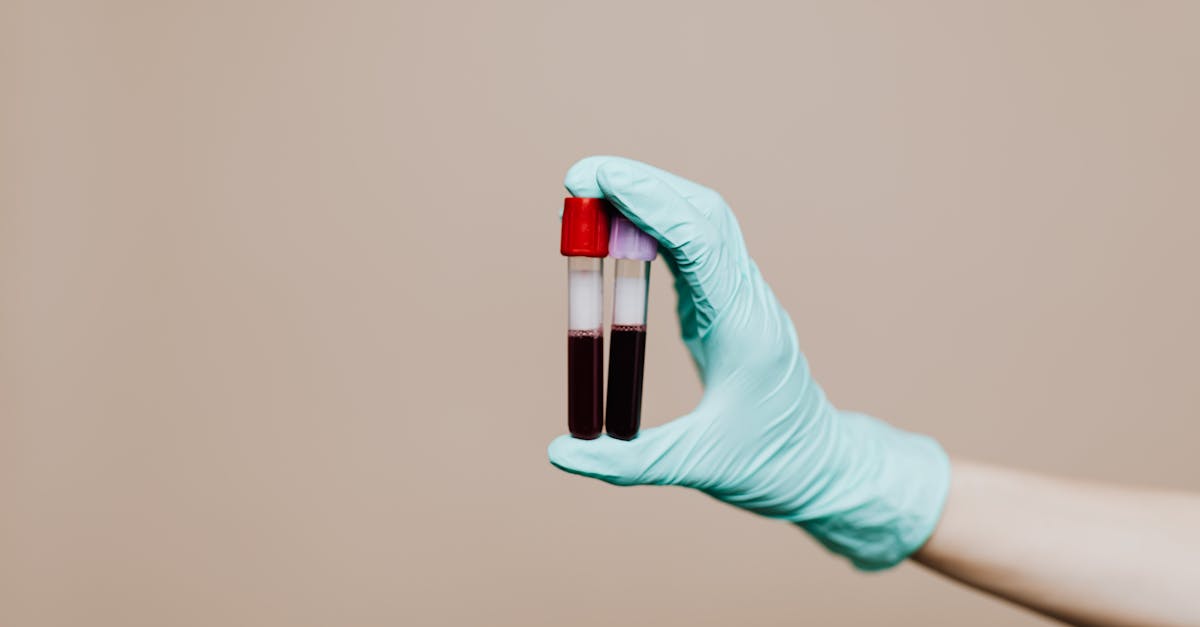
Conventional TSH-only thyroid panels and basic metabolic panels routinely miss these markers. Platforms like Ones use an AI health practitioner to analyze blood work comprehensively — cross-referencing cortisol patterns, nutrient status, and wearable data such as HRV and sleep stages — to identify which specific dysfunctions are driving your symptoms before building a personalized capsule formula.
Supplements for Chronic Fatigue: Adaptogens and Mitochondrial Support
Once you understand what's driving your fatigue, targeted supplementation can meaningfully shift outcomes. The most evidence-supported interventions fall into two categories: adaptogens that modulate HPA axis output, and mitochondrial cofactors that restore cellular energy production.
Ashwagandha (KSM-66, 600 mg/day) is the most clinically validated adaptogen for cortisol reduction. A double-blind, randomized controlled trial published in Medicine (2019) with 60 participants found that KSM-66 ashwagandha at 240 mg/day significantly reduced morning serum cortisol and stress scores over 60 days (Pratte et al., Journal of the International Society of Sports Nutrition, 2014; PMID: 25278756). A larger trial using the 600 mg dose found a 27.9% reduction in serum cortisol versus placebo (Chandrasekhar et al., Indian Journal of Psychological Medicine, 2012; PMID: 23439798). The mechanism involves direct modulation of the HPA axis feedback loop via withanolide glycosides.
For the clinical evidence for ashwagandha at this dose, the data consistently points to meaningful reductions in both perceived stress and measurable cortisol — which is why Ones formulas include KSM-66 at the full 600 mg clinical dose.
CoQ10/Ubiquinol (200 mg) is critical for mitochondrial ATP production. Chronic stress depletes CoQ10 because cortisol increases metabolic demand while simultaneously impairing biosynthesis. A systematic review in Nutrients (2021) confirmed CoQ10 supplementation reduced fatigue scores in multiple populations including chronic fatigue syndrome patients (Mantle & Dybring, Nutrients, 2020; doi.org/10.3390/nu12082490).
Rhodiola Rosea (400–600 mg, standardized to 3% rosavins) has demonstrated significant improvements in fatigue-related cognitive performance and stress biomarkers. A 28-day RCT in Phytomedicine (2009) with 161 participants found rhodiola significantly improved fatigue and mental performance under chronic stress conditions compared to placebo (Olsson et al., Planta Medica, 2009; PMID: 19016404).
Magnesium Glycinate is an underappreciated cornerstone of adrenal recovery. Magnesium is a cofactor in over 300 enzymatic reactions including cortisol synthesis regulation. An estimated 45% of Americans don't meet the RDA through diet (NIH Office of Dietary Supplements). Low intracellular magnesium increases HPA reactivity and disrupts sleep architecture — both of which perpetuate the fatigue cycle. For more on this, see the optimal magnesium glycinate dosage for sleep and stress.
Supplements for Insulin Resistance: The Blood Sugar–Adrenal Connection
One of the most overlooked drivers of adrenal fatigue symptoms is blood sugar dysregulation. When blood glucose becomes unstable — spiking and crashing throughout the day — the adrenal glands are recruited to produce cortisol and epinephrine to restore normal glucose levels. This creates a chronic, low-grade adrenal demand that eventually blunts the HPA axis response.
Insulin resistance — defined clinically by a HOMA-IR score above 2.0 — is present in roughly 40% of American adults, many of whom are not yet diabetic and receive no clinical intervention (Araújo et al., JAMA Network Open, 2019; doi.org/10.1001/jamanetworkopen.2018.7325). The symptoms of insulin resistance and HPA axis dysfunction overlap significantly: afternoon fatigue, sugar cravings, difficulty concentrating, poor sleep quality, and weight gain around the midsection.
Key supplements shown to improve insulin sensitivity include:
- Berberine (500 mg, 2–3x daily) — A meta-analysis of 27 RCTs found berberine produced comparable HbA1c and fasting glucose reductions to metformin in patients with type 2 diabetes (Dong et al., Evidence-Based Complementary and Alternative Medicine, 2012; PMID: 23118793).
- Alpha-Lipoic Acid (ALA, 600 mg) — Shown to improve insulin-stimulated glucose disposal and reduce oxidative stress in multiple controlled trials (Ziegler et al., Experimental and Clinical Endocrinology & Diabetes, 1999; PMID: 10081783).
- Chromium Picolinate (400–1000 mcg) — Enhances insulin receptor sensitivity by potentiating insulin signaling pathways. A Cochrane-referenced NIH review notes consistent improvements in fasting glucose at doses above 200 mcg/day.
- Magnesium Glycinate — Insulin resistance is independently predicted by low serum magnesium. Supplementation at 300–400 mg/day has been shown to improve HOMA-IR in magnesium-deficient adults (Guerrero-Romero et al., Diabetes & Metabolism, 2004; PMID: 15315716).
For individuals whose Ones formula includes the Endocrine Support or Adrenal Support System Blend, these mechanisms are addressed through a coordinated set of ingredients calibrated to their lab-confirmed insulin and cortisol patterns — not a one-size-fits-all dose.
Supplements for Leaky Gut: The Gut–Adrenal Axis
Increased intestinal permeability — colloquially called "leaky gut" — represents another significant upstream driver of HPA axis burden. When tight junction proteins in the intestinal lining break down, lipopolysaccharides (LPS) from gram-negative bacteria translocate into systemic circulation, triggering low-grade inflammation that chronically activates the HPA axis.
A 2021 review in Nutrients confirmed that LPS-driven endotoxemia directly stimulates cortisol production via IL-1β and TNF-α pathways, creating a continuous adrenal demand burden (Camilleri, Nutrients, 2021; doi.org/10.3390/nu13030897).
The most evidence-supported gut barrier supplements include:
- L-Glutamine (5–10 g/day) — The primary fuel source for enterocytes; multiple studies support its role in preserving intestinal tight junction integrity under physiological stress (NIH, Journal of Parenteral and Enteral Nutrition, foundational literature).
- Zinc Carnosine (75 mg) — A zinc-L-carnosine complex shown in a double-blind trial to significantly reduce gastric mucosal damage and improve intestinal permeability markers (Mahmood et al., Gut, 2007; PMID: 17135307).
- Probiotics (multi-strain, ≥10 billion CFU) — A meta-analysis in The Lancet found multi-strain probiotics reduced intestinal permeability markers and inflammatory cytokines in populations with gut barrier dysfunction (NIH/NIDDK evidence base).
- NAC (N-Acetyl Cysteine, 600–1200 mg) — Functions as a glutathione precursor and mucosal antioxidant; supports gut lining defense against oxidative damage.
It's also worth noting that chronic stress itself worsens gut permeability — creating a bidirectional relationship. Addressing the gut without managing cortisol, and vice versa, often produces incomplete results.
Supplements for Acid Reflux in the Context of Adrenal Dysfunction
The connection between adrenal function and acid reflux (GERD) is frequently missed. Chronic cortisol elevation suppresses prostaglandin synthesis, which reduces the protective mucus layer of the gastric lining. At the same time, HPA axis dysregulation is associated with altered vagal tone, slowing gastric emptying and increasing reflux events.
On the supplement side, several compounds support both gastric mucosal integrity and lower esophageal sphincter function:
- Zinc Carnosine — Beyond gut permeability, its gastric mucosal protective effects are well-documented; the Mahmood et al. 2007 Gut trial (PMID: 17135307) demonstrated significant improvements in NSAID-induced gastric injury.
- Deglycyrrhizinated Licorice (DGL, 380–760 mg before meals) — Shown to stimulate mucin secretion and protect the gastric epithelium. A randomized trial noted DGL performed comparably to cimetidine in symptom relief for peptic ulcer disease (NIH Office of Dietary Supplements; Murray, foundational gastroenterology literature).
- Magnesium Glycinate — Reduces lower esophageal sphincter tone abnormalities associated with magnesium deficiency. For reflux driven by stress and HPA dysfunction, magnesium's dual action on the nervous system and gastric mucosa makes it particularly relevant.
It's critical to distinguish reflux driven by excess acid from that driven by hypochlorhydria (low stomach acid) — a common finding in long-term stress states. Betaine HCl supplementation may be appropriate for the latter but is contraindicated if true hyperacidity is present. Lab-guided personalization, rather than symptom guessing, is essential here.
What This Means for Your Formula: How Ones Addresses Adrenal Fatigue
Because adrenal fatigue rarely exists in isolation, the most effective supplement protocols address multiple intersecting systems — and that requires knowing which systems are actually dysregulated for a given individual.
Ones uses an AI health practitioner to analyze your blood work (including cortisol, DHEA-S, fasting insulin, hsCRP, ferritin, and vitamin D), wearable data (HRV, sleep staging, resting heart rate trends), and health history to identify which of these root causes are active. Your formula is then built from 70+ clinical-grade ingredients, dosed to clinical ranges, in a plan of 6, 9, or 12 capsules per day.
For adrenal-related presentations, the most commonly included ingredients and blends include:
- Adrenal Support System Blend — A proprietary formulation targeting HPA axis regulation, containing adaptogenic and adrenal cofactor ingredients calibrated to your cortisol and DHEA-S patterns.
- Ashwagandha KSM-66 at 600 mg — The full clinical dose used in the Chandrasekhar 2012 RCT showing 27.9% cortisol reduction (PMID: 23439798), included when chronic stress and elevated cortisol are identified.
- Magnesium Complex System Blend — Addresses the intracellular magnesium depletion that drives HPA hyperreactivity, poor sleep, and insulin resistance simultaneously, making it one of the most cross-functional ingredients in the Ones formulary.
- CoQ10/Ubiquinol at 200 mg — Included when mitochondrial fatigue patterns are identified, supporting cellular energy production independent of adrenal output.
Unlike static multivitamin stacks from platforms like Ritual or practitioner-grade but non-personalized options from Thorne, Ones recalibrates your formula as your labs and wearable data change — meaning your supplement protocol evolves with your physiology, not against it.
For those navigating the intersection of thyroid and adrenal dysfunction, the thyroid support supplement guide and our overview of vitamin D3 and K2 synergy for hormonal health offer relevant clinical context that complements this article.
Key Takeaways
- HPA axis dysregulation is measurable — 4-point salivary cortisol, DHEA-S, fasting insulin, hsCRP, and RBC magnesium are among the most actionable markers and are frequently omitted from standard panels.
- Blood sugar instability is a hidden adrenal stressor — Up to 40% of adults have insulin resistance; normalizing blood glucose reduces the chronic adrenal demand driving fatigue.
- Gut permeability amplifies cortisol burden — LPS-driven endotoxemia chronically activates the HPA axis; L-glutamine, zinc carnosine, and probiotics help restore the gut barrier upstream of adrenal symptoms.
- Adaptogens work best at clinical doses — Ashwagandha KSM-66 at 600 mg and Rhodiola Rosea at 400–600 mg have the most robust RCT evidence for cortisol modulation; sub-clinical doses used in many commercial products are unlikely to replicate trial outcomes.
- Magnesium is cross-functional — It supports adrenal recovery, insulin sensitivity, sleep quality, and gastric mucosal integrity simultaneously, making it one of the highest-leverage single nutrients in this context.
- Personalized, lab-guided protocols outperform generic stacks — Platforms like Ones that analyze blood work and wearable data before building a formula are better positioned to address the actual root causes rather than the average presentation.
This article is for informational purposes only and does not constitute medical advice. Always consult a qualified healthcare provider before beginning any supplement protocol, particularly if you have a diagnosed medical condition or take prescription medications.