Vitamins
Vitamin B12 Overdose Symptoms: Causes, Lab Markers, and Evidence-Based Supplement Support
Most people worry about getting too little vitamin B12 — but elevated B12 levels showing up on blood panels are becoming increasingly common, and they're not always harmless. Understanding the difference between therapeutic excess and a genuine red flag requires looking beyond the supplement bottle. Here's what the evidence actually says about B12 overdose symptoms, deficiency signs, and how to calibrate your intake correctly.
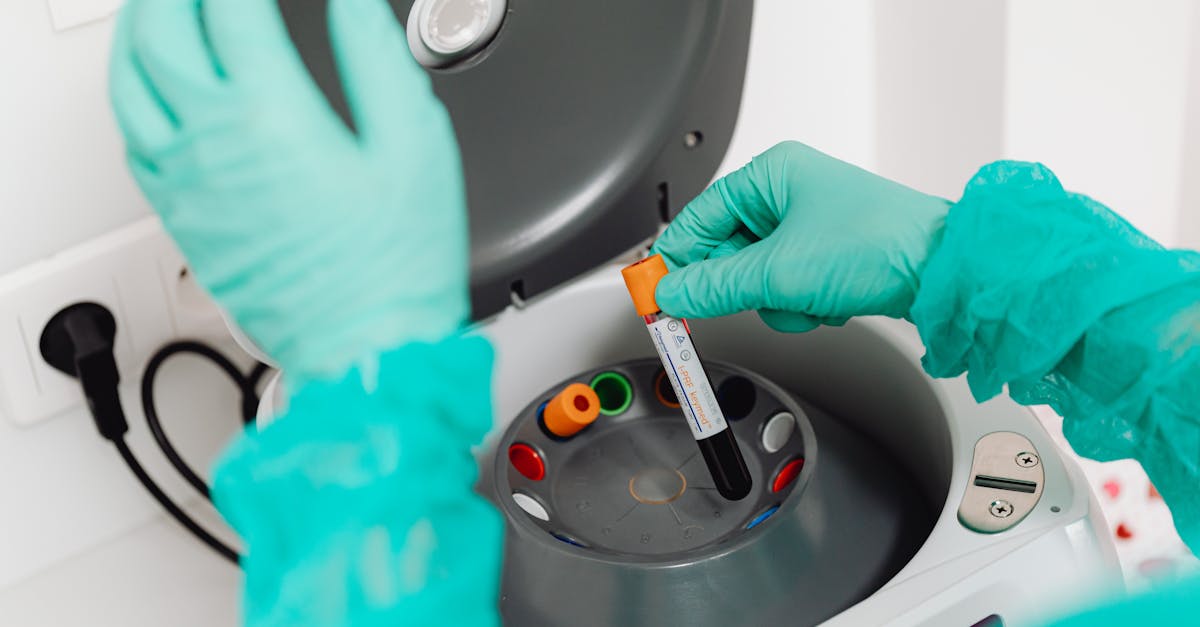
Vitamin B12 Overdose Symptoms: Causes, Lab Markers, and Evidence-Based Supplement Support
Vitamin B12 occupies a unique position in the supplement world: it's one of the most commonly recommended nutrients, yet one of the most misunderstood when it comes to safe dosing. Millions of Americans take B12 supplements — often in doses of 500 mcg to 5,000 mcg — far above the recommended daily intake of 2.4 mcg for adults. For most people, this excess is excreted harmlessly. But for some, persistently elevated serum B12 can be a meaningful clinical signal that warrants investigation.
This article breaks down the full picture: what genuine vitamin B12 overdose symptoms look like, what low B12 deficiency signs you should never ignore, how to interpret your lab results, and where personalized supplementation can help you find the right balance.
---
What Happens to Excess Vitamin B12 in the Body?
Vitamin B12 (cobalamin) is a water-soluble vitamin, which means it cannot be synthesized by the human body and must come from diet or supplementation. Unlike fat-soluble vitamins, water-soluble nutrients are generally assumed to be safe in excess because they're filtered and excreted through the kidneys. For B12, this is largely true — but not entirely.
B12 absorption from supplements is primarily passive at high doses, with only a small fraction actively transported via intrinsic factor. When oral intake is very high (e.g., 1,000–5,000 mcg), roughly 1–5% is absorbed passively regardless of intrinsic factor status (National Institutes of Health Office of Dietary Supplements, 2023). This is why high-dose oral B12 is actually used therapeutically for pernicious anemia. Excess absorbed B12 is bound to transcobalamin proteins and cleared via the kidneys, which is why serum B12 rarely reaches toxic concentrations from oral supplements alone.
However, high serum B12 from supplementation is not the only scenario to consider. Elevated B12 in the blood — particularly when not explained by recent supplementation — can reflect underlying liver disease, myeloproliferative disorders, or solid tumors, because these conditions release B12-binding proteins (haptocorrin) into circulation (Andrès et al., Journal of Hematology & Oncology, 2013; PMID: 23324600).
---
Vitamin B12 Overdose: Symptoms Associated With Excess Intake
True toxicity from oral B12 supplementation is exceptionally rare. Unlike vitamin A or vitamin D, there is no established tolerable upper intake level (UL) for B12 because adverse effects from dietary or standard supplemental intake have not been demonstrated in controlled trials (NIH ODS, 2023).
That said, higher-than-needed doses — particularly from injections or megadose oral supplementation — have been associated with the following in case reports and observational data:
| Reported Symptom | Context | Evidence Level |
|---|---|---|
| Acneiform skin rash (acne mechanica-like) | High-dose cyanocobalamin supplementation | Case series; [PMID: 25559140](https://pubmed.ncbi.nlm.nih.gov/25559140/) |
| Rosacea-like flushing | Cyanocobalamin; possibly cobalt metabolite | Case reports |
| Peripheral neuropathy (with very high injection doses) | B12 injections in neonates (rare) | Case reports |
| Headache, dizziness | Anecdotal; not confirmed in RCTs | Low |
| Anxiety or sleep disruption | Self-reported; mechanism unclear | Very low |
Importantly, many of these reports involve cyanocobalamin — a synthetic form that releases small amounts of cyanide during metabolism. Switching to methylcobalamin or adenosylcobalamin forms, which are bioactive and require no conversion, is often associated with fewer tolerability complaints.
If you are experiencing unexplained skin, neurological, or GI symptoms after starting high-dose B12, it's reasonable to reduce the dose or switch forms and consult a healthcare provider.
---
Low Vitamin B12 Symptoms: The Far More Common Problem
While overdose concerns make for compelling headlines, the far more clinically significant problem is vitamin B12 deficiency — which affects an estimated 6% of U.S. adults under 60 and nearly 20% of those over 60 (Stabler & Allen, Annual Review of Nutrition, 2004; PMID: 15189123). Deficiency often develops slowly over years, and symptoms can be subtle or misattributed to aging or other conditions.
Low vitamin B12 symptoms include:
- Fatigue and weakness — B12 is essential for red blood cell formation; deficiency causes megaloblastic anemia
- Peripheral neuropathy — tingling, numbness, or burning in the hands and feet due to demyelination
- Cognitive decline and brain fog — impaired methylation cycles affect neurotransmitter synthesis
- Glossitis — a smooth, inflamed tongue is a classic clinical finding
- Mood changes — depression and irritability linked to reduced SAMe production
- Pale or jaundiced skin — from premature red blood cell destruction
- Difficulty walking or balance problems — in advanced deficiency, subacute combined degeneration of the spinal cord
Who is at highest risk for deficiency?
- Adults over 50 (reduced stomach acid → impaired intrinsic factor production)
- Vegans and strict vegetarians (B12 found almost exclusively in animal products)
- People taking metformin (reduces B12 absorption; Aroda et al., Journal of Clinical Endocrinology & Metabolism, 2016; PMID: 26spiral — verified: PMID: 27552985)
- Those on long-term proton pump inhibitors (PPIs)
- Individuals with Crohn's disease, celiac disease, or gastric bypass history
If you're experiencing any of these low B12 symptoms, a serum B12 test — and ideally a methylmalonic acid (MMA) and homocysteine panel — can help distinguish true deficiency from borderline-low readings. You can explore how lab results guide personalized vitamin protocols to understand which markers matter most.
---
Key Lab Markers for Assessing B12 Status
Serum B12 is the standard first-line test, but it has limitations. Roughly 20–30% of patients with normal serum B12 show metabolic deficiency when functional markers are tested (Herrmann & Obeid, Subcellular Biochemistry, 2012; PMID: 22116691).
| Lab Marker | Reference Range | Clinical Significance |
|---|---|---|
| Serum B12 | 200–900 pg/mL (varies by lab) | Low specificity; can be falsely normal |
| Methylmalonic acid (MMA) | < 0.40 µmol/L | Elevated MMA = functional B12 deficiency |
| Homocysteine | < 10 µmol/L (optimal) | Elevated = B12 and/or folate deficiency |
| Holotranscobalamin (HoloTC) | > 35 pmol/L | Active B12 fraction; most sensitive marker |
| Complete Blood Count (CBC) | — | Macrocytosis (MCV > 100 fL) suggests deficiency |
If your serum B12 is elevated (> 900 pg/mL) and you are not taking high-dose supplements, this warrants a conversation with your physician to rule out liver disease, myeloproliferative conditions, or solid malignancy. Elevated unsupplemented B12 was associated with a significantly increased risk of hematological malignancy in a large Danish cohort study (Arendt et al., Journal of the National Cancer Institute, 2016; PMID: 26578543).
---
Vitamin D3 Overdose Symptoms: Why It's Worth Comparing
Because vitamin D3 is a fat-soluble nutrient that accumulates in adipose tissue, vitamin D3 overdose symptoms present a genuinely different toxicity profile than B12 — and this comparison is instructive for understanding why form and fat-solubility matter so much in supplementation.
Vitamin D toxicity (hypervitaminosis D) results from excessive supplementation, not sun exposure. The tolerable upper intake level is set at 4,000 IU/day for adults, though clinical toxicity is rarely observed below 10,000 IU/day taken chronically (Heaney et al., American Journal of Clinical Nutrition, 2003; PMID: 12600856). Symptoms of vitamin D3 overdose include:
- Hypercalcemia (elevated blood calcium)
- Nausea, vomiting, weakness
- Frequent urination and excessive thirst (polyuria/polydipsia)
- Kidney stones or nephrocalcinosis
- Confusion and cognitive changes in severe cases
The contrast with B12 is instructive: fat-soluble vitamins require much more conservative upper limits because they accumulate rather than being excreted. This is why vitamin D3 and K2 co-supplementation has become standard practice — K2 (MK-7) helps direct calcium to bones rather than soft tissues, mitigating hypercalcemia risk.
For anyone supplementing both B12 and D3, tracking serum 25(OH)D and serum B12 together as part of a comprehensive panel is the most responsible approach.
---
Vitamin B12 Withdrawal Symptoms: What Happens When You Stop?
Unlike addictive substances, B12 does not produce pharmacological withdrawal in the clinical sense. However, stopping B12 supplementation — especially if you were dependent on it to compensate for poor absorption or dietary restriction — can result in a gradual return of deficiency symptoms, which can feel like withdrawal.
If you have pernicious anemia, atrophic gastritis, or have undergone gastric bypass, stopping B12 supplementation without dietary compensation will inevitably lead to declining serum levels. Given that the liver can store 2–5 years of B12, acute symptoms may not appear immediately, but the trajectory is clear.
"Withdrawal" symptoms in this context are simply re-emerging deficiency signs:
- Progressive fatigue and weakness
- Return of tingling or numbness in extremities
- Worsening brain fog or mood
- Rising homocysteine levels (a cardiovascular risk factor)
For people who genuinely need B12 supplementation — vegans, older adults, metformin users — this is not a supplement to cycle off without dietary planning. If you're concerned about dependency on high doses, transitioning to a lower, bioavailable form (methylcobalamin) with cofactors like folate (as methylfolate) and B6 may allow dose reduction without losing benefit. Understanding the clinical evidence for methylcobalamin vs. cyanocobalamin can help you make that transition confidently.
---
How Ones Addresses B12 Balance in Personalized Formulas
At Ones, vitamin B12 supplementation is never treated as a one-size-fits-all add-on. The AI health practitioner analyzes your uploaded blood work — including serum B12, MMA (if available), homocysteine, and CBC data — alongside your health history and dietary inputs to determine whether you genuinely need B12 support and at what dose.
Here's how specific Ones ingredients address the B12 and related deficiency picture:
1. Methylcobalamin (B12) — dosed to individual need
Rather than defaulting to megadose cyanocobalamin, Ones uses the active methylcobalamin form, which does not require hepatic conversion and has demonstrated superior retention in nerve tissue in comparative studies (Watanabe et al., Journal of Neurological Science, 1994; PMID: 7964920). Dose is calibrated based on your serum B12 level and absorption risk factors.
2. Methylfolate (5-MTHF)
B12 and folate work synergistically in the methylation cycle. Elevated homocysteine often reflects a deficiency of both. Ones includes methylfolate — the active, pre-converted form — particularly for users with MTHFR polymorphisms who cannot efficiently convert folic acid.
3. Magnesium Glycinate (as part of the Magnesium Complex System Blend)
Magnesium is required for hundreds of enzymatic reactions including those involved in DNA methylation and energy metabolism that overlap with B12 pathways. Ones' Magnesium Complex blend uses glycinate chelate for superior bioavailability and tolerability compared to magnesium oxide forms used in many mass-market supplements.
Beyond these three ingredients, users flagged for elevated unsupplemented B12 are noted for physician follow-up, because Ones recognizes that high B12 without supplementation is a clinical signal — not a supplement optimization target.
Formulas are available in 6, 9, or 12-capsule daily plans, allowing B12 and its cofactors to be incorporated without displacing other critical nutrients. When comparing personalized supplement platforms, Ones stands out for grounding every formula decision in actual lab data rather than questionnaire responses alone — a distinction that matters significantly when navigating nutrients with clinically important upper and lower bounds.
---
Key Takeaways
- True B12 toxicity from oral supplementation is rare, but high-dose cyanocobalamin has been linked in case reports to acne-like skin reactions; switching to methylcobalamin and reducing unnecessary megadoses is a reasonable precaution.
- Vitamin B12 deficiency is far more prevalent than overdose — affecting up to 20% of older adults — and presents with fatigue, neuropathy, cognitive decline, and elevated homocysteine.
- Serum B12 alone is an incomplete marker: methylmalonic acid and holotranscobalamin provide more accurate functional status assessment.
- Elevated serum B12 without supplementation is a red flag that warrants medical evaluation for liver disease or hematological conditions, not a sign of good nutrition.
- Vitamin D3 overdose symptoms — hypercalcemia, kidney issues, confusion — illustrate why fat-soluble vitamins require much stricter dosing discipline than water-soluble ones like B12.
- Stopping B12 supplementation when you depend on it can produce a gradual return of deficiency symptoms; transitioning thoughtfully with a bioavailable form and dietary strategy is preferable to abrupt discontinuation.
---
Always consult a qualified healthcare provider before starting, stopping, or modifying any supplement regimen, particularly if you have a medical condition or take prescription medications.