Vitamins
Your Vitamin D Is Low — and Your Testosterone Pays the Price
Nearly 35% of American adults are vitamin D deficient, but men face a distinct set of hormonal and metabolic consequences that standard health panels often miss. Low vitamin D doesn't just affect bone density — it suppresses testosterone, impairs muscle recovery, and raises cardiovascular risk in ways that can persist for years before symptoms become obvious. Understanding which tests to run, and what the numbers actually mean, is the first step toward getting ahead of it.
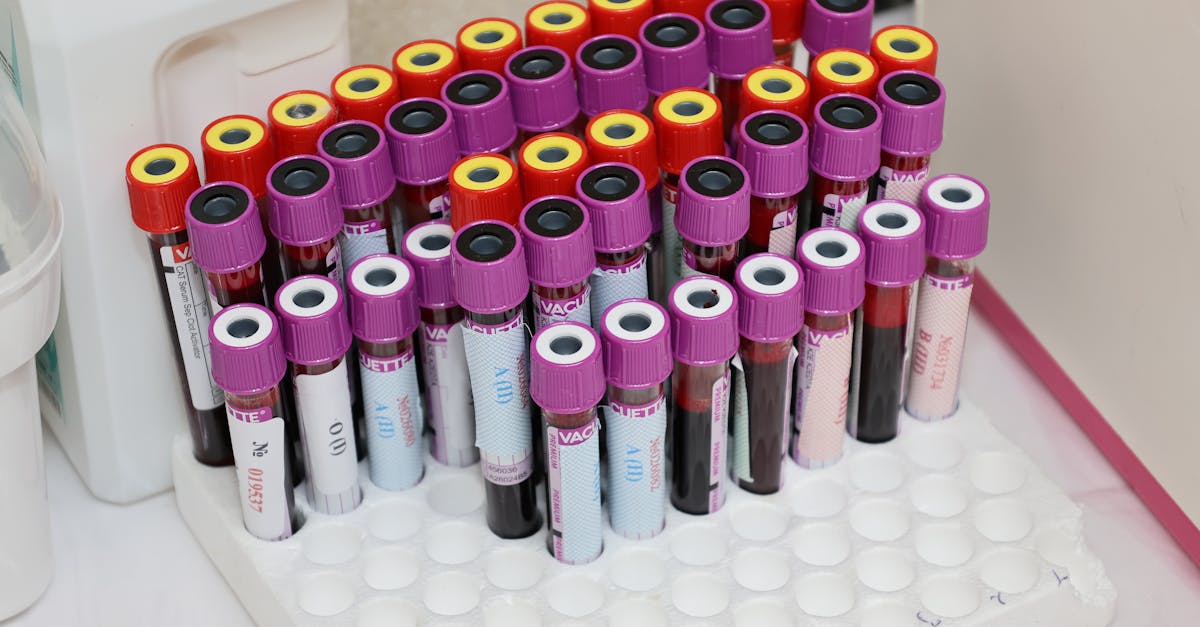
The Hidden Epidemic: Why Vitamin D Deficiency in Men Is Underdiagnosed
Vitamin D deficiency is one of the most prevalent nutrient gaps in American men, yet it remains chronically underdiagnosed because standard annual physicals rarely include the right panel. The CDC's National Health and Nutrition Examination Survey estimates that approximately 35% of U.S. adults have serum 25-hydroxyvitamin D [25(OH)D] levels below 20 ng/mL — the threshold most clinicians define as deficient (Looker et al., National Center for Health Statistics Data Brief No. 59, 2011). When you broaden the cut-off to include insufficiency (below 30 ng/mL), that figure climbs closer to 60–70% in men who spend the majority of their days indoors.
What makes vitamin D deficiency particularly insidious in men is the cascade of downstream effects that go far beyond weak bones. Vitamin D receptors (VDRs) are expressed in virtually every tissue in the male body — skeletal muscle, cardiac muscle, prostate, testicular Leydig cells, and the brain. When circulating 25(OH)D drops, you're not just losing a fat-soluble vitamin; you're losing a hormone precursor that regulates hundreds of genes involved in immune function, metabolic rate, inflammation, and androgen synthesis.
This article breaks down the specific risks vitamin D deficiency poses for men, the precise lab tests that reveal the full picture, and how a targeted, data-driven supplementation approach can close the gap safely.
---
What Vitamin D Deficiency Actually Does to Men's Health
The clinical consequences of sustained low vitamin D in men sort into four well-documented categories:
1. Testosterone and Androgen Suppression
Testicular Leydig cells express VDRs, and vitamin D directly influences testosterone biosynthesis. A randomized controlled trial of 54 men supplementing 3,332 IU/day of vitamin D3 for 12 months showed significantly higher total testosterone, bioactive testosterone, and free testosterone compared to placebo — with mean total testosterone rising by roughly 20% in the supplemented group (Pilz et al., Hormone and Metabolic Research, 2011; PMID: 21154195). This makes optimizing vitamin D one of the most underutilized levers in men's hormonal health.
2. Cardiovascular Risk
Low 25(OH)D is independently associated with higher rates of hypertension, arterial stiffness, and adverse cardiac events. A meta-analysis of 19 prospective studies found that men in the lowest vitamin D quintile had a 57% higher risk of cardiovascular disease compared to those in the highest quintile (Wang et al., Circulation, 2008; PMID: 18180395). The mechanisms include upregulation of the renin-angiotensin-aldosterone system (RAAS) and impaired endothelial nitric oxide production.
3. Muscle Function and Recovery
Vitamin D is required for type II (fast-twitch) muscle fiber synthesis. Deficiency is associated with reduced grip strength, slower sprint performance, and elevated post-exercise inflammatory markers. Among physically active men, a 25(OH)D level below 30 ng/mL correlates with measurably impaired muscle force output — a detail that makes vitamin D screening particularly important for anyone optimizing athletic performance or trying to preserve lean mass as they age.
4. Immune Dysregulation and Mood
Vitamin D modulates both innate and adaptive immune responses. It promotes the production of antimicrobial peptides like cathelicidin and defensin-β while suppressing pro-inflammatory cytokines. Low levels are consistently associated with increased susceptibility to respiratory infections and higher rates of depressive symptoms in men (Anglin et al., British Journal of Psychiatry, 2013; PMID: 23377209).
---
The Tests That Tell You Why — Not Just Whether You're Deficient
Most physicians order a single 25(OH)D test and call it done. But a comprehensive picture of vitamin D status in men requires understanding the full metabolic pathway. Here's what to ask for:
| Test | What It Measures | Optimal Range (Men) |
|---|---|---|
| 25-Hydroxyvitamin D [25(OH)D] | Storage form; best marker of overall status | 40–60 ng/mL |
| 1,25-Dihydroxyvitamin D [Calcitriol] | Active hormonal form | 18–72 pg/mL |
| Parathyroid Hormone (PTH) | Rises when 25(OH)D is too low; signals bone mobilization | 15–65 pg/mL |
| Serum Calcium | Needed to interpret D toxicity risk | 8.5–10.2 mg/dL |
| Serum Magnesium | Required to convert D to active form | 1.7–2.2 mg/dL |
| Vitamin K2 status (via ucOC) | Ensures calcium is directed to bone, not arteries | Site-specific testing |
The magnesium row is critical and frequently overlooked. Magnesium is a cofactor for every enzymatic step in the vitamin D activation pathway — from hepatic 25-hydroxylation to renal 1α-hydroxylation. Men who take high-dose vitamin D without adequate magnesium can raise their 25(OH)D lab value without ever producing sufficient active calcitriol. If you're curious about how these minerals interact, the optimal magnesium glycinate dosage for sleep and recovery is a related area worth understanding before building any vitamin D protocol.
Similarly, vitamin K2 (specifically the MK-7 form) is required to activate osteocalcin and matrix Gla protein — proteins that direct calcium into bones and away from arterial walls. Supplementing high-dose D3 without K2 in the presence of existing arterial calcification is a legitimate clinical concern, which is why the vitamin D3 and K2 synergy in supplementation is foundational to responsible dosing.
---
How Much Vitamin D Do Men Actually Need?
The RDA for vitamin D is 600 IU/day for men under 70, but this figure was calculated to prevent rickets — not to optimize testosterone, immune function, or cardiovascular health. Most integrative clinicians and the Endocrine Society's clinical practice guideline suggest that maintaining a 25(OH)D of 40–60 ng/mL typically requires 1,500–2,000 IU/day from diet and supplements combined, with some men needing 4,000–5,000 IU/day to achieve sufficiency, particularly if they have darker skin, higher BMI, limited sun exposure, or a genetic VDR polymorphism (Holick et al., Journal of Clinical Endocrinology & Metabolism, 2011; PMID: 21646368).
The tolerable upper intake level (UL) established by the Institute of Medicine is 4,000 IU/day, though clinical trials have safely administered up to 10,000 IU/day under supervision without evidence of toxicity when calcium and parathyroid hormone are monitored (NIH Office of Dietary Supplements, Vitamin D Fact Sheet for Health Professionals, 2023).
Practical dosing by baseline level:
| Baseline 25(OH)D | Suggested Supplemental D3/day | Timeline to Retest |
|---|---|---|
| < 10 ng/mL (severe deficiency) | 5,000–10,000 IU (supervised) | 8–12 weeks |
| 10–19 ng/mL (moderate deficiency) | 3,000–5,000 IU | 12 weeks |
| 20–29 ng/mL (insufficiency) | 2,000–3,000 IU | 12–16 weeks |
| 30–39 ng/mL (low-normal) | 1,500–2,000 IU | 16–24 weeks |
| 40–60 ng/mL (optimal) | 1,000–2,000 IU (maintenance) | Annual |
---
Risk Factors That Make Men More Vulnerable to Deficiency
Certain physiological and lifestyle factors create measurably higher risk:
- Obesity (BMI > 30): Vitamin D is fat-soluble and sequesters in adipose tissue, reducing bioavailability. Men with higher body fat require significantly more supplemental D3 to achieve the same serum response.
- Age over 50: Skin synthesis of vitamin D from UVB radiation declines progressively with age — men over 70 produce roughly 75% less cutaneous D3 than young adults.
- Darker skin tone: Melanin reduces UVB absorption, requiring longer sun exposure to synthesize equivalent D3.
- Chronic kidney or liver disease: Impairs the hydroxylation steps needed to convert D3 into its active form.
- Malabsorption conditions: Crohn's disease, celiac disease, and short bowel syndrome significantly reduce D3 absorption from both food and supplements.
- High-latitude residence: Men living north of 37°N latitude (roughly the line from San Francisco to Richmond, Virginia) receive insufficient UVB to synthesize meaningful vitamin D from October through April.
- Statin use: Some research suggests statins may modestly impair vitamin D synthesis via their effect on the cholesterol pathway, since cholesterol is the precursor to D3 synthesis in skin.
If you're also examining broader hormonal patterns, understanding how vitamin D3 and K2 affect long-term testosterone and bone outcomes can help frame why a single lab value rarely tells the full story.
---
Separating Signal from Noise: Secondary Deficiencies Sometimes Confused With Vitamin D
Because symptoms of vitamin D deficiency — fatigue, muscle weakness, mood changes, frequent illness — overlap with several other nutritional gaps, it's worth a brief note on what they are not. Some secondary keywords in the vitamin deficiency space can create confusion if you're self-diagnosing:
Neuromuscular symptoms and nerve pain are sometimes misattributed to vitamin D but are frequently caused by vitamin B6 insufficiency — particularly in men who consume high amounts of protein, take oral contraceptives (less common but relevant), or have inflammatory bowel conditions. Similarly, skin changes, poor wound healing, and fatigue can suggest vitamin C deficiency rather than vitamin D. These distinctions matter because supplementing the wrong nutrient won't resolve the underlying gap.
A good functional panel for men experiencing fatigue, mood changes, or musculoskeletal complaints should include 25(OH)D alongside B12, folate, ferritin, free testosterone, TSH, and a comprehensive metabolic panel — not vitamin D alone.
---
What This Means for Your Formula: How Ones Addresses Vitamin D Deficiency in Men
Ones builds personalized supplement formulas by analyzing your actual blood work, wearable data, and health history — which means your vitamin D protocol is calibrated to your lab values rather than a population average. Here's how that looks in practice:
1. Vitamin D3 + K2 (MK-7)
Ones includes vitamin D3 paired with vitamin K2 as MK-7 — the long-chain menaquinone form with the strongest evidence for directing calcium to bone rather than soft tissue. The D3/K2 pairing reflects the clinical consensus that these two fat-soluble vitamins should be co-administered to maximize benefit and minimize arterial calcification risk. Your Ones formula dose is adjusted based on your 25(OH)D input, not a generic RDA.
2. Magnesium Glycinate
Because magnesium depletion is the most common reason vitamin D supplementation underperforms, Ones includes Magnesium Glycinate — a highly bioavailable chelated form — as a core co-factor ingredient. This mirrors the clinical recommendation that adequate magnesium status is a prerequisite for effective vitamin D activation (Uwitonze & Razzaque, Journal of the American Osteopathic Association, 2018; PMID: 29480918).
3. Omega-3 (EPA/DHA)
Vitamin D's anti-inflammatory effects are synergistic with omega-3 fatty acids. Both operate through overlapping pathways involving NF-κB suppression and prostaglandin modulation. For men with low vitamin D and elevated inflammatory markers, the omega-3 EPA DHA ratio and cardiovascular outcomes is relevant context — Ones includes pharmaceutical-grade EPA/DHA at clinically meaningful doses within the same personalized capsule plan.
For men addressing hormonal concerns alongside vitamin D, Ones may also include ashwagandha (KSM-66 at 600mg) given its RCT-backed effects on cortisol regulation and free testosterone — a common pairing for men whose labs show both low vitamin D and elevated stress hormone patterns.
Formulas are available in 6, 9, or 12-capsule daily plans, and every ingredient in the catalog has been selected for clinical validation — meaning your D3 + K2 comes at a meaningful dose, not a token amount designed to populate a label.
---
Key Takeaways
- Vitamin D deficiency affects nearly 35% of American men, with insufficiency (< 30 ng/mL) affecting the majority of men who work indoors or live above 37°N latitude.
- Low vitamin D suppresses testosterone, impairs muscle function, raises cardiovascular risk, and dysregulates immune response — consequences that extend well beyond bone health.
- A complete vitamin D workup includes 25(OH)D, PTH, serum calcium, serum magnesium, and ideally K2 status — not just a single serum value.
- Optimal 25(OH)D for men is 40–60 ng/mL; most men need 2,000–5,000 IU/day to achieve this, depending on BMI, age, skin tone, and baseline labs.
- Magnesium and K2 are non-negotiable co-factors — supplementing D3 without them is a common and correctable mistake.
- Ones builds your formula from your actual lab values, pairing D3 + K2 (MK-7), Magnesium Glycinate, and Omega-3 at clinical doses based on your specific deficiency pattern — not a one-size-fits-all RDA.