Supplements
What Causes Breast Tenderness During a Heavy Period?
Breast tenderness and heavy bleeding often arrive together — and that's not a coincidence. Both symptoms are strongly linked to the same hormonal imbalance: excess estrogen relative to progesterone. Understanding why helps you move beyond symptom management toward addressing the root cause.
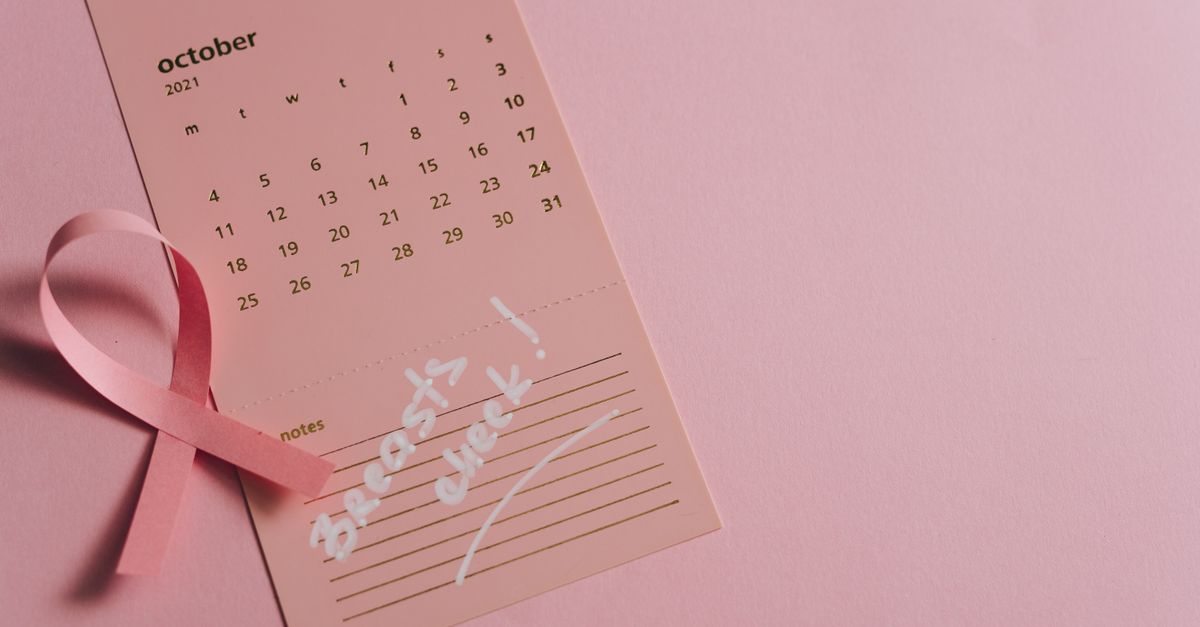
What Causes Breast Tenderness During a Heavy Period?
Breast tenderness during a heavy period is almost always a sign of estrogen dominance — specifically, too much estrogen relative to progesterone in the luteal phase. The main caveat is that inflammation and iodine deficiency can amplify sensitivity even when hormone ratios look normal. Women with very heavy cycles, PCOS, or perimenopause are most likely to experience both symptoms together.
---
The Hormonal Root Cause: Estrogen Dominance
Estrogen and progesterone work in opposition throughout the menstrual cycle. Estrogen rises in the follicular phase, peaks at ovulation, then should give way to a robust progesterone surge in the luteal phase. When that progesterone surge is insufficient — or when estrogen clearance slows down — estrogen activity remains elevated during the second half of the cycle.
Breast tissue is exceptionally sensitive to estrogen because it contains a high density of estrogen receptors (ERα and ERβ). Elevated circulating estrogen, particularly estradiol (E2), stimulates ductal and stromal proliferation, increasing fluid retention and swelling within the breast lobules. This is experienced as cyclical mastalgia — tenderness or pain that peaks in the days before menstruation.
The connection to heavy periods is direct: the same estrogen excess that sensitizes breast tissue also thickens the endometrial lining beyond what progesterone can effectively stabilize. When the lining sheds, heavier, more prolonged bleeding results. A 2011 review in the European Journal of Obstetrics & Gynecology confirmed that women with menorrhagia show significantly higher follicular-phase estrogen levels and lower mid-luteal progesterone compared to women with normal flow (Maybin & Critchley, Eur J Obstet Gynecol Reprod Biol 2011; PMID: 21640468).
Progesterone insufficiency can arise from several pathways:
- Anovulatory or oligo-ovulatory cycles (common in perimenopause and PCOS) — if ovulation doesn't occur, no corpus luteum forms, and progesterone production is negligible
- Short luteal phase — ovulation occurs but progesterone peaks too briefly to counter estrogen
- Poor liver estrogen metabolism — the liver processes estrogen through glucuronidation and sulfation; sluggish Phase II detoxification allows estrogen metabolites to recirculate
- Gut dysbiosis / elevated beta-glucuronidase — certain gut bacteria produce an enzyme that cleaves glucuronide bonds, releasing conjugated estrogens back into circulation (the "estrobolome" effect)
---
Prostaglandins, Inflammation, and Why the Pain Escalates
Hormonal imbalance sets the stage, but prostaglandins amplify the experience. Estrogen stimulates the production of pro-inflammatory prostaglandins (particularly PGE2 and PGF2α) in both breast tissue and the endometrium. These compounds:
- Dilate breast ductal cells and increase vascular permeability, worsening swelling
- Cause uterine contractions that intensify cramping during heavy flow
- Sensitize peripheral pain receptors (nociceptors), lowering the pain threshold systemically
A 2012 study in Prostaglandins & Other Lipid Mediators found that women with cyclical mastalgia had significantly elevated PGE2 levels in breast tissue biopsies compared to controls, independent of serum estradiol levels (Mansel et al., Prostaglandins Other Lipid Mediat 2012; PMID: 22583922). This means that even when estrogen is only mildly elevated, a highly inflammatory environment can make breast tenderness severe.
Omega-3 fatty acids (EPA and DHA) compete with arachidonic acid for cyclooxygenase enzymes, shifting prostaglandin production toward less inflammatory series-3 prostaglandins. Clinical trials show that EPA+DHA supplementation at doses of 1–3 g/day reduces cyclical breast pain scores over 3–6 months — an effect that also correlates with lighter menstrual flow in women with dysmenorrhea (Harel et al., Am J Obstet Gynecol 1996; PMID: 8942493).
---
The Role of Iodine and Fibrocystic Changes
Iodine deserves a specific mention because it is frequently overlooked. Breast tissue actively concentrates iodine via sodium-iodide symporters — the same mechanism used by the thyroid. Iodine modulates estrogen receptor sensitivity in breast epithelial cells, and deficiency allows estrogen to exert an exaggerated proliferative effect.
Subclinical iodine deficiency has been linked to fibrocystic breast changes, which dramatically increase mastalgia. Several older but foundational clinical trials demonstrated that iodine supplementation (molecular iodine, I₂, at 3–6 mg/day) reduced breast pain and cyst size in women with fibrocystic disease without suppressing thyroid function at those doses (Ghent et al., Can J Surg 1993; PMID: 8221402). This is why thyroid status and iodine adequacy are worth evaluating alongside estrogen panels when breast tenderness is severe or persistent. If you're also experiencing low mood during this time of your cycle, thyroid function is an especially important piece of the puzzle.
---
What Causes Migraines Around a Heavy Period?
Many women who experience breast tenderness and heavy periods also report migraines or significant headaches during the perimenstrual window — and the mechanism overlaps considerably. The sharp drop in estrogen that precedes menstruation (days −2 to +3 of the cycle) triggers a fall in serotonin and an increase in prostaglandin-driven neuroinflammation, both of which lower the migraine threshold.
Women with higher baseline estrogen exposure (i.e., those most prone to estrogen dominance and heavy periods) often experience a steeper estrogen drop, making menstrual migraines more severe. Magnesium is one of the few supplements with solid evidence for reducing menstrual migraine frequency: a 1991 randomized controlled trial demonstrated that oral magnesium at 360 mg/day significantly reduced the number of days with menstrual headache compared to placebo over three cycles (Facchinetti et al., Headache 1991; PMID: 1904310). You can read more about the hormonal headache connection in our article on what causes headaches before your period.
---
What Causes Anxiety Around a Heavy Period?
Estrogen doesn't only affect breast tissue and the uterus — it modulates the GABAergic system and serotonin pathways centrally. When estrogen fluctuates sharply and progesterone is low, the calming neurosteroid allopregnanolone (a progesterone metabolite) falls precipitously. Allopregnanolone is a positive allosteric modulator of GABA-A receptors — essentially a natural anxiolytic — and its absence in the luteal phase is strongly associated with premenstrual anxiety and mood instability.
Women with heavy, estrogen-dominant periods tend to have the most pronounced allopregnanolone deficit because their progesterone production is already compromised. This neurobiological gap explains why anxiety, irritability, and poor sleep are almost universal companions to heavy periods and cyclical mastalgia. If anxiety is a consistent part of your premenstrual picture, it's worth exploring whether heart palpitations accompany it — a pattern addressed in our piece on what causes heart palpitations in PCOS.
---
What Causes Depression Before or During a Heavy Period?
The same allopregnanolone deficit and serotonin dysregulation that generates anxiety can tip into low mood or depression, particularly in the 7–10 days before bleeding begins. Research published in Archives of Women's Mental Health confirms that luteal-phase progesterone insufficiency — independently of absolute estrogen levels — is a robust predictor of premenstrual dysphoric symptoms, including depression (Rubinow et al., Arch Womens Ment Health 2015; PMID: 26025208).
Heavy periods compound this further: chronic menstrual blood loss leads to iron deficiency in roughly 30% of women with menorrhagia, and low ferritin is independently associated with depressed mood, fatigue, and poor cognitive function. If depression or persistent low mood is part of your symptom picture, you may find our article on what causes low mood in menopause useful for understanding the overlapping hormonal drivers.
---
Lifestyle and Dietary Factors That Amplify the Cycle
Several modifiable factors worsen estrogen dominance and, by extension, breast tenderness and heavy periods:
| Factor | Mechanism | Evidence | |
|---|---|---|---|
| High saturated fat diet | Increases beta-glucuronidase activity in the gut, promoting estrogen recirculation | Goldin et al., JNCI 1982 | |
| Excess alcohol | Inhibits hepatic estrogen metabolism (CYP1A2 suppression) | NIH ODS data | |
| Low fiber intake | Reduces fecal estrogen excretion | Gorbach & Goldin, Am J Clin Nutr 1987 | |
| Chronic stress (high cortisol) | Competes with progesterone at receptor level; depletes pregnenolone | HPA axis literature | |
| BMI > 25 | Adipose tissue converts androgens to estrogens via aromatase | Endocrine Society position |
Increasing cruciferous vegetable intake (providing indole-3-carbinol / DIM) supports the liver's CYP1A1-mediated conversion of estradiol to the less potent 2-hydroxyestrone metabolite rather than the more proliferative 16α-hydroxyestrone pathway.
---
What This Means for Your Formula
At Ones, the AI practitioner evaluates blood work, wearable data, and symptom history to identify which drivers are most relevant for a specific individual — because breast tenderness in a 28-year-old with confirmed anovulatory cycles requires a different approach than in a perimenopausal woman with normal ovulation but elevated estrone.
For women whose data points toward the patterns described in this article, three ingredients commonly appear in Ones formulas:
Omega-3 (EPA/DHA): Ones includes a high-potency EPA/DHA blend dosed to therapeutic ranges (combined EPA+DHA ≥ 1 g/day), directly addressing prostaglandin-driven breast and endometrial inflammation. This is one of the best-studied interventions for cyclical mastalgia with meaningful effect sizes in RCTs.
Magnesium Complex (Ones System Blend): The Magnesium Complex blend supports both the neurological component (reducing menstrual migraine frequency and perimenstrual anxiety) and uterine smooth muscle relaxation. The clinical literature for magnesium in PMS symptoms spans multiple mechanisms, from GABA modulation to prostaglandin suppression.
Liver Support (Ones System Blend): Because estrogen clearance depends heavily on hepatic Phase I and Phase II detoxification, the Liver Support blend addresses the upstream bottleneck — supporting the pathways that determine whether estrogen metabolites are safely excreted or recirculated. This is particularly relevant for women with sluggish detoxification markers on labs.
Formulas are assembled into 6 or 9-capsule daily plans based on the AI's assessment of your full data picture — not a generic template.
---
Key Takeaways
- Estrogen dominance is the central driver: excess estrogen relative to progesterone thickens the endometrium (causing heavy bleeding) and sensitizes breast tissue (causing mastalgia) through the same hormonal imbalance.
- Prostaglandins amplify severity: even moderate estrogen excess becomes painful when the inflammatory environment is high; omega-3 fatty acids are among the best-evidenced interventions for both breast pain and heavy flow.
- Iodine deficiency is underappreciated: subclinical deficiency allows exaggerated estrogen signaling in breast tissue and contributes to fibrocystic changes and persistent tenderness.
- Migraines, anxiety, and low mood are part of the same hormonal picture: allopregnanolone deficiency and serotonin dysregulation link these seemingly separate symptoms to the same luteal-phase hormonal environment.
- Liver and gut health determine estrogen clearance: diet, fiber intake, and gut microbiome balance all influence how much estrogen recirculates — modifiable factors that sit upstream of symptoms.
- Personalized assessment matters: the right supplement protocol depends on which mechanisms are actually driving your symptoms, which is why lab data and symptom history together outperform one-size-fits-all approaches.
---
This article is for informational purposes only and does not constitute medical advice. Please consult a qualified healthcare provider for diagnosis and treatment of menstrual or breast symptoms.