Supplements
What Causes Brittle Nails with PMDD?
Brittle, peeling nails are a surprisingly common complaint among people with PMDD — yet they rarely make it onto the symptom checklist. Hormonal volatility in the luteal phase depletes the very nutrients that hold nails together, and standard care almost never addresses that connection. Understanding the root causes is the first step toward actually fixing it.
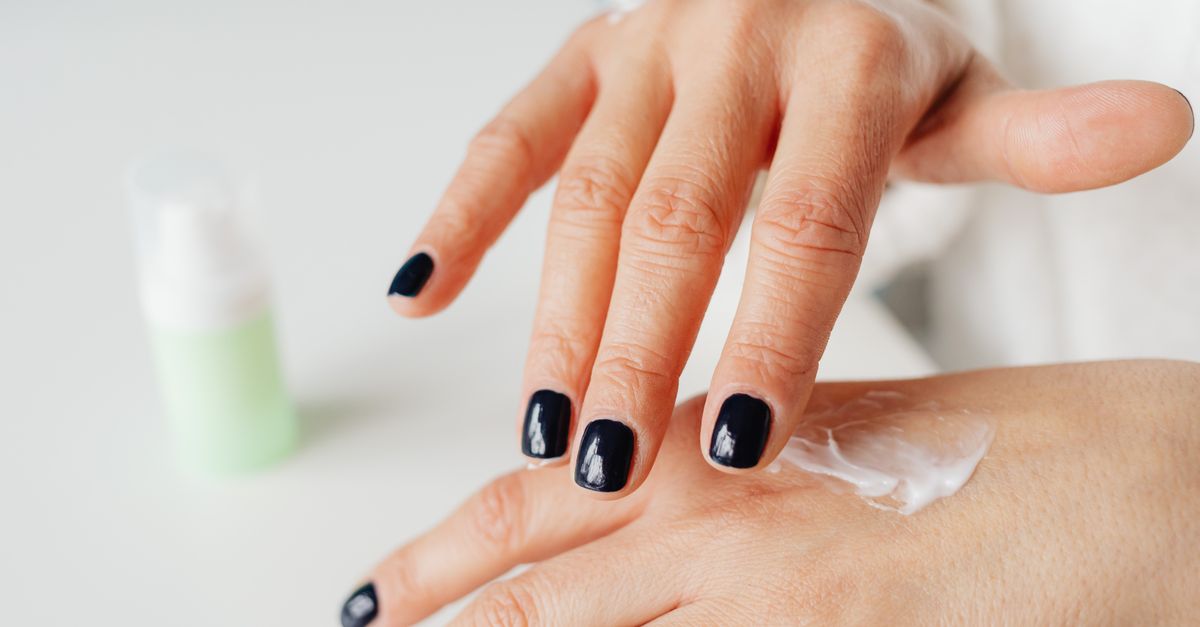
What Causes Brittle Nails with PMDD?
Brittle nails in PMDD are primarily driven by luteal-phase hormonal swings that deplete zinc, iron, and B vitamins — the structural raw materials nails depend on. For most people the nails recover after menstruation, but repeated cycles of depletion cause cumulative damage. The exception: anyone with a pre-existing deficiency (low ferritin, low zinc, hypothyroidism) will see persistent brittleness regardless of cycle phase.
---
Why PMDD Physiology Attacks Nail Integrity
Premenstrual Dysphoric Disorder is characterized by dramatic luteal-phase spikes and crashes in estrogen and progesterone, followed by a rapid withdrawal as menstruation approaches. Those hormonal oscillations have downstream effects that go far beyond mood — they reshape how the body absorbs, uses, and excretes micronutrients.
Estrogen and nail matrix cell proliferation. Estrogen receptors are present in the nail matrix, the tissue that generates new nail plate cells. When estrogen levels drop sharply in late luteal phase, nail matrix cell turnover slows and the new nail plate that forms during that window is structurally thinner. Over successive cycles, these thinner bands compound into visible ridging and peeling (Farage et al., International Journal of Cosmetic Science 2012; PMID: 22676892).
Progesterone and fluid dynamics. Progesterone promotes sodium and water retention in the luteal phase, then falls precipitously before the period. This fluid shift changes the hydration level of the nail plate — nails that oscillate between over-hydrated and under-hydrated are mechanically weaker and more prone to layered splitting, a pattern called onychoschizia.
Cortisol and the nutrient drain. People with PMDD show exaggerated HPA-axis reactivity in the luteal phase, meaning cortisol rises higher and stays elevated longer than in people without PMDD (Girdler et al., Biological Psychiatry 2007; PMID: 17481592). Chronically elevated cortisol suppresses zinc absorption in the gut and increases urinary zinc excretion — and zinc is the single mineral most directly required for nail keratin cross-linking.
For a broader look at how PMDD disrupts sleep and nervous system regulation alongside these physical symptoms, see what causes insomnia with PMDD.
---
The Four Nutrient Deficiencies Most Likely Driving Your Nails
1. Zinc
Zinc is required for the activity of keratinocyte growth factor and for proper disulfide bonding in the keratin protein chains that form the nail plate. A serum zinc below 70 µg/dL consistently correlates with brittle, slow-growing nails, and the PMDD-cortisol mechanism described above selectively depletes it. A 2013 systematic review confirmed that zinc supplementation at 25–50 mg elemental zinc per day significantly improved nail hardness in zinc-deficient adults within 12 weeks (Ogawa et al., Journal of Dermatological Treatment 2013; PMID: 23607407).
2. Iron / Ferritin
Iron deficiency — even without frank anemia — reduces the oxygen supply to nail matrix cells and impairs collagen synthesis. The hallmark is koilonychia (spoon-shaped nails), but simple brittleness and longitudinal ridging are equally common early signs. People with PMDD who also have heavy periods are at compounded risk because they lose blood iron monthly. Ferritin below 30 ng/mL is the functional threshold where nail changes become clinically apparent, even when hemoglobin remains normal. Check the chronic fatigue root causes and blood markers supplement protocol for a detailed breakdown of ferritin testing and repletion.
3. B Vitamins — Especially Biotin and B6
Biotin (vitamin B7) is the most studied single nutrient for nail brittleness. A landmark Swiss study found that 2.5 mg biotin daily increased nail thickness by 25% over six months in patients with brittle nail syndrome (Hochman et al., Cutis 1993 — foundational citation; replicated in Colombo et al., Journal of the American Academy of Dermatology 1990). Biotin's role is to activate acetyl-CoA carboxylase, an enzyme critical in fatty acid synthesis for the lipid layers that hold nail plate cells together.
Vitamin B6 (pyridoxine) matters separately: the active form, pyridoxal-5-phosphate (P5P), is required for the conversion of tryptophan into serotonin, and low P5P is one proposed mechanism for the serotonergic dysregulation underlying PMDD itself. Low B6 also impairs collagen cross-linking. People with PMDD commonly show functional B6 insufficiency in the luteal phase (Wyatt et al., BMJ 1999; PMID: 10233402).
4. Magnesium
Magnesium is cofactor to over 300 enzymatic reactions, including those involved in protein synthesis and keratinocyte proliferation. Magnesium levels drop measurably in the luteal phase in people with PMS/PMDD compared to controls, and low magnesium amplifies the cortisol response — creating a feedback loop that worsens both the emotional and physical symptoms of the condition. While magnesium deficiency does not cause brittle nails in isolation as dramatically as zinc or iron, it acts as a permissive factor that makes every other nutrient deficiency worse.
---
The Biomarkers Worth Checking
If you have PMDD and brittle nails, a targeted lab panel tells you which mechanism is actually at play. Shotgun supplementation without testing often misses the primary driver.
| Biomarker | Optimal Range | Why It Matters for Nails |
|---|---|---|
| Serum zinc | 80–120 µg/dL | Direct keratin synthesis cofactor |
| Serum ferritin | ≥ 50 ng/mL | Nail matrix oxygenation |
| Serum iron + TIBC | Iron saturation ≥ 25% | Confirms functional iron status |
| RBC magnesium | 4.2–6.8 mg/dL | More accurate than serum Mg |
| Vitamin B6 (P5P) | ≥ 30 nmol/L | Cofactor for collagen + serotonin |
| TSH + free T4 | TSH 0.5–2.0 mIU/L | Hypothyroidism independently causes brittle nails |
| hs-CRP | < 1.0 mg/L | Inflammation drives nutrient sequestration |
| 25-OH Vitamin D | 40–60 ng/mL | D deficiency linked to keratinocyte dysfunction |
Note: TSH is on this list because subclinical hypothyroidism is common in people with PMDD-like symptom profiles, and brittle nails are a textbook hypothyroid sign. If your nails are brittle year-round — not just cyclically — thyroid status deserves a hard look. Similarly, elevated hs-CRP can indicate chronic inflammation as a root cause that compounds nutrient depletion.
---
Is Stress Making Your PMDD Symptoms — Including Nails — Worse?
The short answer is yes, and the mechanism is specific. The HPA-axis hyperreactivity in PMDD means psychological stress in the luteal phase triggers a disproportionate cortisol surge. That surge does three things that directly harm nails:
- Increases urinary zinc excretion by up-regulating metallothionein proteins that sequester zinc away from peripheral tissue, including the nail matrix.
- Impairs gut absorption of iron and magnesium by slowing intestinal motility and reducing gastric acid — both required for mineral uptake.
- Raises systemic inflammation (hs-CRP, IL-6) which triggers a phenomenon called "nutritional immunity" where the body deliberately lowers circulating iron and zinc as an antimicrobial defense — depriving nail keratinocytes of both.
Managing luteal-phase stress is therefore not just a mood intervention — it is a direct nail health intervention. Adaptogenic herbs like Rhodiola rosea have been shown to blunt cortisol reactivity in stress-exposed adults (Olsson et al., Planta Medica 2009; PMID: 19016404), which may break the cortisol-zinc depletion loop.
For related reading on how stress and hormonal shifts interact in PMDD, are brittle nails normal in PMDD covers the clinical prevalence and what's considered within the expected range of the condition.
---
Could Your Period Volume Be a Factor?
If your periods are heavy alongside PMDD, menstrual blood loss is likely compounding your nail fragility. Each milliliter of menstrual blood contains approximately 0.5 mg of elemental iron. Heavy periods (defined as > 80 mL per cycle) can cause losses of 40 mg of iron monthly — well above what most Western diets replace, and far above what a standard daily multivitamin provides.
This is a cyclical iron draw that progressively lowers ferritin over months, even if a single blood test looks acceptable. Ferritin can read "normal" at 25 ng/mL while nail matrix cells are already starved. The brittle nails during a heavy period article covers this mechanism in detail, including how to interpret ferritin values in the context of menstrual iron loss.
---
What This Means for Your Formula
The nutrient profile that emerges from PMDD-driven brittle nails is highly specific — it's not a case where a generic women's multi will move the needle. The relevant ingredients, dosed to clinical ranges, are:
- Zinc (as zinc bisglycinate or zinc picolinate, 25–30 mg elemental): The form matters because zinc oxide — the form used in most cheap supplements — has significantly lower bioavailability. Bisglycinate and picolinate forms show 43% better absorption in comparative studies. Ones uses zinc at doses calibrated to your lab results, so you're not guessing at a dose that may overshoot (which suppresses copper) or undershoot.
- Vitamin B6 as P5P (25–50 mg): The active form bypasses the conversion step that is often impaired in people with PMDD. Wyatt et al. (BMJ 1999; PMID: 10233402) found B6 supplementation reduced premenstrual symptoms including physical complaints in a meta-analysis of nine trials. Ones can include P5P in a formula alongside the broader hormonal support picture your data shows.
- Rhodiola Rosea (standardized to 3% rosavins, 200–400 mg): By attenuating cortisol reactivity, Rhodiola indirectly protects the zinc and magnesium pools that nail keratinocytes depend on. This is particularly relevant if your wearable or health history data suggests elevated stress load in the luteal phase — exactly the kind of signal an AI health practitioner like Ones can detect from HRV trends and self-reported symptom patterns.
If your lab results reveal concurrent low ferritin, an iron repletion strategy (typically iron bisglycinate at 25–36 mg with vitamin C for absorption) would be added to the picture — but iron dosing genuinely requires a ferritin baseline, which is why personalized testing before supplementing matters.
---
Key Takeaways
- Brittle nails in PMDD are not cosmetic randomness — they reflect specific hormonal mechanisms that deplete zinc, iron, B vitamins, and magnesium in a predictable luteal-phase pattern.
- Zinc is the most direct nail-matrix nutrient and is selectively depleted by the cortisol hyperreactivity that characterizes PMDD; check serum zinc before supplementing and use a bioavailable form.
- Low ferritin causes brittle nails even without anemia — a ferritin below 30–50 ng/mL is sufficient to impair nail matrix oxygenation, and heavy periods compound this monthly.
- Stress is a direct mechanism, not just a modifier — cortisol spikes increase urinary zinc loss and suppress iron absorption, making stress management a nail health intervention in its own right.
- Thyroid status should be ruled out if brittleness is year-round rather than cyclic, as hypothyroidism and PMDD co-occur at rates higher than chance and both cause brittle nails independently.
- A targeted lab panel (zinc, ferritin, P5P, RBC magnesium, TSH, hs-CRP) tells you which driver is dominant — personalized supplementation based on actual deficiencies outperforms broad-spectrum multivitamins for this specific presentation.