Men's Health
What Causes Erectile Difficulty in Men Who Are Overweight?
Erectile difficulty affects up to 79% of men with obesity, yet the root causes are rarely a single issue. Excess body fat disrupts hormones, impairs blood vessel function, and increases inflammation — all simultaneously. Understanding which pathways are driving the problem is the first step toward fixing it.
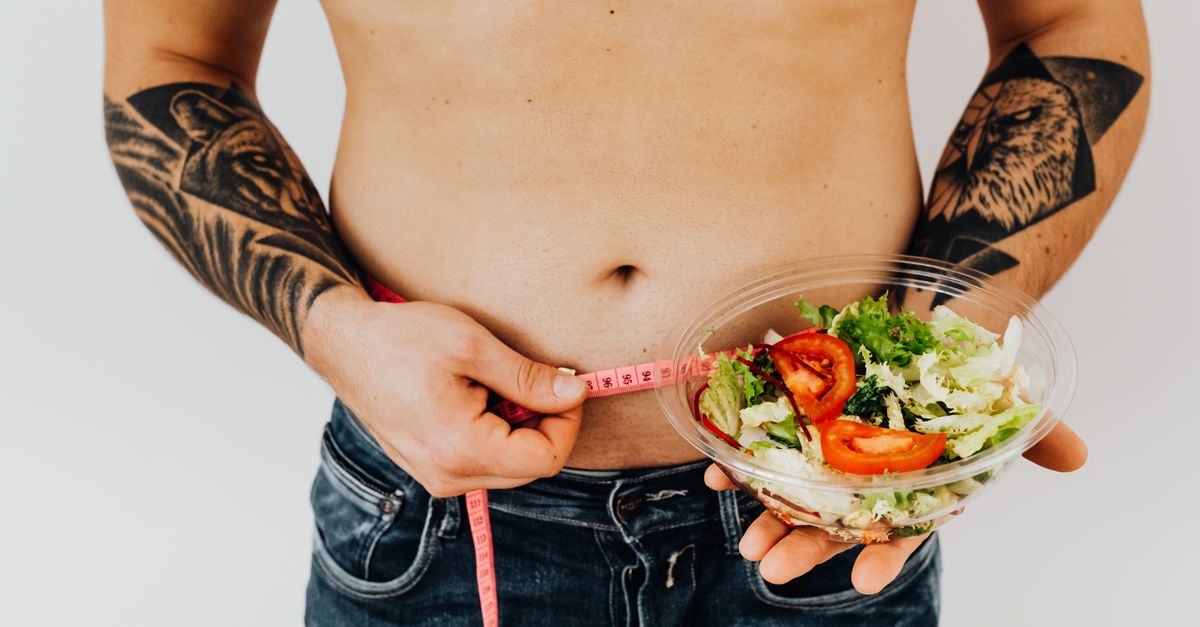
What Causes Erectile Difficulty in Men Who Are Overweight?
Yes, excess weight is a well-established driver of erectile difficulty — but not through one mechanism. Body fat converts testosterone into estrogen, stiffens blood vessels, promotes chronic inflammation, and disrupts insulin signaling all at once. The good news: for most men these are reversible drivers, not permanent damage, and targeted intervention makes a measurable difference.
---
How Excess Body Fat Disrupts the Hormonal Foundation of Erections
An erection requires a precise hormonal environment. Testosterone drives libido and supports nitric oxide (NO) synthesis — the molecular signal that relaxes smooth muscle in penile arteries and allows blood to fill erectile tissue. When testosterone falls, the entire cascade weakens.
Adipose (fat) tissue is metabolically active. It expresses high levels of the enzyme aromatase, which converts circulating testosterone directly into estradiol. The more visceral fat a man carries, the faster this conversion runs. Studies show that men with a BMI above 30 have significantly lower total and free testosterone than lean counterparts, and the relationship is dose-dependent — each unit of BMI increase correlates with a measurable drop in testosterone (Zumoff et al., Journal of Clinical Endocrinology & Metabolism; PMID: 14671177).
Elevated estradiol then feeds back to the hypothalamus, suppressing luteinizing hormone (LH) and further reducing testicular testosterone output. This creates a self-reinforcing loop: more fat → more aromatase → lower testosterone → less muscle → more fat.
For men also experiencing low libido alongside these hormonal changes, the testosterone–estradiol imbalance is almost always part of the picture.
---
Vascular Dysfunction: Why Blood Flow Is the Immediate Problem
Even with adequate testosterone, an erection cannot occur without sufficient penile blood flow. Erectile tissue depends on the endothelium — the single-cell lining inside blood vessels — releasing nitric oxide to dilate the helicine arteries.
Obesity impairs endothelial function through several routes:
- Insulin resistance: Excess fat, particularly visceral fat, blocks insulin signaling. Reduced insulin sensitivity impairs the phosphatidylinositol 3-kinase (PI3K) pathway that stimulates endothelial nitric oxide synthase (eNOS), meaning less NO is produced (Montague et al., Journal of Urology 2005; PMID: 15821518).
- Dyslipidemia: Elevated LDL and triglycerides accelerate atherosclerotic plaque in the cavernosal arteries — the small vessels that supply the penis. Atherosclerosis reduces luminal diameter and increases arterial stiffness.
- Oxidative stress: Fat tissue generates reactive oxygen species that scavenge nitric oxide before it can act, further blunting vasodilation.
- Hypertension: Obesity raises blood pressure, which directly stiffens arterial walls and reduces the compliance needed for rapid engorgement.
A landmark meta-analysis found that erectile dysfunction is an independent predictor of future cardiovascular events — the penile vasculature, with its small-diameter vessels, shows atherosclerotic changes earlier than coronary arteries (Vlachopoulos et al., Circulation 2005; PMID: 16061743). In clinical terms, erectile difficulty in an overweight man is often the first vascular warning sign, not a cosmetic complaint.
---
Inflammation, Cortisol, and Psychological Load
Visceral fat is not inert storage. It secretes pro-inflammatory cytokines — TNF-α, IL-6, and leptin — that circulate systemically and suppress both testosterone production and endothelial function. Chronically elevated inflammation also raises cortisol.
High cortisol competes directly with testosterone at the receptor level and suppresses GnRH pulsatility, reducing LH signaling to the testes. For men already dealing with low energy related to excess weight, elevated cortisol from metabolic stress compounds the hormonal burden considerably.
There is also a well-documented psychological dimension. Body image, performance anxiety, and depression — all more prevalent in overweight men — activate the sympathetic nervous system. Sympathetic activation releases norepinephrine, which constricts the smooth muscle of cavernosal arteries and actively opposes the parasympathetic-driven vasodilation required for erection. This creates a feedback loop where one episode of difficulty generates anxiety that makes the next episode more likely.
---
Key Biomarkers to Investigate
If you're experiencing erectile difficulty and carry excess weight, these are the labs worth requesting:
| Biomarker | Why It Matters | Optimal Range |
|---|---|---|
| Total Testosterone | Reflects overall androgen status | 500–900 ng/dL |
| Free Testosterone | Biologically active fraction | 15–25 pg/mL |
| Estradiol (E2) | High E2 suppresses LH and libido | 20–30 pg/mL |
| SHBG | Binds testosterone, reduces free fraction | 20–50 nmol/L |
| Fasting Insulin | Proxy for insulin resistance | < 10 µIU/mL |
| Fasting Glucose / HbA1c | Glycemic load affects vascular health | Glucose < 90 mg/dL; HbA1c < 5.5% |
| hsCRP | Systemic inflammation marker | < 1.0 mg/L |
| LDL & Triglycerides | Atherosclerotic risk | LDL < 100 mg/dL; TG < 100 mg/dL |
| Cortisol (AM serum) | HPA axis stress load | 10–18 µg/dL |
These biomarkers tell a story. Elevated estradiol with low testosterone points to aromatase overactivity. High fasting insulin with normal glucose flags insulin resistance before diabetes develops. Elevated hsCRP alongside high triglycerides suggests the fat-tissue inflammatory cascade is in full effect.
---
The Role of Zinc in Testosterone Regulation
Zinc is a critical cofactor in testosterone synthesis and is also a natural aromatase inhibitor. In overweight men, zinc depletion is common — higher urinary zinc losses accompany insulin resistance, and dietary intake is often insufficient. Clinical data show that zinc supplementation at 25–45 mg/day restores testosterone in deficient men (Prasad et al., Nutrition 1996; PMID: 8875519).
Zinc also supports healthy sperm morphology and the immune pathways that regulate inflammation. For men who are borderline deficient — not severely depleted — the testosterone-supporting effect is still meaningful but more modest. This is why checking serum or RBC zinc before supplementing matters: correcting a real deficit produces results; megadosing without deficit does not.
---
Omega-3 Fatty Acids and Vascular Health
Long-chain omega-3s (EPA and DHA) reduce triglycerides, lower systemic inflammation, and improve endothelial function — all three of which are compromised in overweight men with erectile difficulty. A 2012 meta-analysis across multiple randomized trials confirmed that EPA+DHA supplementation at 1–4g/day reduces triglycerides by 20–30% and improves endothelial-dependent vasodilation (Skulas-Ray et al., Atherosclerosis 2011; PMID: 21855082).
Improved endothelial function means better eNOS activation and more nitric oxide availability — directly benefiting the vascular mechanism of erection. Omega-3s are not a substitute for addressing the underlying metabolic problem, but they are one of the most evidence-backed adjunct interventions for the vascular component.
---
What About Brain Fog and Cognitive Symptoms?
Erectile difficulty rarely travels alone. Many overweight men simultaneously report difficulty concentrating and mental sluggishness. This is not coincidental — the same vascular impairment, elevated cortisol, and low testosterone that suppress penile blood flow also impair cerebral perfusion and dopamine signaling. If that combination sounds familiar, the article on what causes brain fog in men who are overweight covers the overlapping mechanisms in detail.
---
Belly Fat as Both Cause and Consequence
Visceral fat — the fat stored around abdominal organs — is the metabolically active type that drives aromatase activity, insulin resistance, and inflammation most aggressively. Subcutaneous fat (under the skin) is far less harmful hormonally.
Understanding what causes belly fat in overweight men matters here because reducing visceral fat specifically — not just overall weight — is what reverses the hormonal cascade most effectively. Caloric restriction alone often reduces subcutaneous fat preferentially; resistance training and correcting insulin resistance target visceral fat more specifically.
A study following overweight men through a structured exercise and diet intervention found that a 10% reduction in body weight produced a 15% increase in total testosterone on average — a clinically meaningful shift that corresponded with improved erectile function scores (Corona et al., Journal of Sexual Medicine 2013; PMID: 23651423).
---
What This Means for Your Formula
Because erectile difficulty in overweight men is multi-causal, a single supplement never resolves it. But targeting the documented deficits — zinc for aromatase inhibition and testosterone support, omega-3s for vascular endothelial function, and Ones' Adrenal Support blend for the cortisol/HPA axis component — addresses three distinct pathways simultaneously.
Ones analyzes blood work, wearable data, and health history through its AI health practitioner to identify which of these mechanisms is most active for an individual. If labs show elevated estradiol and low free testosterone alongside high triglycerides and hsCRP, the formula prioritizes accordingly:
- Zinc (at doses calibrated to serum deficit, typically 25–45 mg) to support testosterone synthesis and reduce aromatase activity
- Omega-3 EPA/DHA at clinically meaningful doses (typically 1–2g combined EPA+DHA) to address dyslipidemia and endothelial function
- Adrenal Support — Ones' proprietary blend — to address HPA axis dysregulation and the cortisol burden that compounds testosterone suppression
Rather than a generic men's multi, a personalized formula built from actual lab findings accounts for the fact that two overweight men with the same BMI can have completely different hormonal and vascular profiles driving their symptoms.
---
Key Takeaways
- Erectile difficulty in overweight men is multi-causal: excess fat raises estrogen via aromatase, lowers testosterone, impairs endothelial nitric oxide production, and increases cortisol and inflammation simultaneously.
- Vascular impairment is often the immediate mechanism: penile blood vessels show atherosclerotic changes early — erectile difficulty can be the first cardiovascular warning sign.
- Key biomarkers to check: total and free testosterone, estradiol, SHBG, fasting insulin, hsCRP, and lipid panel — these reveal which pathway is dominant.
- Zinc corrects aromatase overactivity in men with confirmed deficiency; omega-3 EPA/DHA directly improves endothelial function and reduces triglycerides at 1–4g/day.
- A 10% reduction in body weight produces roughly a 15% increase in testosterone on average — visceral fat reduction specifically drives this change.
- Personalized supplementation based on actual labs outperforms generic formulas because the driver varies: for some men it's hormonal, for others primarily vascular, for others cortisol-mediated.
---
This article is for informational purposes only and does not constitute medical advice. Consult a qualified healthcare provider before making changes to your supplement regimen or if you are experiencing erectile dysfunction.