Supplements
What Causes High ApoB?: Evidence-Based Supplement and Lifestyle Strategies
ApoB is rapidly becoming the gold-standard marker for cardiovascular risk, yet most people have never had it tested — and fewer still know what drives it high. Elevated ApoB signals a traffic jam of atherogenic particles in your bloodstream, each one capable of lodging in arterial walls. Understanding what causes high ApoB, and how overlapping inflammatory markers like CRP, homocysteine, fibrinogen, and ESR compound that risk, is now essential preventive medicine.
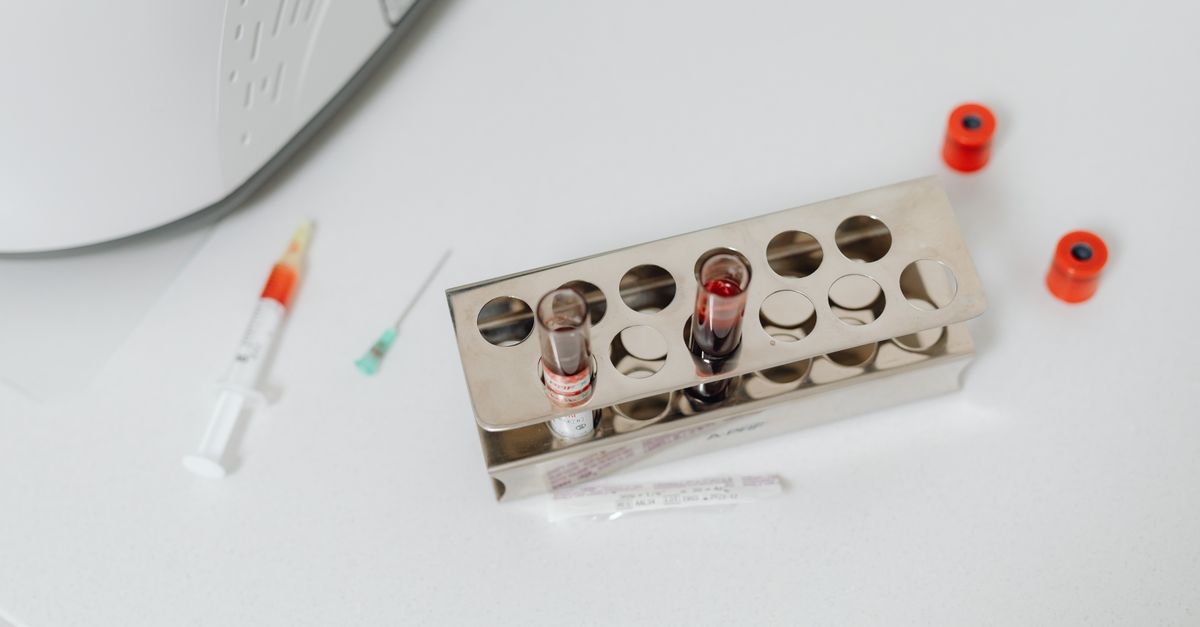
What Causes High ApoB?
Apolipoprotein B (ApoB) is a structural protein that sits on the surface of every atherogenic lipoprotein particle — VLDL, IDL, LDL, and Lp(a). Because each of these particles carries exactly one ApoB molecule, your ApoB concentration is essentially a direct particle count for cardiovascular risk. A 2021 analysis published in the Journal of the American College of Cardiology demonstrated that ApoB outperforms LDL-cholesterol in predicting major adverse cardiovascular events (MACE), particularly in people with metabolic syndrome or insulin resistance (Sniderman et al., JACC 2021; PMID: 34593121).
So what pushes ApoB higher than it should be?
1. Dietary Saturated and Trans Fat Intake
Saturated fatty acids — particularly lauric, myristic, and palmitic acid — upregulate hepatic LDL receptor degradation via PCSK9 induction, reducing LDL clearance and raising circulating ApoB-containing particles. Trans fats (partially hydrogenated oils) simultaneously raise LDL and lower HDL, a doubly damaging effect. A landmark meta-analysis in the BMJ confirmed that replacing saturated fat with polyunsaturated fat reduced cardiovascular events and lowered ApoB-carrying particle concentrations (Hooper et al., BMJ 2020; PMID: 32428864).
2. Insulin Resistance and Metabolic Syndrome
When cells become resistant to insulin, the liver overproduces VLDL particles to export excess triglycerides — and each VLDL carries an ApoB molecule. This VLDL overproduction is one of the most potent drivers of elevated ApoB. As VLDL is remodeled in circulation, it generates small, dense LDL particles — the most atherogenic subclass. People with metabolic syndrome commonly have ApoB levels that are disproportionately high relative to their total LDL cholesterol, which is precisely why measuring ApoB (not just LDL-C) matters so much in this population.
3. Hypothyroidism
Thyroid hormone directly regulates LDL receptor expression on hepatocytes. When thyroid function is low — even subclinically — LDL receptor activity drops, ApoB-containing particles accumulate, and total ApoB rises. This is often a reversible cause: treating hypothyroidism typically brings ApoB back toward optimal range. If your ApoB is elevated and you haven't had a full thyroid panel, that's a critical gap to address.
4. Genetics: FH and ApoB Gene Variants
Familial hypercholesterolemia (FH) and familial combined hyperlipidemia (FCH) are the most clinically significant genetic contributors to high ApoB. FH involves mutations in LDL receptor genes; FCH can involve overexpression of ApoB itself. Individuals with these conditions often have ApoB levels exceeding 130 mg/dL regardless of diet and lifestyle, and typically require pharmacological intervention alongside nutritional strategies.
5. Alcohol and Liver Health
Excess alcohol elevates VLDL synthesis — again, because the liver must export excess acetyl-CoA derived from alcohol metabolism as triglycerides packed into VLDL particles. This is why ApoB often rises in people who drink regularly even without obvious liver disease.
---
What Causes High Fibrinogen?
Fibrinogen is a clotting protein produced in the liver that doubles as an acute-phase reactant. When inflammation is present — whether systemic, metabolic, or infectious — the liver upregulates fibrinogen as part of the immune response. Elevated fibrinogen (typically >400 mg/dL) is independently associated with cardiovascular risk because it promotes platelet aggregation and thrombus formation.
The most common drivers of high fibrinogen include:
- Chronic low-grade inflammation (obesity, periodontitis, metabolic syndrome)
- Smoking — one of the most potent fibrinogen-elevating exposures
- Estrogen therapy and oral contraceptives
- Physical inactivity — regular aerobic exercise consistently lowers fibrinogen
- High refined carbohydrate intake — elevates insulin and inflammatory cytokines
A pooled analysis found that fibrinogen levels in the top tertile were associated with roughly a 2-fold increase in coronary heart disease risk compared to the bottom tertile (Danesh et al., JAMA 1998; PMID: 9443813). Omega-3 fatty acids — specifically EPA and DHA — have demonstrated meaningful reductions in fibrinogen in clinical trials, likely via suppression of hepatic IL-6 signaling.
---
What Causes High Homocysteine?
Homocysteine is a sulfur-containing amino acid that accumulates when methionine metabolism is impaired. It's damaging to endothelial cells, promotes oxidative stress, and is a recognized independent risk factor for arterial disease, venous thrombosis, and cognitive decline.
The leading causes of elevated homocysteine include:
| Cause | Mechanism |
|---|---|
| MTHFR polymorphism | Impaired conversion of folate to 5-MTHF |
| Low folate, B6, or B12 intake | Cofactors required for homocysteine remethylation |
| Renal insufficiency | Reduced urinary homocysteine clearance |
| Hypothyroidism | Decreased cystathionine beta-synthase activity |
| High methionine diet (excess red meat) | Substrate overflow |
| Metformin or proton pump inhibitor use | B12 depletion |
A 2010 meta-analysis in BMJ confirmed that for every 5 µmol/L rise in homocysteine, cardiovascular risk increases approximately 20% (Clarke et al., BMJ 2010; PMID: 20688283). The good news: B-vitamin supplementation — particularly methylfolate, methylcobalamin (B12), and pyridoxal-5-phosphate (B6) — reliably lowers homocysteine in deficient individuals.
For people with the MTHFR C677T variant, standard folic acid is poorly converted, making methylated B-vitamin forms essential rather than optional.
---
What Causes High ESR (Erythrocyte Sedimentation Rate)?
ESR measures how quickly red blood cells settle to the bottom of a test tube — a proxy for the level of acute-phase proteins (especially fibrinogen) in plasma. High ESR is a nonspecific but sensitive marker of systemic inflammation or infection.
Common causes of elevated ESR include:
- Autoimmune conditions: rheumatoid arthritis, lupus, inflammatory bowel disease
- Chronic infections: tuberculosis, endocarditis
- Anemia: fewer red cells settle more slowly, raising apparent ESR
- Malignancy: particularly lymphoma and multiple myeloma
- Aging and female sex: ESR rises physiologically with age and is naturally higher in women
While ESR is rarely used in isolation for cardiovascular risk assessment, persistently elevated ESR combined with high ApoB, high fibrinogen, and elevated CRP creates a coherent picture of systemic inflammation driving atherogenesis. When these markers cluster, lifestyle and targeted supplementation strategies become even more important.
---
What Causes High CRP?
C-reactive protein (CRP) — and especially high-sensitivity CRP (hs-CRP) — is the most widely used inflammatory biomarker in cardiovascular medicine. The liver produces CRP in response to IL-6, which is released by adipose tissue, macrophages, and damaged endothelium.
Key drivers of elevated hs-CRP:
- Visceral adiposity — fat cells secrete IL-6 and TNF-α continuously
- Poor sleep quality — even one week of sleep restriction elevates CRP measurably
- Periodontal disease — oral bacteria are a frequently overlooked inflammatory trigger
- Ultra-processed food diets — advanced glycation end-products (AGEs) activate NF-κB
- Psychological stress — cortisol dysregulation impairs anti-inflammatory signaling
- Sedentary behavior — exercise reduces CRP via IL-6-mediated anti-inflammatory pathways
The JUPITER trial (20,000+ participants) showed that statin therapy in people with low LDL but elevated hs-CRP (>2 mg/L) reduced cardiovascular events by 44% — establishing CRP as a clinically actionable treatment target, not just a risk predictor (Ridker et al., NEJM 2008; PMID: 18997196).
High CRP and high ApoB together are especially dangerous: ApoB-containing particles lodge more easily in inflamed arterial walls, and inflammation accelerates atherosclerotic plaque progression. Addressing both simultaneously is the foundation of modern preventive cardiology.
---
Evidence-Based Supplement Strategies for ApoB and Inflammatory Markers
Supplement research in this area has matured considerably. The following interventions have the strongest clinical evidence:
Omega-3 Fatty Acids (EPA/DHA)
High-dose omega-3s — particularly EPA at doses of 2–4 g/day — reduce VLDL synthesis, lower triglycerides (by 25–30%), and modestly reduce ApoB in hypertriglyceridemic individuals. The REDUCE-IT trial demonstrated a 25% reduction in cardiovascular events with 4 g/day of icosapentaenoic acid (EPA) in statin-treated patients with elevated triglycerides (Bhatt et al., NEJM 2019; PMID: 30415628). Omega-3s also reduce fibrinogen and CRP, making them one of the most broadly useful interventions for the marker cluster discussed in this article.
Plant Sterols and Stanols
At doses of 2–3 g/day, plant sterols competitively inhibit cholesterol absorption in the gut, reducing LDL-C by 8–10% and modestly lowering ApoB. They're particularly useful as an adjunct in people who prefer to delay or minimize statin use.
Berberine
Berberine activates AMPK, which in turn upregulates LDL receptor expression on hepatocytes — functionally similar to statin mechanisms. A meta-analysis found berberine reduced LDL-C by approximately 23 mg/dL and triglycerides by 22 mg/dL compared to placebo, with corresponding ApoB reductions.
B-Vitamin Complex (Methylated Forms)
For elevated homocysteine — a co-driver of endothelial damage — methylfolate, methylcobalamin, and P5P (pyridoxal-5-phosphate) are the targeted intervention. These forms bypass common MTHFR polymorphism bottlenecks that make standard folic acid ineffective in a significant portion of the population.
---
What This Means for Your Formula
At Ones, the AI health practitioner analyzes your lipid panel, inflammatory markers, and wearable data together — because high ApoB doesn't exist in isolation. It clusters with elevated CRP, fibrinogen, and homocysteine in a pattern that demands a multi-target response.
Depending on your specific findings, a Ones formula for this marker cluster might include:
- Omega-3 (EPA/DHA) dosed to clinical ranges relevant to your triglyceride and ApoB levels — the same EPA/DHA combination studied in REDUCE-IT and dozens of cardiovascular trials. Ones sources a pharmaceutical-grade, molecularly distilled Omega-3 concentrate to ensure purity and potency.
- Methylated B-Complex (folate as 5-MTHF, B12 as methylcobalamin, B6 as P5P) for elevated homocysteine — especially critical if you carry MTHFR variants, which lab results or genetic data can reveal. This directly addresses one of the most correctable drivers of endothelial injury in the ApoB-CRP-homocysteine triad.
- Heart Support blend — Ones' proprietary Heart Support System Blend is formulated to address cardiovascular system demands with clinically supported ingredients. If your markers indicate systemic inflammatory cardiovascular risk, this blend may be integrated into your formula alongside individual actives.
Because Ones formulas are built in 6 or 9-capsule daily plans calibrated by the AI to your specific biomarker findings, you're not guessing at doses or stacking supplements blindly. The formula is constructed to address the specific combination and severity of your elevated markers.
If you've had lipid panel results showing high ApoB alongside elevated hs-CRP or homocysteine, understanding your cardiovascular inflammation biomarkers and how to lower LDL particle count naturally are worthwhile reads before building your protocol. For the metabolic-inflammatory connection, insulin resistance and lipid dysregulation provides essential context.
---
Key Takeaways
- ApoB is a particle count, not a cholesterol measure — it predicts cardiovascular risk more precisely than LDL-C, especially in metabolic syndrome and insulin resistance.
- Dietary saturated fat, insulin resistance, hypothyroidism, genetics, and excess alcohol are the leading causes of elevated ApoB.
- High fibrinogen, homocysteine, ESR, and CRP are not separate issues — they cluster with high ApoB and compound atherogenic risk through inflammation, endothelial damage, and thrombosis.
- Omega-3 fatty acids (EPA/DHA) are the most broadly effective supplement intervention across this entire marker cluster, reducing VLDL, triglycerides, ApoB, fibrinogen, and CRP.
- Methylated B-vitamins (5-MTHF, methylcobalamin, P5P) are essential for homocysteine reduction, especially in people with MTHFR polymorphisms.
- Personalized formulas that respond to your specific biomarker findings — like those built by Ones — are more effective than generic cardiovascular supplements because they match dose, form, and ingredient selection to your actual data.
This article is for informational purposes only and does not constitute medical advice. Always consult a qualified healthcare provider before making changes to your supplement regimen or treatment plan.