Women's Health
What Causes High Fasting Insulin in Women?
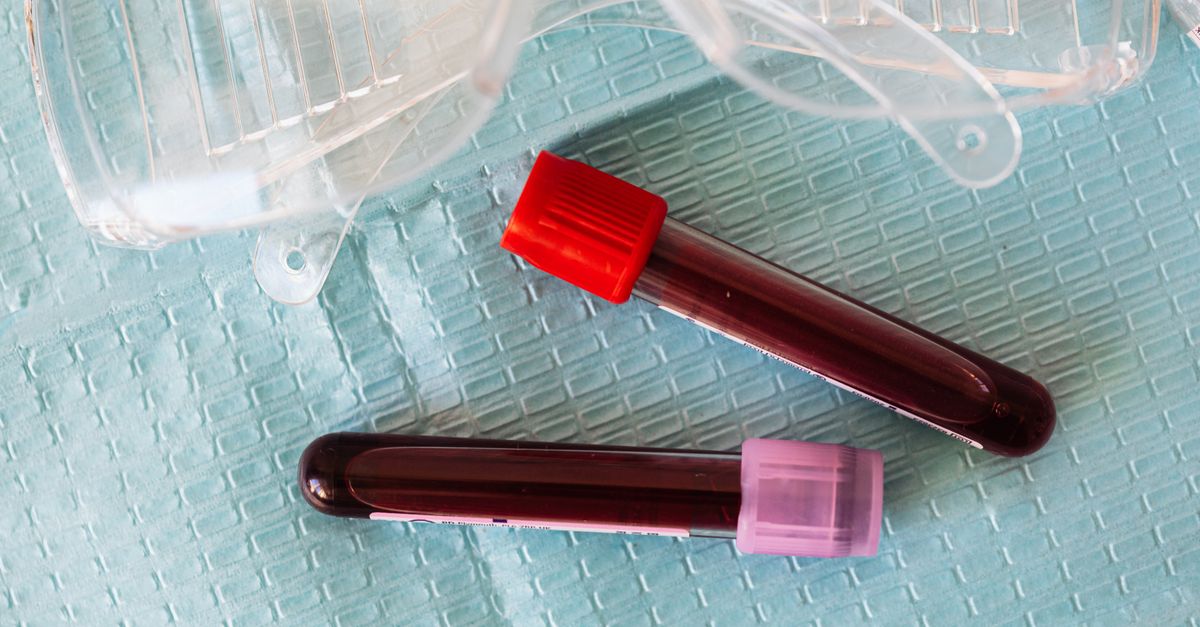
Elevated fasting insulin affects millions of women — often years before glucose or HbA1c shows anything unusual. The root causes range from PCOS and visceral fat to thyroid dysfunction and chronic stress, and the fix depends heavily on which driver is dominant. Here's what the evidence says about identifying and addressing each one.
What Causes High Fasting Insulin in Women?
High fasting insulin in women is most often caused by insulin resistance — a state in which cells stop responding efficiently to insulin, forcing the pancreas to secrete more just to keep glucose stable. The main caveat: several female-specific factors, including polycystic ovary syndrome (PCOS), estrogen fluctuations, and chronic psychological stress, amplify this resistance independently of diet. Women with PCOS are the clearest exception — insulin resistance can be severe even at a healthy body weight.
---
Why Fasting Insulin Matters More Than Fasting Glucose
Fasting glucose is the standard metabolic screening test, but it is a lagging indicator. By the time fasting glucose crosses 100 mg/dL, the pancreas may have been overproducing insulin for five to ten years. Fasting insulin, by contrast, rises first — often while glucose remains perfectly normal (Crofts et al., Journal of Insulin Resistance 2015; PMID: 26366155).
A functional reference range for fasting insulin is widely considered to be below 8 µIU/mL, with optimal sitting between 2–6 µIU/mL. Values above 10 µIU/mL are associated with increasing cardiometabolic risk even when fasting glucose looks normal. HOMA-IR — calculated as (fasting insulin × fasting glucose) ÷ 405 — gives a composite picture of resistance. A HOMA-IR above 1.9 is generally considered elevated, and values above 2.9 correlate with metabolic syndrome criteria in large population studies.
If you want more detail on why this test is underused and how to interpret your number, see why fasting insulin is more useful than glucose for metabolic health.
---
The Root Causes of High Fasting Insulin in Women
1. Insulin Resistance Driven by Excess Visceral Fat
Visceral adipose tissue (fat stored around the organs) is metabolically active. It releases free fatty acids and pro-inflammatory cytokines — including TNF-α and IL-6 — that directly impair insulin receptor signaling in muscle, liver, and fat cells (Hotamisligil et al., Science 1993; PMID: 8248795). Women tend to accumulate visceral fat during perimenopause as estrogen levels fall, which partly explains why insulin resistance often worsens in the mid-40s even without major weight gain.
Importantly, visceral fat is not the same as total body fat. A woman with a normal BMI can carry a clinically significant visceral fat depot — sometimes called TOFI (thin outside, fat inside) — that drives hyperinsulinemia with no external sign. Waist circumference above 35 inches in women is a more sensitive proxy for visceral fat than weight alone, and a waist-to-hip ratio above 0.85 flags elevated metabolic risk even in the normal BMI range.
2. Polycystic Ovary Syndrome (PCOS)
PCOS affects an estimated 8–13% of reproductive-age women and is bidirectionally linked to hyperinsulinemia. Elevated insulin stimulates ovarian androgen production, which disrupts ovulation. Simultaneously, many women with PCOS have an intrinsic post-receptor defect in insulin signaling that is independent of body weight — meaning lean women with PCOS can have clinically elevated fasting insulin even without obesity (Dunaif et al., Diabetes 1989; PMID: 2535512). If your fasting insulin is high and you have irregular periods, acne, or elevated androgens, PCOS should be formally evaluated.
The post-receptor signaling defect in PCOS involves serine phosphorylation of IRS-1 rather than the correct tyrosine phosphorylation — an intrinsic molecular abnormality that persists regardless of diet, exercise, or weight. This is why some women with PCOS see fasting insulin normalize only partially with lifestyle changes and require pharmacological or targeted nutraceutical support.
3. Chronic Stress and HPA Axis Dysregulation
Cortisol is a counter-regulatory hormone that raises blood glucose by promoting gluconeogenesis and suppressing glucose uptake in peripheral tissues. Chronic elevation of cortisol — from work stress, poor sleep, or unresolved trauma — sustains a low-grade insulin-resistant state. In women, HPA axis dysregulation from chronic stress is also associated with disrupted estrogen and progesterone cycling, compounding the metabolic effect. Studies tracking cortisol awakening response have linked blunted or exaggerated cortisol patterns to higher HOMA-IR scores in pre-menopausal women (Champaneri et al., Obesity 2013; PMID: 22972073).
4. Sleep Disruption
Even a single week of sleep restricted to 5 hours per night reduces insulin sensitivity by 20–25% in controlled trials (Spiegel et al., Sleep 1999; PMID: 10543671). Shift work, insomnia, and obstructive sleep apnea — all more prevalent in overweight women — create a chronic insulin-raising environment through both cortisol dysregulation and impaired glucose transporter expression.
Mechanistically, sleep deprivation reduces adiponectin (an insulin-sensitizing adipokine) and elevates ghrelin, shifting appetite toward higher-glycemic foods the following day. This creates a reinforcing cycle: poor sleep → worse food choices → higher postprandial insulin spikes → elevated fasting insulin baseline. Addressing sleep quality is therefore not secondary to diet in an insulin-lowering protocol — it is co-equal.
5. Dietary Pattern: Ultra-Processed Food and Refined Carbohydrates
Highly refined carbohydrates and ultra-processed foods provoke rapid glucose spikes, demanding large insulin pulses. Over time, repeated high postprandial insulin peaks desensitize receptors and raise the baseline fasting level. Liquid calories — sugary drinks, juice, alcohol — are particularly problematic because they bypass satiety signaling while still triggering insulin secretion.
The glycemic index alone is an imperfect guide. Glycemic load — which accounts for portion size — is a more practical predictor of insulin demand. A single large serving of a moderate-GI food can produce a greater insulin response than a small serving of a high-GI food. Women who track carbohydrate quality rather than just carbohydrate quantity tend to see more consistent reductions in fasting insulin over 12-week dietary interventions.
6. Thyroid Dysfunction
Hypothyroidism and high TSH reduce basal metabolic rate and impair glucose clearance from circulation, which pushes the pancreas to produce more insulin. Women are 5–8 times more likely than men to develop hypothyroidism, making this an underappreciated contributor to elevated fasting insulin in female patients. If your TSH is trending high, see what causes high TSH in women for a deeper breakdown.
Subclinical hypothyroidism — defined as TSH between 4.5 and 10 mIU/L with normal free T4 — is clinically relevant here. Even without overt hypothyroid symptoms, subclinical thyroid underfunction reduces hepatic LDL receptor activity, raises triglycerides, and blunts insulin-mediated glucose disposal. Correcting thyroid function, whether through medication or addressing underlying autoimmunity, can meaningfully reduce fasting insulin without any change to diet or exercise.
7. Chronic Low-Grade Inflammation
Elevated high-sensitivity CRP (hs-CRP) and other inflammatory markers impair IRS-1 (insulin receptor substrate-1) phosphorylation — the molecular handshake that normally allows insulin to open glucose uptake in cells. In women, chronic inflammation from autoimmune conditions, gut dysbiosis, and even subclinical infections can chronically elevate insulin even when diet and exercise appear adequate. You can read more about how inflammation links to metabolic risk at what causes high CRP in women.
8. Sedentary Behavior
Skeletal muscle is the primary site of insulin-stimulated glucose disposal. Low muscle mass and physical inactivity reduce the body's glucose-clearing capacity, leaving more work for insulin. Resistance training increases GLUT4 transporter expression in muscle, meaningfully improving insulin sensitivity over 8–12 weeks — independent of weight loss.
A 2010 meta-analysis of resistance training interventions in adults with insulin resistance found that 8 weeks of progressive resistance training reduced HOMA-IR by an average of 0.57 units — a clinically meaningful shift achieved without caloric restriction (Strasser et al., Sports Medicine 2010; PMID: 20199121). Women with lower baseline muscle mass tend to show the largest absolute improvements, making resistance training a high-yield intervention specifically for this population.
9. Elevated Ferritin and Iron Overload
This cause is frequently missed. Excess stored iron promotes oxidative stress in the pancreatic beta cells and liver, impairing both insulin secretion quality and hepatic insulin clearance. Women with hereditary hemochromatosis or habitually high red meat intake can accumulate iron silently for years before a ferritin test flags the problem. Ferritin above 150–200 ng/mL in women warrants investigation when fasting insulin is also elevated. For more context, what causes high ferritin in women covers the diagnostic pathway in detail.
---
Which Lab Markers Should You Check Alongside Fasting Insulin?
Fasting insulin doesn't exist in isolation. A complete metabolic picture for a woman with suspected insulin resistance should include:
| Lab Marker | Why It Matters | Optimal Range |
|---|---|---|
| Fasting insulin | Earliest resistance marker | 2–6 µIU/mL |
| Fasting glucose | Lagging glucose indicator | 70–85 mg/dL |
| HOMA-IR (calculated) | Composite resistance score | < 1.5 optimal |
| HbA1c | 90-day glucose average | < 5.4% |
| Triglycerides | Closely tracks insulin resistance | < 100 mg/dL |
| HDL cholesterol | Low HDL correlates with IR | > 60 mg/dL |
| hs-CRP | Inflammation driving resistance | < 1.0 mg/L |
| TSH | Thyroid-glucose connection | 0.5–2.5 mIU/L |
| Ferritin | Iron overload raises IR risk | 30–100 ng/mL |
The triglyceride-to-HDL ratio deserves special attention: a ratio above 3.0 (in mg/dL units) is a strong surrogate marker of insulin resistance and small dense LDL particle predominance, even when total cholesterol looks acceptable. Women with a ratio above 3.5 alongside a fasting insulin above 10 µIU/mL represent a high-priority group for lifestyle and supplement intervention.
For guidance on whether you should be testing fasting insulin at all, should women get fasting insulin tested covers the clinical arguments for and against routine screening.
---
Evidence-Based Strategies to Lower Fasting Insulin
Dietary Approaches
- Reduce refined carbohydrate load. Replacing refined grains with whole-food carbohydrates lowers postprandial glucose peaks and reduces cumulative insulin demand over the day.
- Increase dietary fiber. Soluble fiber slows gastric emptying and blunts glucose absorption. Aim for 25–35 g/day from vegetables, legumes, and whole grains.
- Time-restricted eating (TRE). Compressing eating into an 8–10 hour window lowers fasting insulin independent of caloric restriction in several randomized trials. A 12-week TRE intervention in women with PCOS reduced fasting insulin by approximately 9 µIU/mL compared to controls (Gabel et al., Obesity 2018; PMID: 29952134).
- Prioritize protein. Protein-forward meals reduce total carbohydrate intake by displacing refined calories and support muscle synthesis that improves insulin sensitivity.
- Add vinegar or fermented foods. Acetic acid in apple cider vinegar has been shown in small trials to blunt postprandial glucose and insulin by slowing carbohydrate absorption — not a primary intervention, but a low-risk adjunct to a whole-food dietary pattern.
Exercise Protocol
- Resistance training 2–3 times per week targeting major muscle groups (squats, deadlifts, rows)
- Post-meal walks of 10–15 minutes to blunt postprandial glucose spikes
- Low-intensity steady-state cardio (30 min, 3–4×/week) to increase mitochondrial density
- Prioritize building and maintaining muscle mass over age 35, when muscle protein synthesis rates begin to decline — this directly protects insulin sensitivity across the menopausal transition
Sleep and Stress Management
- Target 7–9 hours of sleep per night with consistent sleep and wake times
- Manage cortisol via breathwork, progressive muscle relaxation, or structured mindfulness
- Screen for sleep apnea if you snore, wake unrefreshed, or are overweight
---
What This Means for Your Formula
When blood work shows elevated fasting insulin, a well-designed supplement protocol targets multiple mechanisms simultaneously — not just glucose. Ones analyzes your lab results and builds a custom capsule formula calibrated to those findings. For insulin resistance, three ingredients have the strongest clinical evidence:
Berberine activates AMPK — the same cellular energy sensor activated by exercise — and has been shown to reduce fasting insulin and HOMA-IR in randomized controlled trials. A meta-analysis of 27 RCTs found berberine significantly improved fasting insulin, fasting glucose, and HbA1c compared to placebo (Liang et al., Evidence-Based Complementary and Alternative Medicine 2019; PMID: 30728855). Ones includes berberine at clinically relevant doses when fasting insulin or HOMA-IR is elevated.
Omega-3 fatty acids (EPA/DHA) reduce hepatic triglyceride synthesis and lower the systemic inflammation — specifically TNF-α and IL-6 — that directly impairs insulin receptor signaling at the IRS-1 level. Ones formulas include pharmaceutical-grade EPA/DHA dosed to match the quantities used in metabolic clinical trials. This is particularly relevant for women whose elevated fasting insulin is accompanied by a high triglyceride-to-HDL ratio or elevated hs-CRP, where the inflammatory driver of insulin resistance is prominent.
Chromium picolinate enhances insulin receptor binding affinity and has a modest but consistent effect on fasting glucose and insulin sensitivity in women with insulin resistance or PCOS. Chromium works synergistically with dietary protein — both rely on adequate chromium status for efficient insulin receptor tyrosine kinase activation. Ones incorporates chromium when the metabolic picture — including fasting insulin and triglyceride-to-HDL ratio — supports its use.
Because the Ones formula is built from your actual lab results rather than a generic wellness quiz, ingredients are only included when your numbers indicate a genuine need — avoiding the blanket supplementation that wastes both money and capsule space.
For a broader look at which supplements are supported by evidence for fasting insulin, see what supplements affect fasting insulin in women.
---
How to Read Your Results: What the Numbers Mean
If your fasting insulin came back elevated and you're not sure how to interpret the full picture, what causes fasting insulin to be out of range walks through how to read the number in context and what steps to take next.
A number above the lab's reference range matters, but context is equally important. A fasting insulin of 12 µIU/mL in a woman who sleeps 5 hours a night and has subclinical hypothyroidism points to a very different intervention priority than the same number in a woman who is perimenopausal with central weight gain. The root cause framework outlined above is designed to help you identify which driver is dominant — because the intervention that works depends entirely on that answer.
---
Key Takeaways
- Elevated fasting insulin in women most commonly reflects insulin resistance, but the underlying driver varies — PCOS, visceral fat, thyroid dysfunction, sleep disruption, chronic inflammation, and excess ferritin are all distinct and identifiable causes.
- Fasting insulin rises years before fasting glucose crosses the prediabetes threshold, making it the earlier and more actionable metabolic marker.
- HOMA-IR above 1.9 and a triglyceride-to-HDL ratio above 3.0 are strong supporting signals that insulin resistance is present, even when glucose looks normal.
- Resistance training, time-restricted eating, and sleep optimization each reduce fasting insulin through independent mechanisms — combining them produces additive effects.
- Women with PCOS have an intrinsic post-receptor insulin signaling defect that persists independent of weight, requiring targeted rather than generic intervention.
- A personalized supplement protocol based on actual lab values — not a one-size-fits-all formula — is more likely to address the correct mechanism and move fasting insulin into the optimal range.