Minerals
What Causes High RBC Magnesium Levels?
Most magnesium articles focus on deficiency — but elevated RBC magnesium is a real finding that can confuse patients and clinicians alike. Understanding what pushes intracellular magnesium above range helps you interpret your results correctly and avoid unnecessary supplementation that could tip the balance further.
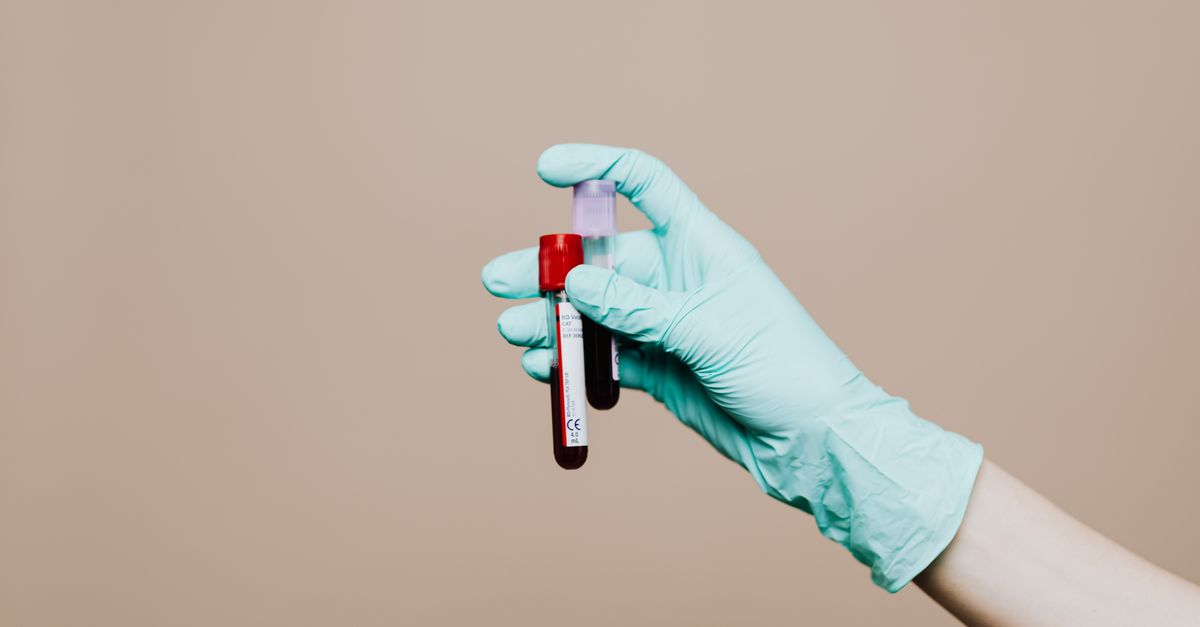
What Causes High RBC Magnesium Levels?
High RBC magnesium is uncommon but not rare in people who supplement aggressively or have impaired kidney clearance. The most frequent causes are over-supplementation, early renal insufficiency, and hemolysis artifacts in the blood draw itself — not dietary excess alone. The main exception is anyone with chronic kidney disease (CKD), where elevated levels carry genuine clinical significance and warrant medical follow-up.
---
Why RBC Magnesium Matters More Than Serum
Serum magnesium — the standard lab test — reflects only about 1% of total body magnesium and can appear normal even when tissue stores are depleted or, conversely, when intracellular levels are genuinely high. The RBC (red blood cell) magnesium test measures the magnesium inside red blood cells, giving a far better picture of what your tissues actually have access to.
Reference ranges for RBC magnesium typically fall between 4.2 and 6.8 mg/dL (some labs use 4.0–6.4 mg/dL). Values above the upper limit — particularly above 7.0 mg/dL — are worth investigating. For a detailed breakdown of what normal looks like, see What Is a Normal RBC Magnesium Level?.
Before attributing a high result to a clinical cause, the first question is always: was the sample handled correctly? Hemolysis during blood collection releases intracellular magnesium into the sample, artificially inflating the reading. Any visibly hemolyzed tube should trigger a re-draw before clinical decisions are made.
---
The Most Common Causes of Elevated RBC Magnesium
1. Aggressive Supplementation
The leading modifiable cause of high RBC magnesium is simply taking too much of the mineral. Adults absorbing 300–400 mg/day from diet alone rarely exceed the RBC upper limit through food. But when high-dose supplements — particularly magnesium oxide, citrate, or glycinate at 600 mg or more daily — are layered on top of a magnesium-rich diet, intracellular accumulation can occur in people with normal kidney function (Firoz & Graber, Magnesium Research 2001; PMID: 11794633).
This is particularly relevant for people who self-prescribe magnesium for sleep, anxiety, or muscle cramps without testing their baseline first. A personalized approach — starting from an RBC magnesium test rather than a guess — avoids the ceiling problem entirely. You can learn more about testing protocols in the RBC Magnesium Blood Test: A Functional-Medicine Interpretation Guide.
2. Reduced Renal Clearance
The kidneys are the primary regulator of magnesium excretion. When glomerular filtration rate (GFR) drops — as in early CKD, diabetic nephropathy, or acute kidney injury — the body loses its ability to excrete excess magnesium efficiently. Even modest dietary or supplemental intake can then produce elevated RBC and serum magnesium simultaneously.
A large cross-sectional study found that GFR below 60 mL/min/1.73 m² was independently associated with higher serum magnesium concentrations, and that the correlation tightened as CKD stage advanced (Tin et al., Clinical Journal of the American Society of Nephrology 2018; PMID: 29853438). RBC magnesium tracks the same trajectory with better sensitivity in earlier stages.
3. Hyperparathyroidism and Hormonal Shifts
Parathyroid hormone (PTH) influences renal tubular reabsorption of magnesium. Primary hyperparathyroidism — marked by chronically elevated PTH — promotes magnesium retention at the tubular level, which over time can raise intracellular stores. This mechanism is distinct from supplementation-driven elevation and is typically accompanied by hypercalcemia and low phosphate on the same panel.
4. Hypothyroidism
Thyroid hormones regulate cellular ion transport, including the Na/Mg exchangers that modulate how much magnesium stays inside cells. Overt hypothyroidism slows cellular metabolism broadly, and some studies have documented higher intracellular magnesium alongside reduced urinary magnesium excretion in untreated hypothyroid patients (Rude & Gruber, Journal of the American College of Nutrition 2004; PMID: 15637210). If your RBC magnesium is elevated and you haven't had a TSH panel recently, it's worth requesting one.
5. Hemolytic Anemia
Conditions that cause red blood cell destruction — sickle cell disease, G6PD deficiency, autoimmune hemolytic anemia — release intracellular magnesium into circulation. This can elevate the RBC magnesium reading even when true intracellular stores are being depleted. The clinical picture (falling hemoglobin, rising LDH, reticulocytosis) usually makes the distinction clear, but it's another reason to interpret RBC magnesium in the context of a full blood count.
---
Dietary Patterns That Can Contribute
Food alone rarely drives RBC magnesium above range in healthy adults with functioning kidneys — the gut absorbs only 30–40% of dietary magnesium, and kidneys excrete the rest. However, in people with borderline renal function or on high-dose supplements, the following food categories add meaningful load:
- Dark leafy greens (spinach, Swiss chard: ~150 mg per cooked cup)
- Pumpkin seeds (~150 mg per ounce)
- Black beans, edamame, lentils
- Dark chocolate (70%+: ~65 mg per ounce)
- Whole grain cereals fortified to >100% DV
If you're in a high-risk group for accumulation, tracking total magnesium from both diet and supplements and comparing it against your RBC result gives you a cleaner signal than either number alone. The guide at How to Raise RBC Magnesium Levels covers the absorption math in detail — useful for understanding the ceiling in both directions.
---
Foods High in Boron and Their Relationship to Magnesium Status
Boron is a trace element that modulates magnesium metabolism directly. Research shows that boron supplementation reduces urinary magnesium excretion, effectively increasing magnesium retention — a useful effect when levels are low, but a potential contributor to accumulation when RBC magnesium is already at the top of range (Nielsen et al., FASEB Journal 1987; PMID: 3678698).
Foods high in boron include:
| Food | Boron Content (mg/100g) |
|---|---|
| Prunes | 2.7 |
| Raisins | 2.5 |
| Almonds | 2.3 |
| Avocado | 1.1 |
| Chickpeas | 0.7 |
| Red wine | 0.6 |
If your RBC magnesium is already elevated, it's not necessary to eliminate these foods — boron from diet rarely reaches pharmacological doses. But individuals supplementing with boron (3–9 mg/day is a common functional medicine range) should be aware of the magnesium-retention effect and monitor accordingly.
---
Foods High in Vanadium and Cellular Mineral Transport
Vanadium is another trace mineral that interacts with intracellular magnesium homeostasis through its effects on Na/K-ATPase and related ion pumps. While vanadium is best known for its insulin-mimetic properties, its influence on cellular mineral transport is relevant here: at higher intakes, vanadium can alter the electrochemical gradients that govern how much magnesium cells retain.
Foods that are notably high in vanadium include:
| Food | Estimated Vanadium (µg/serving) |
|---|---|
| Black pepper | 430 µg/100g |
| Parsley | 2.9 µg/serving |
| Mushrooms | 1.0–2.7 µg/serving |
| Oysters | 1.6 µg/serving |
| Dill | Moderate |
| Whole grain bread | 10–12 µg/serving |
Vanadium toxicity is rare from food, but high-dose vanadyl sulfate supplements (sometimes used in bodybuilding protocols) can disrupt ion pump function. Anyone already showing high RBC magnesium who is also taking vanadium supplements should discuss both findings with their clinician.
---
Foods High in Silica and Mineral Competition
Silica (silicon dioxide) is the most abundant mineral on earth and the fourth most common trace element in the human body. It influences connective tissue integrity, arterial wall health, and — relevantly here — competes with other minerals at the intestinal absorption level. Diets very high in silica-rich foods can modestly reduce net magnesium absorption by occupying competing transport pathways.
Silica-rich foods include:
- Oats and oat bran
- Brown rice
- Bananas
- Horsetail herb (often used as a silica supplement)
- Leafy greens and beets
- Millet
Interestingly, this competitive dynamic means that for someone with borderline-high RBC magnesium, a naturally silica-rich whole-food diet may partially moderate further accumulation — not through excretion but through slightly reduced intestinal uptake. This is a secondary effect, not a treatment strategy.
---
Foods High in Lithium Orotate and Their Indirect Mineral Effects
Lithium — particularly in the low-dose orotate form used in nutritional contexts — has emerged as a topic of interest in functional medicine for mood stability and neuroprotection. Its relevance to RBC magnesium is indirect but real: lithium influences the same intracellular signaling cascades (particularly inositol phosphate pathways) that regulate how cells handle magnesium, potassium, and sodium.
Naturally occurring lithium in food is low but measurable:
| Source | Lithium Content |
|---|---|
| Mineral water (some springs) | 0.05–1.5 mg/L |
| Grains (varies by soil) | Low-moderate |
| Vegetables | Low |
| Legumes | Low |
| Eggs | Trace |
Supplement-grade lithium orotate is typically sold at 5–20 mg elemental lithium per capsule. At these doses, the interaction with magnesium transport is subclinical for most people. However, in anyone already showing elevated RBC magnesium alongside borderline kidney function, adding lithium (prescription or OTC) should be discussed with a physician given the shared renal clearance mechanism.
---
When Is High RBC Magnesium Actually a Problem?
Not every above-range result requires intervention. The clinical urgency depends on:
- How high is it? Values just above the upper reference limit (e.g., 7.0–7.5 mg/dL) in an otherwise healthy person who takes supplements are usually managed by dose reduction and re-testing in 8–12 weeks.
- Is renal function normal? If GFR is normal and serum magnesium is not elevated, the risk of genuine hypermagnesemia is low.
- Are symptoms present? True hypermagnesemia causes muscle weakness, low blood pressure, bradycardia, and nausea — symptoms that demand urgent evaluation regardless of the RBC value.
- Is the sample hemolyzed? Always confirm with a clean re-draw before making clinical decisions.
For context on what low RBC magnesium looks like biochemically — a useful comparison to understand the full spectrum — see Symptoms of Low RBC Magnesium: Biochemistry and Protocol.
---
What This Means for Your Formula
If your RBC magnesium is already at or above the upper reference limit, the last thing you need is a one-size-fits-all supplement stack that defaults to adding more magnesium. This is exactly the problem with generic multivitamins and even many personalized supplement services that work from symptom questionnaires rather than actual lab data.
Ones takes a different approach. The AI practitioner reviews your RBC magnesium alongside your full biomarker panel before building a custom capsule formula. If RBC magnesium is already elevated, Ones will deprioritize or omit magnesium glycinate from your formula entirely — avoiding the common trap of supplementing a mineral that's already above range.
Where the formula does include magnesium (for people who test low or borderline), Ones uses magnesium glycinate at a dose calibrated to your gap, not a fixed 400 mg regardless of status. The formula may instead focus on complementary minerals like zinc (for enzymatic cofactor support) or specific System Blends such as the Kidney & Bladder Support blend, which addresses the renal clearance side of mineral balance — an upstream driver of magnesium accumulation that most protocols ignore entirely.
The goal isn't to add more. It's to build a formula that reflects what your body actually needs right now, based on what your RBC magnesium level means in the context of everything else in your panel.
---
Key Takeaways
- High RBC magnesium is most commonly caused by over-supplementation, reduced kidney clearance, or hemolysis during the blood draw — not dietary excess in people with healthy kidneys.
- Renal function is the central variable: GFR below 60 mL/min/1.73 m² significantly impairs magnesium excretion and can produce elevations even at normal dietary intake.
- Boron, vanadium, lithium, and silica are trace minerals and food compounds that interact with magnesium transport and retention — relevant context for people eating high-mineral diets or taking multiple trace-element supplements.
- A hemolyzed sample is a common lab artifact that mimics high RBC magnesium — always confirm an unexpected result with a clean re-draw.
- True hypermagnesemia symptoms (weakness, bradycardia, hypotension) require immediate evaluation; mildly above-range values in healthy adults usually resolve with supplement dose reduction and re-testing.
- Personalized lab-guided formulation — like the approach Ones uses — avoids the mistake of adding magnesium to someone who already has too much, while still addressing the actual mineral gaps your data reveals.