Women's Health
What Causes Low Prolactin in Women?
Low prolactin rarely gets talked about, but it can quietly disrupt milk production, immune function, and reproductive health. Understanding what drives prolactin below range is the first step toward addressing it — and the causes are more varied than most people expect.
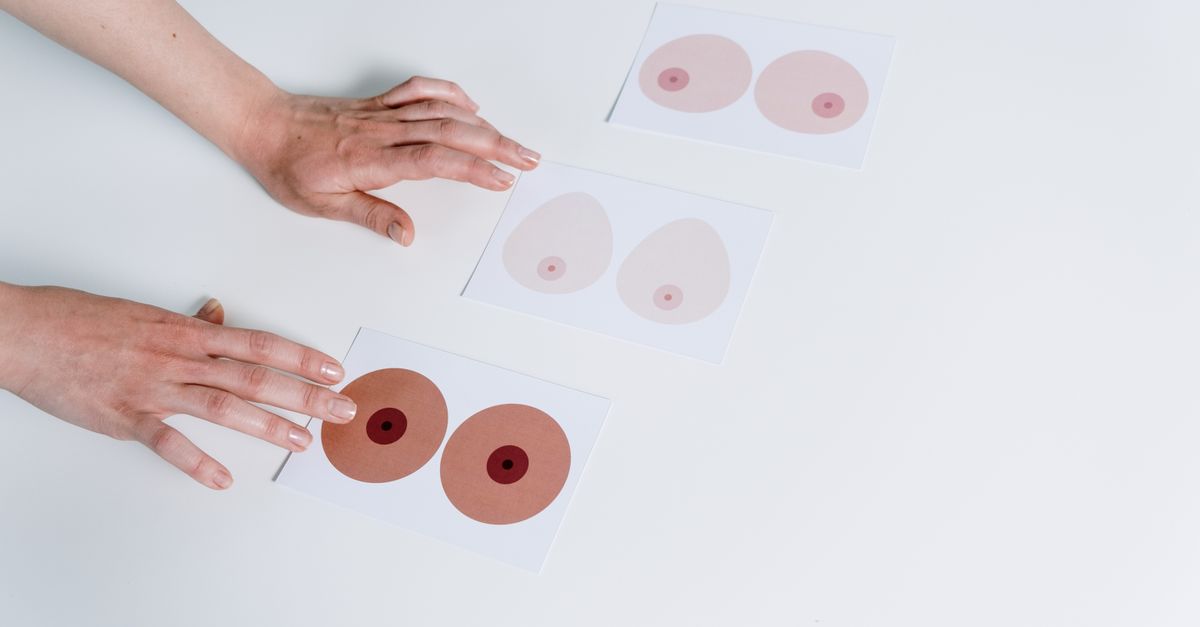
What Causes Low Prolactin in Women?
Low prolactin in most women is caused by excess dopamine signaling, certain medications (especially dopamine agonists like cabergoline), or impaired pituitary function — most commonly from a pituitary adenoma that has damaged surrounding tissue. The exception is breastfeeding women, for whom very low prolactin is a clinically meaningful concern that can directly affect milk supply. For non-lactating women, mildly suppressed prolactin often has no obvious symptoms and may reflect normal variation rather than pathology.
---
What Prolactin Actually Does in the Body
Prolactin is a peptide hormone produced by the lactotroph cells of the anterior pituitary gland. Most people associate it exclusively with lactation — and that's fair, since it was named for that function — but it has over 300 documented biological roles in vertebrates (Bole-Feysot et al., Endocrine Reviews 1998; PMID: 9570048).
In women, prolactin:
- Drives and maintains milk production after delivery
- Modulates immune cell activity, particularly natural killer cells and lymphocytes
- Plays a role in regulating reproductive cycles — high prolactin suppresses GnRH, low prolactin may reduce the luteotropic support for progesterone synthesis
- Acts on the adrenal cortex and may influence cortisol and DHEA secretion
- Has documented effects on mood, sleep architecture, and satiety signaling
Normal serum prolactin in non-pregnant, non-lactating women is generally 2–29 ng/mL depending on the lab. A result below 2–3 ng/mL is considered low (hypoprolactinemia), though many labs flag low values only when they fall below 1 ng/mL. Because prolactin is pulsatile and rises sharply with stress, exercise, and sleep, a single low reading deserves clinical context rather than immediate alarm.
---
The Main Causes of Low Prolactin in Women
1. Excess Dopamine Signaling
Dopamine is prolactin's primary brake. The hypothalamus releases dopamine (also called prolactin-inhibiting factor) into the pituitary portal system, where it binds D2 receptors on lactotrophs and suppresses prolactin synthesis almost immediately. Any condition or substance that increases dopaminergic tone will therefore lower prolactin.
Common sources of excess dopamine activity include:
- Dopamine agonist medications: Cabergoline and bromocriptine are prescribed specifically to lower prolactin in cases of prolactinoma. If the dose is too high, prolactin drops below range.
- Stimulant medications: Amphetamines and some ADHD medications enhance dopamine signaling and can chronically suppress prolactin.
- Herbal dopaminergics: Vitex agnus-castus (chaste tree) is widely used for PMS because it exerts mild D2 agonist activity. Long-term or high-dose use can push prolactin below normal range in sensitive individuals (Jarry et al., Experimental and Clinical Endocrinology & Diabetes 2003; PMID: 14520601).
- High-dose L-tyrosine or L-DOPA supplementation: Both are dopamine precursors and can modestly suppress prolactin when taken in excess.
2. Pituitary Insufficiency (Hypopituitarism)
The pituitary gland produces multiple hormones including TSH, LH, FSH, GH, ACTH, and prolactin. Damage to the pituitary from any cause can reduce prolactin output alongside other hormones. Causes of pituitary insufficiency include:
- Sheehan's syndrome: Ischemic necrosis of the pituitary following postpartum hemorrhage. Prolactin is often the first hormone to drop because lactotrophs are highly sensitive to ischemia. It presents classically as failure to lactate after delivery (Karaca et al., Pituitary 2016; PMID: 26521082).
- Pituitary apoplexy: Sudden hemorrhage or infarction into a pituitary tumor.
- Radiation therapy to the skull base or brain.
- Traumatic brain injury: Even moderate head trauma can damage the pituitary stalk and suppress prolactin secretion (Schneider et al., Journal of Clinical Endocrinology & Metabolism 2006; PMID: 16384855).
- Infiltrative diseases: Sarcoidosis, hemochromatosis, and tuberculosis can infiltrate pituitary tissue.
In these situations, low prolactin is typically one finding among several — low TSH, low LH/FSH, and low cortisol often accompany it. If you also have low TSH as a woman, pituitary insufficiency is worth ruling out rather than attributing each result to separate causes.
3. Hypothyroidism (Indirectly)
This one surprises people: hypothyroidism typically raises prolactin (via TRH cross-stimulation), but once thyroid hormone replacement is optimized, prolactin may fall transiently below the previous elevated baseline. Women who had secondary elevation of prolactin due to undertreated hypothyroidism sometimes see their prolactin normalize or briefly dip low after euthyroidism is restored. Reviewing what causes low thyroid function in women is relevant background if both markers are shifting simultaneously.
4. Medications Beyond Dopamine Agonists
Several other drug classes can lower prolactin:
| Medication Class | Example | Mechanism |
|---|---|---|
| Dopamine agonists | Cabergoline, bromocriptine | Direct D2 agonism |
| Stimulants | Methylphenidate, amphetamines | Enhanced dopamine release |
| Ergot alkaloids | Some migraine medications | D2 receptor activity |
| High-dose vitamin B6 (pyridoxine) | Supplemental B6 >200 mg/day | May enhance dopamine synthesis |
| Some anticonvulsants | Levetiracetam | Mechanism not fully clarified |
Always bring a full medication and supplement list to any endocrinology workup. A supplement that seems benign — like high-dose B6 or an herbal PMS formula with vitex — can be the entire explanation for a low prolactin reading.
5. Water Intake and Osmolality (Minor Factor)
Prolactin secretion is mildly sensitive to osmotic changes. Sustained high water intake or IV fluid loading can marginally suppress prolactin — this is more of a physiological footnote than a clinical driver, but it illustrates that prolactin is dynamically regulated across multiple axes.
6. Psychological Stress and HPA Dysregulation
Acute stress typically raises prolactin transiently (it's part of the stress response), but chronic stress with sustained cortisol elevation can disrupt the normal pulsatility of prolactin. Women with burnout or HPA axis dysregulation sometimes show blunted prolactin pulses overall, even if individual readings appear within range. This is a less well-characterized area of research, but the interplay between the adrenal and pituitary axes is bidirectional.
---
Symptoms of Low Prolactin in Women
In non-lactating women, hypoprolactinemia often causes no obvious symptoms. When symptoms do occur, they can include:
- Difficulty establishing or maintaining milk supply (most clinically significant in postpartum women)
- Reduced luteotropic support, potentially contributing to luteal phase insufficiency and low progesterone — relevant if you are also reviewing what causes low progesterone in women
- Immune dysregulation: Prolactin has direct immunomodulatory functions; chronically low levels may subtly impair NK cell and T-cell activity
- Mood changes: Some research links very low prolactin to reduced stress resilience and flat affect, though this is not well-established clinically
- Sleep fragmentation: Prolactin rises sharply during REM sleep and may contribute to sleep quality
Because many of these effects overlap with other hormonal imbalances, low prolactin is rarely diagnosed from symptoms alone — it usually appears on a panel ordered for another reason.
---
How Low Prolactin Is Diagnosed
Diagnosis begins with a serum prolactin test drawn in a fasting, non-stressed state (ideally mid-morning, not immediately after waking or exercise). Because prolactin is pulsatile, a single low value should be confirmed with at least one repeat measurement.
If prolactin is confirmed low and the cause is not obvious (no dopamine agonist medication, no known pituitary history), the workup typically includes:
- Full pituitary panel: TSH, free T4, LH, FSH, GH, IGF-1, cortisol (morning)
- MRI of the pituitary gland with and without gadolinium contrast
- Medication and supplement review
- History of head trauma, radiation, or postpartum hemorrhage
If low ferritin is also present, it is worth considering whether iron-deficiency is affecting overall nutrient delivery to pituitary tissue; see what causes low ferritin in women for a broader look at iron status.
---
Natural Modulators of Prolactin: What the Evidence Shows
Several botanical compounds have been studied for their influence on prolactin and the HPG axis. While none are clinically indicated to raise low prolactin (which typically requires addressing the root cause), they interact with the same dopaminergic and stress-response pathways that regulate prolactin secretion.
Ashwagandha (KSM-66)
Ashwagandha is an adaptogen that reduces cortisol and normalizes HPA axis pulsatility. In a double-blind trial in chronically stressed adults, KSM-66 at 600 mg/day reduced serum cortisol by 27.9% over 60 days (Chandrasekhar et al., Indian Journal of Psychological Medicine 2012; PMID: 23439798). Because chronic HPA dysregulation disrupts pituitary pulsatility broadly, reducing stress load may help restore more normal prolactin rhythms — though this is an indirect mechanism, not a direct prolactin treatment.
Rhodiola Rosea
Rhodiola is another adaptogen with evidence for reducing fatigue and supporting stress hormone regulation. It works at least partly by modulating monoamine oxidase activity, which affects dopamine, serotonin, and norepinephrine balance. No trials have directly measured its effect on prolactin in hypoprolactinemic women, but its role in HPA normalization is documented (Darbinyan et al., Phytomedicine 2000; PMID: 11081987).
---
What This Means for Your Formula
Ones doesn't stock a "prolactin booster" because that's not how personalized supplementation should work — low prolactin needs a root-cause diagnosis before any intervention, and several causes (like medication effects or pituitary damage) require medical management, not supplements.
That said, if your Ones AI analysis identifies chronic HPA dysregulation, elevated stress markers from wearable data, or cortisol patterns that suggest adrenal-pituitary disruption, the formula can be calibrated to address the upstream drivers. Specific ingredients relevant here include:
- KSM-66 Ashwagandha at 600 mg — the clinically validated dose for cortisol reduction, matching the Chandrasekhar 2012 trial. Ones uses the branded KSM-66 extract specifically.
- Rhodiola Rosea — included at evidence-supported doses for HPA axis support and stress resilience, relevant if fatigue and mood changes accompany the low prolactin finding.
- Ones Adrenal Support blend — a proprietary combination designed for women with HPA dysregulation patterns, which often shows up alongside blunted pituitary pulsatility.
If your blood work also shows low thyroid markers or low progesterone alongside low prolactin, the AI looks at the full pattern — not each marker in isolation — and builds a formula that targets the cluster rather than a single data point.
---
Key Takeaways
- Low prolactin in women is most commonly caused by excess dopamine signaling (from medications, dopamine agonists, or herbal supplements like vitex), pituitary insufficiency, or prior head trauma or postpartum hemorrhage.
- Sheehan's syndrome — pituitary ischemia from postpartum hemorrhage — is a classic and underdiagnosed cause, presenting as inability to breastfeed and multiple pituitary hormone deficiencies.
- Supplements matter: High-dose B6 (>200 mg/day), vitex, and stimulant-based supplements can suppress prolactin enough to produce a below-range lab result — always review the full supplement list.
- Non-lactating women with mildly low prolactin and no pituitary history often have no symptoms and no intervention required; diagnosis and workup are still warranted to rule out structural causes.
- Low prolactin rarely exists in isolation: Checking the full pituitary panel, thyroid markers, and reproductive hormones simultaneously gives a much clearer picture.
- Adaptogenic support for HPA axis dysregulation (KSM-66, Rhodiola) addresses upstream stress pathways that can influence pituitary pulsatility, though they are not direct prolactin-raising treatments.