Supplements
What Causes Night Sweats in PMDD?
Night sweats in PMDD affect a significant subset of people with the condition, yet they're rarely discussed as a core symptom. The hormonal chaos of the luteal phase — crashing progesterone, spiking cortisol, and disrupted thermoregulation — can leave you drenched and exhausted at 3am even when your thyroid and estrogen panels look 'normal' on paper.
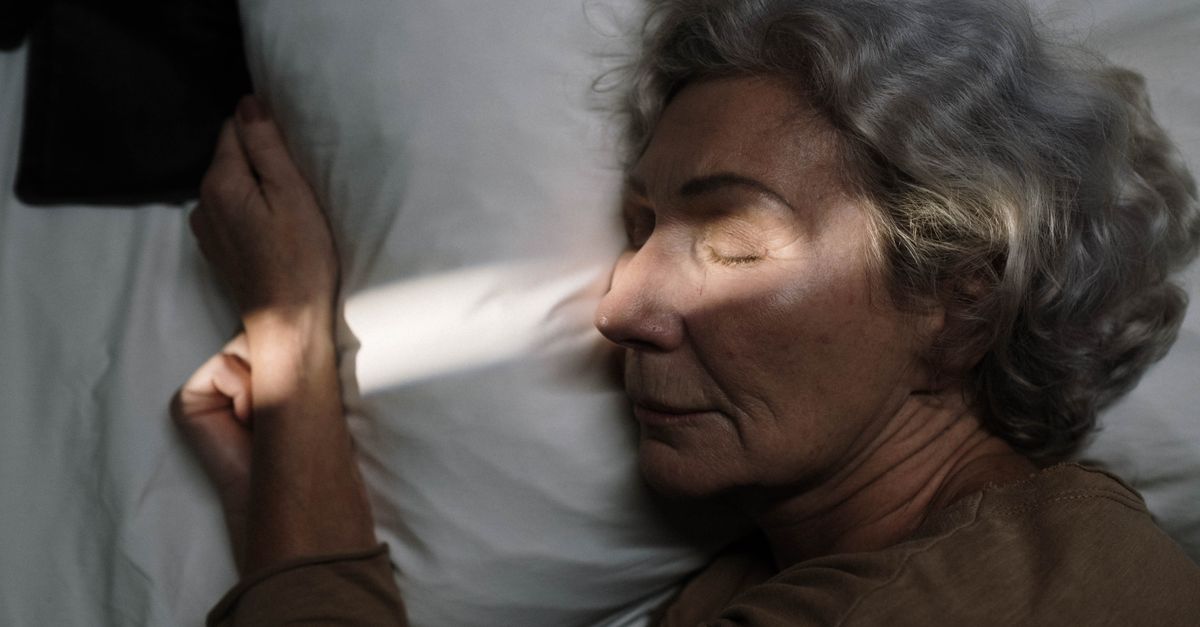
What Causes Night Sweats in PMDD?
Yes, PMDD directly causes night sweats in a meaningful portion of sufferers. The core driver is progesterone withdrawal in the late luteal phase, which destabilizes the hypothalamic thermostat and lowers serotonin — triggering vasodilation and sweating episodes at night. The main caveat: if your night sweats persist through the follicular phase, something else (thyroid dysfunction, perimenopause) may be layered on top.
---
Why PMDD Disrupts Your Body Temperature at Night
Premenstrual Dysphoric Disorder is a neuroendocrine condition, not just a mood problem. Every month, the late luteal phase — roughly days 21–28 of a 28-day cycle — involves a steep drop in both progesterone and estrogen. For most people, this is unremarkable. For those with PMDD, the brain appears to be abnormally sensitive to normal hormonal fluctuations, particularly to allopregnanolone, a neurosteroid metabolite of progesterone that modulates GABA-A receptors (Bäckström et al., Neuropsychopharmacology 2014; PMID: 24067491).
When allopregnanolone falls rapidly, GABA-A receptor sensitivity drops with it. This reduced inhibitory tone feeds directly into the sympathetic nervous system, raising core body temperature set-point variability and triggering the cutaneous vasodilation-and-sweating response that characterizes a hot flash — even in people nowhere near menopause.
In parallel, serotonin — which helps regulate hypothalamic temperature control — declines in the luteal phase. Research has documented that serotonin turnover is measurably lower in the late luteal phase in women with PMDD compared to controls (Eriksson et al., Acta Psychiatrica Scandinavica 1995; PMID: 7625191). Lower serotonin means less hypothalamic thermoregulatory stability, a lower sweating threshold, and a higher likelihood of waking episodes at night.
This is why PMDD-related night sweats are almost always cyclical: they cluster in the week before menstruation, ease within a day or two of bleeding, and return predictably the next cycle. Tracking symptom timing in a period app or a basal body temperature log can confirm whether your sweating follows this pattern — and that confirmation is clinically meaningful data.
---
The Cortisol Connection: Why Stress Amplifies Luteal Night Sweats
Cortisol doesn't cause PMDD, but it dramatically amplifies it. The HPA axis — the stress-response system — is hyperreactive in people with PMDD, meaning that the same stressor produces a larger cortisol spike compared to controls (Girdler et al., Biological Psychiatry 2007; PMID: 17418812). At night, cortisol is supposed to be at its nadir. In luteal-phase PMDD, it often isn't.
Elevated late-night cortisol has two direct effects on night sweats:
- It raises core body temperature, narrowing the margin between your set-point and the sweating threshold.
- It suppresses melatonin production, fragmenting sleep architecture and increasing the number of light-sleep windows during which a thermal trigger can wake you.
If you're also waking around 3am with anxiety, racing thoughts, or heart palpitations alongside the sweating, HPA dysregulation is likely a significant contributor. You can read more about the broader picture of luteal-phase sleep disruption in what causes waking at 3am in PMDD.
Practically, this means addressing cortisol is not optional if you want to resolve PMDD night sweats — progesterone normalization alone won't stabilize nocturnal temperature if your stress axis is firing at midnight.
---
Key Biomarkers to Test When You Have Cyclical Night Sweats
Night sweats in PMDD are a hormonal symptom, but they can overlap with other conditions that share similar biomarker profiles. Before attributing everything to PMDD, it's worth ruling out:
| Biomarker | What You're Checking | Relevant Condition |
|---|---|---|
| FSH, LH, Estradiol (Day 3) | Ovarian reserve and perimenopausal shift | Perimenopause |
| Progesterone (Day 21) | Luteal adequacy | Luteal phase defect |
| TSH, Free T3, Free T4 | Thyroid output | Hypothyroidism |
| TPO Antibodies, TgAb | Autoimmune thyroid | Hashimoto's thyroiditis |
| Fasting glucose, HbA1c | Insulin dysregulation | Prediabetes |
| Salivary or DUTCH cortisol curve | HPA axis timing | Adrenal dysregulation |
| Serum magnesium | Intracellular magnesium status | Deficiency common in PMDD |
Thyroid dysfunction deserves particular attention here. Hypothyroidism and Hashimoto's thyroiditis both disrupt thermoregulation and sleep — and both are more common in people with PMDD, likely because shared autoimmune and inflammatory mechanisms underpin both conditions. Night sweats in the context of elevated TPO antibodies may reflect thyroid-driven temperature instability rather than (or in addition to) luteal hormonal shifts. If TSH is elevated or TPO antibodies are present, thyroid-targeted support becomes part of the picture alongside cycle-phase management.
Insulin resistance is another underappreciated contributor. Prediabetes and insulin dysregulation cause nocturnal hypoglycemic dips that trigger adrenaline release — which, in turn, produces sweating and waking at night. Because PMDD itself worsens insulin sensitivity in the luteal phase, the two can compound each other. Fasting glucose above 100 mg/dL or HbA1c trending toward 5.7% warrants attention even if a formal diabetes diagnosis hasn't been made.
For people whose night sweats don't fully resolve with cycle-phase management, testing this full panel — ideally timed to the luteal phase — gives the most actionable picture.
---
Nutrition, Magnesium, and the Luteal Phase Deficit
Magnesium deficiency is documented to be more prevalent in people with PMS and PMDD, and low magnesium independently lowers the sweating threshold by reducing GABA-A tone — the same receptor system disrupted by allopregnanolone withdrawal (Facchinetti et al., Obstetrics & Gynecology 1991; PMID: 1907981). This creates a double hit: PMDD strips your GABA-A buffering capacity hormonally, and low magnesium strips it nutritionally.
Luteal-phase magnesium requirements are measurably higher because progesterone upregulates magnesium utilization. Dietary intake rarely compensates. This is one reason why PMDD symptoms — including night sweats, palpitations, and insomnia — often cluster in the same individuals and respond, at least partially, to magnesium repletion.
B6 (pyridoxine) is another nutrient with luteal-phase relevance. It's a cofactor in serotonin synthesis — specifically in the conversion of tryptophan to 5-HTP to serotonin. At doses of 80–100mg daily, B6 supplementation has shown modest but consistent reductions in PMS-related mood and physical symptoms in randomized trials, though quality varies. Since serotonin decline in the luteal phase is one of the thermoregulatory drivers of night sweats, supporting serotonin synthesis upstream is a mechanistically sound target.
Omega-3 fatty acids (EPA/DHA) modulate prostaglandin balance and reduce the inflammatory signaling that amplifies luteal-phase symptoms. People with PMDD tend to have elevated inflammatory cytokines in the luteal phase, and omega-3s at 1–2g EPA/DHA daily have shown benefit in several PMS trials. Inflammation lowers the sweating threshold directly by sensitizing thermoreceptors — so anti-inflammatory nutrition strategy is not tangential here.
If you're also dealing with related PMDD symptoms like brain fog in PMDD or heart palpitations in PMDD, it's worth recognizing that all of these symptoms share the same upstream hormonal and neurochemical roots — which is why a targeted supplement protocol tends to address several symptoms simultaneously rather than one at a time.
---
Lifestyle Factors That Modulate Luteal Night Sweats
Beyond supplementation, several behavioral levers directly influence whether PMDD-related night sweats disrupt sleep:
- Sleep environment temperature: Keep the bedroom at 65–68°F (18–20°C). A lower ambient temperature gives more buffer before your set-point crosses the sweating threshold.
- Alcohol elimination in the luteal phase: Even one drink suppresses the progesterone metabolite conversion to allopregnanolone and raises nocturnal cortisol — a reliable trigger for night sweating.
- Carbohydrate timing: Avoid high-glycemic foods after 7pm during the luteal phase. Glucose spikes followed by nocturnal dips are a significant, underappreciated cause of 3am sweating episodes.
- Resistance training earlier in the day: Evening high-intensity exercise raises core temperature for 4–6 hours, directly colliding with sleep onset thermoregulation.
- Magnesium-rich evening meals: Leafy greens, pumpkin seeds, and dark chocolate in the evening support the GABA-A receptor function you need for stable sleep temperature.
For broader context on cyclical night sweats tied to hormonal transitions, the article on night sweats: hormonal causes, lab markers, and natural interventions covers the full landscape of hormonal drivers — including how PMDD-related patterns compare to those seen in perimenopause and postmenopause.
---
What This Means for Your Formula
Ones analyzes blood work, wearable data, and reported symptoms through its AI health practitioner to build custom capsule formulas calibrated to your specific findings — not a generic PMDD protocol. For someone presenting with cyclical night sweats, disrupted sleep, and luteal-phase HPA dysregulation, the formula build would draw from several targeted ingredients:
- Magnesium Glycinate (included in Ones' Magnesium Complex): Supports GABA-A receptor tone and lowers the sweating threshold when magnesium status is suboptimal. The glycinate form is preferred for sleep-related applications due to superior absorption and minimal GI effects.
- Ashwagandha KSM-66 (600mg): Ones uses the full 600mg clinical dose of KSM-66, the form studied in the most rigorous cortisol-reduction trials. In a double-blind RCT of 64 adults, KSM-66 at 300mg twice daily reduced serum cortisol by 27.9% versus placebo over 60 days (Chandrasekhar et al., JAPI 2012; PMID: 23439798). For someone with documented HPA hyperreactivity in PMDD, this is a direct mechanistic target.
- Omega-3 (EPA/DHA): Ones sources clinically dosed EPA/DHA to modulate the inflammatory prostaglandin signaling that amplifies luteal-phase thermal sensitivity. Given the evidence base for omega-3s in PMS/PMDD symptom reduction, this is a strong inclusion for cyclical symptom profiles.
- Adrenal Support blend: For cases where the DUTCH or salivary cortisol curve shows a flattened or dysregulated diurnal pattern, Ones' Adrenal Support system blend provides adaptogenic and adrenal-tonic support calibrated to the pattern, not a one-size approach.
The formula is built in a 6 or 9-capsule daily plan determined by the AI based on the complexity of your findings — which means the capsule budget expands with the number of validated targets rather than being arbitrarily chosen.
If PMDD is also contributing to symptoms like breast tenderness in PMDD or hair changes, those findings would be factored into the same formula build — addressing multiple symptom roots in a single daily protocol rather than stacking separate products.
---
Key Takeaways
- PMDD night sweats are cyclical by definition: they peak in the late luteal phase (days 21–28), improve with menstruation, and repeat — if they don't follow this pattern, investigate thyroid dysfunction, perimenopausal shifts, or insulin dysregulation as co-drivers.
- The primary mechanism is allopregnanolone withdrawal plus serotonin decline, which destabilizes hypothalamic thermoregulation and lowers the sweating threshold.
- Cortisol hyperreactivity amplifies luteal night sweats by raising nocturnal temperature and suppressing melatonin — HPA support is part of the therapeutic target, not an afterthought.
- Magnesium deficiency is common in PMDD and independently worsens the sweating threshold; repletion via a bioavailable form like magnesium glycinate is a foundational first step.
- Test TSH, TPO antibodies, fasting glucose, and a Day 21 progesterone before assuming all cyclical night sweats are purely PMDD-driven — thyroid autoimmunity and prediabetes are common co-travelers.
- A personalized supplement protocol addressing magnesium status, cortisol dysregulation, and omega-3 balance — calibrated to your actual lab findings — consistently outperforms generic PMDD formulas that apply the same ingredients to everyone.
---
Always consult a qualified healthcare provider before beginning any supplementation protocol, particularly if you have diagnosed thyroid disease, diabetes, or are taking hormonal medications.