Supplements
What Causes Night Sweats in Postmenopause?
Night sweats affect up to 60% of postmenopausal women and are among the most disruptive symptoms of hormonal aging. Unlike the hot flashes of perimenopause, postmenopausal night sweats often persist for years and can signal more than just low estrogen. Understanding the specific mechanisms behind them is the first step toward real relief.
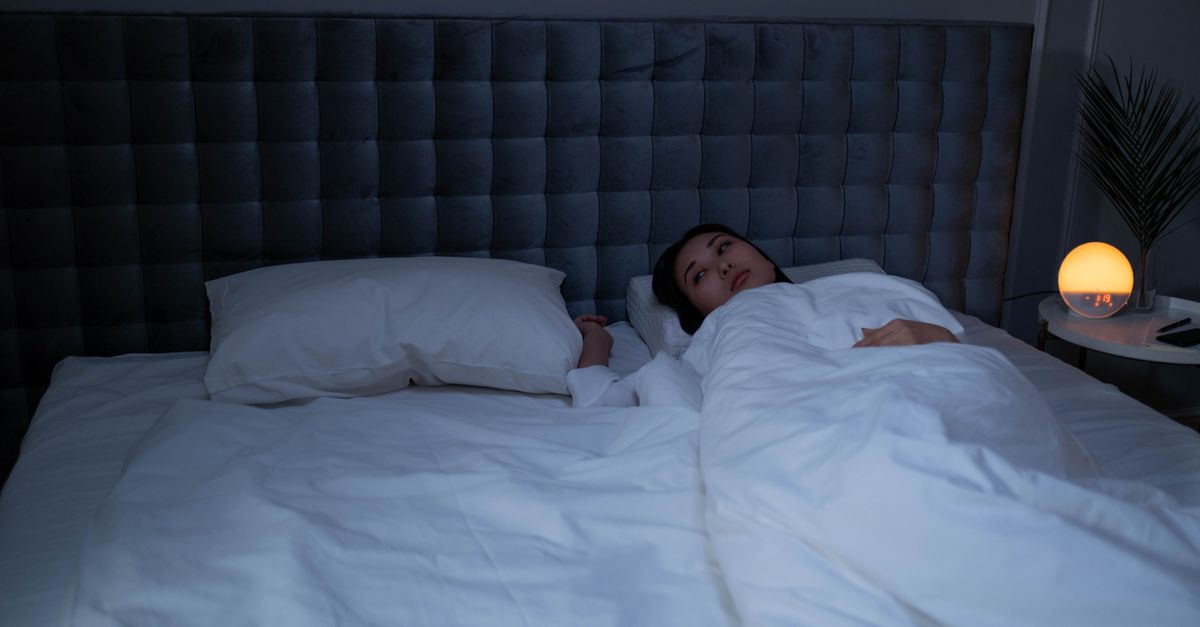
What Causes Night Sweats in Postmenopause?
Yes, low estrogen is the primary driver — but it's rarely the whole story. Postmenopausal night sweats are triggered by a narrowed thermoregulatory zone in the hypothalamus caused by estrogen withdrawal, though cortisol dysregulation, thyroid dysfunction, and insulin resistance can each independently maintain or worsen episodes long after estrogen has stabilized at its new postmenopausal baseline.
---
The Thermoregulatory Mechanism: Why Estrogen Loss Triggers Night Sweats
The hypothalamus acts as the body's internal thermostat. Estrogen modulates the activity of neurons in the hypothalamic preoptic area — specifically those expressing kisspeptin, neurokinin B, and dynorphin (KNDy neurons). When estrogen falls, these KNDy neurons become hyperactive, sending exaggerated heat-dissipation signals at lower temperature thresholds than before. The result: your body interprets a minor rise in core temperature as a crisis and triggers a full vasodilation and sweating response that can drench sheets at 2 a.m.
A pivotal clinical study published in PLOS ONE confirmed that the thermoneutral zone — the range of temperatures the body tolerates without sweating or shivering — narrows significantly in women with vasomotor symptoms compared to asymptomatic postmenopausal controls (Freedman 2014; PMID: 24586345). This narrowing explains why even a warm blanket, a glass of wine, or mild stress can tip the body into a sweating episode.
Because this mechanism is neurological as well as hormonal, estrogen alone doesn't predict severity. Two women with identical estradiol levels of 15 pg/mL can have wildly different symptom burdens depending on the sensitivity of their KNDy neurons and the health of their broader neuroendocrine system.
---
Beyond Estrogen: The Other Hormonal Triggers
For many postmenopausal women, night sweats persist or worsen years after the menopause transition — a pattern that points beyond estrogen deficiency alone. Several interconnected systems deserve investigation.
Cortisol and HPA Axis Dysregulation
The hypothalamic-pituitary-adrenal (HPA) axis is deeply intertwined with thermoregulation. Cortisol follows a diurnal rhythm that naturally troughs around midnight and surges in the early morning hours. In women with chronic stress, poor sleep, or adrenal fatigue patterns, this rhythm flattens or inverts — producing cortisol spikes at night that activate the sympathetic nervous system, elevate core body temperature, and trigger vasomotor episodes that look identical to estrogen-driven hot flashes.
This overlap is clinically significant. Research has shown that women with higher perceived stress and blunted cortisol reactivity report more severe and more frequent vasomotor symptoms (Woods et al., Menopause 2006; PMID: 16645540). If you are waking between 2 a.m. and 4 a.m. with racing thoughts alongside the sweating, cortisol dysregulation is likely a co-driver. You can read more about this pattern in our article on what causes waking at 3am in postmenopause.
Thyroid Dysfunction
Hyperthyroidism — including subclinical hyperthyroidism where TSH is low-normal but free T4 is elevated — accelerates basal metabolic rate and reduces heat dissipation capacity. The resulting increase in core body temperature can trigger sweating episodes that mimic or amplify estrogen-withdrawal night sweats. Because postmenopausal women have a higher incidence of autoimmune thyroid disease, thyroid status should always be screened when night sweats are severe or refractory to standard interventions.
A cross-sectional analysis found that thyroid autoimmunity (elevated TPO antibodies) was significantly more prevalent in peri- and postmenopausal women reporting moderate-to-severe vasomotor symptoms compared to controls, reinforcing the need to look beyond ovarian function (Bussolati et al., Journal of Endocrinological Investigation 2009; PMID: 19636203).
Insulin Resistance and Blood Sugar Instability
Nocturnal hypoglycemia — blood sugar dropping in the small hours — triggers an adrenaline response that raises core temperature and causes sweating. Postmenopausal women are at elevated risk for insulin resistance because estrogen normally enhances insulin sensitivity; its loss accelerates metabolic drift. Women who eat high-glycemic evening meals or who have undiagnosed pre-diabetes may experience night sweats that are metabolic rather than hormonal in origin.
This is also relevant to understanding what causes low mood in menopause, since insulin resistance and cortisol dysregulation both impair serotonin and dopamine metabolism — creating a cascade where night sweats, poor sleep, and mood disruption reinforce each other.
---
Key Lab Markers to Investigate
If your night sweats are persistent, testing provides far more actionable data than symptom tracking alone. A functional medicine-informed panel typically includes:
| Lab Marker | What It Reveals | Target Range (Postmenopause) |
|---|---|---|
| Estradiol (E2) | Degree of estrogen withdrawal | 10–30 pg/mL (varies by HRT status) |
| FSH | Confirmation of postmenopausal status | > 30 mIU/mL |
| TSH + Free T4 + TPO Ab | Thyroid contribution | TSH 1.0–2.5 mIU/L optimal |
| Fasting glucose + HOMA-IR | Insulin resistance | HOMA-IR < 1.5 |
| Cortisol (AM/PM or 4-point salivary) | HPA axis pattern | AM cortisol 10–20 mcg/dL |
| Magnesium (RBC) | Intracellular deficiency | > 5.2 mg/dL |
| Vitamin D (25-OH) | Immune and neuroendocrine support | 50–80 ng/mL |
RBC magnesium deserves special attention. Magnesium is essential for regulating NMDA receptor activity in the hypothalamus, and low intracellular magnesium amplifies the hyperactivity of KNDy neurons. Population data consistently show that postmenopausal women have lower magnesium status than premenopausal peers, partly due to lower dietary intake and partly because estrogen enhances magnesium retention (Vormann, Molecular Aspects of Medicine 2003; PMID: 12893003).
---
Evidence-Based Supplement Support for Postmenopausal Night Sweats
While hormone replacement therapy (HRT) remains the most effective medical intervention for vasomotor symptoms, several non-hormonal supplements have meaningful clinical evidence, particularly for women who cannot or choose not to use HRT.
Black Cohosh
Black cohosh (Actaea racemosa) is the most extensively studied herbal remedy for vasomotor symptoms. Its mechanism appears to involve serotonergic pathways in the thermoregulatory centers rather than direct estrogen receptor activation — a distinction that matters for women with hormone-sensitive histories. A meta-analysis of 16 randomized controlled trials found that black cohosh significantly reduced vasomotor symptom frequency and severity compared to placebo (Shams et al., Maturitas 2010; PMID: 20846578). Standard clinical doses range from 20 to 40 mg of standardized extract twice daily.
Magnesium
Beyond its role in hypothalamic regulation, magnesium supports GABA receptor activity — reducing the nighttime nervous system arousal that amplifies sweating episodes. A pilot study in breast cancer survivors (a population with severe iatrogenic night sweats) found that magnesium oxide at 400 mg/day reduced hot flash frequency by 50% over four weeks (Barton et al., Journal of Clinical Oncology 2011; PMID: 21263103). The glycinate form is preferred for sleep-related applications due to superior bioavailability and lower laxative risk at therapeutic doses.
Ashwagandha (KSM-66)
For women whose night sweats are primarily cortisol-driven, adaptogenic support can meaningfully reduce the HPA hyperreactivity that fires nocturnal vasomotor episodes. KSM-66 ashwagandha at 600 mg/day has been shown to significantly reduce serum cortisol and perceived stress in adults under chronic stress, with improvements evident at eight weeks (Chandrasekhar et al., Indian Journal of Psychological Medicine 2012; PMID: 23439798). Because cortisol and estrogen-withdrawal pathways often operate simultaneously in postmenopause, cortisol-targeted support complements rather than replaces estrogen-focused strategies.
Phytoestrogens and Soy Isoflavones
Soy isoflavones (genistein, daidzein) act as weak estrogen receptor beta agonists and may partially compensate for estrogen withdrawal in thermoregulatory neurons. Evidence is mixed, but women with gut microbiomes capable of converting daidzein to equol appear to respond most strongly. Effective doses in clinical trials range from 40 to 80 mg/day of total isoflavones.
---
What This Means for Your Formula
At Ones, the AI health practitioner doesn't issue a generic menopause protocol — it analyzes your blood work, wearable sleep data, and symptom history to identify which of the mechanisms above are actually driving your night sweats. That distinction matters because a cortisol-mediated night sweat calls for different support than one rooted in thyroid dysfunction or magnesium depletion.
For women whose data points to HPA axis dysregulation as a key driver, the Adrenal Support blend and KSM-66 ashwagandha at the clinically validated 600 mg dose are commonly included — supporting the cortisol normalization that can quiet nocturnal vasomotor episodes without interfering with the hypothalamic-pituitary axis more broadly.
Where lab results show low RBC magnesium or disrupted sleep architecture from wearable data, Ones formulas often include Magnesium Complex — a proprietary blend using glycinate as the primary form for bioavailability at sleep-relevant doses, rather than the cheaper oxide form found in most commercial supplements.
For women with confirmed thyroid autoimmunity contributing to symptom burden, the Thyroid Support blend provides targeted micronutrient co-factors (including selenomethionine) that support TPO enzyme function and reduce antibody-driven inflammation — a layer of support distinct from the vasomotor pathway but directly relevant when lab data indicates it.
Night sweats that co-occur with hormonal causes of night sweats more broadly — including low mood, breast tenderness, or bloating — often reflect a more complex hormonal picture that a single supplement won't address. Ones builds formulas that account for these overlapping systems simultaneously, within a 6 or 9-capsule daily plan determined by your findings.
Always consult a qualified healthcare provider before starting any supplement protocol, particularly if you are currently using hormone replacement therapy or managing a thyroid condition.
---
Key Takeaways
- Night sweats in postmenopause are primarily driven by hypothalamic KNDy neuron hyperactivity following estrogen withdrawal, but cortisol dysregulation, thyroid dysfunction, and insulin resistance are common co-drivers that can independently maintain symptoms.
- The thermoneutral zone narrows significantly in women with vasomotor symptoms — meaning even minor environmental or physiological temperature changes trigger a sweating response.
- Lab testing (including RBC magnesium, cortisol pattern, TSH, and HOMA-IR) provides far more actionable data than symptom tracking alone and should guide supplement selection.
- Black cohosh (20–40 mg standardized extract twice daily) has the strongest herbal evidence for reducing vasomotor frequency, acting via serotonergic rather than estrogenic pathways.
- Magnesium glycinate addresses both the hypothalamic GABA/NMDA regulation that amplifies night sweats and the sleep architecture disruption that compounds them.
- A personalized approach — one that accounts for your specific lab values and wearable data — is more effective than a blanket menopause supplement stack, which is precisely what Ones is built to deliver.