Women's Health
What Causes Tinnitus with PCOS?
Tinnitus affects up to 15% of the general population, but women with PCOS report it at higher rates — and the connection is rarely explained at a standard gynecology appointment. Hormonal imbalance, insulin resistance, and chronic low-grade inflammation all converge in PCOS in ways that directly stress the inner ear. Understanding which driver is loudest in your case is the first step to quieting it.
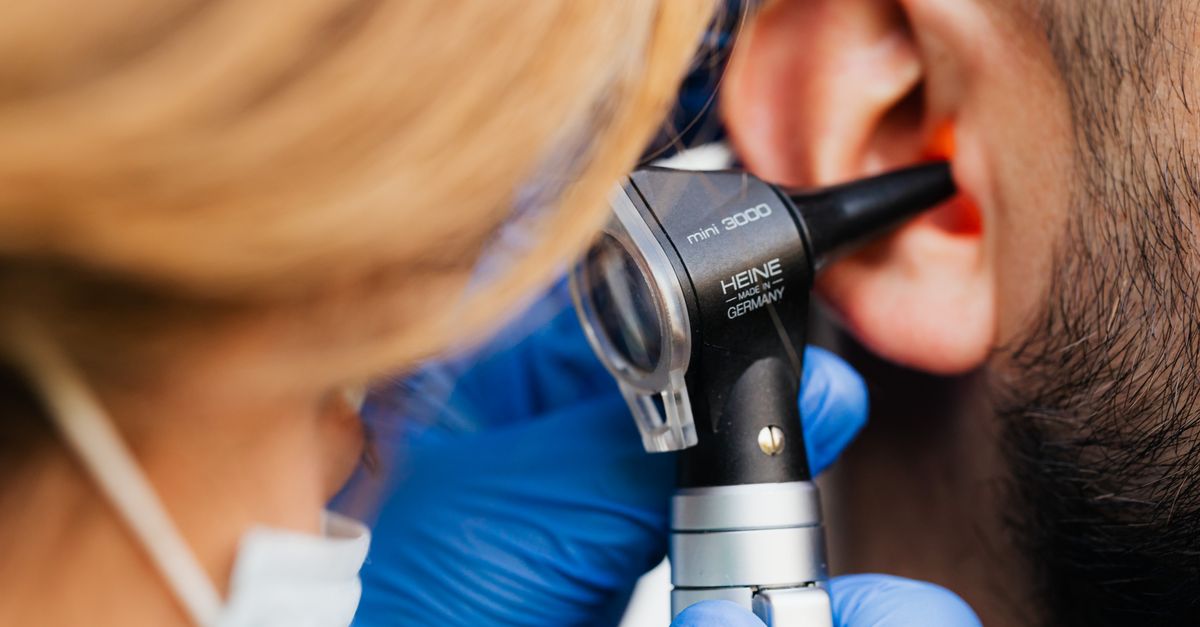
What Causes Tinnitus with PCOS?
Yes, PCOS can directly cause or worsen tinnitus. The most common mechanisms are insulin resistance-driven cochlear microvascular damage, estrogen and progesterone fluctuations that alter auditory nerve sensitivity, and subclinical thyroid dysfunction that frequently co-occurs with PCOS. The exception: if your tinnitus onset matches a medication change (metformin, spironolactone, or NSAIDs), rule that out first.
---
Why PCOS and Tinnitus Are Biologically Linked
Polycystic ovary syndrome is not purely a reproductive condition. It is a systemic endocrine and metabolic disorder — and several of its core pathophysiological features overlap directly with known risk factors for tinnitus and sensorineural hearing loss.
The cochlea — the spiral organ in your inner ear responsible for converting sound vibrations into electrical signals — is one of the most metabolically demanding tissues in the body. It requires steady glucose delivery, intact microcirculation, and precise hormonal signaling to maintain function. PCOS disrupts all three.
Insulin Resistance and Cochlear Microvascular Damage
Approximately 65–80% of women with PCOS have insulin resistance, even those with a normal BMI (Diamanti-Kandarakis et al., Endocrine Reviews 2008; PMID: 17939138). Chronic hyperinsulinemia and hyperglycemia damage the stria vascularis — the capillary-rich layer of the cochlea that maintains the electrochemical environment needed for hair cell function. Studies of type 2 diabetes, which shares the same insulin-resistance mechanism, consistently show higher rates of hearing loss and tinnitus (Bainbridge et al., Annals of Internal Medicine 2008; PMID: 18625951). The cochlear vasculature is as vulnerable to glycemic injury as retinal and renal capillaries — two complications already recognized in metabolic syndrome.
Estrogen Dominance and the Auditory Nerve
Estrogen receptors are expressed throughout the inner ear and auditory brainstem (Stenberg et al., Hearing Research 2001; PMID: 11245332). During the luteal phase of the menstrual cycle — or during chronic estrogen dominance, which is common in PCOS — fluctuating estrogen levels alter fluid regulation in the endolymph, the fluid inside the cochlear duct. This is the same mechanism implicated in Ménière's disease, a condition characterized by episodic vertigo and tinnitus. Women with estrogen dominance root causes frequently report that tinnitus intensity tracks with their cycle, worsening in the days before menstruation when estrogen peaks and then drops sharply.
Progesterone, which is often deficient in anovulatory PCOS cycles, normally counterbalances estrogen's fluid-retaining effects. Without adequate progesterone, endolymphatic pressure may increase, stressing hair cells and generating phantom sound perception.
Androgen Excess and Auditory Threshold Shifts
Elevated androgens — the hallmark biochemical feature of PCOS — have their own auditory effects. A 2015 study found that women with PCOS had significantly higher distortion-product otoacoustic emission amplitudes compared to controls, suggesting altered cochlear mechanics that may predispose to tinnitus (Bhatt et al., International Journal of Audiology 2015). Testosterone influences myelination of auditory nerve fibers, and the abnormal androgen-to-estrogen ratio in PCOS may disrupt the precise signaling speed required for clear sound interpretation.
---
Hashimoto's Root Causes: The Thyroid–Tinnitus Connection in PCOS
Hashimoto's thyroiditis co-occurs with PCOS in roughly 20–40% of cases — a rate far above the general population background (Janssen et al., European Journal of Endocrinology 2004; PMID: 15362966). Both conditions share immune dysregulation and a common genetic predisposition involving HLA-DR antigens.
Hypothyroidism — whether overt or subclinical — is one of the most underappreciated causes of tinnitus. Thyroid hormone regulates:
- Myelin synthesis around the auditory nerve
- Cochlear blood flow via vasodilation
- Mitochondrial energy production in hair cells
- Endolymph sodium-potassium ATPase pump activity
When thyroid hormone falls even slightly below optimal range, cochlear energy metabolism slows. The result can be a low-pitched, often bilateral tinnitus that is frequently misdiagnosed as idiopathic. In women with PCOS, the correct diagnostic workup includes TSH, Free T3, Free T4, and thyroid peroxidase (TPO) antibodies — not TSH alone.
If you have PCOS and are also experiencing fatigue, cold sensitivity, hair thinning, and tinnitus together, the Hashimoto's overlap is a high-probability explanation worth investigating with your doctor. Related symptoms of thyroid-driven hormonal disruption overlap significantly with what causes brain fog with PCOS.
---
Histamine Intolerance: The Overlooked Amplifier
Many women with PCOS also have impaired histamine clearance, particularly those with gut dysbiosis or reduced DAO (diamine oxidase) enzyme activity. Histamine is a potent vasodilator and neuromodulator — and elevated histamine specifically increases inner ear fluid pressure and sensitizes auditory neurons.
Women who notice tinnitus flares after eating fermented foods, wine, aged cheese, or during high-pollen seasons may be dealing with a histamine load that crosses the threshold for auditory symptoms. This connection is explored in depth in what causes histamine intolerance with PCOS.
Key biomarkers to request:
- Plasma histamine
- DAO enzyme activity
- Serum tryptase (to rule out mast cell activation)
---
Seasonal Allergies Root Causes and Eustachian Tube Dysfunction
Women with PCOS have higher rates of mast cell activation and IgE-mediated allergic responses — partly because estrogen primes mast cells for degranulation and partly because chronic low-grade inflammation lowers the activation threshold for allergic reactions. Seasonal allergies in PCOS are not just an inconvenience: repeated Eustachian tube inflammation causes middle ear pressure dysregulation, which is a structural contributor to tinnitus distinct from the inner ear mechanisms described above.
This matters diagnostically. If your tinnitus is unilateral, pressure-related, and worsens seasonally or after upper respiratory infections, the primary driver may be Eustachian tube dysfunction rather than cochlear damage — and the treatment strategy differs meaningfully. An ENT evaluation with tympanometry can distinguish between conductive and sensorineural components.
For women with PCOS whose tinnitus worsens alongside sinus pressure, nasal congestion, and post-nasal drip, addressing the underlying allergic and mast cell hyperreactivity is a higher-yield intervention than cochlear-targeted supplements.
---
The Biomarker Checklist: What to Test
Because tinnitus in PCOS is mechanistically heterogeneous, a targeted lab panel helps identify which driver is dominant for you personally.
| Biomarker | What It Reveals | Optimal Target |
|---|---|---|
| Fasting insulin + HOMA-IR | Insulin resistance severity | HOMA-IR < 1.5 |
| HbA1c + fasting glucose | Glycemic injury risk | HbA1c < 5.4% |
| TSH + Free T3 + TPO antibodies | Thyroid / Hashimoto's overlap | TSH 1.0–2.0 mIU/L |
| Estradiol + progesterone (day 21) | Estrogen dominance, luteal deficiency | Progesterone > 10 ng/mL (mid-luteal) |
| Total + free testosterone | Androgen excess | Varies by lab |
| DAO enzyme activity | Histamine clearance capacity | Lab-specific range |
| hs-CRP + ferritin | Systemic inflammation | hs-CRP < 1.0 mg/L |
| Serum magnesium | Magnesium status | 0.85–1.10 mmol/L |
| Vitamin D (25-OH) | Immune and cochlear function | 50–80 ng/mL |
Low serum magnesium deserves specific attention: magnesium is required for cochlear glutamate receptor regulation, and magnesium deficiency independently predicts tinnitus onset and severity. PCOS-associated insulin resistance accelerates urinary magnesium loss, creating a self-reinforcing cycle.
---
The Protocol: Addressing Each Driver
Once you know which biomarkers are out of range, the intervention strategy becomes more targeted.
- Insulin resistance: Prioritize inositol (myo-inositol 2g + D-chiro-inositol 50mg, a ratio supported by clinical trials), low-glycemic nutrition, and resistance training. Berberine (500mg TID) has demonstrated glucose-lowering efficacy comparable to metformin in meta-analyses.
- Estrogen dominance / luteal progesterone deficiency: Work with a gynecologist to assess whether bioidentical progesterone support is appropriate. Dietary indole-3-carbinol (found in cruciferous vegetables) supports hepatic estrogen clearance via the 2-OH pathway.
- Subclinical hypothyroidism / Hashimoto's: If TPO antibodies are elevated, selenium supplementation at 200mcg (as selenomethionine) has been shown to reduce antibody titers and slow gland damage (Gärtner et al., Journal of Clinical Endocrinology & Metabolism 2002; PMID: 11932302).
- Histamine load: Eliminate high-histamine foods for 4 weeks as a diagnostic trial. DAO enzyme supplements with meals and quercetin (500mg) before high-exposure situations reduce mast cell degranulation.
- Magnesium repletion: Magnesium glycinate 300–400mg at night improves cochlear function and reduces tinnitus loudness in deficient individuals. It also supports sleep quality, which is commonly disrupted in PCOS — a topic covered in what causes waking at 3am with PCOS.
- Auditory inflammation: Omega-3 fatty acids (EPA + DHA ≥ 2g/day) reduce systemic and cochlear inflammation and support inner ear microcirculation.
---
What This Means for Your Formula
Tinnitus in PCOS rarely has a single cause, which is why single-supplement fixes rarely work. The most clinically meaningful targets based on the mechanisms above are:
Omega-3 (EPA/DHA) — Ones includes pharmaceutical-grade omega-3 dosed to clinical ranges (EPA + DHA totaling over 1g per serving), targeting the cochlear microvascular inflammation and the systemic hs-CRP elevation common in PCOS. Randomized trials in women with PCOS show omega-3 supplementation reduces testosterone, triglycerides, and inflammatory markers simultaneously (Khani et al., Iranian Journal of Reproductive Medicine 2011).
Magnesium Glycinate — Because insulin resistance in PCOS accelerates renal magnesium wasting, many women with PCOS are functionally magnesium-depleted even with a decent diet. Ones uses magnesium glycinate — the form with superior bioavailability and GI tolerance — dosed to support cochlear receptor function and HPA axis regulation.
Thyroid Support (System Blend) — For women in the PCOS + Hashimoto's overlap, Ones' Thyroid Support blend provides selenomethionine and targeted cofactors to support T4-to-T3 conversion and reduce antibody-driven gland inflammation. This is paired with Vitamin D3 + K2 (MK-7) at therapeutic doses, since vitamin D deficiency is both extremely common in PCOS and independently associated with increased Hashimoto's antibody titers.
Ones' AI practitioner integrates lab values — including TSH, Free T3, insulin, and magnesium — alongside symptom inputs like tinnitus and sleep disruption to calibrate which of these ingredients appear in your capsule formula and at what dose. The result is a plan built around your specific driver pattern, not a one-size-fits-all hormone blend.
For those also experiencing PCOS-related heart palpitations, which share the magnesium-deficiency and autonomic dysregulation pathway with tinnitus, the overlapping ingredient recommendations are particularly relevant.
---
Key Takeaways
- Tinnitus in PCOS is most commonly driven by insulin resistance damaging cochlear microvessels, estrogen/progesterone fluctuations disrupting endolymph pressure, and subclinical Hashimoto's slowing cochlear energy metabolism.
- Androgen excess alters cochlear mechanics independently, and histamine intolerance can amplify inner ear sensitivity — both are measurable.
- A targeted biomarker panel (fasting insulin, HOMA-IR, TSH + Free T3 + TPO antibodies, serum magnesium, hs-CRP, vitamin D) reveals which driver is dominant in your case.
- Selenium at 200mcg has clinical trial support for reducing TPO antibodies in Hashimoto's; magnesium glycinate has direct cochlear evidence for tinnitus reduction in deficient individuals.
- Seasonal allergies and Eustachian tube dysfunction represent a structural (conductive) pathway to tinnitus distinct from sensorineural cochlear damage — the two require different workups and interventions.
- Personalized formulas that match ingredients to your specific lab abnormalities outperform generic hormone-balance supplements for a multimechanistic symptom like tinnitus.
Always consult a licensed healthcare provider before starting new supplements, particularly if you are taking metformin, spironolactone, or thyroid medication.