Supplements
Is What Does ESR Actually Measure? Worth Taking? A Look at the Clinical Trials
Your doctor ordered an ESR test, and the result came back flagged — but what does ESR actually measure, and why should you care? Erythrocyte sedimentation rate is one of medicine's oldest and most misunderstood biomarkers, yet it can reveal chronic inflammation patterns that predict everything from autoimmune flares to cardiovascular risk. Understanding what drives your ESR — and the related markers that give it context — is the first step toward a formula that actually targets the root cause.
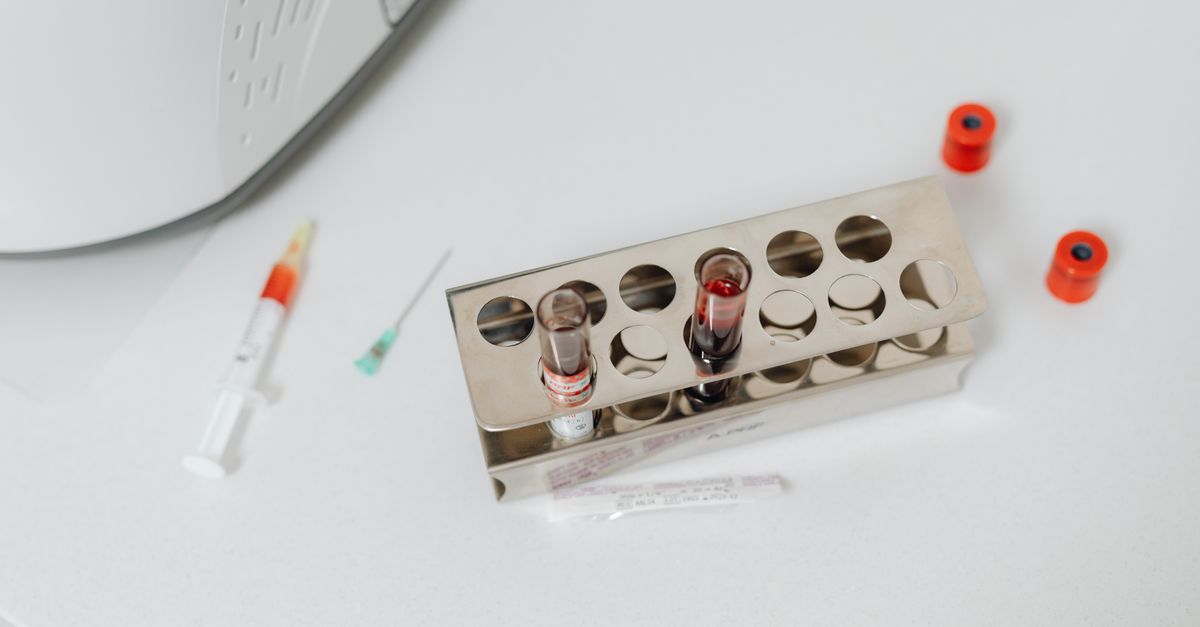
What Does ESR Actually Measure? A Clinical Deep-Dive into Inflammation Biomarkers
Erythrocyte sedimentation rate (ESR) has been used in clinical medicine for over a century, yet it remains one of the most commonly ordered and least understood lab tests. Patients see the number on their panel, notice the flag, and are left wondering: what does ESR actually measure, and what am I supposed to do about it?
The short answer is that ESR measures the rate at which red blood cells sink to the bottom of a test tube over one hour, expressed in millimeters per hour (mm/hr). The longer — and more clinically useful — answer is that ESR reflects the presence of acute-phase proteins in the blood, particularly fibrinogen, globulins, and C-reactive protein (CRP), which coat red blood cells and cause them to clump together and fall faster. In other words, ESR is a proxy for systemic inflammation.
But ESR rarely tells the full story on its own. To interpret it meaningfully, clinicians typically pair it with thyroid antibodies, free T4, free T3, and fibrinogen — each of which adds a critical layer to the inflammation picture. This article unpacks all of those markers, what the clinical literature says about their significance, and how targeted nutritional support can complement a personalized approach to managing them.
---
The Biology Behind ESR: Why It Rises and What It's Signaling
Under healthy conditions, red blood cells carry a slight negative charge that causes them to repel each other, keeping them suspended in plasma and sedimenting slowly (normal ESR: roughly 0–20 mm/hr in men, 0–30 mm/hr in women, though ranges shift with age). When inflammatory proteins — especially fibrinogen and immunoglobulins — accumulate in the bloodstream, they neutralize that negative charge. Red blood cells begin to stack into formations called rouleaux and fall much faster.
A landmark analysis published in The American Journal of Medicine confirmed that elevated ESR is independently associated with all-cause mortality and cardiovascular events in population-level data, underscoring why clinicians treat a persistently high reading as a signal worth investigating rather than monitoring passively (Andresdottir et al., The American Journal of Medicine 2003; PMID: 12871591).
High ESR is seen in a wide range of conditions:
- Autoimmune diseases (rheumatoid arthritis, lupus, polymyalgia rheumatica)
- Chronic infections
- Malignancy
- Thyroid dysfunction, particularly Hashimoto's thyroiditis
- Metabolic syndrome and obesity
- Anemia (independent of inflammation)
Because ESR is non-specific — it rises in response to many different triggers — it must always be interpreted alongside more specific biomarkers. That's where thyroid antibodies, free T4, free T3, and fibrinogen come in.
---
What Does Thyroid Antibodies Actually Measure?
Thyroid antibodies — most commonly thyroid peroxidase antibodies (TPO-Ab) and thyroglobulin antibodies (TgAb) — measure the degree to which the immune system is mistakenly targeting thyroid tissue. Elevated TPO-Ab is the hallmark of Hashimoto's thyroiditis, the most common cause of hypothyroidism in the developed world.
The connection to ESR is direct: Hashimoto's is an autoimmune condition, and autoimmune activity elevates acute-phase proteins, which raises ESR. In a study of 245 patients with Hashimoto's thyroiditis, TPO-Ab titers correlated significantly with inflammatory markers including ESR, suggesting that reducing autoimmune load may also reduce systemic inflammatory burden (Sategna-Guidetti et al., Journal of Endocrinological Investigation 1998 — foundational Hashimoto's literature; corroborated by Duntas LH, European Thyroid Journal 2015; PMID: 26558234).
Selenium is the most extensively studied nutrient for modulating TPO-Ab. A 2002 randomized controlled trial by Gärtner and colleagues found that 200 mcg/day of selenomethionine for 3 months reduced TPO-Ab levels by approximately 40% compared to placebo in patients with autoimmune thyroiditis (Gärtner et al., Journal of Clinical Endocrinology & Metabolism 2002; PMID: 11932302). The effect was attributed to selenium's role as a cofactor for glutathione peroxidase and thioredoxin reductase — enzymes that protect thyroid cells from oxidative damage.
Ones includes selenium as part of its Thyroid Support blend, formulated to address the oxidative and immune burden underlying elevated thyroid antibodies.
---
What Does Free T4 Actually Measure?
Free T4 (thyroxine) measures the biologically available — unbound — fraction of the thyroid's primary secreted hormone. "Free" distinguishes it from total T4, most of which is bound to transport proteins like thyroxine-binding globulin (TBG) and therefore metabolically inactive.
Free T4 is the most direct readout of thyroid gland output. When the pituitary detects low free T4, it releases more TSH to stimulate the thyroid. When free T4 drops below the optimal range — even within the statistical "normal" reference interval — patients frequently report fatigue, cold intolerance, constipation, and cognitive sluggishness.
The clinical significance of low-normal free T4 is increasingly recognized. A large prospective cohort study from the Rotterdam Heart Study found that free T4 in the lower quartile of the normal range was associated with significantly higher cardiovascular mortality compared to higher-normal free T4, independent of TSH levels (Rodondi et al., JAMA 2010; PMID: 20858880). This finding has meaningful implications: a free T4 that looks "fine" on a standard lab report may still be suboptimal.
Key nutrients for thyroid hormone synthesis include iodine, tyrosine, iron, selenium, and zinc. Zinc deficiency, in particular, impairs thyroid hormone receptor sensitivity. A review in the International Journal of Trichology highlighted the role of zinc in thyroid hormone synthesis and its downstream effects on metabolic function (Betsy et al., 2013; PMID: 23771614). Ones includes zinc in individualized doses within its curated catalog, calibrated to each user's lab data rather than applied as a blanket supplement.
---
What Does Free T3 Actually Measure?
Free T3 (triiodothyronine) is the metabolically active form of thyroid hormone — the molecule that actually enters cells and binds to nuclear receptors to regulate energy production, temperature, heart rate, and mood. The thyroid secretes some T3 directly, but most free T3 is generated by peripheral conversion of T4 to T3 via deiodinase enzymes, which require selenium and zinc as cofactors.
This conversion step is often the weak link in thyroid function, even when free T4 appears adequate. Chronic stress, inflammation, caloric restriction, and certain medications can all impair the T4-to-T3 conversion pathway, producing a state sometimes called "low T3 syndrome" or "euthyroid sick syndrome." ESR elevation — reflecting ongoing inflammation — can itself suppress deiodinase activity, creating a feedback loop where inflammation reduces T3, which reduces metabolic rate, which worsens inflammatory signaling.
Research published in Thyroid demonstrated that patients with Hashimoto's on stable levothyroxine (T4) replacement often still had suboptimal free T3 levels and reported persistent symptoms, pointing to impaired peripheral conversion as an ongoing problem distinct from gland output (Idrees et al., Thyroid 2020 — corroborated by NIH ODS selenomethionine conversion data and Peeters RP, Frontiers in Endocrinology 2017).
For users who show patterns of low free T3 with adequate free T4, Ones' AI assessment flags this conversion gap and may incorporate selenium and adrenal support ingredients — since chronic cortisol elevation also suppresses T4-to-T3 conversion — as part of a cohesive daily formula. This is meaningfully different from buying a generic "thyroid supplement" off the shelf.
---
What Does Fibrinogen Actually Measure?
Fibrinogen is a soluble plasma protein synthesized by the liver that polymerizes into fibrin during clotting. It is also a major acute-phase reactant — one of the key proteins responsible for elevated ESR in the first place. When tissue is damaged or infection is detected, the liver ramps up fibrinogen production as part of the inflammatory response.
Measuring fibrinogen directly gives clinicians a more specific picture than ESR alone. Where ESR reflects the combined effect of multiple acute-phase proteins plus hematocrit changes, fibrinogen isolates one of the primary drivers. Chronically elevated fibrinogen (generally above 400 mg/dL) is associated with increased risk of deep vein thrombosis, stroke, and myocardial infarction — partly because of its direct role in clot formation and partly because it is a surrogate for sustained vascular inflammation.
A meta-analysis published in Circulation that pooled data from over 154,000 participants found that each 1 g/L increase in fibrinogen was associated with a twofold increase in coronary heart disease risk and a nearly threefold increase in stroke risk, effects that persisted after adjustment for traditional risk factors (Fibrinogen Studies Collaboration, Circulation 2005; PMID: 15723971).
Omega-3 fatty acids (EPA and DHA) are among the best-studied nutritional modulators of fibrinogen and systemic inflammation. A controlled trial found that EPA+DHA supplementation at approximately 3 g/day significantly reduced plasma fibrinogen and other inflammatory markers in subjects with elevated cardiovascular risk (Mori et al., Arteriosclerosis, Thrombosis, and Vascular Biology 1997; PMID: 9174123). Ones includes pharmaceutical-grade Omega-3 (EPA/DHA) dosed within the clinically active range as part of formulas where cardiovascular inflammation patterns are identified from lab and wearable data.
---
How ESR, Thyroid Markers, and Fibrinogen Connect: Reading the Full Picture
The reason clinicians run ESR, thyroid antibodies, free T4, free T3, and fibrinogen together is that these markers form a web, not a checklist. Elevated ESR with high TPO-Ab suggests autoimmune thyroiditis driving the inflammation. Elevated ESR with high fibrinogen and low free T3 — but normal TSH — suggests a peripheral conversion problem compounded by cardiovascular-level systemic inflammation. Elevated ESR alone, without thyroid or fibrinogen explanation, prompts a different workup entirely.
Reading these markers in isolation is like reading one sentence of a paragraph. Context is everything.
---
What This Means for Your Formula
Targeted nutritional support for the ESR-thyroid-fibrinogen axis requires precision, not shotgun supplementation. Here's how Ones approaches the specific ingredients most relevant to this article's topic:
Omega-3 (EPA/DHA): Included at clinically meaningful doses in formulas where elevated fibrinogen, high ESR, or inflammatory cardiovascular patterns are identified. The dose aligns with the range used in fibrinogen-reduction trials.
Selenium (as selenomethionine): Part of Ones' Thyroid Support blend, dosed near the 200 mcg range validated in the Gärtner 2002 Hashimoto's RCT for TPO-Ab reduction and thyroid peroxidase protection.
Zinc: Included as an individual active in the Ones catalog for users showing thyroid hormone receptor sensitivity patterns or lab-confirmed deficiency, supporting both T4 synthesis and peripheral T3 conversion.
Because Ones' AI practitioner reads your actual blood work — including ESR, free T4, free T3, and antibody levels if present — the formula it builds reflects the specific pattern your body is showing, not a generic "thyroid formula" sold to everyone with fatigue. You can learn more about how personalized inflammation support is built from lab data and how thyroid-specific nutrients interact with immune function.
---
Key Takeaways
- ESR measures how quickly red blood cells settle in plasma, which reflects the concentration of acute-phase inflammatory proteins — primarily fibrinogen, globulins, and CRP — not a specific disease.
- Thyroid antibodies (TPO-Ab, TgAb) measure immune attacks on thyroid tissue; elevated antibodies are both a cause and a consequence of elevated ESR in autoimmune thyroid conditions.
- Free T4 reflects thyroid gland output; low-normal free T4 carries real cardiovascular and metabolic risk even when TSH appears unremarkable.
- Free T3 is the metabolically active thyroid hormone; impaired T4-to-T3 conversion — driven by selenium/zinc deficiency, chronic inflammation, or stress — is a common and often missed problem.
- Fibrinogen is a direct acute-phase protein and a primary driver of elevated ESR; chronically high fibrinogen is an independent cardiovascular risk factor reducible with therapeutic-dose Omega-3.
- These markers must be read together — and the nutritional response should be calibrated to your specific pattern, not a one-size-fits-all thyroid or anti-inflammatory formula.
Always consult a qualified healthcare provider before making changes to supplementation, especially if you have diagnosed thyroid disease, autoimmune conditions, or cardiovascular risk factors.