Lifestyle
What Does High Fasting Glucose Mean?
A fasting glucose above 100 mg/dL affects roughly 1 in 3 American adults, yet most people don't know what the number actually means mechanically — or which direction to push first. The causes are more specific than 'eat less sugar,' and the fix depends entirely on which mechanism is driving yours.
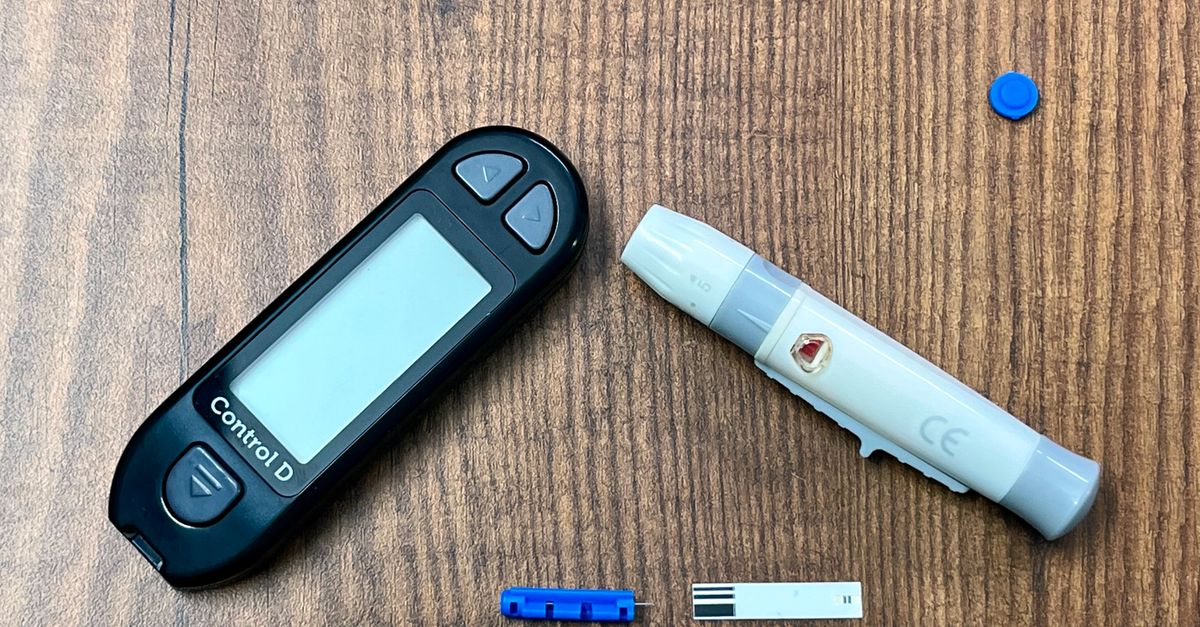
What Does High Fasting Glucose Mean?
High fasting glucose (above 100 mg/dL) means your body is struggling to keep blood sugar stable during an overnight fast, pointing to insulin resistance, excess liver glucose output, or disrupted stress hormones. For most people, a single reading isn't a diagnosis — fasting glucose between 100–125 mg/dL is called prediabetes and is reversible. The exception is anyone already on glucose-lowering medication or with readings consistently above 126 mg/dL, where medical supervision is essential.
---
What Your Fasting Glucose Number Actually Tells You
Fasting glucose is a snapshot of what your liver is doing, not what you ate last night. After 8–12 hours without food, dietary glucose is essentially cleared. The remaining sugar in your bloodstream at that point comes almost entirely from hepatic glucose output — your liver manufacturing glucose from glycogen stores and gluconeogenic substrates like lactate, glycerol, and amino acids.
In a metabolically healthy person, overnight insulin secretion is sufficient to suppress this liver output and hold glucose steady between 70–99 mg/dL. When fasting glucose creeps above that range, one or more of these three processes has broken down:
- Hepatic insulin resistance — the liver ignores insulin's signal to stop producing glucose, a condition closely linked to intrahepatic fat accumulation even in people who appear lean (Petersen et al., Journal of Clinical Investigation 2002; PMID: 12208866).
- Impaired beta-cell first-phase response — pancreatic beta cells fail to release a rapid early burst of insulin after glucose rises, so the liver goes unsuppressed longer than it should.
- Elevated cortisol or counter-regulatory hormones — chronic stress raises morning cortisol, which directly stimulates gluconeogenesis and antagonizes insulin signaling. This is why shift workers and people with poor sleep consistently show higher fasting glucose independent of diet (Leproult & Van Cauter, JAMA 2010; PMID: 20823386).
Understanding which mechanism is operating in your case determines which intervention will actually move the number.
---
The Clinical Thresholds — and Why They Matter
| Fasting Glucose (mg/dL) | Classification | Estimated Risk |
|---|---|---|
| 70–99 | Normal | Baseline |
| 100–125 | Prediabetes (IFG) | 5–10× higher T2D risk over 5 years |
| 126+ (two separate tests) | Type 2 Diabetes | Requires clinical management |
| <70 | Hypoglycemia | Investigate adrenal, thyroid, or reactive causes |
The American Diabetes Association uses 126 mg/dL on two separate fasting draws as the diagnostic threshold for type 2 diabetes. But the prediabetes zone (100–125 mg/dL), often called impaired fasting glucose (IFG), is where lifestyle interventions have the greatest return on investment. The landmark Diabetes Prevention Program (DPP) trial — 3,234 participants, 2.8-year follow-up — showed that a modest 7% reduction in body weight through diet and 150 minutes of weekly walking reduced progression to diabetes by 58% compared to placebo (Knowler et al., NEJM 2002; PMID: 11832527).
That 58% figure is worth sitting with. Metformin, in the same trial, reduced progression by only 31% — meaning lifestyle intervention nearly doubled the drug's effectiveness.
---
What Causes High Fasting Glucose? The Root Mechanisms
If you want a deeper dive into the full spectrum of root causes and which lab markers to check alongside fasting glucose, this breakdown of what causes high fasting glucose covers insulin, cortisol, thyroid, and liver-related drivers systematically.
The most common causes, in rough order of prevalence:
1. Visceral Fat and Ectopic Liver Fat
Visceral adipose tissue releases free fatty acids directly into portal circulation, promoting intrahepatic fat deposition. Even a 1 kg increase in liver fat content raises fasting glucose independently of BMI. MRI studies show measurable intrahepatic fat in people with completely normal body weight if they carry excess visceral mass (Thomas et al., Obesity 2012).
2. Sleep Deprivation and Circadian Disruption
One week of sleep restriction to 5 hours per night raised fasting glucose by approximately 6 mg/dL in healthy young adults and reduced insulin sensitivity by 25% (Leproult & Van Cauter, JAMA 2010; PMID: 20823386). The mechanism is dual: elevated morning cortisol plus reduced GLP-1 secretion. If you consistently sleep fewer than 6 hours and your fasting glucose is borderline, treating sleep first is not optional — it's the intervention with the fastest measurable effect.
3. Chronic Psychological Stress
The HPA axis (hypothalamic-pituitary-adrenal) is a major glucose regulator. Sustained psychological stress increases cortisol exposure, which triggers PEPCK and G6Pase — rate-limiting enzymes in hepatic gluconeogenesis — and simultaneously reduces GLUT4 translocation in skeletal muscle. People with burnout-level chronic stress sometimes have normal daytime glucose but elevated fasting values because the liver is producing extra glucose overnight, precisely when cortisol is in its natural early-morning surge.
4. Low Muscle Mass
Skeletal muscle is the largest glucose disposal site in the body, responsible for roughly 80% of postprandial glucose uptake. Lower muscle mass means lower glucose sink capacity, which forces higher fasting setpoints. This is why sarcopenic individuals — particularly older adults who are not overtly obese — can have elevated fasting glucose driven primarily by reduced clearance rather than overproduction. Resistance training twice per week for 16 weeks lowered fasting glucose by an average of 7.1 mg/dL in adults with prediabetes in a controlled trial (Castaneda et al., Diabetes Care 2002; PMID: 12401755).
5. Subclinical Thyroid Dysfunction
Hypothyroidism slows hepatic glucose clearance and reduces the rate of glucose oxidation in peripheral tissues. If your fasting glucose is elevated and you also experience fatigue, cold sensitivity, or slow reflexes, checking free T4 and TSH is warranted before attributing the glucose to diet alone. A normal TSH doesn't always rule out relevant thyroid physiology — see why normal free T4 can still leave you symptomatic for the nuances.
---
Is High Fasting Glucose Dangerous on Its Own?
The short answer: at 100–110 mg/dL, the absolute short-term risk is low, but the trajectory matters more than the snapshot. Fasting glucose above 100 mg/dL is an independent predictor of cardiovascular events even before the diabetes threshold — a finding consistent across the DECODE study (26,000+ European adults), the Framingham Offspring Study, and multiple Asian cohort analyses.
The more important question is whether the number is rising, stable, or an outlier. A single elevated fasting glucose after poor sleep, a stressful week, or a GI illness (which elevates counter-regulatory hormones) does not carry the same clinical weight as three consecutive readings above 110 mg/dL. For a practical risk framework, this guide on whether high fasting glucose is dangerous lays out the cardiovascular and renal risk data by threshold.
If your glucose is repeatedly elevated but your fasting insulin is normal, the picture changes — the driver may not be classical insulin resistance. Understanding why normal fasting insulin doesn't mean everything is fine explains how you can have impaired hepatic insulin signaling with normal peripheral insulin levels.
---
Which Other Labs Should You Run Alongside Fasting Glucose?
Fasting glucose alone is a single variable in a multi-variable system. The following panel gives a much more complete picture:
| Marker | What It Adds |
|---|---|
| Fasting insulin | Calculates HOMA-IR (insulin resistance index) |
| HbA1c | 90-day average; catches dawn-phenomenon spikes missed by fasting draw |
| Triglycerides | Elevated TG with high glucose strongly implicates hepatic fat |
| ALT/AST | Liver enzyme elevation supports intrahepatic fat hypothesis |
| hsCRP | Chronic inflammation drives insulin resistance independently |
| Free T4 + TSH | Rules out thyroid contribution |
| Cortisol (AM serum) | Elevated AM cortisol explains high fasting glucose with normal HbA1c |
HOMA-IR, calculated as (fasting glucose mg/dL × fasting insulin µIU/mL) ÷ 405, is the most accessible insulin resistance proxy. A HOMA-IR above 2.0 suggests meaningful insulin resistance; above 2.9 is strongly associated with metabolic syndrome. Running glucose without insulin is like measuring tire pressure without knowing the target PSI.
---
The Evidence-Based Protocol for Bringing Fasting Glucose Down
Intervention sequencing matters. Not all levers move fasting glucose equally, and some (like extreme carbohydrate restriction) can temporarily worsen fasting glucose through a gluconeogenic rebound effect.
- Prioritize sleep to 7–8 hours. Effect size: ~5–8 mg/dL reduction in fasting glucose within two weeks of restoring sleep from 5 to 7+ hours, based on controlled crossover studies.
- Add a 10–15 minute walk after dinner. Postprandial walking is the highest-yield glucose disposal strategy per unit of time. It doesn't require hitting a step count — just breaking the 2-hour post-dinner sedentary window.
- Begin resistance training. As noted above, 16 weeks of twice-weekly resistance training reduced fasting glucose by 7.1 mg/dL in prediabetic adults (Castaneda et al., Diabetes Care 2002; PMID: 12401755). This is comparable to low-dose metformin.
- Reduce refined carbohydrate load at breakfast and dinner. The dawn phenomenon (natural cortisol-driven glucose rise between 4–8 AM) means fasting glucose is most sensitive to late-evening carbohydrate intake. A lower-glycemic dinner reduces the hepatic substrate available overnight.
- Address stress physiology. If cortisol is a driver — especially if HbA1c is disproportionately lower than your fasting glucose readings suggest — targeting HPA axis regulation becomes a metabolic priority, not just a wellness nice-to-have.
For a step-by-step roadmap if fasting glucose remains elevated despite initial changes, this research-backed guide to persistently high fasting glucose walks through the next diagnostic and intervention steps.
---
What This Means for Your Formula
Ones' AI practitioner analyzes fasting glucose, fasting insulin, HbA1c, and relevant wearable data together — not in isolation — before building a supplement formula. When the pattern points to glucose dysregulation, the formula draws on a few specific ingredients with direct mechanistic relevance:
- Berberine — activates AMPK (the same pathway as metformin) and reduces hepatic glucose output. A meta-analysis of 14 RCTs found berberine reduced fasting glucose by approximately 19.83 mg/dL compared to placebo in type 2 diabetics, with a similar effect size in prediabetics (Dong et al., Metabolism 2013; PMID: 22970225).
- Omega-3 (EPA/DHA) — at clinically relevant doses, omega-3 reduces intrahepatic triglycerides and improves hepatic insulin sensitivity, addressing one of the primary drivers of elevated fasting glucose in metabolically unhealthy individuals.
- Ones Adrenal Support blend — when elevated fasting glucose is driven by chronic stress and cortisol dysregulation rather than dietary carbohydrate, adaptogenic support targeting the HPA axis is part of the formula logic. This blend is included when the AI identifies stress-pattern cortisol as a contributor to the metabolic picture.
Ones never recommends a single ingredient in isolation for glucose — the formula is calibrated to the individual's specific driver, capsule budget, and co-occurring findings from bloodwork and wearable trends.
---
Key Takeaways
- High fasting glucose (100–125 mg/dL) primarily reflects excess hepatic glucose output overnight, not what you ate — it's a liver and insulin-signaling signal, not a dietary guilt score.
- Sleep deprivation of even one week raises fasting glucose by ~6 mg/dL in healthy adults; fixing sleep is often the fastest single intervention.
- Resistance training reduces fasting glucose comparably to low-dose metformin over 16 weeks — muscle mass is the body's primary glucose disposal organ.
- HOMA-IR (fasting glucose × fasting insulin ÷ 405) tells you far more than either marker alone; run fasting insulin alongside fasting glucose.
- Fasting glucose between 100–125 mg/dL is prediabetes, but lifestyle intervention reduces progression to diabetes by 58% — more than metformin in head-to-head comparison.
- A single elevated reading in context of poor sleep or acute stress is not a diagnosis; three or more consecutive elevated readings warrant a full metabolic panel and clinical follow-up.