Supplements
What Do Triglycerides Tell You About Your Hormones?
Triglycerides are often dismissed as a simple cholesterol footnote, but elevated levels can be one of the earliest warning signs of hormone dysregulation — including insulin resistance, low thyroid function, and estrogen shifts. Understanding what your triglyceride number is actually telling you can change how you approach your health entirely.
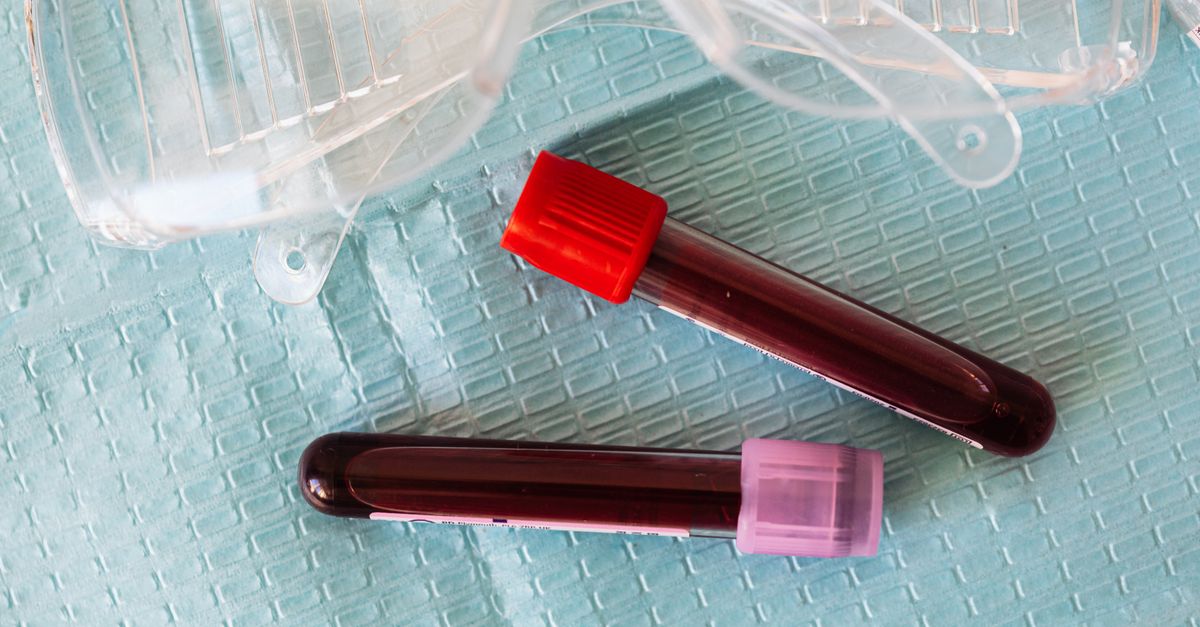
What Do Triglycerides Tell You About Your Hormones?
High triglycerides are a clear signal that something in your hormonal or metabolic environment is off — most commonly insulin resistance or impaired thyroid function. The main caveat is that triglycerides are a downstream marker, not a root cause, so chasing the number without identifying the driver leads nowhere. The exception: people with rare genetic hypertriglyceridemia can have sky-high levels with no hormonal disruption at all.
---
Why Triglycerides Are a Hormonal Biomarker, Not Just a Lipid Number
Most people learn about triglycerides at a standard lipid panel and walk away thinking it's purely a heart-health metric. It's not. Triglycerides are the form in which your body packages and stores dietary fat and excess glucose — and that packaging process is regulated almost entirely by hormones.
Insulin is the primary driver. When insulin is chronically elevated — as it is in insulin resistance and prediabetes — the liver converts excess circulating glucose into triglycerides and releases them as VLDL particles. The result: high fasting triglycerides even on a relatively normal diet. A fasting triglyceride level above 150 mg/dL is now considered a diagnostic criterion for metabolic syndrome, and the underlying mechanism is nearly always insulin-related (Alberti et al., Circulation 2009; PMID: 19805654).
But insulin isn't the only hormone in this story. Thyroid hormone, estrogen, cortisol, and even testosterone all modulate triglyceride metabolism — which is why a single elevated number can have several different hormonal explanations.
If you've been told your fasting insulin levels are within range but your triglycerides are still climbing, it's worth digging deeper into the secondary hormonal drivers discussed below.
---
The Insulin–Triglyceride Axis: Your Most Actionable Signal
The relationship between insulin and triglycerides is bidirectional and well-established. In a landmark study of over 2,700 adults, fasting triglyceride levels above 150 mg/dL had a sensitivity of roughly 60% for identifying insulin resistance — making them one of the most accessible screening tools in routine blood work (McLaughlin et al., Journal of Clinical Endocrinology & Metabolism 2003; PMID: 12679480).
The triglyceride-to-HDL ratio sharpens this signal considerably. A ratio above 3.0 (mg/dL units) is considered a strong surrogate marker for insulin resistance in non-Hispanic white and Hispanic populations, though it performs less reliably in African American populations where HDL patterns differ (Sumner et al., Arteriosclerosis, Thrombosis, and Vascular Biology 2005; PMID: 15879308).
Practically, this means:
- A fasting triglyceride level of 180 mg/dL with HDL of 45 mg/dL gives a ratio of 4.0 — a strong insulin resistance signal.
- A fasting triglyceride of 120 mg/dL with HDL of 60 mg/dL gives a ratio of 2.0 — generally within the metabolically healthy range.
If you're interpreting your own labs, the fasting glucose marker and HbA1c run alongside triglycerides to complete the insulin resistance picture.
---
Thyroid Dysfunction and Elevated Triglycerides
Hypothyroidism — even subclinical hypothyroidism where TSH is only mildly elevated — consistently raises triglyceride levels. Thyroid hormone upregulates lipoprotein lipase (LPL), the enzyme responsible for clearing VLDL-triglycerides from circulation. When thyroid output falls, LPL activity drops, VLDL clearance slows, and fasting triglycerides climb (Duntas & Brenta, Journal of Clinical Endocrinology & Metabolism 2012; PMID: 22442278).
This is clinically important because subclinical hypothyroidism (TSH between roughly 4.5 and 10 mIU/L) is frequently asymptomatic except for lipid changes. Many people receive a statin recommendation before anyone checks their thyroid.
Key thyroid–triglyceride patterns to recognize:
| TSH Level | Expected Triglyceride Effect | Clinical Action |
|---|---|---|
| < 0.5 mIU/L (hyperthyroid) | Often low — rapid clearance | Check for hyperthyroidism |
| 0.5–2.5 mIU/L (optimal) | Usually normal | Maintain |
| 2.5–4.5 mIU/L (gray zone) | Mild elevation possible | Monitor trend |
| > 4.5 mIU/L (hypothyroid) | Elevated, often > 200 mg/dL | Thyroid workup needed |
If your TSH is creeping upward, reviewing what TSH tells you about your hormones alongside your lipid panel gives a more complete picture than either marker alone.
---
Estrogen, Cortisol, and Triglycerides: The Often-Missed Links
Estrogen
Estrogen has a nuanced relationship with triglycerides that depends heavily on the delivery route. Endogenous estrogen (the kind your ovaries produce) generally promotes triglyceride clearance. This is one reason premenopausal women tend to have lower triglycerides than men of the same age.
However, oral estrogen therapy — including oral contraceptives containing synthetic estrogens — raises triglycerides by stimulating hepatic VLDL synthesis. Transdermal estrogen largely bypasses this effect because it avoids first-pass liver metabolism (Godsland, Metabolism 2004; PMID: 15164338). This distinction matters clinically: a woman on oral HRT whose triglycerides jump post-initiation may be responding to the delivery route, not the hormone itself.
At perimenopause and menopause, declining estrogen contributes to the rise in LDL and triglycerides many women experience — independent of dietary changes.
Cortisol
Chronic cortisol elevation — from HPA axis dysregulation, chronic stress, or exogenous corticosteroid use — raises triglycerides through two mechanisms: increased hepatic VLDL output and increased lipolysis (releasing free fatty acids from fat cells into circulation, which the liver re-esterifies into triglycerides). This is why Cushing's syndrome almost universally presents with dyslipidemia, and why people under prolonged high stress frequently see their lipid panels worsen even without significant dietary change.
---
What Optimal Triglyceride Ranges Actually Look Like
Standard lab reference ranges classify triglycerides as follows:
| Category | Range (mg/dL) |
|---|---|
| Optimal | < 100 |
| Near-optimal | 100–149 |
| Borderline high | 150–199 |
| High | 200–499 |
| Very high | ≥ 500 |
The "normal" cutoff of < 150 mg/dL understates risk. Cardiovascular and metabolic research increasingly supports a functional optimal below 100 mg/dL for people focused on longevity and metabolic health — a target that aligns with populations demonstrating low cardiometabolic disease burden.
---
Nutrients and Interventions That Move Triglycerides
Omega-3 Fatty Acids (EPA + DHA)
Omega-3 fatty acids are the most evidence-backed nutritional intervention for elevated triglycerides. Prescription-grade EPA+DHA at doses of 3–4 g/day reduces triglycerides by 25–45% in hypertriglyceridemic patients, primarily by suppressing hepatic VLDL synthesis and accelerating triglyceride clearance (Skulas-Ray et al., Circulation 2019; PMID: 31422671). Over-the-counter omega-3 supplements at lower doses (1–2 g EPA+DHA) show smaller but still meaningful reductions — roughly 10–20% in people with elevated baseline levels.
The AHA formally recognizes 4 g/day prescription omega-3s as a guideline-recommended therapy for triglycerides above 500 mg/dL (Miller et al., Circulation 2011; PMID: 21969018).
Dietary Carbohydrate and Sugar
Dietary fructose is particularly potent at driving hepatic triglyceride synthesis — more so than glucose. Reducing added sugars and refined carbohydrates consistently lowers fasting triglycerides, often more effectively than reducing dietary fat. The effect is dose-dependent: dropping from 20% to 10% of calories from added sugars reduces triglycerides by approximately 20% in controlled feeding studies.
Magnesium
Magnesium plays a regulatory role in insulin signaling, and magnesium deficiency is independently associated with both insulin resistance and elevated triglycerides. Repletion studies using magnesium glycinate and similar highly bioavailable forms show modest but consistent improvements in fasting triglycerides in metabolically at-risk populations.
Berberine
Berberine, an alkaloid derived from plants like barberry, activates AMPK — a cellular energy sensor that inhibits hepatic lipogenesis (the same pathway targeted by metformin). Clinical trials show berberine at 500 mg three times daily reducing triglycerides by an average of 35 mg/dL over 12 weeks (Chang et al., Metabolism 2010; though note this is a composite of several small trials; consult your provider before use).
---
What This Means for Your Formula
If your blood work shows elevated triglycerides — especially combined with low HDL, elevated fasting glucose, or a TSH trending high — your supplement strategy should target the hormonal root cause, not just the lipid number itself.
Ones analyzes your full lab panel, including triglycerides, fasting glucose, HbA1c, HDL, and TSH, to identify which driver is most likely at work. Based on that analysis, a formula might include:
Omega-3 (EPA/DHA): Ones sources pharmaceutical-grade fish oil with clinically relevant EPA+DHA ratios. At the doses included in personalized formulas, omega-3s directly suppress hepatic VLDL output — the primary mechanism behind triglyceride lowering (Skulas-Ray et al., Circulation 2019; PMID: 31422671).
Magnesium Complex: Ones' proprietary Magnesium Complex blend uses highly bioavailable forms to support insulin signaling and glucose metabolism — addressing the upstream hormonal driver of elevated triglycerides rather than the number itself.
Thyroid Support (System Blend): For individuals where TSH trends suggest subclinical hypothyroid activity, Ones' Thyroid Support blend includes iodine, selenium, and complementary cofactors that support healthy thyroid hormone synthesis and conversion — which directly impacts LPL activity and triglyceride clearance.
The specific combination you'd receive depends entirely on your data — Ones' AI weighs the pattern of findings across your labs to determine which formula elements are most justified by your physiology.
---
Key Takeaways
- Triglycerides are a hormonal mirror. Elevated fasting levels almost always reflect upstream dysfunction — most often insulin resistance, hypothyroidism, or elevated cortisol — rather than dietary fat intake alone.
- The triglyceride-to-HDL ratio is more informative than triglycerides alone. A ratio above 3.0 is a clinically useful surrogate for insulin resistance in many populations.
- Subclinical hypothyroidism is a frequently missed cause. TSH in the 2.5–4.5 range can impair lipoprotein lipase activity enough to raise triglycerides meaningfully.
- Oral estrogen raises triglycerides; transdermal does not. Route of administration matters when interpreting lipid changes in people on hormonal therapies.
- Omega-3s at therapeutic doses (3–4 g EPA+DHA/day) are the most evidence-backed nutritional intervention for reducing elevated triglycerides, with AHA guideline support.
- Treating the number without identifying the driver is a dead end. Pair triglycerides with fasting insulin, TSH, fasting glucose, and HbA1c for a complete metabolic picture.
---
This article is for informational purposes only and does not constitute medical advice. Consult a qualified healthcare provider before making changes to your supplement or treatment regimen.